
In the dynamic landscape of modern logistics and warehousing, the pursuit of enhanced storage efficiency has become a top priority for businesses across the globe. As a leading supplier of Flow Racks, I am often asked whether these innovative storage solutions can truly improve storage efficiency. In this blog post, I will delve into the intricacies of flow racks, exploring their features, benefits, and real-world applications to provide a comprehensive answer to this question.
Understanding Flow Racks
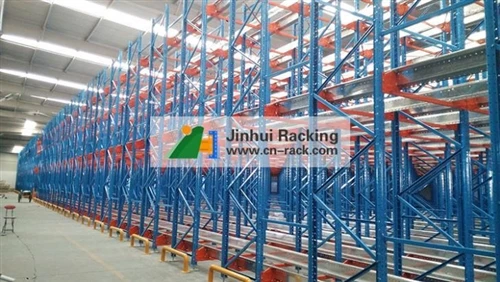
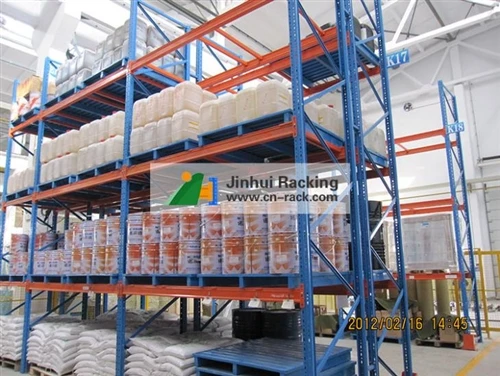
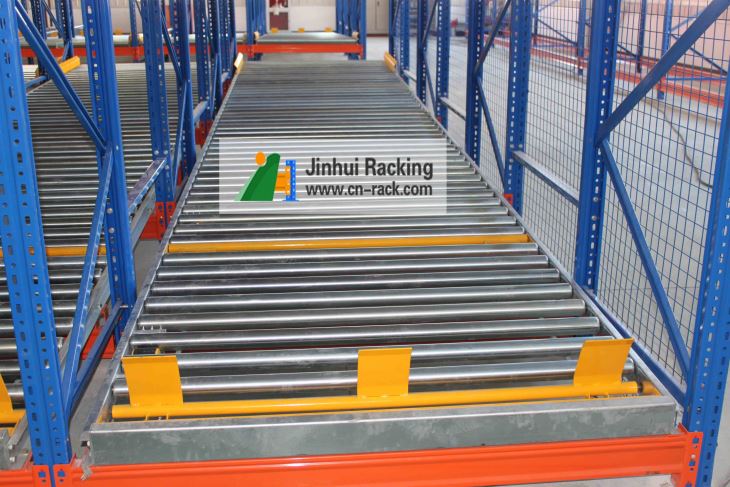
Flow racks, also known as gravity flow racks or pallet flow racks, are a type of storage system that utilizes gravity to move pallets or other storage units from the loading end to the unloading end of the rack. The system consists of inclined rollers or wheels that allow pallets to flow smoothly down the rack, eliminating the need for manual handling or forklift operations in the storage lanes. This design enables a first-in, first-out (FIFO) inventory management system, ensuring that the oldest stock is always the first to be used or shipped.
Key Features of Flow Racks
- Gravity-Powered Operation: Flow racks rely on gravity to move pallets, which means they do not require any external power source. This not only reduces energy consumption but also minimizes maintenance costs and the risk of mechanical failures.
- High Density Storage: By eliminating the need for aisles between storage lanes, flow racks can significantly increase the storage capacity of a warehouse. This makes them an ideal solution for businesses with limited floor space or high inventory volumes.
- FIFO Inventory Management: The FIFO principle ensures that products are rotated in a timely manner, reducing the risk of product spoilage, expiration, or obsolescence. This is particularly important for industries such as food and beverage, pharmaceuticals, and electronics.
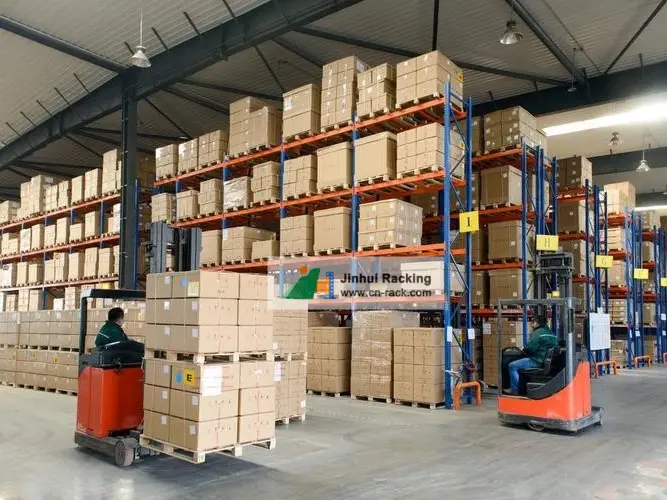
- Easy Access and Loading/Unloading: Flow racks are designed to provide easy access to pallets, allowing for efficient loading and unloading operations. Pallets can be easily loaded at the higher end of the rack and retrieved at the lower end, reducing the time and effort required for inventory management.
- Customizable Design: Flow racks can be customized to meet the specific needs of different industries and applications. They can be designed to accommodate different pallet sizes, weights, and load capacities, ensuring optimal storage efficiency and flexibility.
Benefits of Flow Racks for Storage Efficiency
- Increased Storage Capacity: One of the primary benefits of flow racks is their ability to maximize storage capacity. By utilizing the vertical space in a warehouse and eliminating the need for aisles, flow racks can store more pallets in a given area compared to traditional storage systems. This allows businesses to make the most of their available space and reduce the need for additional warehouse expansion.
- Improved Inventory Management: Flow racks facilitate a FIFO inventory management system, which helps businesses maintain a more accurate and up-to-date inventory. This reduces the risk of overstocking or understocking, improves order fulfillment rates, and minimizes the cost of inventory holding.
- Enhanced Productivity and Efficiency: The gravity-powered operation of flow racks eliminates the need for manual handling or forklift operations in the storage lanes, reducing the time and effort required for inventory management. This allows warehouse staff to focus on more value-added tasks, such as order picking and packing, improving overall productivity and efficiency.
- Reduced Labor Costs: By automating the movement of pallets, flow racks can significantly reduce the labor required for inventory management. This not only saves on labor costs but also improves the safety and working conditions of warehouse staff.
- Better Product Protection: Flow racks are designed to protect products from damage during storage and handling. The smooth rolling surface of the rollers or wheels minimizes the risk of product scratches, dents, or other types of damage, ensuring that products arrive at their destination in perfect condition.
Real-World Applications of Flow Racks
Flow racks are widely used in various industries and applications, including:
- Food and Beverage: Flow racks are commonly used in the food and beverage industry to store perishable goods, such as fruits, vegetables, dairy products, and beverages. The FIFO inventory management system ensures that products are rotated in a timely manner, reducing the risk of product spoilage and expiration.
- Pharmaceuticals: In the pharmaceutical industry, flow racks are used to store medications, vaccines, and other medical products. The strict temperature and humidity control requirements of these products make flow racks an ideal storage solution, as they can be designed to maintain a consistent environment.
- Electronics: Flow racks are also used in the electronics industry to store components, parts, and finished products. The static-free design of the racks helps to protect sensitive electronic equipment from damage during storage and handling.
- E-commerce and Retail: With the growing popularity of e-commerce and online shopping, flow racks have become an essential storage solution for warehouses and distribution centers. They allow businesses to store and manage large volumes of inventory efficiently, ensuring fast and accurate order fulfillment.
Case Studies: How Flow Racks Have Improved Storage Efficiency
To illustrate the effectiveness of flow racks in improving storage efficiency, let's take a look at a few real-world case studies:
- Case Study 1: A Food Distribution Company A food distribution company was facing challenges with limited warehouse space and high inventory turnover. By implementing a flow rack system, the company was able to increase its storage capacity by 30% and reduce its inventory holding costs by 20%. The FIFO inventory management system also helped the company to reduce product spoilage and improve order fulfillment rates.
- Case Study 2: A Pharmaceutical Manufacturer A pharmaceutical manufacturer was struggling to meet the strict regulatory requirements for storing medications and vaccines. By installing a flow rack system with temperature and humidity control, the company was able to ensure the integrity of its products and comply with all regulatory standards. The system also improved the efficiency of inventory management, reducing the time and effort required for order picking and packing.
- Case Study 3: An E-commerce Retailer An e-commerce retailer was experiencing high order volumes and a need for faster order fulfillment. By implementing a flow rack system in its warehouse, the retailer was able to increase its storage capacity by 50% and reduce its order processing time by 40%. The system also improved the accuracy of order picking, reducing the number of errors and returns.
Conclusion: Can Flow Racks Improve Storage Efficiency?
Based on the features, benefits, real-world applications, and case studies discussed above, it is clear that flow racks can significantly improve storage efficiency in a variety of industries and applications. By maximizing storage capacity, improving inventory management, enhancing productivity and efficiency, reducing labor costs, and protecting products from damage, flow racks offer a cost-effective and sustainable solution for businesses looking to optimize their warehousing operations.

If you are interested in learning more about how flow racks can improve the storage efficiency of your business, please visit our website to explore our range of High Capacity Storage System Pallet Flow Racking Gravity Flow Racking System, Heavy Duty Gravity Pallet Roller Racking, and Gravity Racking System. Our team of experts is also available to provide you with personalized advice and solutions tailored to your specific needs. Contact us today to start the conversation and take the first step towards improving your storage efficiency.
References
- Campion, John. "Pallet Flow Racking: A Space-Saving Solution for Warehouses." Material Handling & Logistics, vol. 65, no. 8, 2013, pp. 42-45.
- Smith, Robert. "The Benefits of Gravity Flow Racks inWarehousing." Logistics Management, vol. 52, no. 6, 2013, pp. 38-41.
- Brown, David. "Flow Racks: Enhancing Storage Efficiency in the Modern Warehouse." Supply Chain Management Review, vol. 17, no. 3, 2013, pp. 32-36.