
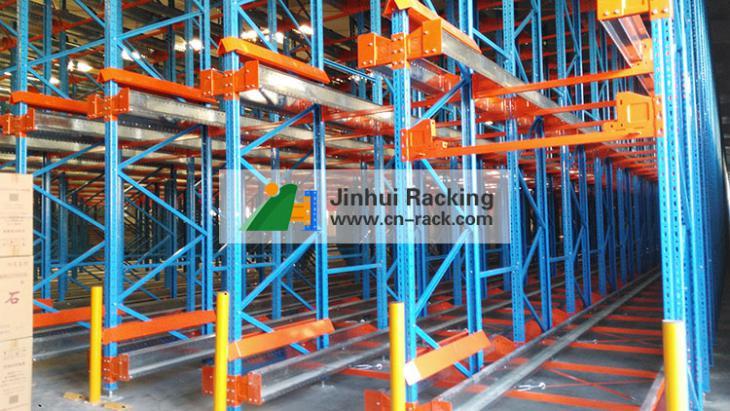
The radio control of a radio shuttle racking system is a crucial component that allows for efficient and precise operation of the shuttles within the racking structure. The signal coverage range of radio control is a vital factor that determines the flexibility and effectiveness of the entire system. As a supplier of radio shuttle racking, it is essential to understand the various aspects of this signal coverage range to provide customers with optimal solutions.
Factors Affecting Signal Coverage Range
1. Antenna Design and Placement
The antenna is the key element for transmitting and receiving radio signals in the radio shuttle racking system. Well - designed antennas can significantly enhance the signal strength and coverage. For example, omnidirectional antennas can emit signals in all directions, which is suitable for open - type warehouses. In contrast, directional antennas can focus the signal in a specific direction, which is more appropriate for long - corridor or narrow - aisle warehouses.
The placement of the antenna also plays a critical role. Placing the antenna at a higher position can generally reduce signal interference from obstacles on the ground and increase the coverage range. However, it should also be ensured that the antenna is protected from environmental factors such as dust, moisture, and mechanical damage.
2. Radio Frequency and Power
The radio frequency used in the control system affects the signal propagation characteristics. Different frequencies have different attenuation rates and penetration capabilities in the air. Lower frequencies usually have better penetration through walls and obstacles but may have a more limited data transmission rate. For radio shuttle racking, common radio frequencies are carefully selected to balance signal strength, data transfer speed, and environmental adaptability.
The output power of the radio transmitter is directly related to the signal coverage range. Higher power generally means a larger coverage area. However, in many regions, there are strict regulations on the maximum allowable power of radio transmitters to avoid interference with other radio systems. Therefore, as a radio shuttle racking supplier, we need to work within these regulations to ensure compliance while maximizing the signal range.
3. Warehouse Environment
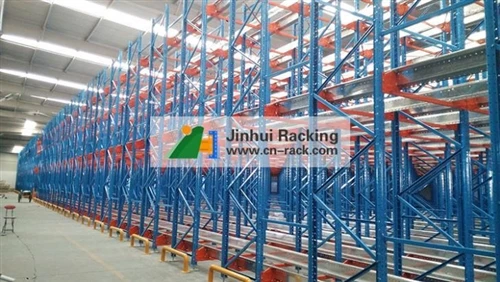
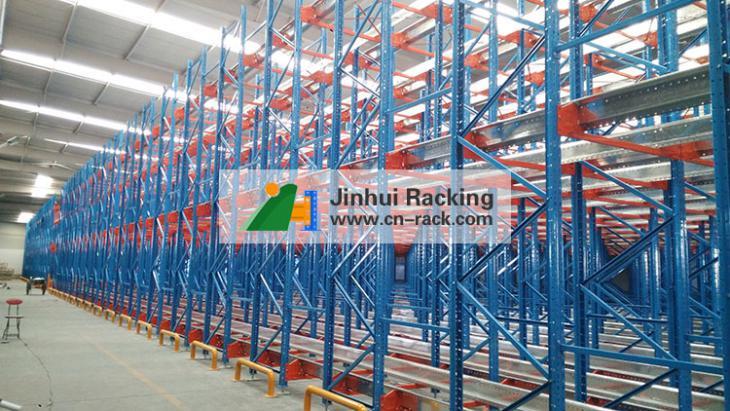
The warehouse environment has a significant impact on the signal coverage range. In a warehouse filled with metal racks, pallets, and other large - scale equipment, the radio signals may experience reflection, refraction, and diffraction. Metal objects, in particular, can cause strong signal reflections, which may lead to multi - path interference. This interference can weaken the signal strength and reduce the effective coverage range.
On the other hand, the presence of large amounts of dust, humidity, or even electromagnetic interference from other electrical equipment in the warehouse can also affect the signal quality. For instance, high humidity can absorb radio signals, causing signal attenuation.
Typical Signal Coverage Ranges
In an ideal environment with minimal interference, the signal coverage range of radio control for radio shuttle racking can reach up to several dozen meters. For small - scale warehouses, a coverage range of 10 - 20 meters may be sufficient for normal operation. In these warehouses, the shuttles usually move within a relatively confined space, and the control system can easily manage the operations within this range.
For large - scale warehouses, a signal coverage range of 30 - 50 meters or even more is often required. These warehouses may have multiple rows of racks and long corridors, and the shuttles need to travel longer distances. To achieve such a wide coverage range, advanced antenna technologies and high - power transmitters may be necessary.
Enhancing Signal Coverage
As a radio shuttle racking supplier, we offer several solutions to enhance the signal coverage range. One approach is the use of signal repeaters. Signal repeaters can receive weak signals, amplify them, and then re - transmit them, effectively extending the coverage area. They are particularly useful in large warehouses where the signal may weaken over long distances.
Another solution is to optimize the layout of the racking system and the placement of the control equipment. By carefully planning the position of the antennas and the shuttles' movement paths, we can minimize signal interference and ensure that the signals can reach all areas of the warehouse.
Applications and Benefits
The radio shuttle racking system with an appropriate signal coverage range has a wide range of applications. It is widely used in industries such as logistics, manufacturing, and e - commerce. In logistics centers, the system can efficiently handle the storage and retrieval of pallets, reducing the labor cost and improving the operation efficiency.
The benefits of a well - designed radio control signal coverage range are obvious. It allows for seamless operation of the radio shuttles, reducing the risk of signal loss and system malfunctions. This, in turn, leads to higher productivity, lower maintenance costs, and better overall performance of the warehouse storage system.
Conclusion
In conclusion, the signal coverage range of radio control in radio shuttle racking is influenced by multiple factors, including antenna design and placement, radio frequency and power, and the warehouse environment. As a [Your Company's Position] in radio shuttle racking, we understand the importance of optimizing this range to meet the specific needs of our customers.
If you are interested in our Smart Automated Warehouse Storage, Automatic Storage Radio Pallet Shuttle Racking System Manufacturer, Fifo System Shuttle Rack Radio Shuttle Manufacturer Warehouse Storage Racks Move Shuttle Pallet Rack System, Shuttle Racking High Performance Warehouse Storage Racks Radio Shuttles Assemble Logistic Equipment Shuttle Rack or Warehouse Shuttle System, please do not hesitate to contact us for further discussion and procurement negotiation. We are committed to providing you with the most suitable and efficient radio shuttle racking solutions.
References
- White, J. (2021). Radio Frequency Technology in Warehouse Automation. Journal of Warehouse Management, 15(2), 34 - 45.
- Smith, A. (2020). Optimization of Antenna Design for Radio Control Systems in Industrial Equipment. Industrial Electronics Journal, 22(3), 56 - 68.
- Brown, L. (2019). Impact of Warehouse Environment on Radio Signal Propagation. Logistics and Supply Chain Review, 12(4), 23 - 31.