
When warehouse operations teams start exploring ways to boost storage density and streamline order fulfillment, one question comes up again and again: Can heavy duty pallet racking actually work in a live-storage system? As a supplier that's spent years designing, manufacturing, and installing heavy duty storage solutions, I've had this conversation hundreds of times-and the answer isn't a simple yes or no. It depends on how you define a live-storage system, how you match racking components to your operation's needs, and how you plan for safety and efficiency every step of the way.
First, let's clear up a common misconception. Many people hear "live-storage" and immediately picture gravity-fed roller systems, carton flow racks, or push-back racking where pallets glide smoothly from loading to picking bays. Traditional heavy duty pallet racking-think upright frames, beam connectors, and wood or steel pallet supports for full-size pallets-isn't typically the first system that comes to mind. But that doesn't mean they're incompatible. In fact, there are tailored configurations of heavy duty pallet racking that work seamlessly in live-storage setups, especially for operations handling high-volume, heavy SKUs that don't fit into lighter, more flexible systems.
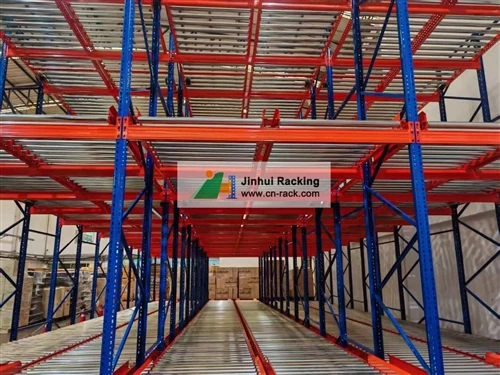
Let's start with what makes a system "live-storage." At its core, a live-storage system is one where pallets move automatically through the rack from the load end to the pick end, driven by gravity, spring mechanisms, or other force, without manual handling. For heavy duty pallet racking to adapt to this, you don't have to completely overhaul your existing setup-you just need to choose the right type of racking and modify it to fit. For example, teardrop pallet rack, a workhorse for industrial warehouses, can be adjusted to support live-storage components when configured correctly. Unlike bolted racking, teardrop racks use a pressed-teardrop hole pattern on upright frames that lets beams slide into place and lock securely; this design makes it easy to add wheeled pallets or roller tracks that create a live flow. We've installed dozens of these setups for clients in beverage distribution and heavy machinery parts storage, where pallets weigh 2,000 to 5,000 pounds each and speed of rotation matters more than flexible slotting. You can learn more about how this works by checking out our page on teardrop pallet rack, where we break down the weight capacities and modification options for live-storage applications.
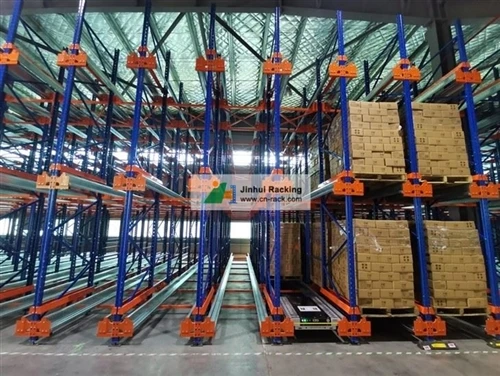
Another key point is capacity. Heavy duty pallet racking is built to handle more weight per pallet than many live-storage alternatives-something that's non-negotiable for operations storing large, dense items like steel components, construction materials, or full truckload shipments of canned goods. Basic gravity-flow carton systems are designed for individual cases, not full pallets, so they can't handle the 3,000-pound plus loads common in heavy duty storage. That's why many clients turn to our powerful capacity forklift-compatible heavy duty pallet racking system when building live-storage areas. These systems are engineered with reinforced uprights and beams that support heavy pallets, while the live-storage modifications (like roller beds) let pallets move forward as picks happen, eliminating the need for operators to manually pull pallets from the back of static racks. It's a middle ground that gives you the density benefits of live-storage without sacrificing the strength you need for heavy loads.
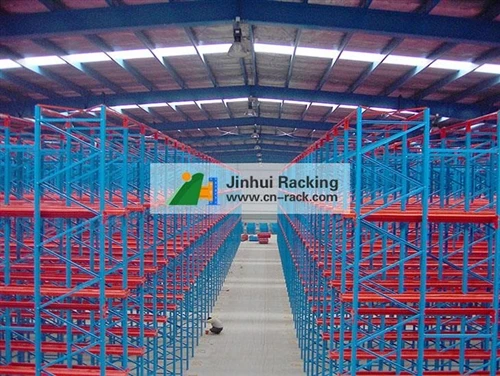
But it's not just about strength-efficiency and accessibility matter too. For live-storage to work, pallets need to be positioned so that the last-in, first-out (LIFO) or first-in, first-out (FIFO) flow is consistent, and forklift operators can move pallets quickly without damaging racking or products. That's where industrial draw-out racking comes into play, a type of heavy duty storage solution that's perfect for live-storage setups where you need to access pallets from the front. Instead of pallets sitting deep in a rack bay, draw-out racks pull out like drawers, so you can load pallets on the back end and pull them forward for picking-all within the same heavy duty frame. This is a great option for smaller warehouses or areas with limited space, because it combines live-storage flow with the open access of standard pallet racking. Our warehouse steel storage draw-out racking and shelving page has specific details on load limits and installation for these systems, which we've used to help clients reduce order picking time by 25% in live-storage zones.
Of course, there are limits to what heavy duty pallet racking can do in a live-storage system. It's not the right fit for every operation. If your inventory has a wide range of pallet sizes, or if you need to switch SKUs in and out of slots frequently, a standard heavy duty pallet racking live-storage setup might not be flexible enough. Live-storage systems, by nature, work best for fast-moving, consistent SKUs-so if you're handling long-tail inventory that only moves a few times a month, static racking might be more cost-effective. Also, heavy live loads can put extra stress on rack components, so you can't cut corners on installation. That's why working with a supplier that offers custom pallet racking is so important when building a live-storage area. Custom racks let you adjust beam spacing, upright heights, and weight limits to match your specific inventory, so you avoid overloading or underutilizing your space. We've designed custom live-storage setups for clients with unique pallet sizes-like 48"x48" pallets for automotive parts and 60"x60" pallets for industrial chemicals-by modifying heavy duty racking to fit each load, ensuring flow works without compromising safety.
Safety is another critical factor that many operations overlook when combining heavy duty pallet racking and live-storage. When pallets move on rollers or wheels, there's a risk of pallets moving too fast, falling off the rack, or colliding with other pallets. Heavy duty racking frames are built to support vertical loads, but they're not always designed for the horizontal force of moving pallets. That's why our engineering team works closely with each client to calculate dynamic loads-forces from moving pallets, forklift impacts, and vibration from equipment-to make sure the racking is reinforced accordingly. For example, we add additional diagonal braces to uprights in live-storage zones, and we install pallet stops to prevent pallets from sliding off the load end. We also train clients on proper forklift operation for live-storage areas, since operators need to drive straight into load bays to avoid damaging racking and pallets.
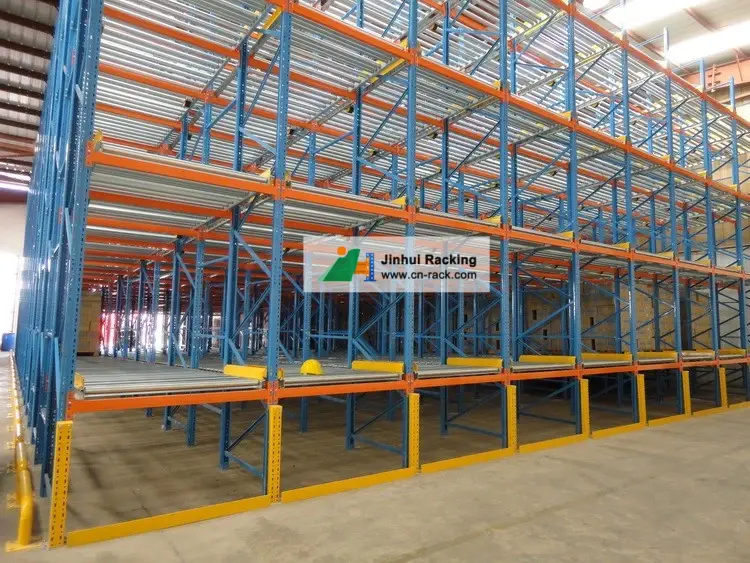
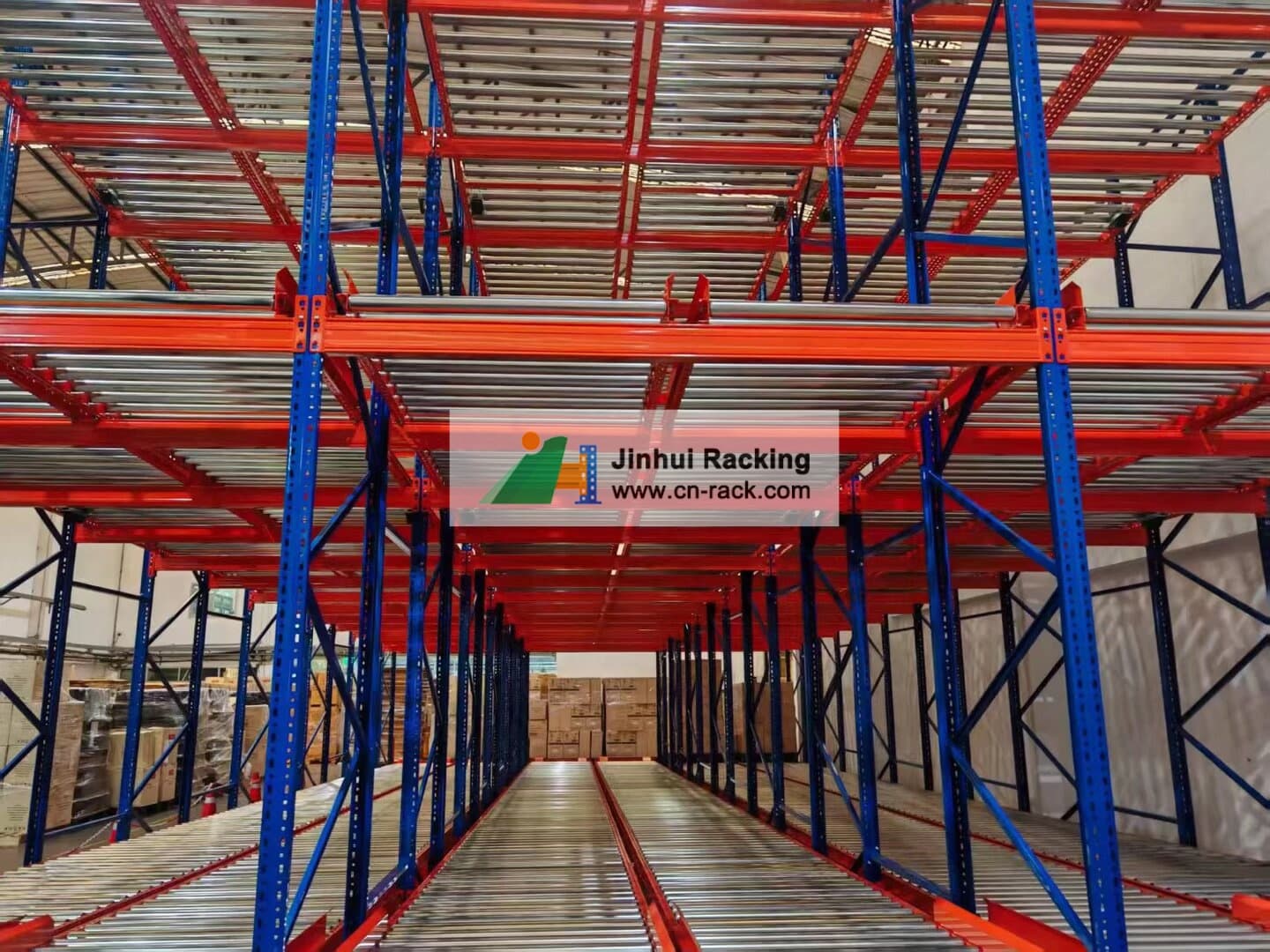
Let me share a real example to put this into context. A few months ago, we worked with a mid-sized manufacturing company that stored steel brackets and hardware in 3,000-pound pallets. Their old setup was static heavy duty pallet racking, where operators had to climb onto pallets to access deep loads, leading to 10+ minutes per order and frequent safety incidents. They wanted to switch to live-storage but were worried that standard gravity flow systems couldn't handle their heavy loads. We designed a live-storage system using heavy duty pallet racking with reinforced beams and wheeled pallet supports, which let pallets flow forward on gravity. They installed 12 bays, each holding 10 pallets, and saw their order picking time drop to 3 minutes per order, with zero safety incidents in the first six months. This setup worked because it matched the strength of heavy duty racking with the flow of live-storage, tailored to their specific inventory needs.
Another common question: How does heavy duty pallet racking in live-storage compare to dedicated live-storage systems like push-back or pallet flow? Dedicated live-storage systems have their place-they're great for high-density storage of very fast-moving SKUs, and they can handle lighter loads more efficiently. But for heavy, irregular pallets, heavy duty pallet racking is often more cost-effective and easier to modify. Push-back systems, for example, use carts that ride on tracks, which can be damaged by heavy loads or uneven pallet bases. Heavy duty pallet racking, on the other hand, is built to withstand rough handling, so it's more durable for operations with less-than-perfect pallet conditions. Jinhui heavy duty shelves industrial steel rack warehouse pallet racking for medium weight (which can be modified for live-storage) is a great middle option for operations that aren't dealing with the heaviest loads but still need more strength than standard light-duty systems.
So, to circle back to the original question: Can heavy duty pallet racking be used in a live-storage system? The answer is a resounding yes-when you choose the right configuration, customize it to your inventory, and prioritize safety. It's not a one-size-fits-all solution, but it's a versatile option that can give you the density, efficiency, and strength you need without the high cost of a full dedicated live-storage overhaul. The key is to partner with a supplier that understands both heavy duty racking and live-storage design, so you can avoid common mistakes like under-sizing components or neglecting dynamic load calculations.
If you're thinking about integrating heavy duty pallet racking into a live-storage area, don't hesitate to reach out. Our team has years of experience designing and installing these systems, and we can help you assess your space, inventory, and needs to find the right solution. Whether you're looking to modify existing racking or build a custom setup from scratch, we have the expertise to make it work. We don't just sell racking-we work with you every step of the way, from initial design to post-installation support, to make sure your live-storage system is safe, efficient, and built to last.
When considering how to enhance your warehouse storage, it's important to rely on proven designs and engineering. (References: 1) Industrial Rack Manufacturers Association. "Heavy Duty Storage Solutions for Dynamic Warehouse Operations." 2) Material Handling Industry Association. "Live Storage vs. Static Racking: Performance and Safety Considerations." 3) Internal engineering reports for custom pallet rack live-storage installations, 2021–2024. 4) Warehouse Safety Alliance. "Best Practices for Racking System Modifications and Dynamic Load Management.")