
In the fast - paced world of logistics and warehousing, the efficient use of space is paramount. Multi - level warehouses have emerged as a popular solution to maximize storage capacity in limited land areas. At the same time, heavy duty pallet racking is well - known for its ability to support large loads and heavy pallets. As a heavy duty pallet racking supplier, I often get asked whether heavy duty pallet racking can be effectively used in a multi - level warehouse. In this blog, I will explore this topic in detail.
Understanding Heavy Duty Pallet Racking
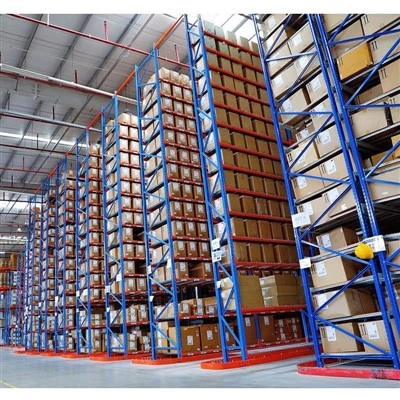
Heavy duty pallet racking is a robust storage system designed to handle large and heavy items. It consists of vertical frames and horizontal beams, which form a structure where pallets can be placed. There are various types of heavy duty pallet racking, such as Teardrop Pallet Rack, which gets its name from the unique teardrop - shaped holes on the upright frames, allowing for easy beam adjustment.
These racking systems are built to withstand significant weight. They can support pallets stacked with products ranging from industrial equipment to large quantities of consumer goods. The high - strength steel construction ensures the durability and longevity of the racks, even under heavy loads.
One of the key advantages of heavy duty pallet racking is its flexibility. It can be installed in different configurations, such as single - deep or double - deep, depending on the specific requirements of the warehouse. This adaptability makes it a popular choice for a wide range of industries.
The Characteristics of Multi - Level Warehouses
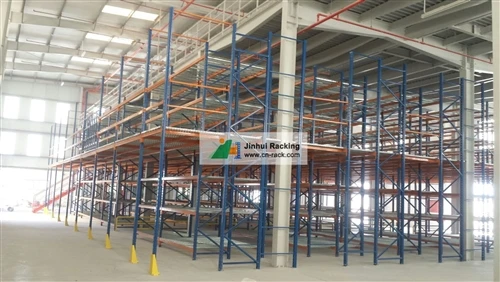
Multi - level warehouses are multi - story structures that provide additional storage space by utilizing vertical height. They are typically equipped with elevators, conveyor systems, or other material handling equipment to move goods between different levels.
The design of multi - level warehouses requires careful consideration of various factors, including the weight capacity of each floor, the flow of goods, and the efficiency of material handling. Unlike single - level warehouses, multi - level warehouses need to balance the distribution of weight across different floors to ensure the structural integrity of the building.
These warehouses are often used in urban areas where land is scarce and expensive. They offer a practical solution for businesses that need to store a large volume of goods in a limited space.
Suitability of Heavy Duty Pallet Racking in Multi - Level Warehouses
Advantages
- Maximizing Storage Space
- In a multi - level warehouse, heavy duty pallet racking can be installed on each floor to make the most of the available vertical and horizontal space. By stacking pallets on the racks, businesses can increase their storage capacity significantly. For example, a well - designed heavy duty pallet racking system can allow for the storage of up to six or more pallets high, utilizing the full height of each floor.
- Supporting Heavy Loads
- Many industries that use multi - level warehouses deal with heavy and bulky items. Heavy duty pallet racking is specifically designed to support these loads. For instance, in the automotive industry, which may store engine parts or large vehicle components in a multi - level warehouse, heavy duty pallet racking can safely hold these heavy items without the risk of rack collapse.
- Compatibility with Material Handling Equipment
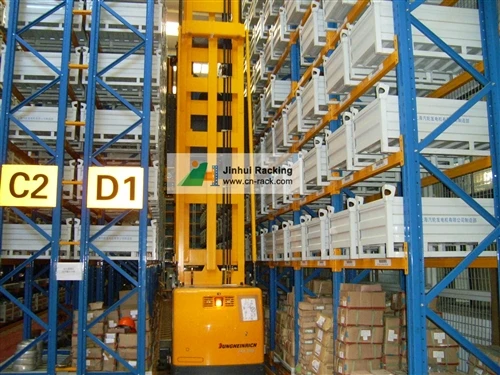
- Most multi - level warehouses use forklifts or other material handling equipment to move pallets in and out of the storage areas. Heavy duty pallet racking is fully compatible with these types of equipment. Forklifts can easily access the pallets stored on the racks, ensuring efficient loading and unloading operations.
Challenges and Considerations
- Floor Load Capacity
- One of the main challenges when using heavy duty pallet racking in a multi - level warehouse is the floor load capacity. Each floor of the warehouse has a maximum weight limit that it can support. Before installing heavy duty pallet racking, it is crucial to conduct a detailed analysis of the floor load capacity. If the weight of the loaded racks exceeds the floor's capacity, it can lead to structural damage to the building.
- Fire Safety
- Multi - level warehouses have more complex fire safety requirements compared to single - level warehouses. Heavy duty pallet racking can potentially obstruct fire sprinkler systems if not installed correctly. It is necessary to ensure that there is adequate clearance between the racks and the sprinkler heads and that the racking layout does not impede the flow of fire - fighting equipment or evacuation routes.
- Installation and Maintenance
- Installing heavy duty pallet racking in a multi - level warehouse requires careful planning and precision. The racks need to be level and properly secured to the floor to ensure stability. Additionally, regular maintenance is essential to check for any signs of wear and tear, especially in a multi - level environment where the racks may be subject to more vibrations due to the operation of material handling equipment between floors.


Solutions to Address the Challenges
- Floor Load Capacity Planning
- Work with a structural engineer to assess the floor load capacity of each level in the multi - level warehouse. Based on the engineer's recommendations, adjust the design of the heavy duty pallet racking system. For example, if the floor capacity is limited, use a lighter - duty version of the racking or reduce the height of the pallet stacking.
- Fire Safety Measures
- Consult with fire safety experts during the design and installation of the heavy duty pallet racking. Ensure that the racks are installed in accordance with fire safety codes. This may include leaving sufficient aisle space and installing fire - resistant coatings on the racks in high - risk areas.
- Professional Installation and Maintenance
- Hire experienced installers who are familiar with the unique requirements of multi - level warehouses. They can ensure that the heavy duty pallet racking is installed correctly and safely. Additionally, establish a regular maintenance schedule to inspect the racks for any damage or loose connections.
Our Product Offerings for Multi - Level Warehouses
As a heavy duty pallet racking supplier, we offer a variety of products suitable for multi - level warehouses. Our Powerful Capacity Use forklift Warehouse Storage Heavy Duty Pallet Racking System is designed to handle large loads and is compatible with forklift operations commonly used in multi - level environments.
We also provide Custom Pallet Racking solutions. Our team of experts can work with you to design a racking system that meets the specific requirements of your multi - level warehouse, taking into account factors such as floor load capacity, aisle space, and material handling equipment.
In addition, our Static Pallet Racking is a reliable option for multi - level warehouses. It offers stable storage for pallets and can be easily integrated into the existing layout of the warehouse. And for storing special items, our Heavy Duty Storage Drawer Racking Industrial Mold Rack System provides a secure and organized storage solution, which can be a great addition to a multi - level warehouse setup.
Conclusion
In conclusion, heavy duty pallet racking can indeed be used in a multi - level warehouse, but it requires careful planning and consideration. The benefits of maximizing storage space, supporting heavy loads, and compatibility with material handling equipment make it a viable option. However, challenges such as floor load capacity, fire safety, and installation and maintenance need to be addressed.
If you are considering using heavy duty pallet racking in your multi - level warehouse, we are here to help. Our team of experts can provide you with professional advice and customized solutions to ensure the success of your storage project. Contact us for a detailed consultation and to discuss your procurement needs.
References
- "Warehouse Design and Operations" by John T. Blackburn.
- "Industrial Storage Systems: Design and Applications" by Richard Muther.