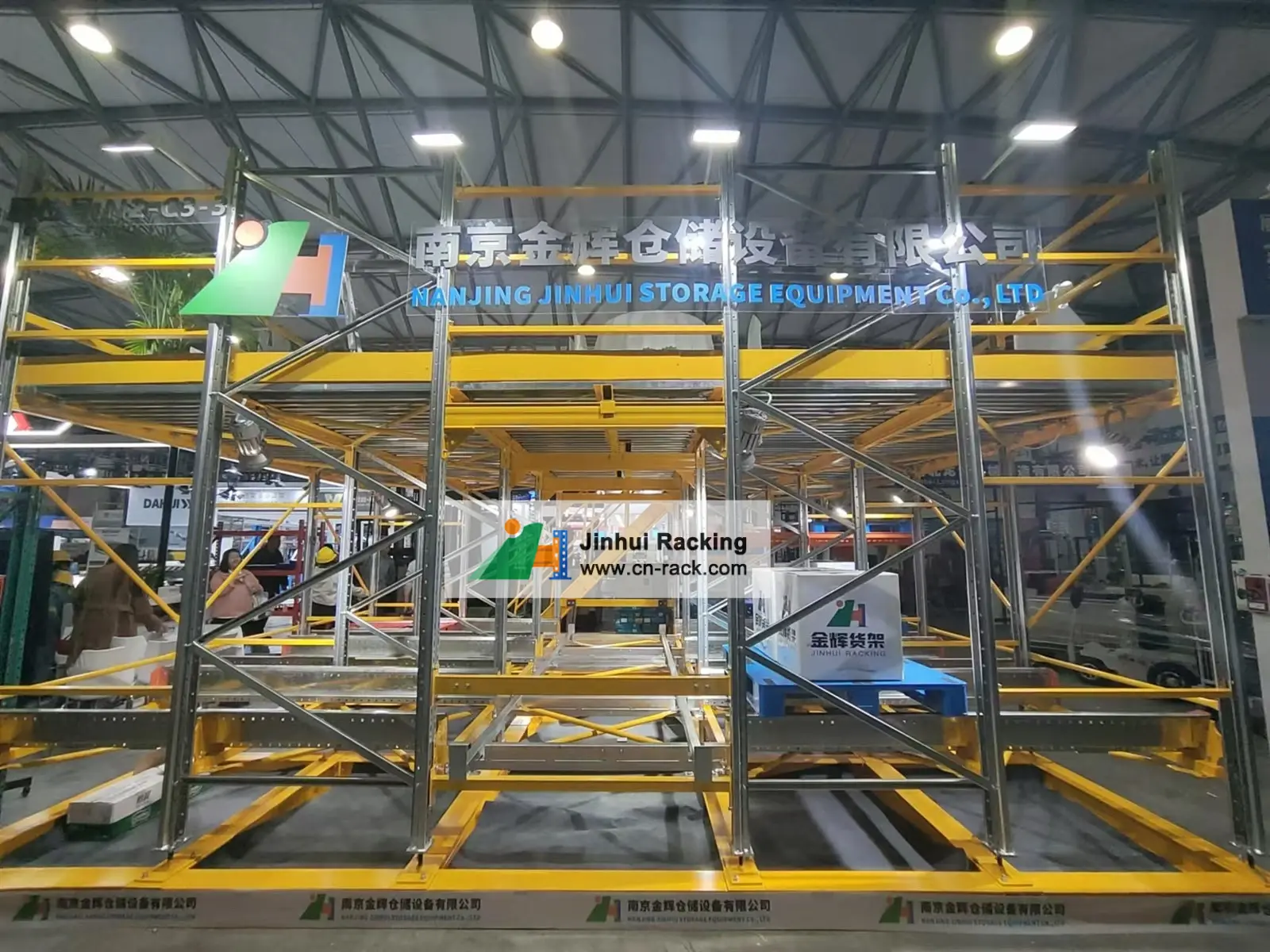

As a mezzanine supplier, I'm often asked about how mezzanines work. It's a question that delves into the heart of what mezzanines are and how they can transform spaces. In this blog, I'll break down the mechanics of mezzanines, exploring their structure, functionality, and the benefits they offer.
Understanding the Basics of Mezzanines
A mezzanine is an intermediate floor between two main floors of a building. It's a cost - effective way to add additional space without the need for significant new construction, which would be time - consuming and expensive. Mezzanines come in various types, including Steel Mezzanine Floor Rack, Loft Platforms, and Supply of Heavy Duty Steel Structure Mezzanine Floor with Multi Layer Racking.
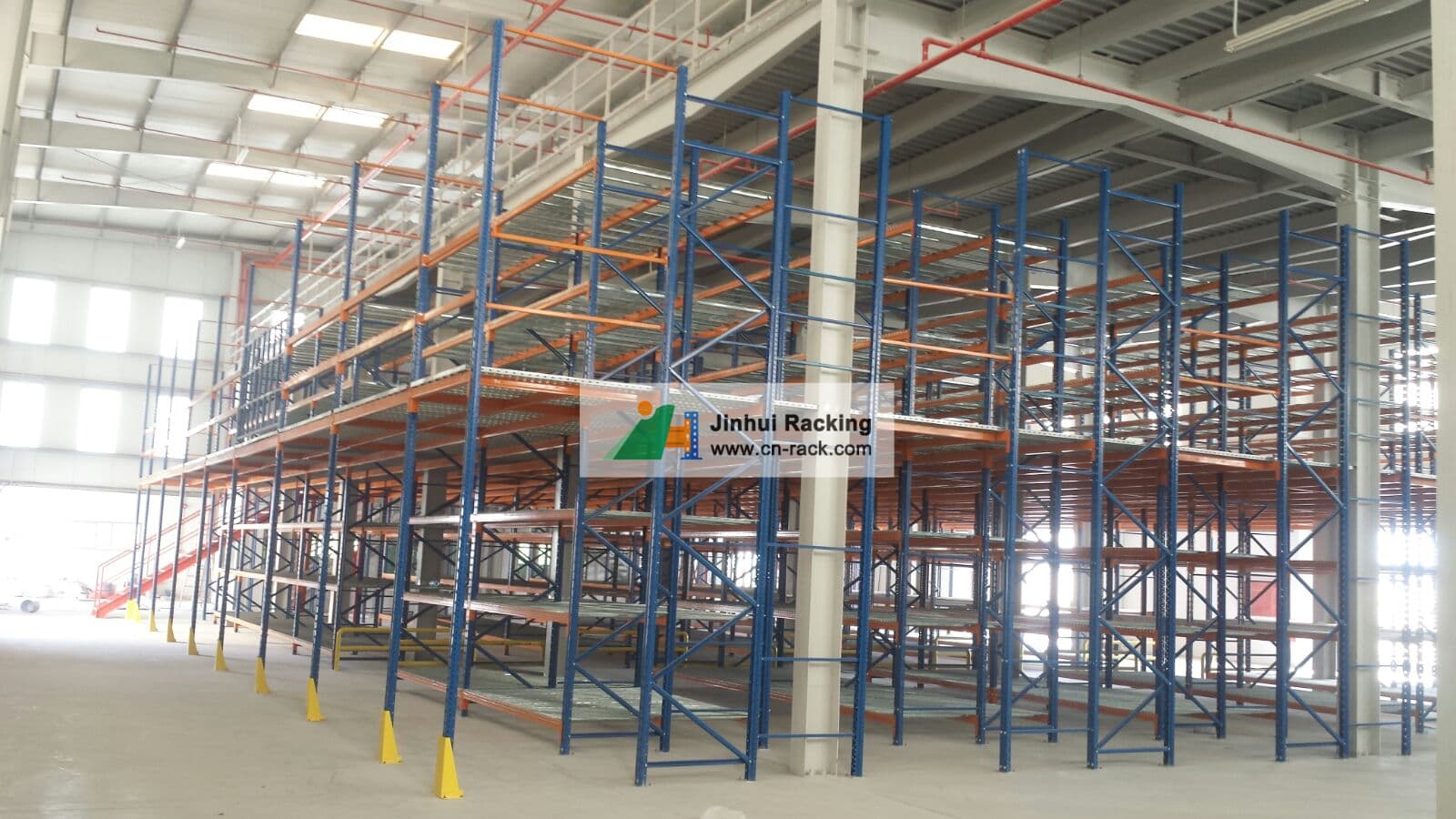
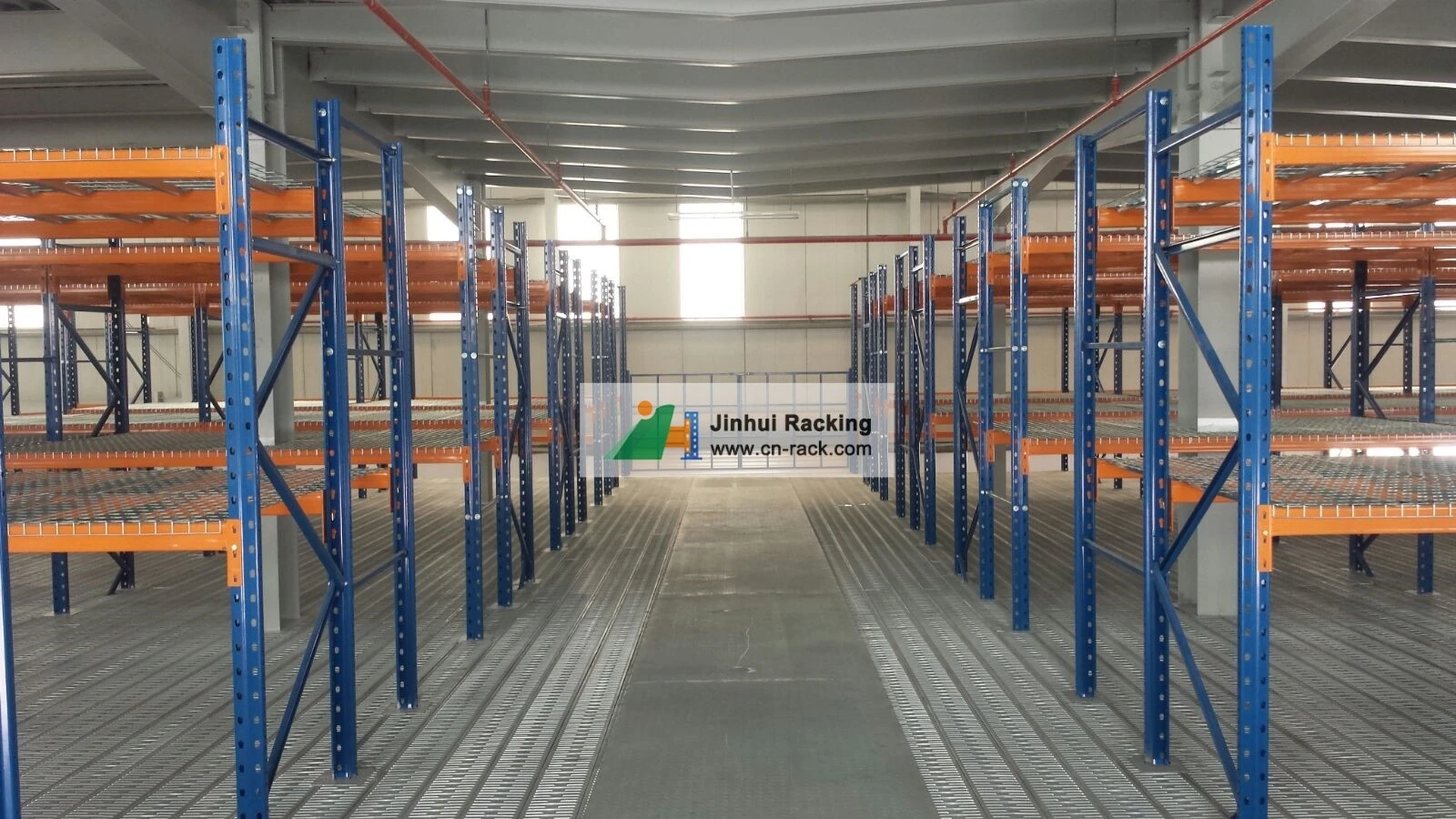
The primary components of a typical mezzanine include columns, beams, and floor decks. The columns are the vertical supports that transfer the weight of the mezzanine and its contents to the building's foundation. These columns are strategically placed to ensure even distribution of the load. Beams, on the other hand, are the horizontal members that connect the columns. They provide the framework on which the floor deck is installed. The floor deck is the surface area of the mezzanine where people can walk, store goods, or perform other activities.
How Mezzanines Are Constructed
The construction of a mezzanine begins with a detailed site assessment. Our team of experts will visit the location where the mezzanine will be installed. We measure the available space, evaluate the existing building structure, and determine the load - bearing capacity of the floor. This step is crucial because it ensures that the mezzanine is designed to fit the specific requirements of the site and can safely support the intended use.
Once the site assessment is complete, we move on to the design phase. Using advanced software, we create detailed blueprints of the mezzanine. The design takes into account factors such as the height of the space, the type of activities that will take place on the mezzanine, and the weight of the equipment and goods that will be stored there. We also consider any local building codes and regulations to ensure compliance.
After the design is finalized, the manufacturing process begins. We use high - quality materials, typically steel, to fabricate the components of the mezzanine. Steel is a popular choice due to its strength, durability, and versatility. The components are precision - cut and welded to ensure a perfect fit. Once the components are ready, they are transported to the installation site.
Installation is a carefully orchestrated process. Our experienced installation team arrives at the site with all the necessary equipment and materials. First, they level the floor to ensure a stable base for the mezzanine. Then, they install the columns and secure them firmly to the floor. Next, the beams are connected to the columns, creating the framework. Finally, the floor deck is laid and fastened to the beams. Additional features such as handrails and stairs are also installed to ensure safety.
Functionality of Mezzanines
Mezzanines offer a wide range of functionality, making them suitable for various industries. In warehousing and logistics, mezzanines are used to increase storage space. Mezzanine Storage System can be customized with different types of shelving and racking to accommodate a variety of goods. This allows businesses to store more inventory in the same footprint, reducing the need for off - site storage.
In manufacturing facilities, mezzanines can serve as additional workspaces. They can be used for assembly lines, quality control stations, or as offices for supervisors. The ability to add workspaces without expanding the building footprint means that manufacturers can increase production capacity without major capital expenditures.
Retail stores can also benefit from mezzanines. They can be used to create additional display areas, stockrooms, or customer lounges. This helps to optimize the use of space and enhance the overall shopping experience for customers.
Benefits of Mezzanines
One of the key benefits of mezzanines is the cost - effectiveness. Compared to building a new wing or an entirely new building, installing a mezzanine is a fraction of the cost. There are no significant excavation or foundation work required, and the installation process is relatively quick. This means that businesses can start using the additional space in a short period of time, generating a faster return on investment.
Another advantage is the flexibility. Mezzanines can be easily customized to meet the specific needs of a business. They can be designed with different layouts, sizes, and load - bearing capacities. If a business's needs change in the future, the mezzanine can be modified or expanded without much difficulty.
Mezzanines also have a minimal impact on the existing building's operations. Since the installation process is relatively quick and does not require major disruptions, businesses can continue their normal activities during the construction. This is especially important for industries where downtime can result in significant losses.
Safety Considerations
Safety is of utmost importance when it comes to mezzanines. As a Heavy Duty Steel Structure Platform and Mezzanine Floor Suppliers, we ensure that all our mezzanines meet or exceed industry safety standards. Handrails are installed around the perimeter of the mezzanine to prevent falls. Non - slip floor decks are used to reduce the risk of slips and falls. Stairs and ladders are designed with proper treads, risers, and handrails to provide safe access to the mezzanine.
In addition, we also conduct regular inspections of the mezzanines to ensure their continued safety. Any signs of wear and tear, such as loose bolts or damaged beams, are immediately addressed.
Maintenance of Mezzanines
Maintaining a mezzanine is relatively straightforward. Regular visual inspections should be carried out to check for any signs of damage, such as rust, cracks, or loose connections. The floor decks should be kept clean to prevent the accumulation of debris, which can pose a safety hazard. Any spills or leaks should be cleaned up promptly to avoid corrosion.
The structural components of the mezzanine, such as the columns and beams, should be checked for any signs of deformation or excessive wear. If any issues are detected during the inspection, appropriate repairs or replacements should be carried out as soon as possible.
Conclusion
Mezzanines are a highly effective solution for adding additional space in a cost - efficient and flexible manner. From their construction process to their functionality, benefits, safety features, and maintenance, there are many aspects to consider when using a mezzanine. At our company, we have the expertise and experience to provide high - quality mezzanine solutions tailored to your specific needs. Whether you're in the warehousing, manufacturing, or retail industry, a mezzanine can transform your space and help you grow your business.
If you're interested in learning more about our mezzanine products or would like to discuss a potential project, we encourage you to reach out. Our team of professionals is ready to answer your questions and guide you through the process. Contact us today to start exploring the possibilities of a mezzanine for your business.
References
- Albano, R., & Nistically, M. (2019). Steel Structures: Design and Practice. Elsevier.
- Some other industry - specific guidelines and research materials related to mezzanine construction and safety.