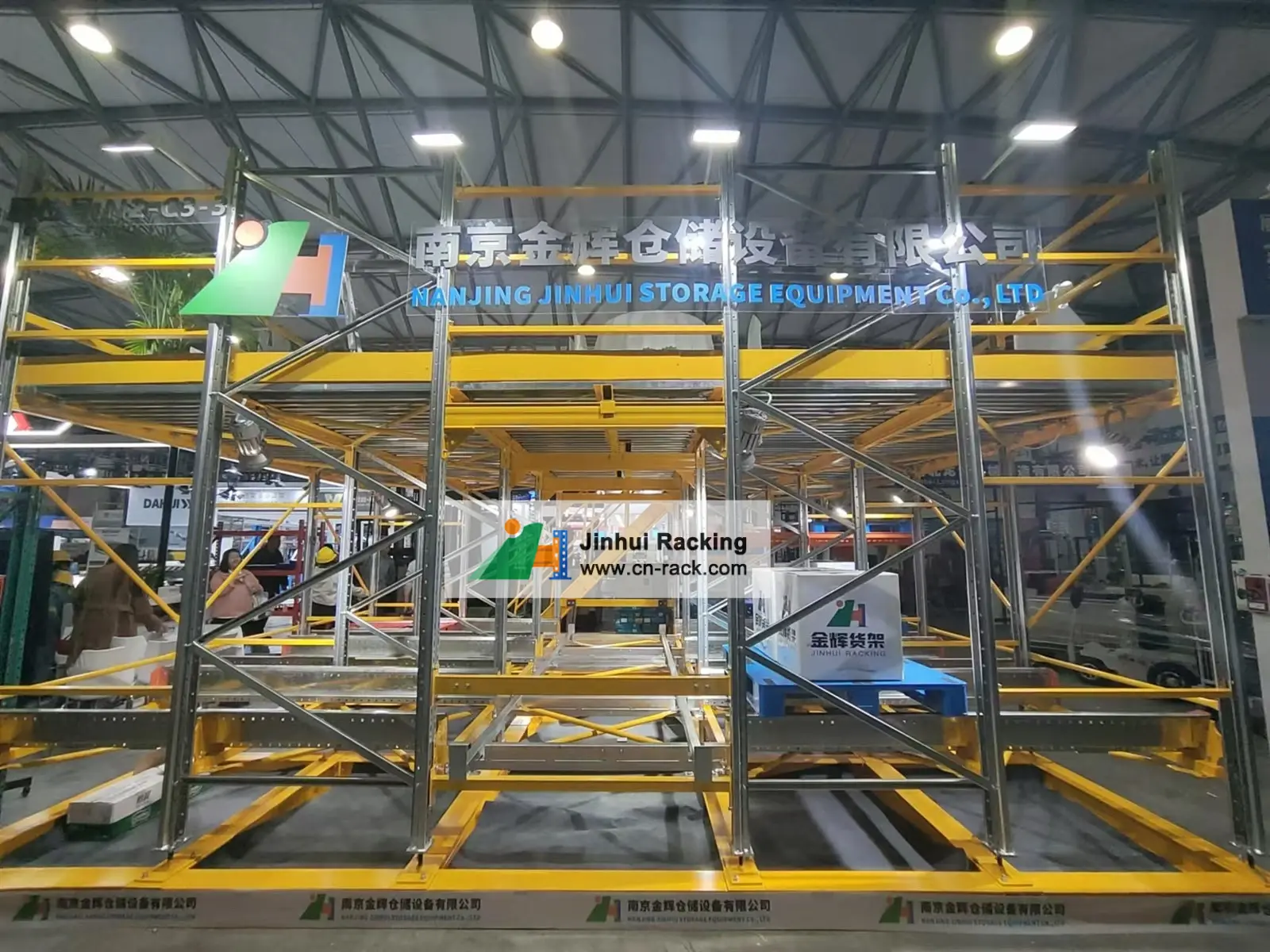

Designing a drive through racking system is a meticulous process that demands careful consideration of various factors to ensure optimal functionality, safety, and cost - effectiveness. As a drive through racking supplier, I have witnessed firsthand the importance of a well - designed system in a wide range of industrial and commercial settings.
Understanding Drive Through Racking Systems
Drive through racking systems are high - density storage solutions. Unlike traditional pallet racking systems, drive through racking allows forklifts to drive directly into the rack structure to access pallets. This feature enables a significantly higher storage capacity as it eliminates the need for multiple wide aisles. The goods are stored in a first - in, last - out (FILO) manner in most cases. These racking systems are especially suitable for warehouses with large quantities of the same product, such as cold rooms and processing industries. For more information on a Warehouse Drive in Pallet Racking System for Cold Room and Processing Industrial, you can visit our website.
Initial Planning
The first step in designing a drive through racking system is to conduct a comprehensive assessment of the warehouse space. This includes measuring the dimensions of the warehouse, such as length, width, and height. The height is particularly crucial as it determines the number of levels the racking system can have. You also need to take into account any existing structures, columns, or obstacles within the warehouse that may affect the installation of the racking.
The next aspect of initial planning is to understand the type and quantity of products to be stored. Determine the size, weight, and shape of the pallets. For example, if you are storing large, heavy pallets, the racking system will need to be designed with stronger beams and uprights. Analyzing the inventory turnover rate is also essential. If the inventory turnover is high, you may need to design the system to allow for easier access to pallets.
Structural Design
The structural design of a drive through racking system is of utmost importance for safety and durability. The upright frames are the vertical components that support the entire system. They should be made of high - quality steel to withstand the weight of the pallets and the impact from forklifts. The selection of the right gauge of steel is based on the load requirements.
Beams are used to support the pallets horizontally. The spacing between beams should be carefully calculated to accommodate the size of the pallets. Additionally, the connection between the beams and the uprights must be secure. There are different types of beam - to - upright connections, such as bolted connections and clip - on connections. Bolted connections are generally stronger and more suitable for heavy - duty applications.
The depth of the drive through racking system is another critical design factor. A deeper system can store more pallets but may make it more difficult for forklifts to access the inner pallets. It is necessary to find a balance between storage density and accessibility. A rule of thumb is to limit the depth to around 6 - 8 pallets deep for optimal performance.
Safety Considerations
Safety is a top priority when designing a drive through racking system. One of the key safety features is the installation of anchor bolts to secure the upright frames to the warehouse floor. This prevents the racking from tipping over, especially during forklift operations.
Impact - resistant guards should be installed at the end of the aisles and along the edges of the racking to protect the structure from forklift collisions. These guards can be made of steel or other durable materials.
Visibility is also important for safety. Adequate lighting should be provided inside the drive through aisles to ensure that forklift operators can clearly see the pallets and navigate safely. Additionally, clear signage should be installed to indicate the direction of travel, maximum load limits, and safety instructions.
Compatibility with Equipment
The drive through racking system must be compatible with the forklift equipment that will be used in the warehouse. Consider the turning radius of the forklifts, as well as their lifting height and capacity. The aisles should be wide enough to allow the forklifts to enter and exit the racking without difficulty.
For narrow - aisle forklifts, the design of the racking system can be more compact, as these forklifts have a smaller turning radius. However, if conventional counterbalance forklifts are used, wider aisles may be required.


Cost - Benefit Analysis
When designing a drive through racking system, it is essential to conduct a cost - benefit analysis. The initial cost of the racking system includes the cost of materials, installation, and any additional safety features. However, the long - term benefits, such as increased storage capacity, reduced labor costs, and improved inventory management, should also be considered.
Compare different suppliers and their quotes to ensure that you are getting the best value for your money. But remember, the cheapest option is not always the best. Quality and durability should be the primary considerations.
Installation and Maintenance
Proper installation is crucial for the functionality and safety of the drive through racking system. Hire experienced and certified installers to ensure that the racking is installed correctly according to the design specifications.
Regular maintenance is also necessary to keep the racking system in good condition. Inspect the racking regularly for any signs of damage, such as bent beams or loose connections. Replace any damaged components promptly to prevent further damage and ensure the safety of the warehouse operations.
Consultation and Customization
As a drive through racking supplier, we offer professional consultation services. Our team of experts can visit your warehouse, analyze your specific needs, and provide customized design solutions. We understand that every warehouse is unique, and a one - size - fits - all approach does not work. Whether you need a Drive - In / Drive - Through Racking system for a small - scale operation or a large - scale industrial warehouse, we can design a system that meets your requirements.
Conclusion
Designing a drive through racking system is a complex but rewarding process. By carefully considering all the aspects mentioned above, you can create a storage solution that maximizes space utilization, improves efficiency, and enhances safety. If you are interested in purchasing a drive through racking system or need more information, please feel free to contact us. Our team is ready to assist you in every step of the process, from design to installation and maintenance.
References
- Warehouse Storage Equipment Handbook.
- Industrial Racking Design Standards.
- Forklift Operation and Safety Guidelines.