


In the dynamic landscape of modern warehousing and logistics, the 4 Way Shuttle System stands out as a revolutionary solution, offering unparalleled efficiency, flexibility, and space utilization. As a leading supplier of 4 Way Shuttle Systems, I understand the importance of maintaining these sophisticated machines to ensure optimal performance and longevity. In this blog post, I will share some practical tips and best practices on how to maintain a 4 Way Shuttle System effectively.
Understanding the 4 Way Shuttle System
Before delving into maintenance, it's crucial to have a basic understanding of how a 4 Way Shuttle System works. A 4 Way Shuttle is an automated storage and retrieval device that can move horizontally and vertically within a racking system, allowing for efficient access to goods stored in multiple levels and aisles. This system consists of several components, including shuttles, racks, conveyors, and control systems, each playing a vital role in its overall functionality.
Regular Inspections
Regular inspections are the cornerstone of any maintenance program. By conducting routine checks, you can identify potential issues early on and take proactive measures to prevent breakdowns and costly repairs. Here are some key areas to focus on during inspections:
- Mechanical Components: Inspect the shuttle's wheels, bearings, chains, and gears for signs of wear and tear. Lubricate moving parts as recommended by the manufacturer to ensure smooth operation. Check for any loose or damaged bolts and nuts and tighten or replace them as needed.
- Electrical Components: Examine the wiring, connectors, and sensors for any signs of damage or corrosion. Test the electrical systems to ensure proper functionality. Check the battery levels and charging systems regularly to avoid unexpected downtime.
- Racking System: Inspect the racks for any signs of damage, such as bent or broken beams, columns, or connectors. Ensure that the racks are properly aligned and leveled to prevent the shuttle from derailing or getting stuck. Check the safety features, such as anti - collision devices and emergency stop buttons, to make sure they are working correctly.
- Conveyor Systems: If your 4 Way Shuttle System is integrated with conveyors, inspect the conveyor belts, rollers, and motors for any signs of wear or damage. Check the alignment and tension of the belts and adjust them as necessary. Clean the conveyor systems regularly to prevent the accumulation of dust and debris.
Cleaning and Lubrication
Keeping the 4 Way Shuttle System clean is essential for its proper functioning. Dust, dirt, and debris can accumulate on the mechanical and electrical components, causing friction, overheating, and premature wear. Here are some cleaning and lubrication tips:
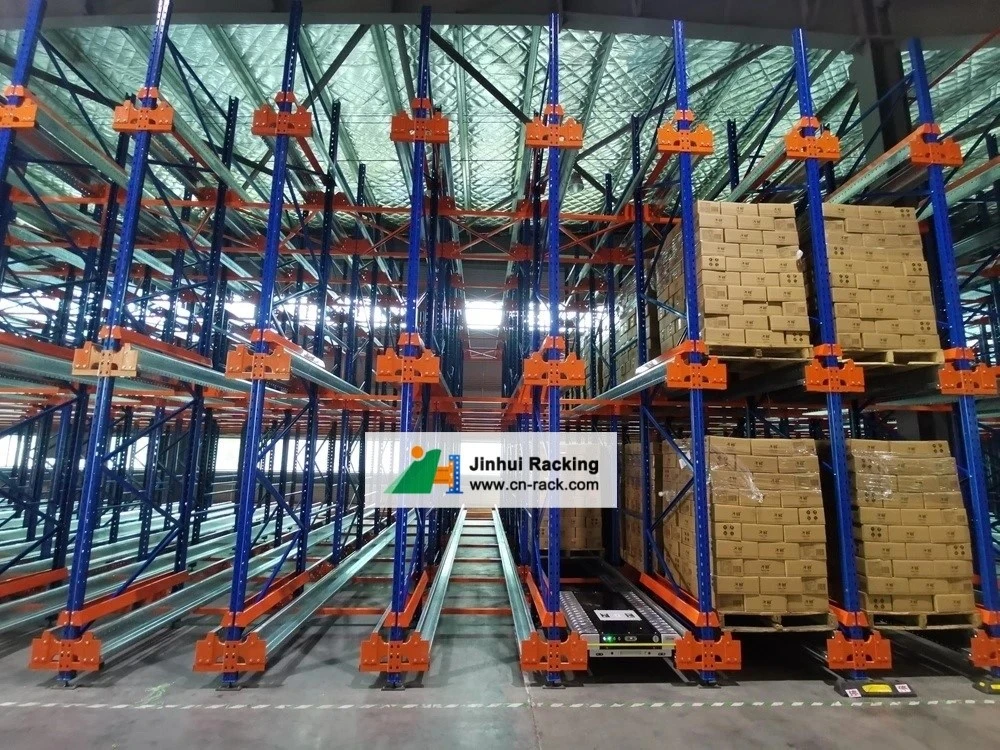
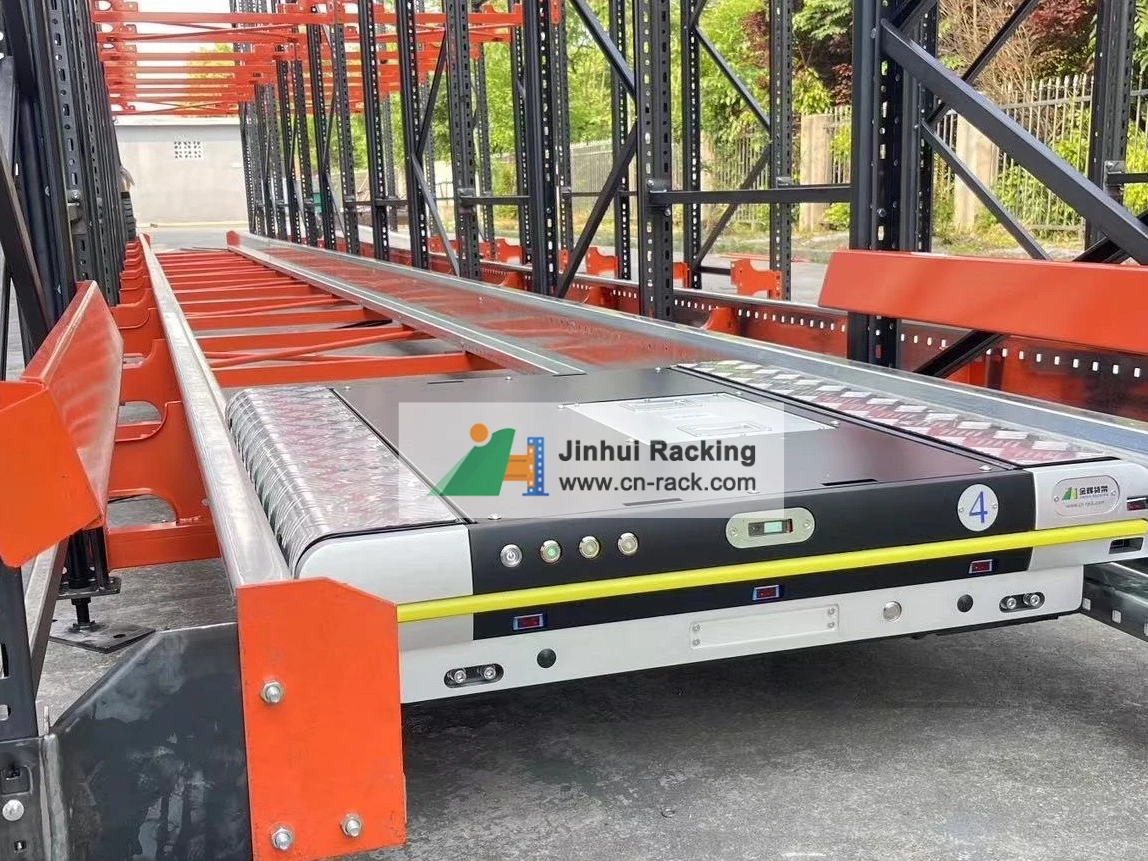
- Regular Cleaning: Use a soft brush or compressed air to remove dust and debris from the shuttle, racks, and conveyors. Wipe down the surfaces with a clean, dry cloth to prevent scratching. Avoid using harsh chemicals or abrasive cleaners that can damage the components.
- Lubrication: Follow the manufacturer's recommendations for lubricating the moving parts of the shuttle and other components. Use the appropriate lubricants to ensure smooth operation and reduce friction. Over - lubrication can attract dust and debris, so apply the lubricant sparingly.
Software and Control System Maintenance
The software and control systems are the brains of the 4 Way Shuttle System, coordinating the movement of the shuttles and ensuring efficient operation. To maintain the software and control systems:
- Regular Updates: Keep the software up to date with the latest patches and updates provided by the manufacturer. These updates often include bug fixes, performance improvements, and new features that can enhance the system's functionality.
- System Monitoring: Use the monitoring tools provided by the control system to track the performance of the shuttles, racks, and conveyors. Monitor key indicators such as temperature, speed, and energy consumption to detect any anomalies or potential issues.
- Backup and Recovery: Regularly back up the system data to prevent data loss in case of a system failure. Test the backup and recovery procedures to ensure that you can quickly restore the system to normal operation in the event of an emergency.
Training and Operator Awareness
Proper training of operators is crucial for the effective maintenance of the 4 Way Shuttle System. Operators should be familiar with the system's operation, safety procedures, and basic maintenance tasks. Here are some training and awareness tips:
- Operator Training: Provide comprehensive training to operators on how to operate the 4 Way Shuttle System safely and efficiently. Include training on basic maintenance tasks such as cleaning, lubrication, and inspection.
- Safety Procedures: Establish clear safety procedures for operating the system and ensure that all operators are aware of them. This includes wearing appropriate personal protective equipment (PPE), following proper loading and unloading procedures, and using the emergency stop buttons when necessary.
- Operator Feedback: Encourage operators to provide feedback on the system's performance and any issues they encounter. This can help you identify potential problems early on and take corrective action.
Spare Parts Management
Maintaining an adequate inventory of spare parts is essential for minimizing downtime in case of a component failure. Here are some tips for spare parts management:
- Identify Critical Spare Parts: Work with the manufacturer to identify the critical spare parts that are most likely to fail and need replacement. This may include items such as wheels, bearings, sensors, and batteries.
- Establish a Spare Parts Inventory: Keep a sufficient inventory of critical spare parts on hand to ensure quick replacement in case of a breakdown. Set up a system for tracking the inventory levels and reordering parts as needed.
- Partner with a Reliable Supplier: Choose a reliable supplier for your spare parts who can provide high - quality parts at a reasonable price. Make sure the supplier has a good supply chain and can deliver the parts in a timely manner.
Integration with Other Storage Systems
Many 4 Way Shuttle Systems are integrated with other storage systems such as Teardrop Pallet Rack, Jinhui Heavy Duty Shelves Industrial Steel Rack Warehouse Pallet Racking For Medium Weight Warehouse Racking System, Static Pallet Racking, Powerful Capacity Use forklift Warehouse Storage Heavy Duty Pallet Racking System, and Industrial Heavy Duty Rack Manufacturing Pallet Rack Logistics Equipment Factory Warehouse Storage Racks Heavy Duty Racking. When maintaining the 4 Way Shuttle System, it's important to consider its integration with these other systems.
- Compatibility Checks: Regularly check the compatibility between the 4 Way Shuttle System and the other storage systems. Ensure that the shuttles can move smoothly between the different types of racks and that there are no mechanical or software conflicts.
- Interface Maintenance: Pay special attention to the interfaces between the 4 Way Shuttle System and the other storage systems. Check the connections, communication protocols, and data transfer to ensure seamless operation.
Conclusion
Maintaining a 4 Way Shuttle System is a complex but essential task that requires a proactive approach and attention to detail. By following the tips and best practices outlined in this blog post, you can ensure the optimal performance and longevity of your 4 Way Shuttle System, minimize downtime, and improve the efficiency of your warehouse operations.
If you are considering purchasing a 4 Way Shuttle System or need help with maintenance, we are here to assist you. Our team of experts can provide you with professional advice, installation services, and maintenance support. Contact us to discuss your specific requirements and explore how our 4 Way Shuttle System can enhance your warehouse performance.
References
- Manufacturer's manuals and technical documents for the 4 Way Shuttle System.
- Industry best practices for warehouse automation and maintenance.


