


In the dynamic landscape of warehousing and storage solutions, effective shelving labeling is not merely an organizational nicety but a strategic necessity. As a seasoned shelving supplier, I've witnessed firsthand how the right labeling methods can transform a chaotic storage area into an efficient and well - orchestrated environment. In this blog, we'll explore the best labeling methods for shelving, considering various factors such as the type of shelving, the nature of stored items, and the volume of stock.
Understanding the Importance of Shelving Labels
Before delving into specific labeling methods, it's crucial to appreciate why shelving labels are so vital. First and foremost, accurate labels streamline the picking process. Warehouse staff can quickly locate items, reducing the time spent searching and ultimately boosting productivity. Additionally, proper labeling minimizes errors in inventory management. It helps in maintaining accurate stock counts and ensures that products are stored in their designated locations. Moreover, clear labels enhance safety in the workplace. They can provide information about the weight limits, handling instructions, and potential hazards associated with the stored items.
Choosing the Right Label Material
The choice of label material depends on the environment in which the shelving is located. For a clean, indoor warehouse, paper labels can be a cost - effective option. They are easy to print on and can be customized with text, barcodes, or images. However, if the shelving is in a harsh environment, such as a warehouse with high humidity, dust, or exposure to chemicals, more durable materials like vinyl or polycarbonate are recommended. These materials are resistant to wear, tear, and various environmental factors, ensuring that the labels remain legible over time.
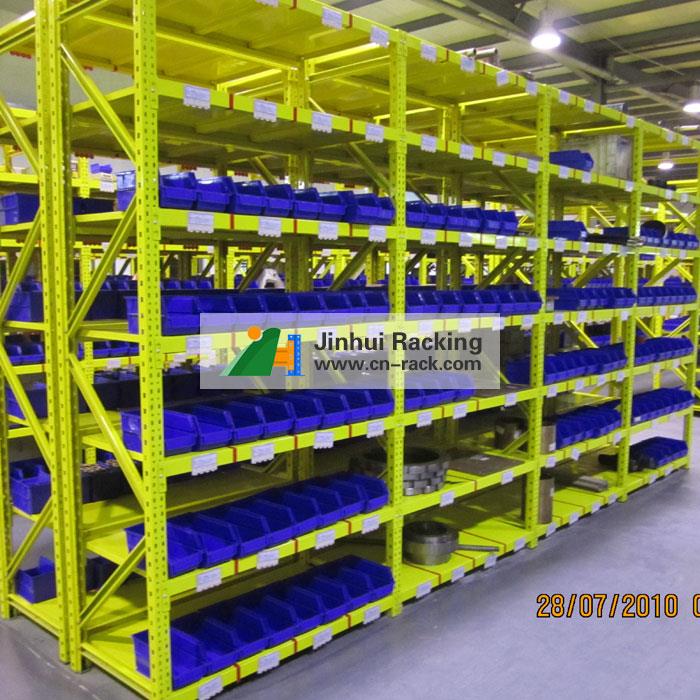
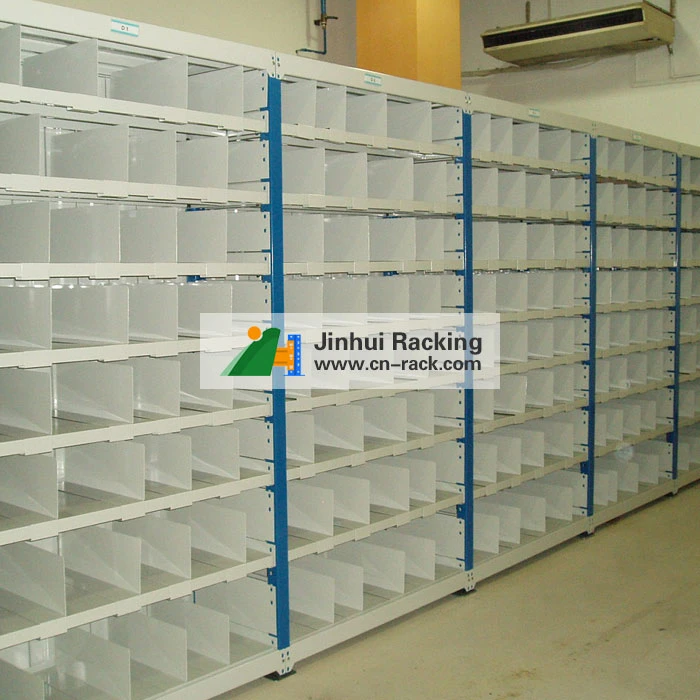
Labeling Methods for DifferentTypes of Shelving
Industrial Longspan Shelving
Industrial Longspan Shelving is known for its versatility and ability to hold large and heavy items. When labeling these shelves, it's important to consider the size of the items being stored. For bulky items, larger labels can be used at the end of each shelf to provide a clear overview of what is stored on that particular section. These labels can include the name of the product, its SKU number, and quantity.
For smaller items stored on longspan shelves, a more detailed labeling system can be employed. Using a combination of shelf dividers with small, individual labels for each section can help in organizing and identifying the items precisely. Each label can have the product name, description, and perhaps a picture of the item for easy recognition.
Warehouse Shelves High Quality Steel Storage Longspan Shelving
Warehouse Shelves High Quality Steel Storage Longspan Shelving often stores a wide variety of products in a high - volume environment. One effective labeling method is the use of barcode labels. Barcode scanners can quickly read the labels, providing instant access to information such as the item's location, quantity, and inventory history. This method not only speeds up the picking process but also improves the accuracy of inventory updates.
In addition to barcodes, location - based labeling can be very useful. Each shelf can be assigned a unique location code, and labels can be placed both on the shelves and in the inventory management system. This way, when an item needs to be retrieved, the staff can easily find its exact location using the code.
Medium Duty Shelving with Steel Plate Boltless Shelves
Medium Duty Shelving with Steel Plate Boltless Shelves is commonly used for storing medium - sized items in various industries. Color - coding is an excellent labeling method for this type of shelving. Different colors can represent different categories of products, departments, or storage zones. For example, green labels can be used for products in the electronics department, while red labels can indicate hazardous materials.
Along with color - coding, numeric or alphanumeric labeling can be combined to provide more detailed information. Each shelf or section can be assigned a unique number or code, and the labels can be printed on durable plastic tags that can be easily affixed to the shelves.
Digital Labeling Solutions
In recent years, digital labeling solutions have gained popularity in the warehousing industry. These systems use electronic display labels that can be updated remotely. This is particularly useful for warehouses with frequently changing inventory or those that require real - time information updates. Digital labels can display a wide range of information, including product names, prices, quantities, and promotions.
The advantage of digital labeling is its flexibility. If there is a change in the product information, such as a price adjustment or a new stock arrival, the labels can be updated instantly without the need for manual replacement. However, the initial investment in digital labeling systems can be higher, and proper technical support is required to ensure smooth operation.
Implementing a Consistent Labeling System
Regardless of the labeling methods chosen, it's essential to implement a consistent system across the entire warehouse. All labels should follow the same format, font, and color scheme. This consistency makes it easier for warehouse staff to understand and use the labels effectively.
A labeling policy should be developed and communicated to all employees. This policy should include guidelines on label placement, content, and maintenance. Regular audits should be conducted to ensure that the labels are accurate, legible, and up - to - date.
Training Employees on Label Usage
Proper training is key to the successful implementation of a labeling system. Employees should be educated on how to read and use the labels correctly. This includes understanding barcode scanning procedures, interpreting color - coded labels, and following the location - based labeling system.
Training sessions can also cover label maintenance. Employees should know how to replace damaged labels and update information as needed. By investing in employee training, you can ensure that the labeling system is used effectively and that the benefits are fully realized.
Conclusion
In conclusion, the best labeling methods for shelving depend on a variety of factors, including the type of shelving, the nature of stored items, and the volume of inventory. By choosing the right label material, implementing a consistent system, and training employees properly, you can optimize your warehouse operations and improve efficiency.
As a shelving supplier, I understand the importance of providing comprehensive solutions to our customers. Whether you're looking for the right type of shelving or need advice on the best labeling methods, we're here to help. If you're interested in purchasing high - quality shelving and implementing an effective labeling system, we encourage you to contact us for further discussion and to explore how we can meet your specific needs.
References
- APICS Dictionary. American Production and Inventory Control Society (APICS).
- Warehouse Management Handbook. Donald F. Wood, Roy D. Souza, and James H. Murphy.


