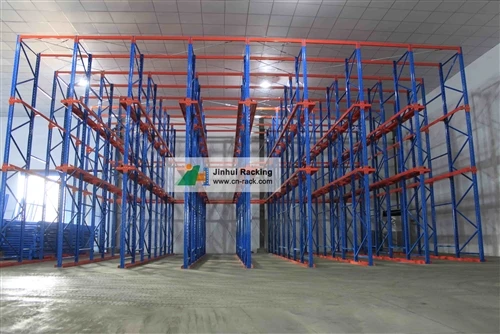

When it comes to optimizing warehouse space, drive in racking has emerged as a popular solution for many businesses. As a drive in racking supplier, I often get asked the question: "Is drive in racking safe?" In this blog post, I'll delve into the various aspects of drive in racking safety, exploring its design, installation, operation, and maintenance to provide a comprehensive answer.
Understanding Drive In Racking
Drive in racking, also known as drive-through racking, is a high-density storage system that allows forklifts to drive directly into the rack structure to store and retrieve pallets. This system eliminates the need for individual aisles between each rack, maximizing the use of available floor space. Drive in racking is commonly used in warehouses with large quantities of the same product, such as cold rooms and processing industries. For more information on our Warehouse Drive in Pallet Racking System for Cold Room and Processing Industrial, please feel free to explore our website.
Design and Engineering for Safety
One of the key factors in ensuring the safety of drive in racking is its design and engineering. A well-designed drive in racking system takes into account various factors, including the weight and dimensions of the pallets, the capacity of the forklifts, and the layout of the warehouse.


- Structural Integrity: Drive in racking is typically made up of upright frames, horizontal beams, and bracing components. These components are designed to withstand the loads imposed by the pallets and the forklifts. The structural integrity of the racking system is crucial to prevent collapse and other safety hazards. At our company, we use high-quality materials and advanced manufacturing techniques to ensure the strength and durability of our drive in racking.
- Load Capacity: Each drive in racking system has a specified load capacity, which indicates the maximum weight that the rack can safely support. It's essential to ensure that the pallets stored on the rack do not exceed this load capacity. Overloading the racking can lead to structural damage, instability, and potential collapse. Our engineering team carefully calculates the load capacity of each racking system based on the specific requirements of our customers.
- Column Protection: To prevent damage to the upright columns of the drive in racking, column protectors are often installed. These protectors can absorb the impact of a forklift collision and minimize the risk of structural damage. We offer a variety of column protection options to suit different warehouse environments and requirements.
Installation and Assembly
Proper installation and assembly of drive in racking are essential for ensuring its safety and performance. A professional installation team with experience in drive in racking systems can ensure that the racking is installed correctly and meets all relevant safety standards.
- Level and Stable Foundation: The drive in racking must be installed on a level and stable foundation to prevent uneven loading and potential collapse. Our installation team conducts a thorough site inspection before installation to ensure that the foundation meets the necessary requirements.
- Correct Assembly: The components of the drive in racking must be assembled correctly according to the manufacturer's instructions. This includes ensuring that the beams are properly connected to the upright frames and that the bracing is installed in the correct locations. Our installation team is trained to follow strict installation procedures to ensure the integrity of the racking system.
- Safety Checks: After installation, a series of safety checks are conducted to ensure that the drive in racking is safe to use. These checks include inspecting the structural integrity of the racking, checking the alignment of the beams and columns, and testing the operation of any safety features, such as column protectors and pallet supports.
Operation and Safety Procedures
Even with a well-designed and properly installed drive in racking system, safe operation is crucial to prevent accidents and injuries. Warehouse operators should implement strict safety procedures and provide comprehensive training to forklift operators.
- Forklift Operator Training: Forklift operators should receive specialized training on how to operate in a drive in racking environment. This includes training on proper forklift handling, maneuvering in tight spaces, and avoiding collisions with the racking. Our company offers training programs for forklift operators to ensure that they are equipped with the necessary skills and knowledge to operate safely in a drive in racking system.
- Traffic Management: In a drive in racking warehouse, traffic management is essential to prevent collisions between forklifts and other equipment. Clear traffic lanes should be marked, and operators should follow designated routes when moving in and out of the racking. Additionally, warning signs and signals can be installed to alert operators to potential hazards.
- Pallet Placement: Proper pallet placement is crucial to ensure the stability of the drive in racking system. Pallets should be placed evenly on the beams and should not overhang the edges. Additionally, pallets should be stacked in a stable manner to prevent them from toppling over.
Maintenance and Inspection
Regular maintenance and inspection of drive in racking are essential to ensure its continued safety and performance. A maintenance program should include regular inspections, cleaning, and repairs as needed.
- Visual Inspections: Visual inspections should be conducted on a regular basis to check for any signs of damage, such as bent beams, cracked columns, or loose connections. Any damaged components should be repaired or replaced immediately to prevent further damage and potential safety hazards.
- Load Testing: Periodic load testing can be conducted to ensure that the drive in racking system is still capable of supporting the specified load capacity. Load testing involves placing a known weight on the racking and monitoring its performance. If any issues are detected during load testing, appropriate measures should be taken to address them.
- Cleaning and Lubrication: Keeping the drive in racking system clean and well-lubricated can help prevent corrosion and ensure smooth operation. Regular cleaning can also help identify any potential issues, such as debris or dirt that may be causing damage to the racking.
Conclusion
In conclusion, drive in racking can be a safe and efficient storage solution when designed, installed, operated, and maintained correctly. As a drive in racking supplier, we are committed to providing our customers with high-quality racking systems that meet the highest safety standards. Our team of experts can work with you to design a drive in racking system that is tailored to your specific needs and requirements. If you're interested in learning more about our Drive-In / Drive-Through Racking or have any questions about drive in racking safety, please don't hesitate to contact us. We look forward to the opportunity to discuss your storage needs and help you find the best solution for your business.
References
- "Warehouse Rack Safety: A Guide to Best Practices." Occupational Safety and Health Administration (OSHA).
- "Storage Rack Design, Testing, Safety, and Utilization." Material Handling Industry (MHI).
- "Drive-In and Drive-Through Racking Systems: Design and Installation Guidelines." RMI (Rack Manufacturers Institute).