
What is the load distribution on custom pallet racking?
Hey there! I'm from a custom pallet racking supply company, and today I wanna chat about load distribution on custom pallet racking. It's a crucial topic if you want your warehouse operations to run smoothly and safely.
Let's first understand what load distribution means in the context of pallet racking. Simply put, it's how the weight of the pallets and their contents is spread across the racking system. When we design and set up custom pallet racking, getting the load distribution right is super important for a few reasons.
One biggie is safety. If the load isn't evenly distributed, it can put excessive stress on certain parts of the rack. Over time, this can lead to structural damage, like bent or broken beams and uprights. And we all know that a damaged rack is a recipe for disaster - it could collapse, causing not only damage to your goods but also potential harm to your employees.
Another reason is efficiency. A well - distributed load allows for easy access to pallets. Forklifts and other handling equipment can move around the racking system without any issues. If the load is bunched up in one area, it can block aisles and make it difficult to reach other pallets, slowing down your warehouse operations.
So, what factors affect load distribution on custom pallet racking?
The type of products you're storing plays a huge role. Different products have different weights and sizes. For example, if you're storing heavy machinery parts on pallets, those are gonna be much heavier compared to boxes of lightweight clothing. You need to take into account the weight density of your products when planning the load distribution. You can't just stack all the heavy pallets on one side of the rack; you have to spread them out evenly.
The pallet design also matters. Standard pallets come in different sizes and load - bearing capacities. Make sure the pallets you're using are suitable for the products you're storing and can evenly transfer the weight to the rack. If a pallet is damaged or not well - built, it might not distribute the load correctly, which can then cause problems for the rack.
The way you arrange the pallets on the rack is another key factor. You should follow a logical pattern. For instance, you can use a first - in - first - out (FIFO) or last - in - first - out (LIFO) system. In a FIFO system, the oldest pallets are placed at the front for easy access. This helps in evenly spreading the weight over time as new pallets are added and old ones are removed.
Now, let's talk about the different types of custom pallet racking and how load distribution might vary for each.
Selective Pallet Racking
Selective pallet racking is one of the most common types. It allows for direct access to each pallet. When using selective racking, it's important to load the pallets so that the weight is evenly spread across the beams. You don't want to have one really heavy pallet on one end of a beam and nothing on the other end. This can cause the beam to bow and eventually fail. For more info, check out Jinhui Heavy Duty Shelves Industrial Steel Rack Warehouse Pallet Racking For Medium Weight Warehouse Racking System.
Drive - In and Drive - Thru Racking
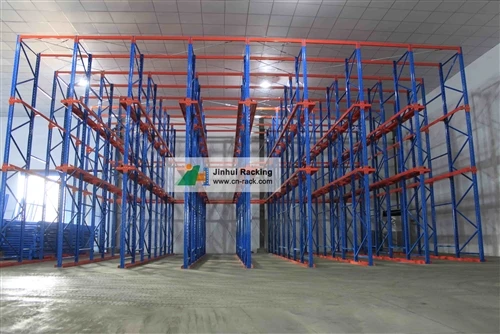
These types of racking are great for high - density storage. However, load distribution becomes a bit more complex. Since forklifts drive into the rack to access pallets, the weight needs to be carefully balanced so that the structure can support the forklift's weight as well. You need to make sure that the pallets are stacked in a way that doesn't cause the rack to tilt. Powerful Capacity Use forklift Warehouse Storage Heavy Duty Pallet Racking System is a good example of a system that can handle such loads, but proper load distribution is still essential.
Push - Back Racking
Push - back racking uses a system of cartridges and wheels to store pallets in multiple depths. Load distribution here should be focused on making sure that each level can handle the weight of the pallets stacked above it. If you overload the lower levels, it can cause the rack to malfunction.
Static Pallet Racking
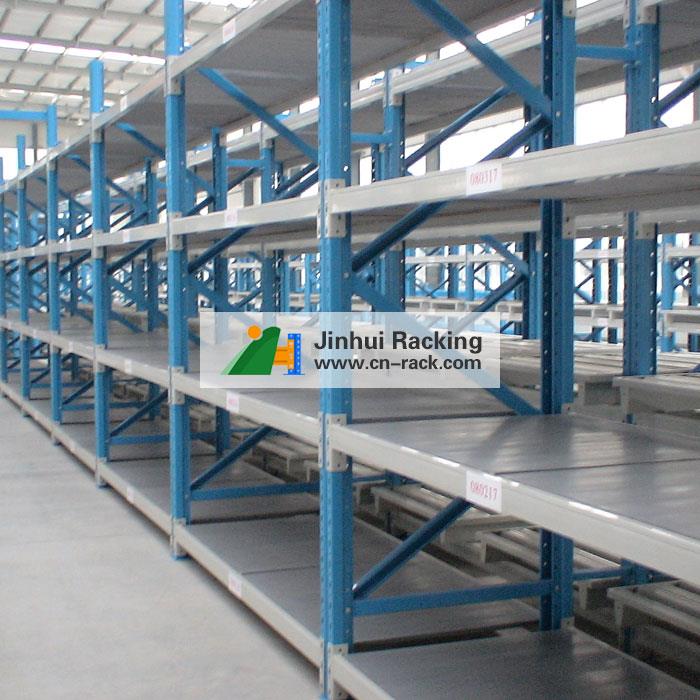
Static pallet racking is a simple and cost - effective solution. It relies on fixed shelves. For proper load distribution, you need to ensure that the weight is evenly placed on each shelf. Uneven loading can lead to sagging shelves and misalignment. Check out Static Pallet Racking for more details on this type of racking.
Heavy - Duty Storage Drawer Racking
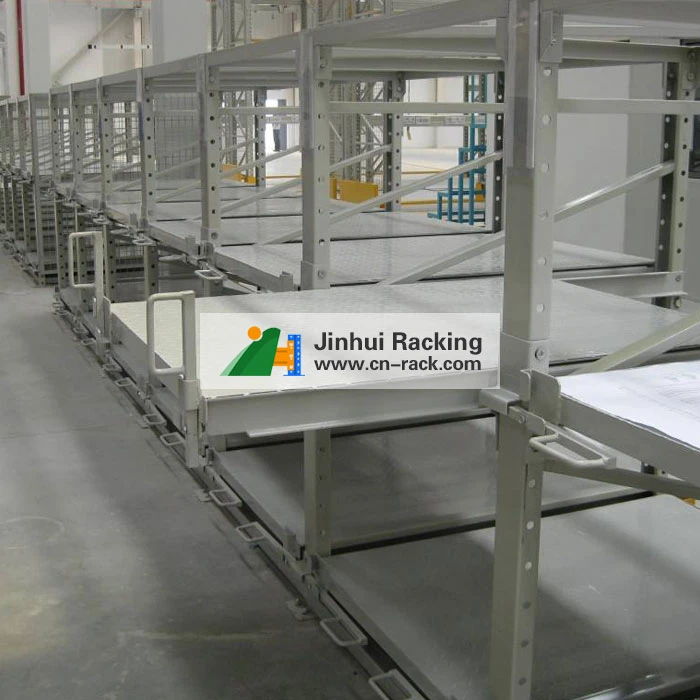
This type of racking is great for storing smaller, heavy items in drawers. The load distribution in this case is about making sure each drawer can handle the weight of the items stored in it. If you overload a drawer, it might not slide properly or could even break off the tracks. Heavy Duty Storage Drawer Racking Industrial Mold Rack System is designed to handle heavy loads, but you still need to distribute the weight correctly.
Warehouse Steel Storage Draw - out Racking and Shelving
Similar to the drawer racking, this type requires proper weight management on each draw - out section. You don't want to put all the heavy items on one side of a draw - out shelf. This can cause it to tip or jam. You can find more about this type of racking at Warehouse Steel Storage Draw - out Racking and Shelving.
To ensure proper load distribution on your custom pallet racking, here are some best practices.
First, conduct a proper load analysis. Know the exact weight of your products and pallets. This will help you plan how to distribute them on the rack. You can even use software to simulate the load distribution and identify any potential issues before installing the rack.
Regularly inspect your racking system. Look for signs of damage, such as bent beams or loose bolts. If you notice any problems, address them immediately. Sometimes, a small issue can turn into a big problem if left unattended.
Train your employees on proper loading and unloading procedures. Make sure they understand the importance of load distribution and how to stack pallets correctly. This can prevent a lot of problems down the line.
In conclusion, load distribution on custom pallet racking is a critical aspect of warehouse management. By understanding the factors that affect it, the different types of racking, and following best practices, you can ensure a safe, efficient, and long - lasting pallet racking system.
If you're in the market for custom pallet racking or need help with optimizing your current load distribution, don't hesitate to reach out. We're here to help you find the best solutions for your warehouse needs. Let's have a chat and see how we can improve your warehouse operations together!
References
- Industry standards and guidelines on pallet racking safety and load distribution.
That's all for today! Hope you found this blog useful.