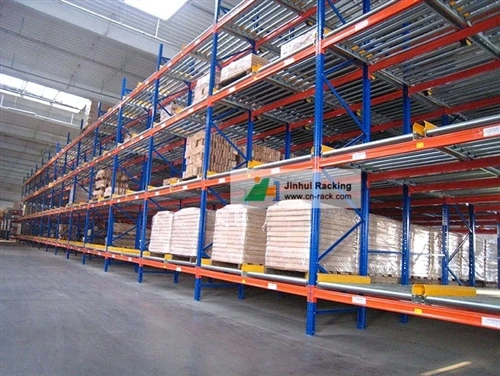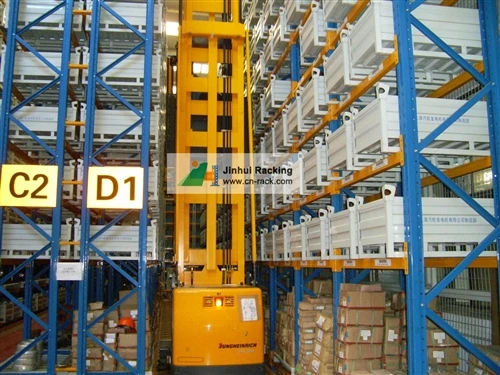

Yo! I'm a supplier of Pallet Flow Racking, and I've been diving deep into the nitty - gritty of what goes into planning for its future expansion. It's not as simple as just adding more racks, you know. There are a bunch of factors to keep in mind, and I'm here to spill the beans on all of them.
1. Current Warehouse Layout and Utilization
First up, you gotta take a long, hard look at your current warehouse layout. How is the space being used right now? Are there any dead zones? You need to understand the flow of goods in and out of your warehouse. If your Pallet Flow Racking is already set up, see how it fits into the overall operation. Maybe there are areas where the current racking isn't being fully utilized, and you can optimize that space before thinking about expansion.
For example, if there are narrow aisles that are causing congestion, you might need to re - evaluate the placement of the existing racks. You can check out our Warehouse Steel Storage Draw - out Racking and Shelving for more ideas on how to make the most of your space. It's a great option to consider if you're looking to improve the efficiency of your warehouse layout.
2. Business Growth Projections
What's the game plan for your business in the next few years? Are you expecting to see a significant increase in inventory? Maybe you're planning to enter new markets or launch new products. All these things will impact the need for future expansion of your Pallet Flow Racking.
If your sales are projected to double in the next two years, you'll need to have enough racking to accommodate the extra inventory. You don't want to be stuck with a warehouse that can't keep up with your business growth. It's crucial to work closely with your sales and marketing teams to get accurate growth projections.
3. Load Capacity and Weight Distribution
As you expand your Pallet Flow Racking, you need to make sure that the new systems can handle the load. Different pallets have different weights, and you need to account for the maximum weight that the racks will need to support. Also, think about how the weight will be distributed across the racks.
Uneven weight distribution can lead to problems like rack damage or even collapse. You can talk to a structural engineer to ensure that the new racks are designed with the right load capacity in mind. Our Heavy Duty Storage Drawer Racking Industrial Mold Rack System is a heavy - hitter when it comes to load capacity and is worth considering for your expansion plans.
4. Compatibility with Existing Systems
When expanding your Pallet Flow Racking, it's super important to make sure that the new racks are compatible with the existing systems. This includes things like the conveyor systems, forklifts, and any other equipment that interacts with the racks.
If the new racks are a different size or height, it might cause issues with the forklifts being able to access the pallets properly. You also need to ensure that the conveyor systems can handle the increased flow of goods. Test out the compatibility before making any major decisions, and you can even consult with the equipment manufacturers to get their input.
5. Safety Regulations and Requirements
Safety should always be a top priority. As you expand your Pallet Flow Racking, you need to comply with all the relevant safety regulations. This includes things like fire safety, seismic stability, and proper signage.
Make sure that the new racks are installed correctly and that there are proper safety measures in place, such as guardrails and anti - tip devices. You don't want to put your employees or your inventory at risk. Stay updated on the latest safety standards and work with a professional installer who knows the ins and outs of safety regulations.
6. Cost - Benefit Analysis
Expanding your Pallet Flow Racking is going to cost money, no doubt about it. But you need to do a cost - benefit analysis to see if it's really worth it. Consider the cost of the new racks, installation, and any additional equipment or modifications that will be needed.
On the other hand, think about the benefits. Will the expansion lead to increased efficiency, reduced labor costs, or better inventory management? If the benefits outweigh the costs, then it's a smart move. But don't just focus on the short - term costs; also look at the long - term return on investment.
7. Technology and Automation Integration
In today's world, technology and automation are changing the game when it comes to warehousing. When planning for future expansion of your Pallet Flow Racking, you need to think about how you can integrate new technologies.
For example, you could use barcode scanners and inventory management software to keep track of your goods more efficiently. Automated guided vehicles (AGVs) can also be used to move pallets around the warehouse. These technologies can improve the accuracy and speed of your operations. See if you can incorporate these advancements into your expansion plans to stay ahead of the competition.
8. Staff Training and Adaptability
Your employees are the ones who will be working with the expanded Pallet Flow Racking. You need to make sure that they are properly trained to operate the new systems. This includes training on how to use any new equipment and how to follow the updated safety procedures.
It's also important to consider how adaptable your staff is. Some employees may be resistant to change, so you need to communicate the benefits of the expansion to them. Make the training process as smooth as possible and provide ongoing support to help them adjust to the new setup.
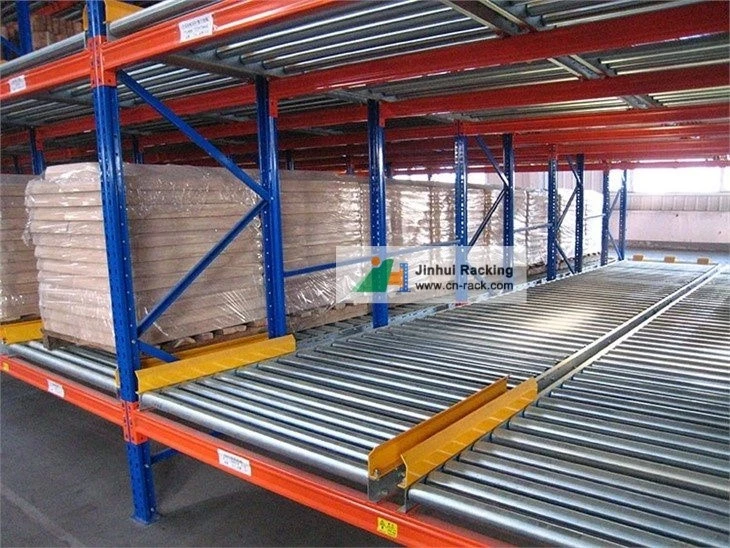
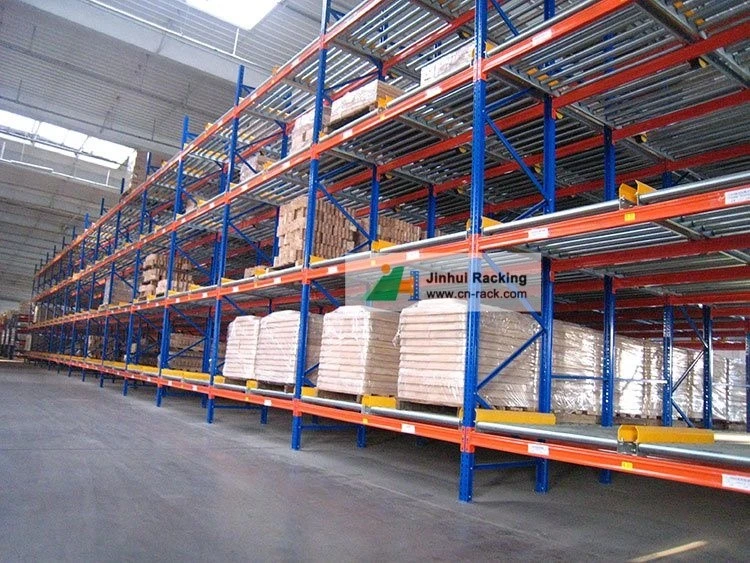
In conclusion, expanding your Pallet Flow Racking is a big decision that requires careful planning. From evaluating your current warehouse layout to considering technology integration, there are many factors to take into account. If you're thinking about expanding your Pallet Flow Racking systems, I'd love to have a chat. Feel free to reach out to discuss your specific needs and how we can help you plan the perfect expansion.
References
- Industry best practices in warehouse racking expansion.
- Consultations with warehouse operation experts.
- Reports on market trends in warehousing technology.