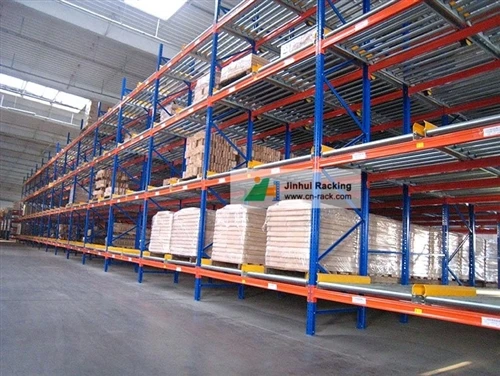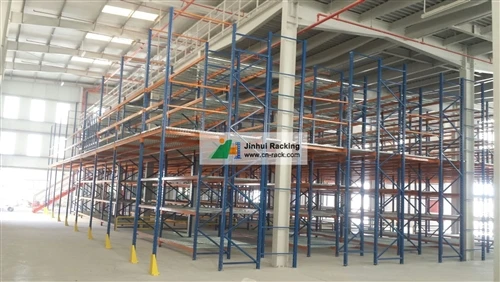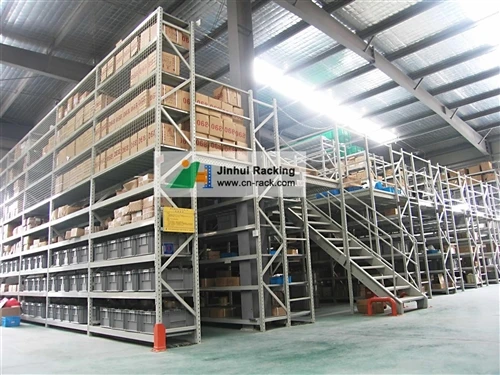

If you've ever stepped foot inside an automotive parts warehouse, you know space isn't just a convenience-it's a lifeline. Every component, from tiny wiring harnesses to bulky engine blocks, needs a spot that keeps it safe, accessible, and compliant with tight inventory rules. For operators and mezzanine racking suppliers like us, the question "Can mezzanine racking work here?" isn't just a hypothetical-it's a puzzle we solve every day. The short answer is yes, but only when it's tailored to the unique demands of automotive parts storage, not just a one-size-fits-all steel platform. Let's break down why mezzanine systems are a game-changer for automotive warehouses, how to deploy them effectively, and the common pitfalls to avoid when integrating them into a space that handles everything from air filters to axles.
First, let's talk about what makes automotive parts warehouses so different from your average retail storage or general warehouse. Inventory here is hyper-diverse. You've got small, high-value items: OEM spark plugs, sensor modules, and specialized fasteners that are easy to misplace if not organized. Then there are large, heavy components: transmission assemblies, bumpers, and wheel sets that demand robust load-bearing capacity. On top of that, warehouses often operate on just-in-time (JIT) principles, with frequent order picks and strict deadlines-so any storage system can't slow down order fulfillment. It needs to be accessible, flexible, and able to support fast turnaround. That's where mezzanine racking shines, but only if it's designed with these automotive-specific needs in mind.
When I first started working in this space, I'd get calls from automotive logistics managers skeptical about mezzanines. They'd say, "We already have racking on the floor-why add another level?" The answer boils down to vertical space, which is infinitely more cost-effective than expanding a warehouse's footprint, especially in areas where industrial real estate costs are skyrocketing. A standard automotive warehouse might have 20- to 30-foot ceilings; a properly engineered mezzanine can turn that empty vertical space into 50% to 100% more storage without relocating operations or investing in a full new building. For example, a 10,000-square-foot warehouse with a 25-foot ceiling can add a mezzanine that creates another 10,000 square feet of usable space, doubling storage capacity with minimal disruption to daily workflows.
But it's not just about adding space-it's about using that space for the right parts. Most automotive warehouses split their inventory into two categories: fast-moving, low-weight parts that need frequent picking, and slow-moving, heavy parts that can be stored with less regular access. Mezzanine racking lets you segment this perfectly. The upper level, which is easier to access with forklifts or pallet jacks, is ideal for slow-moving, heavy components like axles or transmissions that don't need to be picked multiple times a day. The lower level, closer to shipping and receiving docks, can hold fast-moving parts-spark plugs, oil filters, and wiring harnesses-that need quick access for daily order fulfillment. This zoning reduces travel time for pickers, cuts down on forklift traffic, and streamlines the entire order process.
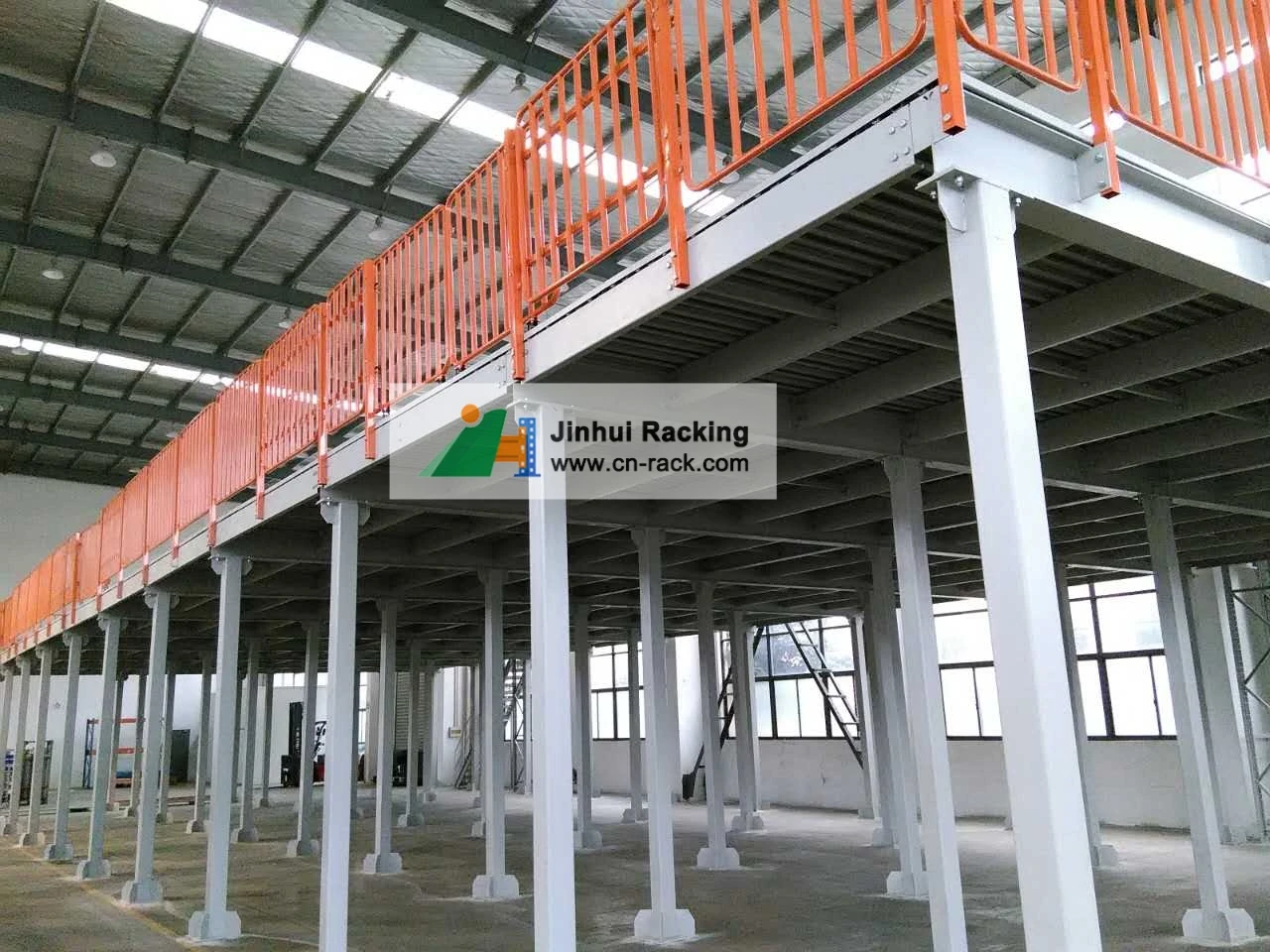
Of course, none of this works if the mezzanine isn't built to handle the specific loads of automotive parts. That's why not all mezzanine systems are created equal. A standard general-purpose mezzanine can hold a few hundred pounds per square foot, but automotive parts often have much higher weight requirements. A single transmission can weigh 300+ pounds, so the mezzanine's steel structure, beams, and supports need to be engineered for heavy-duty loads. This is where our work as a mezzanine supplier comes in: we don't just sell a pre-built platform-we design custom solutions based on a warehouse's inventory profile, ceiling height, and workflow. For example, if a warehouse stores heavy engine blocks, we recommend thick structural steel beams and reinforced columns that can support 1,000+ pounds per square foot, plus anti-slip decking to keep forklifts and workers safe when moving large, awkward parts.
Another key consideration for automotive warehouses is accessibility and compliance. Mezzanine systems need to integrate seamlessly with existing warehouse operations, including loading docks, conveyor belts, and pallet racking. Many automotive parts require special handling, so the mezzanine should be designed with access points that match those needs: wide staircases for pallet jacks, integrated lifts for heavy components, and safety railings that meet OSHA and global industrial standards for fall protection. We've had clients in the auto industry tell us that a poorly designed mezzanine led to bottlenecks when their pickers had to squeeze through narrow staircases with full pallets of parts. That's why we emphasize modular, flexible designs that can be adjusted as inventory changes-for example, adding extra lift gates or expanding walkways when a client takes on a new line of large components like electric vehicle battery packs.
Let's get into real-world examples. A few years back, we worked with a mid-sized automotive parts distributor in Detroit that was running out of floor space after landing a contract to supply parts for a new electric vehicle model. Their warehouse was 12,000 square feet with 24-foot ceilings, and they were struggling to store the new, bulky battery modules without delaying order shipments. We installed a custom heavy-duty mezzanine system that split their inventory: the lower level held fast-moving parts (filters, sensors, wiring harnesses) near the shipping docks, and the upper level held the new battery modules and other slow-moving, large components. The mezzanine's reinforced steel structure and built-in lift system made it easy to move the heavy battery packs up and down, and the modular design let them add extra storage bays within a week of installation. The result? They increased their storage capacity by 8,000 square feet without moving to a new building, cut order fulfillment time by 22%, and avoided the $2 million cost of expanding their facility.
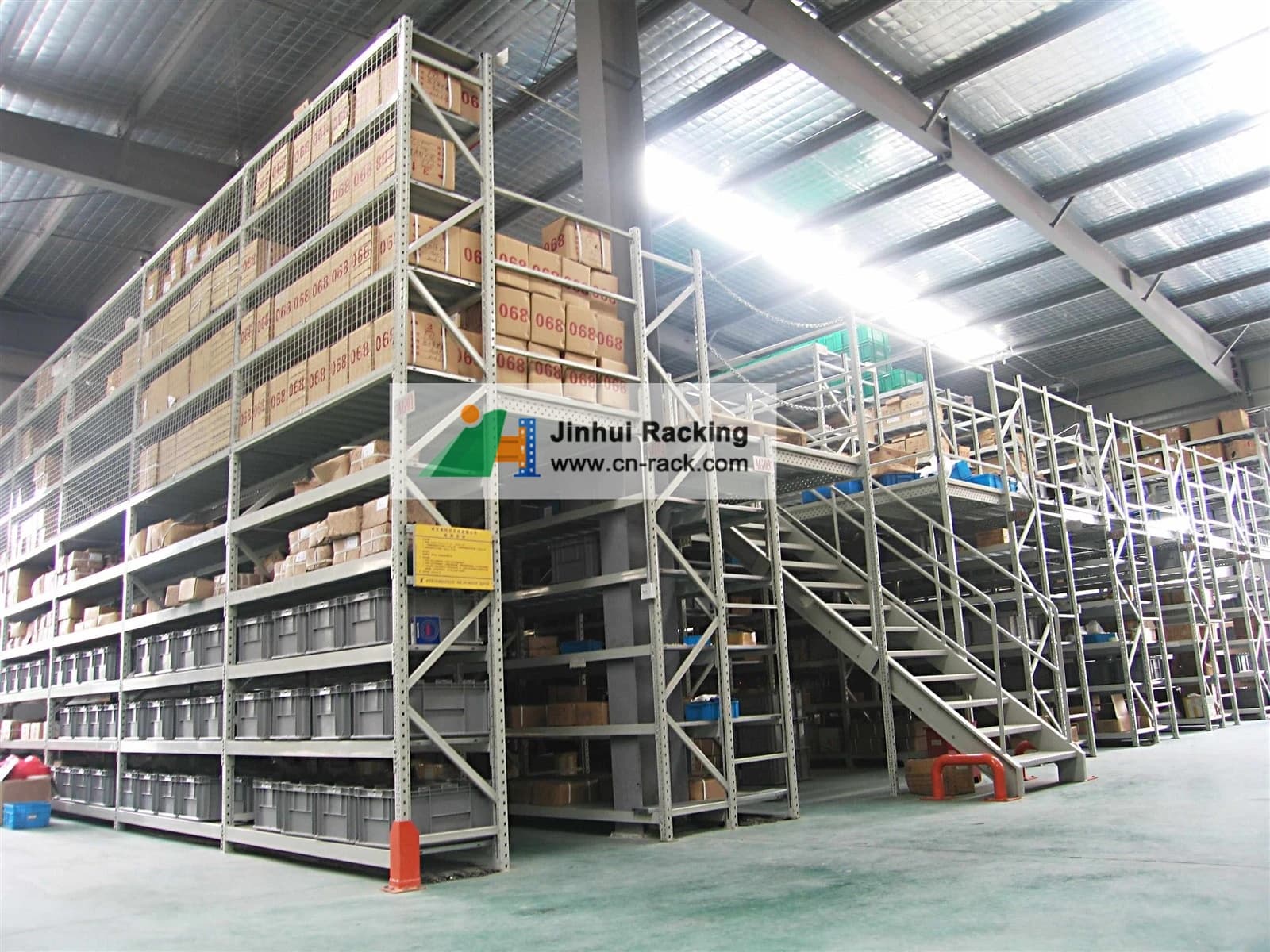
But it's not just about heavy parts-small, high-value automotive parts also benefit from mezzanine storage. Many automotive warehouses use shelving or drawer systems on the mezzanine upper level for small parts, which reduces clutter on the floor and lowers the risk of theft or damage. Small parts like specialized sensors or fasteners are often worth hundreds of dollars each, so keeping them in a controlled, elevated space with limited access makes sense for security. We've designed mezzanine systems with integrated small-parts storage units that lock, reducing shrinkage by up to 15% for our auto industry clients. That's a huge win, given that shrinkage in auto parts warehouses often comes from misplaced or stolen small components.
Now, let's address the common concerns I hear from warehouse managers: is mezzanine racking too expensive? Will it disrupt operations during installation? The short answer is that when designed and installed correctly, it's one of the most cost-effective storage investments you can make. When you factor in the cost of leasing additional warehouse space, moving inventory, or delaying contracts, a mezzanine usually pays for itself in 1 to 2 years. As for installation, most high-quality mezzanine systems are modular, meaning parts are pre-fabricated and can be installed in phases, usually without shutting down the entire warehouse. For example, a 10,000-square-foot mezzanine can often be installed in 4 to 6 weeks, with work done on one section at a time so operations continue on the other side.
Another point: compliance is non-negotiable in automotive parts warehouses. Parts are often regulated, and storage systems need to meet specific standards for fire safety, load limits, and accessibility. Our mezzanine systems are engineered to meet all global industrial standards, including OSHA, ISO, and FEM, so our auto clients don't have to worry about fines or safety audits. We also provide full documentation for all components, so you can prove compliance for regulatory inspections.
If you're still wondering if mezzanine racking is right for your automotive parts warehouse, let's summarize the key signs: if you have unused vertical space, a mix of heavy and light inventory, frequent order picking, and limited floor space, the answer is almost certainly yes. The key is to work with a mezzanine supplier that understands automotive storage, not just general storage. You need a partner that can customize the system to your specific parts, integrate with your workflow, and ensure compliance.
For more details on how our mezzanine solutions can work for your automotive parts warehouse, we invite you to explore our range of products. Whether you're looking for a heavy-duty steel structure with multi layer racking, a flexible mezzanine storage system, or a functional loft platform that maximizes every inch of your space, we have tailored options designed for the unique demands of automotive logistics. You can learn more about our heavy-duty steel structure mezzanine floor offerings by visiting Supply of Heavy Duty Steel Structure Mezzanine Floor with Multi Layer Racking, explore our full line of adaptable solutions at Mezzanine Storage System, or see our versatile designs at Loft Platforms. If you're researching cost-effective, customer-favored options for your warehouse, our mezzanine floor products from a trusted manufacturer are available at Mezzanine Floor Customer Favored Warehouse Storage Racking Steel Racks Mezzanine Floor Manufacturer In China, and for a wide range of heavy-duty steel structure platform solutions, visit Heavy Duty Steel Structure Platform and Mezzanine Floor Suppliers. Our team works directly with automotive warehouse operators to assess space, load requirements, and workflow, designing solutions that boost capacity, speed up order fulfillment, and reduce operational costs. Contact us today to discuss your specific needs and take the next step toward optimizing your automotive parts warehouse storage.
References:
- Material Handling Industry Association. (2022). Mezzanine Design Standards for Industrial Warehouses. MHIA Publications.
- Occupational Safety and Health Administration (OSHA). (2023). Safety Standards for Mezzanine Floors and Racking Systems. U.S. Department of Labor.
- Automotive Logistics Network. (2021). Space Optimization Strategies for Automotive Parts Distribution Centers. ALN Industry Report.
- Steel Construction Institute. (2020). Heavy-Duty Mezzanine Structures for Industrial Applications. SCI Technical Report 456.
- International Organization for Standardization (ISO). (2022). ISO 14422: General Purpose Industrial Mezzanine Floors - Safety Requirements. ISO Standards.