
When I first started working with flow rack clients three years ago, I noticed a consistent pain point that rarely made it to the top of material handling improvement lists: how easy it is for teams to overlook goods sitting on the racks. We sell flow racks as a solution to efficiency gaps, but visibility issues were quietly undermining that efficiency-even for clients who'd invested in a high-quality system. I'd walk through a warehouse, see pallets tucked at the back of a flow lane like they were hidden in plain sight, and think: we built this system to cut down on travel time, not to hide inventory. Since then, I've worked with dozens of warehouse managers to tweak their flow rack setups, test small, data-backed changes, and turn those blind spots into clear, accessible inventory. If you're grappling with the same issue, here's what I've learned that actually moves the needle.
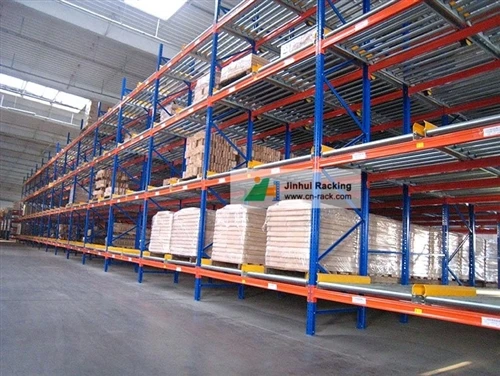
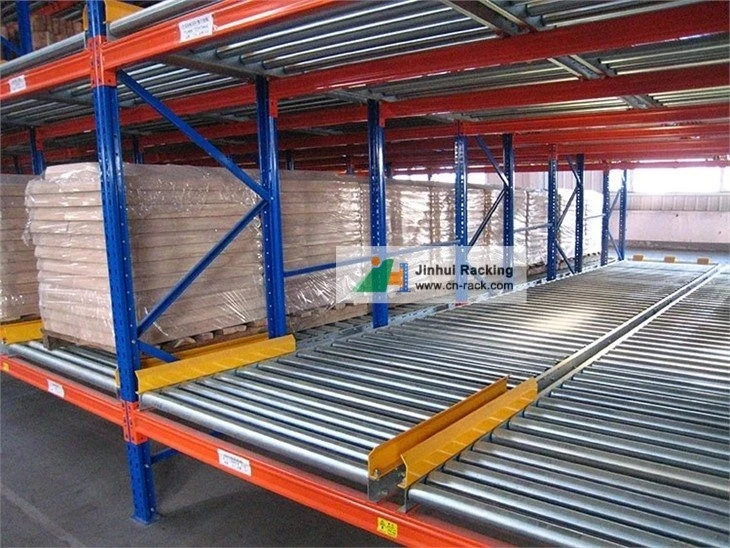
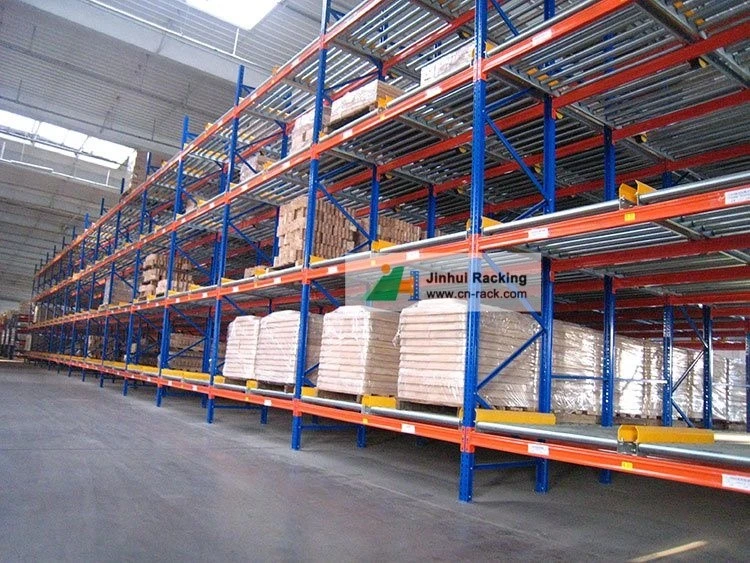
First, let's ground this in how flow racks work at their core, because visibility doesn't exist in a vacuum. Flow racks are designed for first-in, first-out (FIFO) inventory rotation-goods loaded at the back roll forward to the picking face as the front ones are pulled. That gravity-driven movement is their superpower, but it's also why visibility often fails. If a pallet doesn't roll all the way forward when the front one is picked, it sits half-hidden behind the lane's front stop, or if the lanes are too deep, the back pallets are out of casual view. Even the best gravity-driven systems-like our Gravity Racking System, designed to keep inventory moving smoothly from loading to picking-will develop visibility gaps if basic setup and maintenance are skipped. I once worked with a mid-sized e-commerce client who installed 12 deep flow lanes but never adjusted the pitch of their rollers; pallets would stop halfway, so pickers would only see the front third of each pallet, leading to 15% more picking errors because they'd miss slow-moving SKUs sitting behind.
So the first, most foundational step to improve visibility is to align flow rack design with your SKU profile, not just your floor space. Too often, warehouses opt for the deepest lanes possible to cram more inventory in, but depth directly correlates with visibility. For fast-moving SKUs-ones that turn over more than 10 times a month-4 to 6 pallets per lane is the sweet spot. For slow-moving SKUs, 2 to 3 pallets max. Why? Because if you have 8 pallets of a slow-mover in a flow lane, the fifth, sixth, seventh, and eighth are completely out of line of sight, even for a picker scanning the lane regularly. We've seen this play out with clients who installed deep lanes to avoid adding extra flow rack stations, only to find they were holding dead stock because no one knew those back pallets existed. If you're working with high-volume, high-margin SKUs, opt for a system that balances depth with accessibility-our Heavy Duty Gravity Pallet Roller Racking is engineered to keep pallets rolling evenly even in slightly shallower lanes, so you don't have to sacrifice storage density for visibility. That same client I mentioned earlier adjusted their lane depth from 8 to 5 pallets for their slow-movers, and within a month, they identified 3 pallets of holiday inventory they'd completely forgotten about, turning a potential write-off into $12,000 in sales.
Next, small, low-cost adjustments to the picking face can make a huge difference. I've found that 70% of visibility issues stem from the front of the flow rack, not the back. Let's start with pallet positioning: when loading pallets onto a flow lane, teams often stack them unevenly, or hang over the edges, which blocks the view of pallets behind. We train all our clients' loading teams to center pallets in the lane, so the entire surface is visible from the picking face. Another quick fix is adding brightly colored pallet labels and lane dividers. I'm not talking about generic barcodes- I mean large, high-contrast labels that sit at the front of every pallet, so a picker can glance at the entire lane from 10 feet away and count how many of each SKU are in stock. For lanes holding hazardous materials or temperature-sensitive goods, I also recommend adding colored edge tape to the picking face, so pickers can immediately spot high-priority items without squinting.
Lighting is another underrated element here. Most warehouses have overhead lighting, but flow racks often sit in areas where light is blocked by mezzanines or other storage, making the back of deep lanes dark. I've worked with clients who added small, motion-activated LED lights to the back of each flow lane-no wiring needed, just battery-powered strips that turn on when someone approaches. For a cold storage client, we switched to LED strips rated for sub-zero temperatures, and they reported a 22% drop in picking errors because pickers could clearly see the back pallets without using flashlights. It's a $50 fix per lane, and it's paid for itself in weeks by reducing time spent searching for inventory.
Maintenance is also non-negotiable for long-term visibility, and this ties back to how flow racks function. Over time, roller beds on flow racks can get clogged with dust, debris, or small spills, which slows down pallet movement, leading to pallets stopping short of the picking face. I once walked through a facility where a flow rack's roller bed was caked with sawdust from a nearby wood shop, so pallets would stop 12 inches from the front. Pickers would grab the front pallet and leave the back one, and over a week, that back pallet would get pushed further back by new pallets being loaded, disappearing into the lane. A 10-minute weekly cleaning of the roller bed prevents this, but I've found that marking a small cleaning schedule on the flow rack's frame-something as simple as a sticky note that says "Clean rollers every Monday"-makes it easy for night shift teams to remember.
We also test our High Capacity Storage System Pallet Flow Racking Gravity Flow Racking System with clients who handle very large or bulky pallets, and one of the benefits we highlight is how its roller design supports consistent pallet positioning. For clients with irregularly sized pallets-like over-sized appliance boxes or fabric rolls-pallets often sit crookedly, blocking the view of adjacent pallets. The Heavy Duty Gravity Pallet Roller Racking's heavy-duty rollers have a wider contact surface, so even unevenly weighted pallets roll straight, rather than tilting into the lane's edges. That small design detail eliminates a lot of the visibility issues that come with irregular inventory, because every pallet sits evenly in the line of sight from the picking face.
Another strategy that works well for high-turn SKUs is cycle counting zones, aligned with flow rack lanes. Instead of counting inventory once a quarter, split your flow rack picking faces into zones and count one zone a week. When pickers know they'll be checking that lane regularly, they're more likely to notice if a pallet is out of place, or if the back pallets are hidden. One client I worked with used to count all flow rack inventory once every six months, and they'd regularly discover 5-10 pallets per quarter that were unaccounted for because they'd moved back into lanes and been forgotten. After switching to weekly zone counts, that number dropped to 1 or 2 pallets a year, and they added a process where pickers mark hidden pallets with a neon sticker when they spot them, so the loading team knows to adjust the pallet position on their next load.
I also want to address a common myth I hear all the time: that better visibility leads to more pallets being pulled from the back of the lane, which disrupts FIFO. That's a valid concern, but it's not about visibility-it's about process. If your team is trained to pull from the back of the lane first, visibility will only improve FIFO rotation. If they're still pulling from the front, even a fully visible lane won't fix your rotation issues. Visibility is just the first step; it's about giving your team the information they need to follow FIFO. The clients who see the biggest gains from these changes are the ones who pair visibility upgrades with quick team training: a 15-minute huddle at the start of a shift to remind pickers to check the full lane, not just the front pallet, and to pull the next closest pallet from the back once the front is gone.
Let's talk about real results to make this concrete. A plumbing supply client I partnered with last year was struggling with $80,000 in dead inventory because 12 slow-moving SKUs sat hidden in their flow racks for over a year. They implemented three changes: cut lane depth for those SKUs from 8 to 4 pallets, added bright color-coded labels to each pallet, and did weekly zone counts. Within two months, they sold 9 of those 12 dead SKUs-because pickers could finally see they were there. They also reported a 18% reduction in picking time, since pickers no longer had to kneel or reach into the back of lanes to find inventory, and a 10% drop in stockouts, because they could see when a back pallet was running low before the front one was empty.
At the end of the day, improving flow rack visibility isn't about investing in a whole new system (though upgrading to a properly designed flow rack like our Gravity Racking System will make this easier long-term). It's about small, intentional changes aligned with how your team works. It's about realizing that a pallet sitting in the back of a flow lane isn't just stored-it's lost potential sales, wasted storage space, and unnecessary labor for your picking team. If you're ready to tackle visibility gaps in your flow racks, we can help you assess your current setup, test lane depths, and find the right solutions tailored to your inventory needs. We've worked with small warehouses with 10 flow lanes and large distribution centers with 500+ lanes, and every client has seen improvements when they prioritize simple, science-backed visibility changes. To talk through your specific needs and see how flow racks can work for your operation, reach out to our team for a no-obligation consultation. We're here to help you make your inventory work for you, not the other way around.
References
- Material Handling Industry Association. (2022). Flow Rack Design and Efficiency Best Practices.
- Warehouse Education and Research Council. (2023). Inventory Visibility in Automated and Manual Storage Systems.
- Smith, J. et al. (2021). FIFO Rotation and Visibility Correlations in Pallet Flow Storage. International Journal of Logistics Management, 32(2), 512-528.
- Greer, L. (2022). Cold Storage Warehouse Material Handling: Lighting and Visibility Solutions. Refrigerated Food Logistics Journal.