
In the world of logistics and warehousing, pallets play a pivotal role in the efficient movement and storage of goods. Two of the most commonly used types of pallets are steel pallets and plastic pallets. As a steel pallet supplier, I have witnessed firsthand the unique characteristics of each type and the impact they have on various industries. In this blog post, I will delve into the differences between steel and plastic pallets, exploring their respective advantages and disadvantages to help you make an informed decision for your business.
Material Composition and Durability
The most fundamental difference between steel and plastic pallets lies in their material composition. Steel pallets are typically made from high - strength steel, which gives them exceptional durability. They can withstand heavy loads, rough handling, and harsh environmental conditions. Whether it's in a busy manufacturing plant, a cold - storage facility, or an outdoor storage area, steel pallets maintain their integrity over time.


On the other hand, plastic pallets are crafted from various types of plastics, such as polyethylene or polypropylene. While they are also durable, they generally have a lower load - bearing capacity compared to steel pallets. Plastic pallets are more prone to cracking and breaking under extreme stress, especially when exposed to sharp objects or heavy impacts. However, they are resistant to corrosion, which can be a significant advantage in certain environments.
Load - Bearing Capacity
Steel pallets are renowned for their high load - bearing capacity. They can support heavy and bulky items, making them ideal for industries that deal with large quantities of goods, such as automotive, construction, and heavy machinery. A standard steel pallet can easily handle loads of several thousand pounds, and custom - made steel pallets can be designed to support even heavier weights.
Plastic pallets, while they have improved in terms of load - bearing capabilities in recent years, are still not on par with steel pallets. They are better suited for lighter - weight products, such as consumer goods, pharmaceuticals, and food products. The maximum load capacity of a plastic pallet usually ranges from a few hundred pounds to around 2,500 pounds, depending on the design and quality of the pallet.
Hygiene and Cleanliness
In industries where hygiene is of utmost importance, such as the food and pharmaceutical sectors, the choice between steel and plastic pallets can be crucial. Plastic pallets are generally easier to clean and sanitize. They do not absorb moisture, which reduces the risk of mold and mildew growth. Additionally, plastic pallets can be washed with water and common cleaning agents, and some are even resistant to chemicals, making them suitable for use in cleanroom environments.
Steel pallets, on the other hand, can be more challenging to keep clean. They are prone to rust if they come into contact with moisture, and rust can contaminate the goods stored on them. However, with proper coating and maintenance, steel pallets can also meet high - hygiene standards. For example, galvanized steel pallets have a protective zinc coating that prevents rust and corrosion, and they can be cleaned effectively.
Cost
Cost is an important consideration for any business when choosing between steel and plastic pallets. Generally, plastic pallets are less expensive to purchase upfront compared to steel pallets. The raw materials and manufacturing processes for plastic pallets are often more cost - effective, which is reflected in their lower price point.
However, when considering the long - term cost, steel pallets may offer better value. Their durability means they have a longer lifespan, reducing the need for frequent replacements. Additionally, steel pallets can be recycled at the end of their useful life, which can offset some of the initial purchase cost. Plastic pallets, while cheaper initially, may need to be replaced more frequently due to wear and tear, especially in high - demand environments.
Environmental Impact
In today's environmentally conscious world, the environmental impact of pallets is also a significant factor. Steel pallets have a relatively high environmental impact during the manufacturing process, as steel production consumes a large amount of energy and resources. However, they are highly recyclable. Once a steel pallet reaches the end of its life, it can be melted down and reused to make new steel products, reducing the demand for virgin materials.
Plastic pallets are made from petroleum - based plastics, which are non - renewable resources. While some plastic pallets can be recycled, the recycling process is often more complex and less efficient compared to steel recycling. Additionally, if plastic pallets are not properly disposed of, they can end up in landfills, where they take hundreds of years to decompose.
Applications
The differences between steel and plastic pallets also influence their applications in various industries. Steel pallets are commonly used in heavy - duty industries, such as manufacturing, automotive, and construction. They are suitable for use with forklifts and other material - handling equipment in rough and demanding environments. For example, in a steel manufacturing plant, steel pallets can withstand the weight of steel coils and bars, and they can be moved around the factory floor without fear of damage.
Plastic pallets are popular in the food, beverage, and pharmaceutical industries. Their smooth surface and resistance to moisture make them ideal for storing and transporting products that require a clean and hygienic environment. They are also widely used in retail and e - commerce, where they can be easily cleaned and reused in the supply chain.
Compatibility with Storage Systems
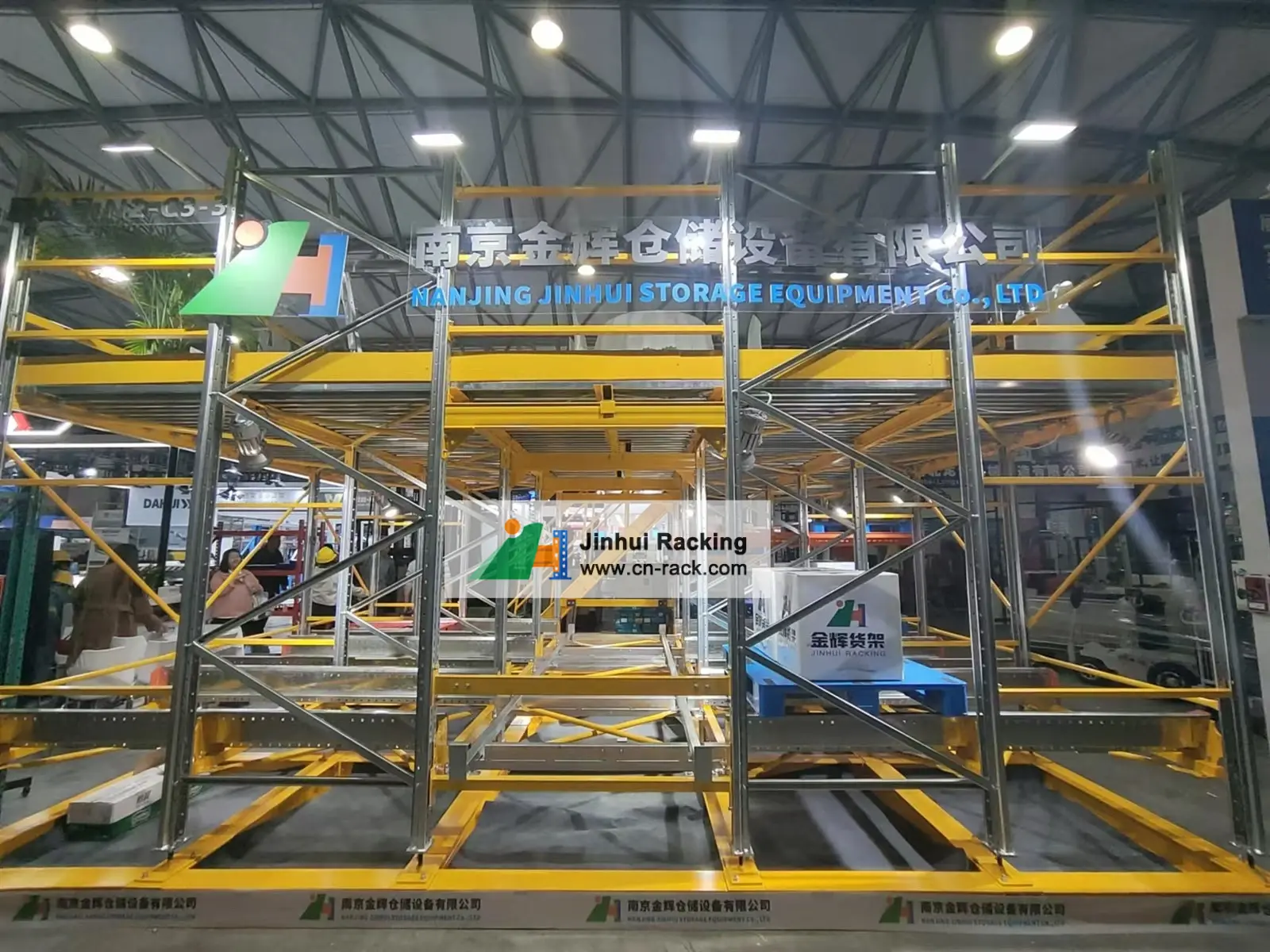
When it comes to storing goods on pallets, compatibility with storage systems is crucial. Steel pallets are highly compatible with various types of storage racking systems, such as Static Pallet Racking, Industrial Heavy Duty Rack Manufacturing Pallet Rack Logistics Equipment Factory Warehouse Storage Racks Heavy Duty Racking, New Design Motorized Mobile Racks System Railed Racking Pallet Racking Storage Rack Warehouse Rack With High Load - Bearing, Teardrop Pallet Rack, and Jinhui Heavy Duty Shelves Industrial Steel Rack Warehouse Pallet Racking For Medium Weight Warehouse Racking System. Their high load - bearing capacity and rigid structure ensure stable storage on these racks.
Plastic pallets can also be used with storage racks, but special attention needs to be paid to their design and compatibility. Some plastic pallets may not be suitable for use with certain types of racking systems, especially those that require a high level of stability and weight distribution.
Conclusion
In conclusion, the choice between steel and plastic pallets depends on a variety of factors, including load - bearing requirements, hygiene needs, cost, environmental impact, and application. As a steel pallet supplier, I believe that steel pallets offer unparalleled durability and load - bearing capacity, making them an excellent choice for heavy - duty industries. However, plastic pallets have their own advantages, such as ease of cleaning, lower upfront cost, and suitability for certain industries.
If you are in the process of choosing pallets for your business, I encourage you to carefully evaluate your specific needs and requirements. We are here to provide you with high - quality steel pallets and professional advice to help you make the best decision. Please feel free to contact us to start a discussion about your pallet procurement and find the perfect solution for your logistics and warehousing needs.
References
- "Pallet Design and Manufacturing Handbook".
- Industry reports on logistics and warehousing equipment.
- Technical specifications of steel and plastic pallets from leading manufacturers.