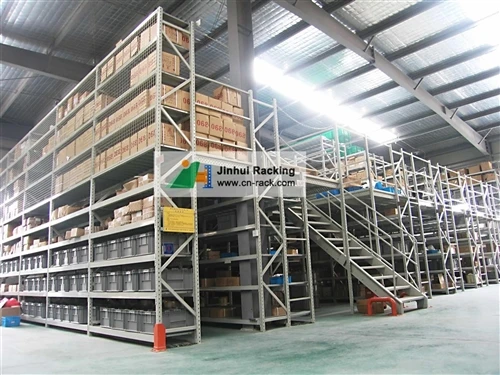

If you've ever stepped into a cold storage warehouse on a sweltering summer day, you know that crisp, biting chill hits you immediately-along with a sharp reminder that humidity is a silent, sneaky problem in these spaces. As someone who's spent years building racking specifically for cold storage (yep, my team and I live and breathe this stuff), I can tell you humidity isn't just a minor inconvenience. It's one of the biggest threats to your pallet racking, and ignoring it can turn smart storage setups into costly failures fast. Let's break this down like I would with a warehouse manager leaning over my desk, no stuffy jargon required.
First, let's get the basics straight: cold storage is where temps stay below 40°F, often way lower-think frozen food lockers at -20°F or even lower. And humidity here isn't just moisture in the air; it's usually invisible, tiny water molecules that seep in from a handful of places: forklifts coming and going, packaging on incoming pallets, even people walking through with cold air leaks. Here's the kicker: even a relative humidity (RH) level as low as 60% in a cold space can spell trouble, because cold air can't hold as much moisture as warm air. When that moisture hits metal racking, it does way more damage than you might think.
Let's start with the big one: rust. I see this every month. A warehouse will call me saying their racking looks fine, but six months later, a beam has got that flaky orange rust eating through its steel, and suddenly there's a safety risk. Wait-why does humidity make that happen faster in cold storage? Because in regular warehouses, humidity might just cause surface rust, but in cold spaces, the temperature swings (even small ones) make condensation form like crazy. Imagine a forklift bringing in a pallet of fresh produce at 50°F into a -10°F cold storage room. The air around that pallet drops instantly, and all the moisture on it turns into tiny water droplets that land on your racking. Over time, that's a recipe for corrosion that regular racking (built for dry, mild spaces) just can't handle. I've seen a standard pallet rack in a cold space go from minor surface rust to structural weakening in 18 months-stuff that would take five times as long in a normal warehouse.
Then there's the less talked about, but equally annoying, problem of ice buildup. If moisture in the air turns to frost on your racking, and that frost melts and refreezes, you get solid ice on the beams and uprights. What's the big deal? Ice adds weight your racking wasn't designed to hold. A few pounds of ice on each beam might not sound like much, but if you've got a whole row of racking loaded with pallets, that extra weight can push your racking over its load capacity. I once worked with a client who didn't notice a thick layer of ice on their racking uprights-when they tried to pull a pallet, the beam bent just enough to drop 12 cases of frozen chicken. Thank god no one was hurt, but the cost of lost product and repairs was way more than if they'd upgraded their racking to handle cold humidity.
Wait, it's not just metal racking, right? Some cold spaces use wood or composite, but honestly, metal is the go-to for most because it's durable. Even so, I've seen composite decking on racking warp from humidity and temperature cycles. Wood absorbs moisture when the space isn't at a perfect steady temp, then shrinks when it's cold, leading to gaps that let pallets slide through. Not good for inventory, not good for safety.
Now, let's talk about how we solve this-because I'm not just here to complain about problems, I'm here to give real solutions. The racking we build isn't one-size-fits-all. For example, if you're storing dense, high-volume pallets in cold storage, our Drive-In / Drive-Through Racking is made specifically to handle the extra strain from humidity and ice. Wait, let's dive into that. Traditional racking has individual beams, but drive-in/through racking uses a continuous system where pallets sit on rails, so there's less surface area where moisture can collect. Less surface area = less chance of rust forming. It also lets you clear out ice more easily because you can pull pallets from multiple sides, rather than fighting to reach a single pallet in a narrow aisle.


And for clients who need a turnkey system tailored exactly to cold rooms and processing areas, our Warehouse Drive in Pallet Racking System for Cold Room and Processing Industrial is designed with special corrosion-resistant coatings. We use galvanized steel for most of these, which is dipped in a zinc layer that acts as a shield against moisture. No flaky rust, no matter how much condensation builds up. We also make sure the gaps between beams and uprights are wide enough to prevent ice from getting trapped, because we learned the hard way that narrow gaps mean ice builds up and puts unnecessary stress on the structure.
But here's the thing: even the best racking won't last if you don't pair it with basic humidity control in your space. I always tell clients two things: first, monitor RH levels with a basic sensor-aim for 45% RH or lower if you can. Second, seal any air leaks. A lot of warehouses forget that a broken door seal is like leaving your window open in the winter-warm, moist air gets in, and that's where condensation starts. We work with clients to recommend both the right racking and small, cheap fixes for their space, because it's not just about the product we sell, it's about making their cold storage run safely.
Let me share a quick story to make this real. Last year, a frozen food distributor in Ohio called me in a panic. Their old racking (from a regular warehouse supplier) was rusting so bad that OSHA had flagged it as a safety hazard. They had 20,000 sq ft of cold storage, and they were staring at $50k in repairs or replacements. We sent our team out to assess the space, and found their RH was hovering around 65% because their door seals were shot. We swapped out their old racking for our cold-specific drive-in system, added galvanized coatings, and recommended they fix their door seals. Six months later, they called to say the racking was still rust-free, and their ice buildup was down 80%. That's the kind of win that makes all the late nights designing these systems worth it.
Another mistake I see? Buying racking that's rated for "cold use" but skips the small details. A lot of suppliers will slap a "cold storage" label on their standard racking, but they don't account for the humidity-driven temperature swings. For example, some racking uses bolted connections, but in cold spaces with high humidity, those bolts can corrode, and the connections loosen over time. Our racking uses welded connections where it matters most, because welds are sealed tight, keeping moisture out. We also test every system to withstand 20 years of cold, humid conditions-we don't cut corners on materials, because we'd rather you come back to us for new pallets than new racking.
Wait, let's address a common myth: "My cold storage is below 0°F, so there's no moisture, right?" Wrong. Moisture doesn't disappear-it just turns to frost. That frost is still there, sitting on your racking, and when someone opens a door, it melts a little, then refreezes when the door closes. That cycle is brutal on metal. I've had clients tell me they "cleaned" their racking by chipping ice off once a month, but that's actually worse-chipping can scratch the protective coating, leaving spots where rust starts even faster. Our racking's coatings are scratch-resistant, and we recommend using warm, low-pressure air to blow off frost instead of chipping, so the coating stays intact.
So, what's the takeaway here? Humidity in cold storage isn't a trivial issue-it's a structural, safety, and budget problem that every warehouse manager has to plan for. The right racking isn't just about holding pallets; it's about holding up under the unique stress of cold, humid conditions. If you're in the market for racking that's built specifically for cold storage, not just a regular racking with a label, don't settle for generic solutions. We've spent years refining our drive-in and drive-through systems to handle exactly the kind of humidity and temperature swings you deal with every day.
At the end of the day, I'm not here to sell you something you don't need. I'm here to help you avoid the headaches I've seen too many clients go through-rusted racking, broken pallets, OSHA fines, lost product. If you're tired of dealing with humidity-related issues in your cold storage racking, reach out. We'll walk through your space, show you exactly how our systems work, and make sure you get something that lasts, keeps your inventory safe, and saves you money long-term.
References:
- Industrial Maintenance & Plant Operation. (2022). Corrosion Risks in Cold Storage Facilities.
- Rack Manufacturers Institute (RMI). (2021). Cold Storage Racking Design Standards.
- International Cold Storage Association (ICSA). (2023). Humidity Control Best Practices for Frozen Warehouses.
- National Fire Protection Association (NFPA). (2020). Safety Guidelines for Cold Storage Racking Systems.