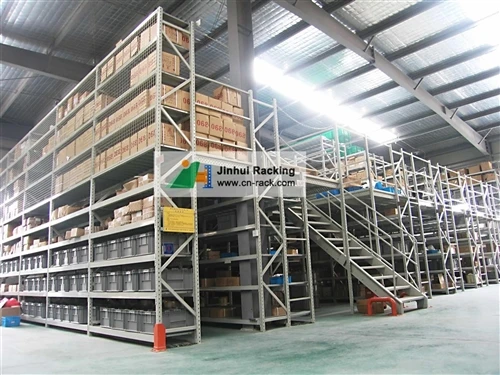

If you're running a warehouse or managing storage operations, mobile pallet racking is probably one of your unsung heroes. It lets you double or even triple your floor space compared to static racks, cuts down on wasted aisles, and keeps pallets organized for fast access. But here's the thing: even the most heavy-duty, space-saving mobile racking won't work as well if it's caked in dust, spilled product, or grime. I've been supplying mobile racking systems for over 10 years, and I've seen firsthand how bad cleaning habits can not only shorten a rack's lifespan but also create safety risks-like debris catching fire, pallets slipping off dirty beams, or even mobile units jamming on their tracks. So what's the best way to clean your mobile pallet racking? It's not just hosing it down (yes, I've seen that mistake more times than I can count). It's a step-by-step, science-backed routine that matches your rack type, your environment, and how often you use it. Let's break it down like we're chatting over a coffee in your warehouse break room-no stuffy industry jargon, just what actually works.
First, let's get one thing straight: cleaning mobile racking isn't a one-size-fits-all job. The "best way" depends on whether you've got manual, motorized, or automatic mobile units. Manual racks are the simpler, budget-friendly option-you move them by hand along floor tracks to open aisles, so their biggest mess is usually dust from dry goods warehouses or small debris from incoming pallets. Motorized and automatic systems are the ones with built-in motors to slide entire banks of racks, so they have extra parts-tracks, motor housings, gearboxes, and control panels-that need way more care. If you're investing in a motorized system, trust me, the cleaning routine is worth it to keep those motors running smoothly. In fact, we've got a couple of top sellers here that are designed to make both cleaning and operation easier: our Easy Operation Motorized Mobile Racking System is built with wide, easy-access tracks and sealed motor parts, so you don't have to pry gunk out of tight gaps every month. For warehouses in extra tough spots-like cold storage, food processing, or dirty construction supply yards-our Very Safty Motorized Mobile Racking System has corrosion-resistant parts and debris-guarded motors to cut down on how much cleaning you need to do in the first place. And if you're ready to level up with zero manual operation, our Automatic Heavy Duty Electric Mobile Pallet Storage Racking System uses sensors to keep aisles clear, which means less dust and debris building up in tracks over time. But even with these tough, user-friendly systems, you still need to stick to a solid cleaning plan.
Let's start with the basics: prep work before you even pick up a mop or a pressure washer. You can't clean a rack full of pallets-first, you've got to clear the bank you're working on. Safety is non-negotiable here: lock out the motor (if it's electric) so it can't accidentally slide while you're cleaning, and put up a "no access" sign so no one tries to move the racks. For manual racks, you might need an extra set of hands to slide the bank open far enough to get to the tracks and the lower rack levels. Pro tip: if you have a lot of pallets, do small batches-move only one bank at a time instead of clearing the whole warehouse in one go. That way, you're not wasting time rearranging pallets, and you reduce the risk of knocking something over. Also, grab the right tools for the job. Skip the harsh steel brushes that can scratch or bend rack beams-use stiff nylon bristle brushes for debris, soft microfiber cloths for motor parts, and a handheld vacuum with a narrow nozzle to suck up dust from track grooves. If you've got sticky spills (like syrup, oil, or food products), a plastic putty knife works way better than a metal one to scrape gunk off without damaging the rack's finish. And don't forget your PPE: safety goggles to keep dust out of your eyes, gloves to protect your hands from sharp edges, and closed-toe shoes-those dropped pallets hurt, and cleaning supplies can be slippery.
Now, the step-by-step cleaning routine, tailored to different rack types. Let's start with manual mobile pallet racking, since that's the most common for small to mid-sized warehouses. First, tackle the tracks-this is the #1 spot people miss, and it's also the main cause of jams. Dust, wood shavings, broken pallet parts, and even rubber bits from warehouse floors build up in the track grooves, and over time they get compacted so bad the rack can't slide evenly. To clean tracks: use your vacuum's narrow nozzle to suck out loose debris, then spray a light mist of warm, soapy water (diluted dish soap works great-no need for harsh chemicals) on the track, and scrub with a nylon brush. Wipe the track dry with a microfiber cloth, then lubricate the tracks with a silicone-based lubricant (avoid oil-based lubes-they attract more dust and can make the motor slip if you have an electric system). Next, clean the rack beams and uprights: wipe down all visible surfaces with a damp cloth, use the brush to get in the corners of the beams where dust hides, and for any small spills, spot clean with warm soapy water. Don't forget the wheels! The casters on mobile racks pick up so much debris they can roll right over a gap in the track-turn each wheel by hand, scrub the tire with a brush, and wipe the wheel hub to remove caked-on gunk. For manual racks, this routine takes about 30 minutes per bank, and you should do it every 2 weeks in dusty warehouses, every month in cleaner environments.
Motorized and automatic systems need a bit more care because of the electronics, but they're also easier to maintain if you stay consistent. First, again, lock out the motor-most electric motors have a simple switch or a lockout tag, so don't skip this. Start with the same track cleaning routine, but pay extra attention to the motor housing and control panel. Never spray water directly on motor parts-even sealed motors can have gaps where moisture gets in and causes shorts. Instead, use a slightly damp (not wet) microfiber cloth to wipe down the housing, and use a can of compressed air (on low setting) to blow dust out of control buttons and sensor slots. If you have automatic systems with barcode scanners or proximity sensors, those tiny lenses can get dirty and cause the system to misread pallets or not open the right aisle-wipe them with a lens cloth, just like you would a camera. For sticky spills on motorized racks, use a mild, non-abrasive cleaner (avoid bleach or ammonia, they can corrode metal parts) and wipe immediately to prevent gunk from drying. Also, check the gearbox every 6 months-if you see low lubricant levels, top it off with the manufacturer's recommended lube (we always include a small bottle with our systems, but you can order more from our site too).
Wait, what about heavy-duty racks in harsh environments? Like cold storage warehouses, where condensation builds up, or food processing plants where you need to wash down the entire floor regularly? A lot of warehouses in these spots make the mistake of using high-pressure hoses on their racks-and that's a big no. High pressure can push water into motor parts, warp thin steel beams, and even rust the inside of uprights. If you do need to wash down racks in a cold storage or food plant, use a low-pressure spray (no more than 500 PSI) and keep the nozzle at least 2 feet away from all electrical parts. After washing, dry every surface completely, then lubricate tracks right away to prevent rust. For food processing, you also need to make sure your cleaning supplies are food-safe-no harsh chemicals that can leach onto pallets. Our Very Safty Motorized Mobile Racking System is designed for these exact environments, with food-grade sealants and rustproof tracks, so it holds up better to regular washes.


Now, the most common mistakes I see when people clean their mobile racking. First, rushing it. They wait until the rack is so dirty they can't slide it, then spend hours scraping gunk off tracks instead of doing 15-minute weekly checks. Second, using the wrong chemicals. Bleach, abrasive scrubbers, and oil-based lubes might get the dirt off in the moment, but they damage the rack's finish, corrode metal, or attract more dust long-term. Third, skipping regular track checks. 90% of mobile racking issues-jams, misaligned racks, even bent beams-start with dirty tracks. Finally, not training your staff. A lot of warehouse teams are moved around, so if no one knows the right way to clean the racks, you'll end up with inconsistent (or bad) cleaning. We always include a quick 1-page cleaning guide with every rack system we sell, and we can do a 15-minute virtual walkthrough for your team if you need it-no extra charge.
Wait, let's talk about long-term maintenance that ties into cleaning. If you do the regular cleaning, your mobile racking will last 10 to 15 years, instead of 5 or 6. You'll also avoid downtime-nothing kills productivity like a jammed rack when you need to pull a pallet for an order. For example, a customer I worked with last year had a motorized rack system that was 7 years old, but they'd never cleaned the tracks properly. The motor burned out because dust got into the gears, and they had to shut down half their warehouse for 3 days waiting for a replacement. If they'd stuck to a 2-week track cleaning routine, they could have caught a small lube issue and fixed it for $20 instead of a $1,500 motor.
Now, what if you're not sure where to start? If you've got manual racks, start with a deep clean first-clear one bank, follow the prep steps, scrub the tracks, wheels, and beams. Then set a recurring reminder on your warehouse calendar to do a quick wipe-down every week. For motorized or automatic systems, do a deep clean every 3 months, and a quick check (wipe sensors, vacuum tracks) every 2 weeks. We also offer on-site cleaning consultations for warehouses that have a lot of racks-we can come in, check your current cleaning routine, point out gaps, and even do a demo of how to clean our own systems.
At the end of the day, cleaning mobile pallet racking isn't just about making your warehouse look nice-it's about safety, productivity, and protecting a big investment. Whether you're just setting up your first system or upgrading to a motorized one, taking the time to clean it right will pay off. If you're in the market for a new mobile racking system, or you want to learn more about how to maintain the one you have, feel free to reach out to our team to discuss your specific needs. We've worked with warehouses of all sizes, from small retail storerooms to large distribution centers, and we can help you find a system that's easy to clean and fits your space.
References
- Material Handling Industry Association. (2022). "Best Practices for Mobile Pallet Racking Maintenance and Cleaning." MH Standards & Guidelines.
- OSHA. (2021). "Warehouse Safety: Mobile Racking Equipment Care and Inspection." Occupational Safety and Health Administration.
- Steel Storage Racking Manufacturers Association. (2023). "Longevity of Heavy-Duty Pallet Racking: The Impact of Cleaning Routines." SSRMA Technical Report.
- Food and Drug Administration. (2020). "Guidance for Food Storage Equipment Cleaning and Sanitation in Manufacturing Facilities." FDA Food Safety Modernization Act.