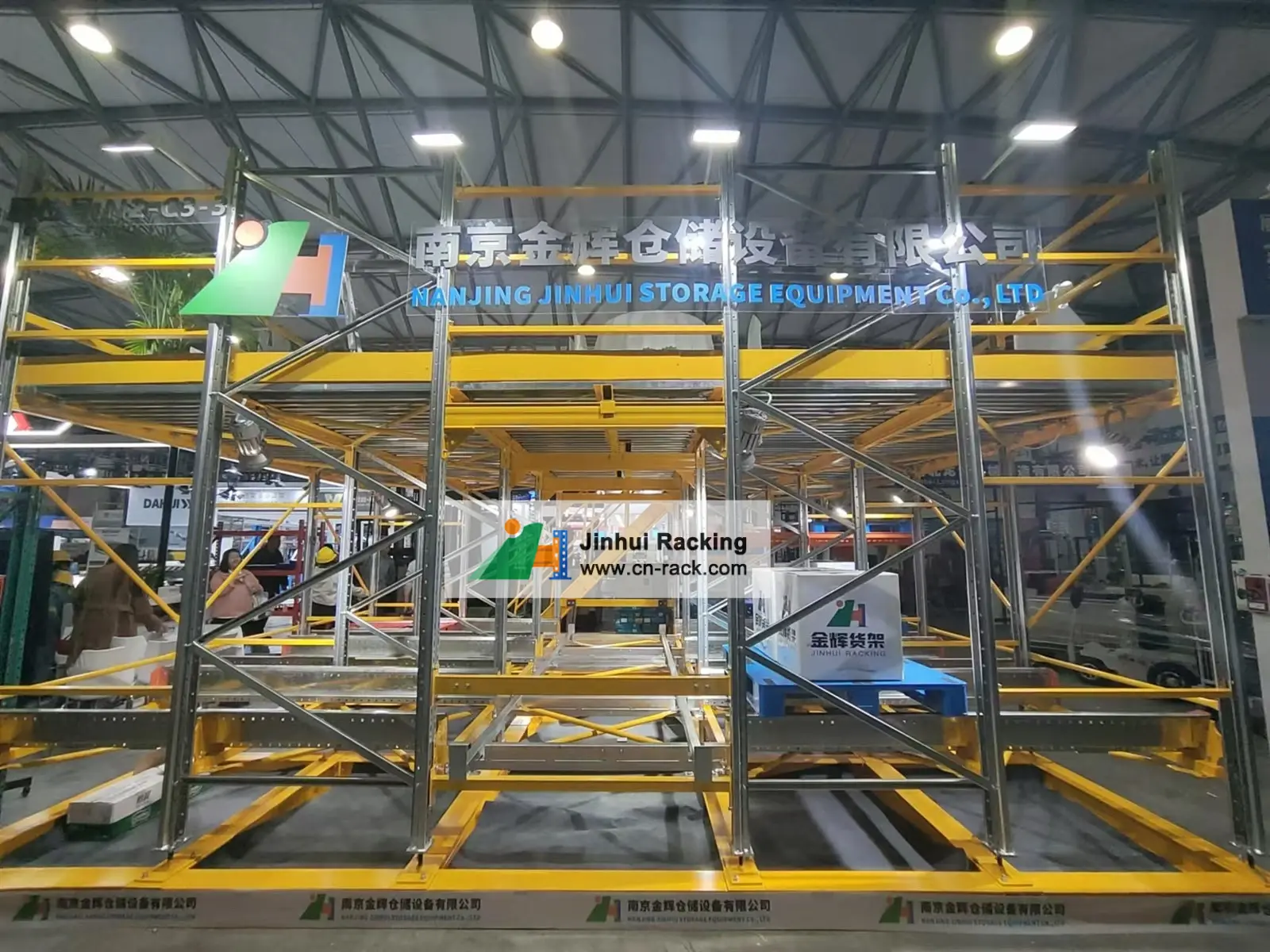

What is the height limit of custom pallet racking?
As a supplier of Custom Pallet Racking, I often encounter inquiries about the height limit of our custom pallet racking systems. This is a crucial question, as the height of the racking can significantly impact the storage capacity, operational efficiency, and safety of a warehouse. In this blog post, I will delve into the factors that determine the height limit of custom pallet racking and provide some insights to help you make informed decisions for your storage needs.
Factors Affecting the Height Limit of Custom Pallet Racking
Structural Integrity
The primary factor influencing the height limit of custom pallet racking is the structural integrity of the system. The racking must be able to withstand the weight of the pallets and the stored goods, as well as any additional forces such as seismic activity, wind loads, and forklift impacts. The design and construction of the racking, including the type of materials used, the size and thickness of the components, and the method of connection, all play a crucial role in ensuring its stability and strength.
For instance, heavy-duty steel is commonly used in the construction of pallet racking due to its high strength and durability. The size and thickness of the uprights, beams, and braces are carefully calculated based on the expected load capacity and the height of the racking. Additionally, the connection between the components, such as bolted or welded joints, must be strong enough to prevent the racking from collapsing under stress.
Warehouse Space and Layout
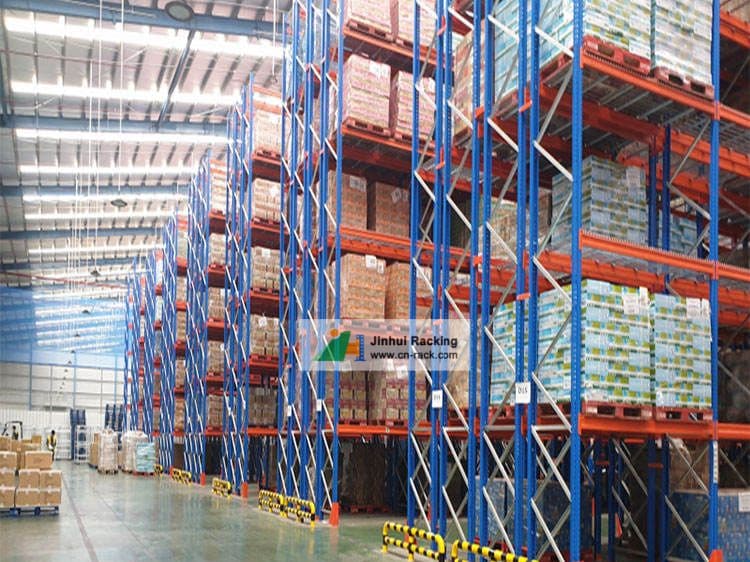
The available space and layout of the warehouse also have a significant impact on the height limit of custom pallet racking. The height of the ceiling, the width of the aisles, and the presence of any obstructions such as columns, sprinkler systems, or ventilation ducts must be taken into consideration when designing the racking system.
In general, taller racking systems require more vertical space, which may not be feasible in warehouses with low ceilings. Additionally, the width of the aisles must be sufficient to allow for the safe operation of forklifts or other material handling equipment. If the aisles are too narrow, it may be difficult or dangerous to access the pallets stored at the higher levels of the racking.
Material Handling Equipment
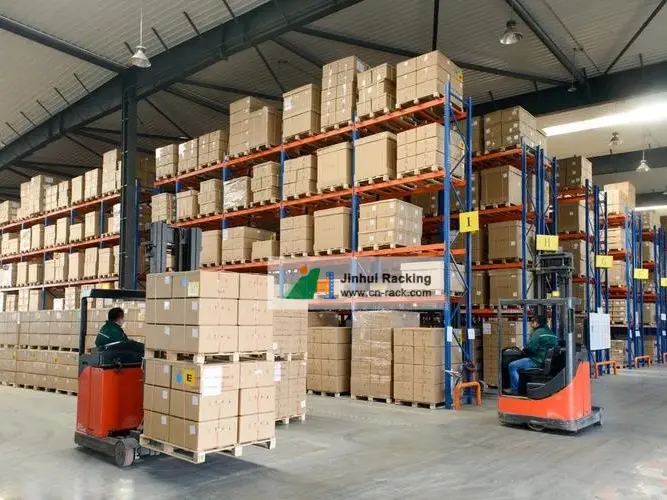
The type and capacity of the material handling equipment used in the warehouse are another important factor to consider when determining the height limit of custom pallet racking. Forklifts, reach trucks, and stackers have different lifting capacities and maximum reach heights, which must be compatible with the height of the racking system.
For example, a standard counterbalance forklift may have a maximum lifting height of around 10 to 12 meters, while a high-reach forklift or a very narrow aisle (VNA) truck can reach heights of up to 20 meters or more. If the racking is designed to be taller than the maximum reach height of the available material handling equipment, it may not be possible to access the pallets stored at the higher levels, which would limit the effectiveness of the storage system.
Fire Safety Regulations
Fire safety regulations also impose certain restrictions on the height of custom pallet racking. In many countries, there are specific requirements regarding the maximum height of racking systems in relation to the type of stored goods, the presence of fire suppression systems, and the distance between the racking and other structures.
For instance, in warehouses storing flammable or combustible materials, the height of the racking may be limited to ensure that the fire suppression system can effectively extinguish a fire. Additionally, there may be requirements for the installation of fire barriers or sprinkler systems at certain intervals along the height of the racking to prevent the spread of fire.
Operational Efficiency
Finally, the height limit of custom pallet racking should also be determined based on the operational efficiency of the warehouse. While taller racking systems can provide greater storage capacity, they may also increase the time and effort required to access the pallets stored at the higher levels. This can lead to longer picking times, increased labor costs, and reduced productivity.
Therefore, it is important to strike a balance between the storage capacity and the operational efficiency of the warehouse when designing the racking system. This may involve considering factors such as the frequency of access to the pallets, the type of goods being stored, and the available labor resources.
Typical Height Limits of Custom Pallet Racking
The height limit of custom pallet racking can vary widely depending on the factors discussed above. However, in general, the following are some typical height limits for different types of pallet racking systems:
Selective Pallet Racking
Selective pallet racking is the most common type of pallet racking system, which allows for direct access to each pallet. The height limit of selective pallet racking typically ranges from 6 to 12 meters, although it can be taller in some cases with the use of specialized equipment and structural design.
Drive-In and Drive-Through Pallet Racking
Drive-in and drive-through pallet racking systems are designed to maximize storage density by allowing forklifts to drive into the racking to access the pallets. The height limit of drive-in and drive-through pallet racking is typically lower than that of selective pallet racking, ranging from 4 to 8 meters. This is because the structural design of these systems is more complex and requires additional support to ensure stability.
Push-Back Pallet Racking
Push-back pallet racking is a high-density storage system that uses a series of nested carts to store pallets. The height limit of push-back pallet racking typically ranges from 6 to 9 meters, although it can be taller in some cases with the use of specialized equipment and structural design.
Pallet Flow Racking
Pallet flow racking is a dynamic storage system that uses gravity to move the pallets through the racking. The height limit of pallet flow racking typically ranges from 3 to 6 meters, although it can be taller in some cases with the use of specialized equipment and structural design.
Maximizing Storage Capacity with Custom Pallet Racking
While the height limit of custom pallet racking is an important consideration, there are several ways to maximize the storage capacity of your warehouse within the constraints of the available space and equipment. Here are some tips:
Optimize the Layout
Carefully plan the layout of your warehouse to make the most efficient use of the available space. This may involve using narrow aisle forklifts or VNA trucks to reduce the width of the aisles, or installing mezzanine floors to add additional storage levels.
Use High-Density Storage Systems
Consider using high-density storage systems such as drive-in, drive-through, push-back, or pallet flow racking to increase the storage density of your warehouse. These systems can significantly reduce the amount of floor space required for storage while still providing easy access to the pallets.
Implement a Warehouse Management System (WMS)
A WMS can help you optimize the storage and retrieval of your pallets by providing real-time inventory information, guiding the picking process, and ensuring that the pallets are stored in the most efficient locations. This can help you maximize the storage capacity of your warehouse and improve the overall operational efficiency.
Regularly Review and Optimize Your Storage System
As your business grows and your storage needs change, it is important to regularly review and optimize your storage system to ensure that it is still meeting your requirements. This may involve adding or removing racking, changing the layout of the warehouse, or upgrading your material handling equipment.
Conclusion
The height limit of custom pallet racking is determined by a variety of factors, including structural integrity, warehouse space and layout, material handling equipment, fire safety regulations, and operational efficiency. By carefully considering these factors and working with a professional supplier Custom Pallet Racking, you can design a racking system that meets your specific storage needs while ensuring the safety and efficiency of your warehouse operations.
If you are interested in learning more about our custom pallet racking solutions or would like to discuss your storage requirements, please don't hesitate to contact us. We would be happy to provide you with a free consultation and a customized quote.
- Jinhui Heavy Duty Shelves Industrial Steel Rack Warehouse Pallet Racking For Medium Weight Warehouse Racking System
- Industrial Heavy Duty Rack Manufacturing Pallet Rack Logistics Equipment Factory Warehouse Storage Racks Heavy Duty Racking
- Static Pallet Racking
- New Design Motorized Mobile Racks System Railed Racking Pallet Racking Storage Rack Warehouse Rack With High Load-Bearing
References
- "Warehouse Storage Systems Design and Management" by David A. Piasecki
- "Material Handling Handbook" by Arthur M. Gue
- "Fire Protection Handbook" by National Fire Protection Association