
Let's cut to the chase: I'm a shelving supplier who gets dozens of calls a week from people asking this exact question-"Can I install shelving on my own?" It makes sense, really. Whether you're a small business owner setting up a garage workshop, a manager organizing a retail backroom, or even a homeowner tackling a basement storage project, the idea of saving a few hundred dollars (or more) on professional installation is hard to pass up. But after seeing what happens when someone skips the basics, uses the wrong tools, or misjudges weight capacity, I'm here to break this down honestly. No sales pitch, just straight talk from a company that's been moving steel storage solutions for over a decade.
First, let's define what "install shelving on your own" actually means. Not all shelving is created equal, and that's where most people go wrong. If you're talking about the tiny, particleboard units you pick up at a big-box store for storing books or seasonal decor, sure-you could probably put those together in an afternoon with a screwdriver. But if you're dealing with any sort of heavy-duty or long-term storage, like the units we provide for warehouses, shops, or commercial spaces, it's a totally different ballgame. Let's start with the key factors that will determine if you can do this alone, because it's not a one-size-fits-all answer.
The first big variable is the type of shelving you're working with. At our company, we specialize in industrial and medium-duty steel storage solutions, so let's use those as examples, since that's what most people reaching out to us need. If you're looking for something for light, occasional use, a basic boltless shelving unit might be manageable, but for anything holding heavy tools, inventory, or bulk supplies, you need to take structure and weight limits seriously. Let's talk about the products we offer, because their design directly impacts installation difficulty.
Take our Warehouse Shelves High Quality Steel Storage Longspan Shelving, for example. This is a workhorse unit designed for medium to heavy-duty storage, perfect for warehouses, auto shops, or larger retail spaces. At first glance, it looks like it might be similar to the flimsy units from the big box store, but there's a world of difference. Longspan shelving like this is made from thick, reinforced steel, with adjustable shelves that hold far more weight than their consumer counterparts. The installation process here isn't just tightening a few screws. You're dealing with vertical posts that need to be anchored to the floor and wall (if you're mounting to a wall for extra stability), cross beams that have to lock in place evenly, and shelves that need to sit level to avoid sagging. Now, could a handy person with basic tools install this alone? Technically, yes-if you have the right tools and take your time. But is it advisable? That's where the answer gets complicated.
Next, let's look at our Medium Duty Shelving with Steel Plate Boltless Shelves. This is a popular choice for small businesses, home workshops, or even office storage. The "boltless" part is a key design feature here-instead of using bolts and nuts that need to be tightened with a wrench or drill, these units use a locking system where you just slot the cross beams into the vertical posts and they click into place. That makes assembly simpler, right? Well, for a single unit holding maybe 500-700 pounds total, it is. But when you start stacking multiple units, or if you're putting heavy items like power tools or bulk supplies on them, you need to make sure they're aligned perfectly. If one post is even a half-inch off, the whole unit can wobble, and over time, that can lead to bent beams or even safety issues. Here, going it alone might be feasible for a small, light load, but again, there are tradeoffs.
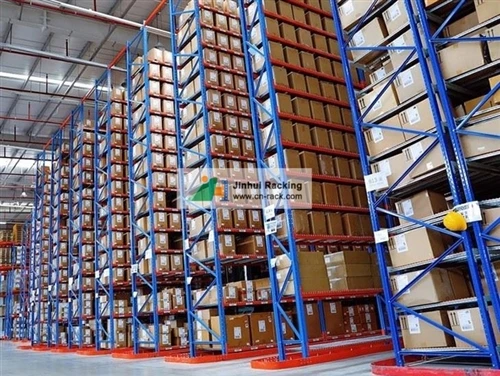
Then there's our Industrial Longspan Shelving, which is built for the heaviest loads-think 1,500 pounds or more per shelf, perfect for warehouses storing pallets, construction materials, or large equipment parts. This is not a unit you want to tackle by yourself. The vertical posts here are taller and heavier, the cross beams are thicker, and anchoring them correctly requires precision. You're not just putting something together; you're creating a storage structure that needs to meet safety codes, support heavy weights, and last for years. Trying to move and anchor posts this heavy alone can lead to back injuries, not to mention misalignment that makes the entire unit unstable.
Beyond the type of shelving, there are three non-negotiable factors that will make or break your DIY installation success: tools, space, and safety knowledge. Let's break these down, because this is where most DIYers underestimate the work.
First, tools. You might think a drill, a tape measure, and a level are enough, but let's be real. For most steel shelving units, you'll need a few more things. A stud finder, if you're anchoring to a wall-drilling into drywall alone isn't enough for heavy shelving; you need to anchor into wall studs. A impact driver, to tighten bolts and brackets securely, because a regular drill might not have enough torque to lock steel components together. A level, not just a basic bubble level, but a longer, 4-foot level, because short levels can hide small misalignments that cause big problems. If you're dealing with taller units, you might even need a second person to hold posts in place while you drill, which brings me to the next point.
Space and manpower. Even for a medium-duty shelving unit, you're moving parts that weigh 50 to 100 pounds each. A 10-foot tall vertical post? That's probably 70 or 80 pounds alone. Lifting that, holding it plumb, and drilling holes into the floor or wall at the same time is a two-person job, minimum. If you're working in a tight space-like a small garage with limited room to move around the unit-this gets even harder. I've seen too many DIYers try to muscle a post into place alone, only to drop it, scratch the unit, crack the floor, or worse, injure themselves. Manpower isn't just a convenience here; it's a safety necessity.
Then there's safety knowledge. Most DIYers don't know that anchoring shelving to the wall is non-negotiable for units taller than 6 feet. I've seen a 8-foot tall shelving unit full of tools tip over because it wasn't anchored-luckily, no one got hurt, but it destroyed $2,000 worth of equipment and damaged the wall. You also need to calculate the weight capacity of each shelf, and not just the total for the whole unit. Putting 500 pounds on a single shelf that's only rated for 200 pounds is a recipe for a sagging, broken shelf. Most shelving units have weight ratings listed in the manual, but do you know how to read those? A lot of manuals use different standards for heavy-duty vs. medium-duty units, and mixing that up leads to mistakes. Also, wearing the right gear-work gloves, steel-toe boots, safety glasses-isn't optional when you're lifting heavy steel parts and drilling.
Now, let's talk about the times when DIY installation actually works. If you're putting together a small, light-duty unit for your closet that holds clothes or linens, you're dealing with plastic or thin particleboard, and you have a friend to help hold parts, sure-you can do that. Or if you're a seasoned DIYer with years of experience working with metal, power tools, and construction, and you've installed similar units before, you might be able to handle a medium-duty boltless unit for a small garage workshop. But even then, I always recommend taking an extra 30 minutes to double-check every alignment and anchor, because one mistake can lead to problems down the line.
The alternative, of course, is hiring a professional. I know what you're thinking: "That's going to cost way more than buying the shelving itself." But let's do the math. A professional installer will come with all the right tools, a team to handle the heavy parts, and knowledge of how to properly anchor, level, and test the shelving. They'll also handle any surprises that come up-like finding uneven floors, which is a common issue in old warehouses or basements, and adjusting the shelving to compensate. Uneven floors are one of the biggest hidden problems with DIY installations; if you don't shim the posts correctly, the unit will wobble, and over time, the beams will twist or the shelves will come loose. A professional will spot that immediately and fix it, something most first-time DIYers would miss.
Another thing to consider: warranty. At our company, all of our shelving products come with a warranty on manufacturing defects, but that warranty only applies if the unit is installed correctly. If you install it yourself and it collapses because you didn't anchor it to the wall, the warranty won't cover that. If a shelf sags because you didn't level the unit, same thing. When you hire a professional installation team, we coordinate with you to make sure the product is set up properly, and any issues that come up during installation are addressed right away, so you're not left with a broken unit that you have to pay to replace.
Wait, but let's not write off DIY entirely. If you're determined to save money, there are ways to do it safely. First, pick the right shelving product for your needs. Don't buy a heavy-duty industrial unit for light storage-our boltless shelving units are designed for small to medium loads, so if you're only storing tools and bulk supplies in a small space, that might be the sweet spot for DIY. Next, invest in the right tools. Don't borrow a basic drill from your neighbor; buy or rent an impact driver, a long level, a stud finder, and shims for uneven floors. Enlist at least one friend to help-this isn't a project you should do alone. Take your time: don't rush the installation. Lay out all the parts first to make sure you have everything, read the manual cover to cover, and check the level of the posts every single time you add one. Test the unit after you're done: gently push each shelf to make sure it's stable, and give the whole unit a little shake to make sure it doesn't wobble.
I'll be honest, though. Most of the time, people who ask if they can install shelving on their own end up realizing that professional installation is worth it. Last month, a customer reached out to us after trying to install a longspan shelving unit for his auto repair shop by himself. He'd dropped a 70-pound post, hurting his shoulder, and when we sent our team to fix it, we found that he'd drilled the wall anchors into the wrong studs, so the unit wasn't anchored at all. He ended up paying for professional installation anyway, plus the cost to replace the damaged post and cover his shoulder medical bills-all for trying to save a few hundred dollars upfront.
Another customer, a small bakery owner, called us when she was expanding her backroom storage. She was tempted to install the medium-duty shelving herself, but after talking through the weight of the baking supplies, the height of the space, and the fact that she'd never done this kind of work before, she opted for professional installation. She told us later that the whole process took half a day, they fixed a few uneven spots in her concrete floor that she never would have noticed, and the shelving has held her 100-pound bags of flour and sugar without a single issue.
At the end of the day, the answer to "Can I install shelving on my own?" is: maybe, but it depends on a lot of factors. If you have the right tools, manpower, experience, and safety knowledge, and you're working with a light to medium-duty unit for low to moderate weight loads, you can absolutely tackle it. But if you're dealing with heavy-duty shelving, tall units, heavy loads, tight spaces, or you're new to this kind of project, it's smarter to hire a professional.
For what it's worth, at our company, we don't push installation services on every customer. We're here to help you choose the right shelving, whether you install it yourself or need help. If you're ready to look at our options, check out our Warehouse Shelves High Quality Steel Storage Longspan Shelving for medium to heavy-duty needs, our Medium Duty Shelving with Steel Plate Boltless Shelves for smaller, easier-to-handle units, or our Industrial Longspan Shelving for the heaviest loads. No matter which one you pick, we're here to answer your questions about installation, weight limits, and more.
If you're ready to move forward, we're here to help you find the perfect storage solution and talk through your options for installation. Reach out to our team to discuss your project, and we'll guide you every step of the way.


References
- National Storage Industry Consortium. (2022). Best Practices for Commercial Storage Shelving Installation.
- Occupational Safety and Health Administration (OSHA). (2021). Safety Guidelines for Warehouse and Storage Structures.
- Steel Storage Manufacturers Association. (2020). Weight Capacity and Installation Standards for Steel Shelving Systems.
- Small Business Administration. (2023). DIY vs. Professional Installation for Commercial Storage Solutions.