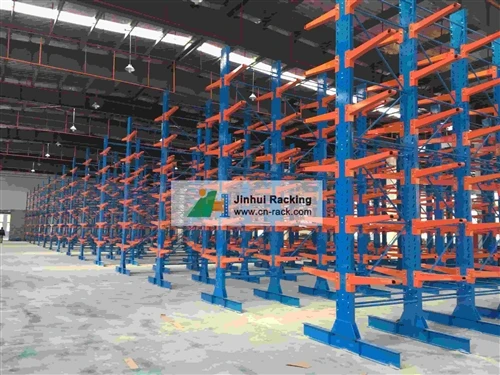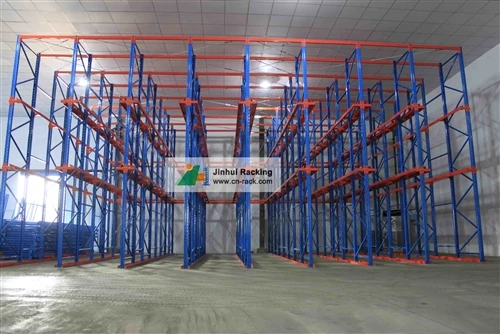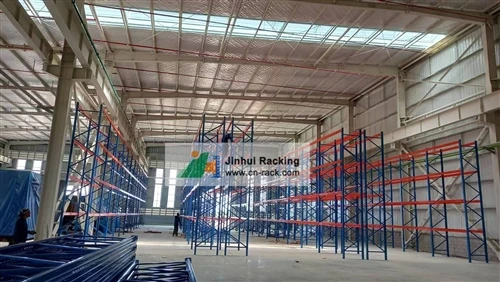

Hey guys, if you're running a warehouse, you probably already know narrow aisle racking is a total game-changer. It maximizes vertical space, cuts down on wasted aisle room, and lets you cram way more inventory into the same square footage. But here's the thing I see a lot of folks sleep on when they install this gear: insurance considerations. Because narrowing aisles = tighter, more efficient storage, but that also means higher risks if something goes sideways. As a narrow aisle racking supplier, I've talked to so many warehouse ops that got hit with huge insurance claims because they didn't plan for these specific risks. Let's break this down like we're chatting over coffee, no boring jargon.
First off, let's get real about what makes narrow aisle racking different from regular old racking. Standard pallet racking needs wider aisles for forklifts to turn around, right? Narrow aisle uses specialized forklifts-like reach trucks or turret trucks-that are way more precise, can navigate those tight gaps, and lift loads way higher. But that precision comes with a cost: there's less room for error. A forklift driver miscalculates a turn, or a rack beam isn't secured right, and you're looking at damaged racking, spilled inventory, maybe even injured staff. Insurance doesn't just cover the physical stuff, either-it covers downtime, liability, that whole mess. So let's start with the biggest insurance red flag: custom vs. one-size-fits-all racking.
A lot of warehouse managers go for the cheapest narrow aisle rack they can find, thinking all it needs to do is hold pallets. But here's the catch: narrow aisle rack isn't universal. A system built for 2,000-pound pallets might not cut it for 5,000-pound ones, and if your insurance policy doesn't account for the actual load capacity of your specific rack, they'll deny a claim if that rack fails. I had a client a few months back who bought a cheap rack from a random online seller-they stored heavy machinery parts there, and the beams bent. Their insurance tried to say "you used unrated equipment" and refused to cover $120k in damaged goods and rack repairs. That's preventable. When you're shopping, make sure your rack is engineered for your exact load, height, and aisle width, and that documentation gets sent straight to your insurance provider. Don't wait until you file a claim to tell them you have a niche system.
Next up, specialized equipment insurance. Because narrow aisle forklifts aren't the same as the standard lift trucks you've had for years. Reach trucks and turret trucks cost way more-like, $50k+ each, vs. $20k for a regular forklift. They also need different maintenance, and they pose different risks. For example, a reach truck's mast can extend way higher, so the chance of hitting the ceiling or sprinkler system goes up (more on that in a sec). Some warehouse insurance policies group all forklifts together, so you might not have enough coverage for these pricey specialized models. I always tell clients to ask their insurer specifically: "Does my policy cover narrow aisle forklifts, or do I need an add-on?" Also, if you're leasing those trucks instead of buying, make sure you check the lease terms and your insurance overlap-you don't want to be on the hook for a $30k repair because your insurer didn't account for the truck's narrow-aisle design.
Wait, speaking of hitting ceilings and sprinklers-let's talk about infrastructure compatibility. Narrow aisle racking is tall, right? I've installed systems that go 40 feet high, which is awesome for space, but if your warehouse's ceiling isn't rated for that, or your sprinkler heads are positioned wrong, you've got a problem. If a forklift knocks a rack into a sprinkler, that causes water damage to inventory, and if the rack itself is improperly spaced from sprinklers, your insurance will say you violated fire codes and deny the claim. I recently had a client who didn't adjust their sprinkler heads after installing our racking system-they spaced the beams too close to a head, and when a driver bumped it, the sprinkler went off and ruined $80k in electronics. Their insurance denied the claim because they said the rack installation didn't meet NFPA standards for sprinkler clearance. That's such an easy fix, but it's one that no one thinks to run by their insurer. Oh, and if you're storing extra heavy stuff, make sure your warehouse floor is rated for the rack's base load-racking doesn't just push down on the floor in one spot, it distributes weight, but if the floor is weak, you can get settlement, which bends the rack. If that happens, insurance might say your floor wasn't up to code and deny coverage for rack repairs.
Then there's personnel training. I can't stress this enough-narrow aisle forklift operators need specific training, way different from regular forklift training. Because they're working in tight spaces, lifting loads higher, they have less visibility, and the risk of tipping or crashing is way higher. A lot of warehouses just train their existing forklift drivers on the new trucks for a couple days, and call it good. But if an untrained driver crashes a rack, that's not just a safety hazard-that's a huge insurance liability. I've seen policies that have specific clauses about training: if your staff isn't certified in narrow aisle operation, the insurer won't cover damages or injuries from an accident. We actually work with a training partner that specializes in narrow aisle equipment, because it's such a key part of reducing risk (and keeping your insurance happy). Don't cut corners here-sending a team for a $500 certification course is way cheaper than a $100k claim denial.
Wait, let's talk about rack maintenance. Narrow aisle racking takes a beating-forklift bumps, heavy loads, daily use. If you don't do regular inspections, small issues turn into big problems. Like, a slightly bent beam might seem fine, but it weakens the whole rack, and that's a failure waiting to happen. Some insurance policies require annual (or even semi-annual) rack inspections by a certified professional, and if you can't prove you did them, they'll deny a claim. I had a client who skipped inspections to save $200 a year, and a beam broke because of hidden rust-they lost $40k in inventory and their insurance said they failed to maintain the rack, so no payout. We offer routine maintenance checks as part of our service, and it's totally worth it for the insurance peace of mind, plus it keeps your rack running longer.
Oh, and a quick shoutout to if you're thinking of upgrading to even more space-efficient systems-like heavy duty storage drawer racking or warehouse steel storage draw-out racking. Those are super popular for storing large, heavy items like industrial molds or spare parts, right? They let you pull out a drawer without moving other inventory, which is perfect for narrow aisles. But when you add a specialized system like that, you've got to tell your insurance. I had a client who switched to heavy duty drawer racking for their 10,000-pound industrial molds, and they didn't update their policy. When a drawer's locking mechanism failed and dropped a mold, their insurance said they didn't disclose the new heavy load system and denied the claim. It's so easy to just shoot your insurer an email when you upgrade your storage gear-takes 2 minutes, saves you a fortune later. Here's a link to one of our most popular heavy duty systems if you're curious: Heavy Duty Storage Drawer Racking Industrial Mold Rack System. And if you need something for general draw-out storage, check this one out: Warehouse Steel Storage Draw-out Racking and Shelving. Both are engineered to meet safety standards that your insurance will love, too.
Wait, another big one: liability coverage. If you run a warehouse, you have general liability, but narrow aisle operations come with specific third-party risks. Like, if a rack falls on a coworker, or a forklift hits a pallet that rolls into a visitor, that's a liability claim. But if your policy doesn't specifically mention narrow aisle racking, the insurer might argue that your storage setup increased the risk and they shouldn't have to pay out. I always advise clients to talk to their liability agent and get the narrow aisle add-on, or at least make sure their existing policy excludes nothing related to their specific rack setup. A lot of standard policies are written for general storage, not these optimized, tight systems, so reading the fine print is non-negotiable.
Let me wrap this up with a quick checklist, because I know you're busy. First: Get engineered, load-rated narrow aisle rack (not cheap generic stuff) and send all specs to your insurance. Second: Update your policy to cover specialized narrow aisle forklifts and any upgraded storage systems (like those draw-out racks we talked about). Third: Make sure your rack and warehouse infrastructure are compliant with fire and safety codes (sprinkler clearance, floor load rating). Fourth: Certify all narrow aisle operators with specialized training, and keep records. Fifth: Schedule annual professional rack inspections, and send those reports to your insurer. Sixth: Confirm your liability and property policies cover narrow aisle-specific risks.


At the end of the day, narrow aisle racking is a killer investment for almost any warehouse, but only if you pair it with the right insurance. I've seen too many warehouses save a few bucks on rack or insurance and end up with way bigger losses when something goes wrong. If you're in the market for narrow aisle racking, or you want to make sure your existing setup is covered by the right insurance, reach out to our team-we're happy to walk you through all the safety and documentation stuff that'll keep your warehouse protected. No sales pitch, just real advice from someone who's been in this game for years. Don't wait until a small problem becomes a huge, costly claim-get ahead of the insurance game now.
References:
- Material Handling Industry of America (MHIA). (2021). "Narrow Aisle Racking Safety Guidelines." Retrieved from mhia.org
- National Fire Protection Association (NFPA). (2022). "Standard for the Installation of Sprinkler Systems (NFPA 13)." Retrieved from nfpa.org
- Occupational Safety and Health Administration (OSHA). (2023). "Warehouse Storage and Material Handling Safety Standards." Retrieved from osha.gov
- Insurance Information Institute (III). (2022). "Commercial Property Insurance: Covering Warehouse Operations." Retrieved from iii.org