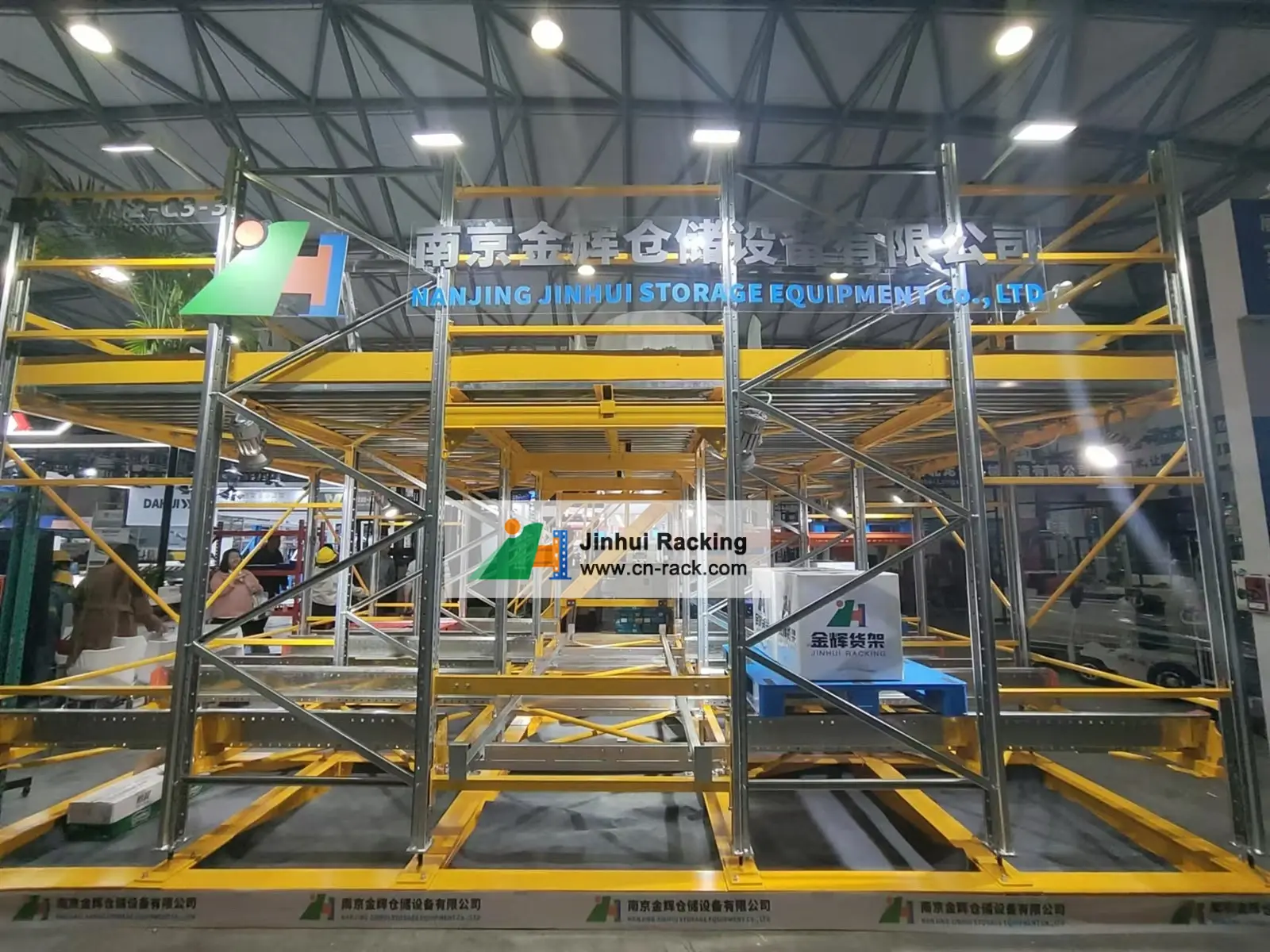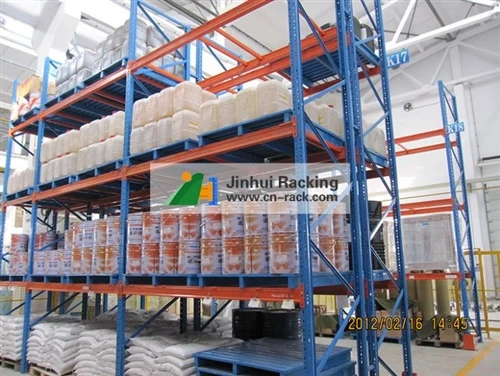

If you've ever walked into a cold storage facility-whether for frozen food, pharmaceuticals, or temperature-sensitive chemicals-you'll notice right away that the environment doesn't play by regular warehouse rules. Subzero temperatures, frost buildup, and high humidity don't just make work harder; they put every piece of equipment at extra risk, especially warehouse racking. As a supplier who's installed drive-in and drive-through racking systems for cold rooms and processing facilities for over a decade, I've seen firsthand how poor installation quality here leads to expensive failures: bent beams, shifted uprights, or even full rack collapses. That's why I've built my business not just selling racking, but enforcing strict, tailored quality control methods for cold storage racking installations. Today, I'm breaking down exactly what those methods are, and why they matter more in cold spaces than in standard warehouses.
First, let's start with the foundation-because in cold storage, even the smallest base mistake can get worse over time. Most cold storage facilities sit on concrete slabs, but extreme cold changes concrete: it shrinks, develops micro-cracks, and can even heave if insulation isn't installed correctly. Before we even touch a single rack component, our installation teams run three non-negotiable foundation checks. The first is a concrete hardness test: using a rebound hammer, we measure compressive strength to confirm it meets 3,000 PSI minimum for heavy rack loads. In one recent project for a frozen vegetable processing plant, a rebound test found a 2,200 PSI slab that was too soft to support drive-in racking; instead of pushing through and risking failure, we recommended reinforcing the slab with a fiber grid, which added just 10% to the project cost but eliminated foundation risks.
Second, we check for frost and moisture in the slab. Even a thin layer of frost between the slab and rack base plates creates a void that shifts weight unevenly. For cold rooms operating at -10°F or lower, we use a digital moisture meter to test the slab's surface moisture content-our cutoff is 4% by weight. If it's higher, we wait two to three days for defrost, or use a dehumidifier to dry it, before securing base plates. Third, we verify slab flatness, which is critical for rack alignment. We use a 10-foot laser level to test for any deviations more than 1/4 inch; if a slab has a dip, we apply a leveling compound to ensure base plates sit flush. Skipping these steps once in a small 5,000 sq ft cold storage unit resulted in a 1-inch shift in uprights, which took two days to correct and cost us valuable downtime with the client. That's why foundation checks are non-negotiable, not just a checkbox.
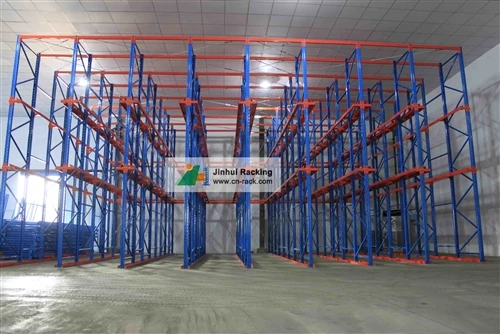
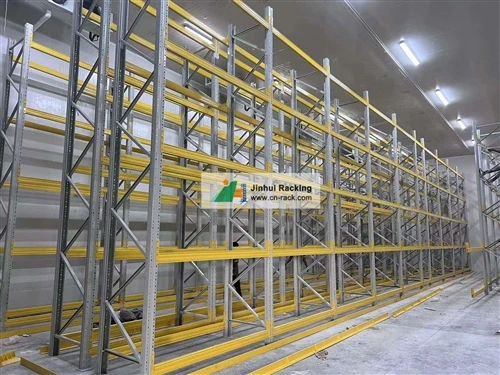
Next comes rack component prep, because cold storage materials behave differently. Standard warehouse racking steel can become brittle in subzero temperatures, so all our drive-in pallet racking systems for cold rooms (you can learn more about these at Warehouse Drive in Pallet Racking System for Cold Room and Processing Industrial) use steel with a Charpy V-Notch impact resistance test rating of -20°F or lower. Before installation, we inspect every single component-uprights, beams, pallet supports, and drive-in rails-for cold-specific defects: small cracks that might not be visible at room temperature, or galvanized coatings that flake from rapid temperature changes. We also pre-assemble beam and upright joints at our warehouse before delivery; this lets us test fit in a controlled space, and swap out any misaligned parts that would take longer to fix in a cold facility. For example, last winter, a shipment of uprights had slightly tapered bolt holes, which would have made installation 30% slower in a -5°F cold room. We caught the mistake during pre-assembly, swapped the parts on-site before delivery, and kept the project on schedule.
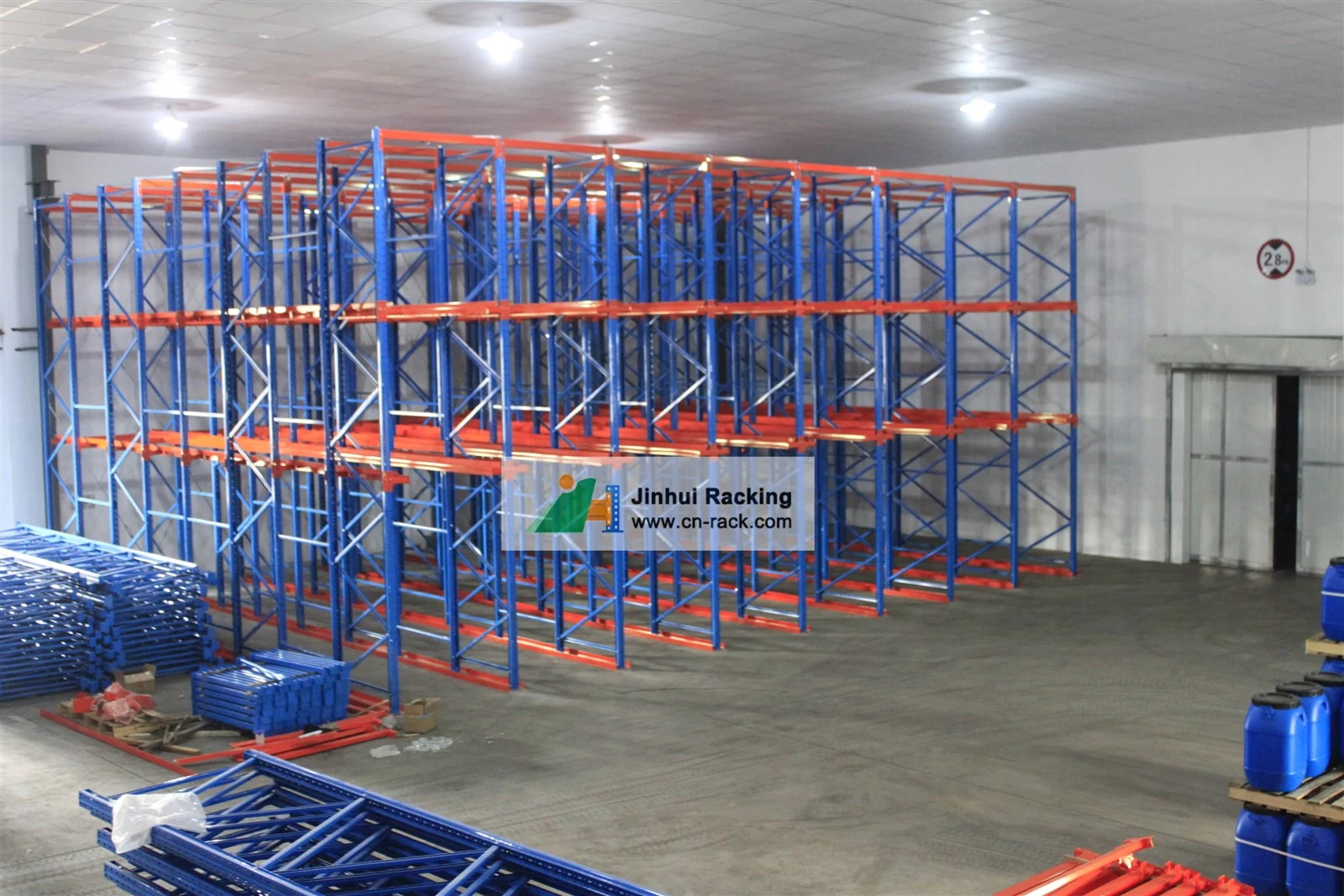
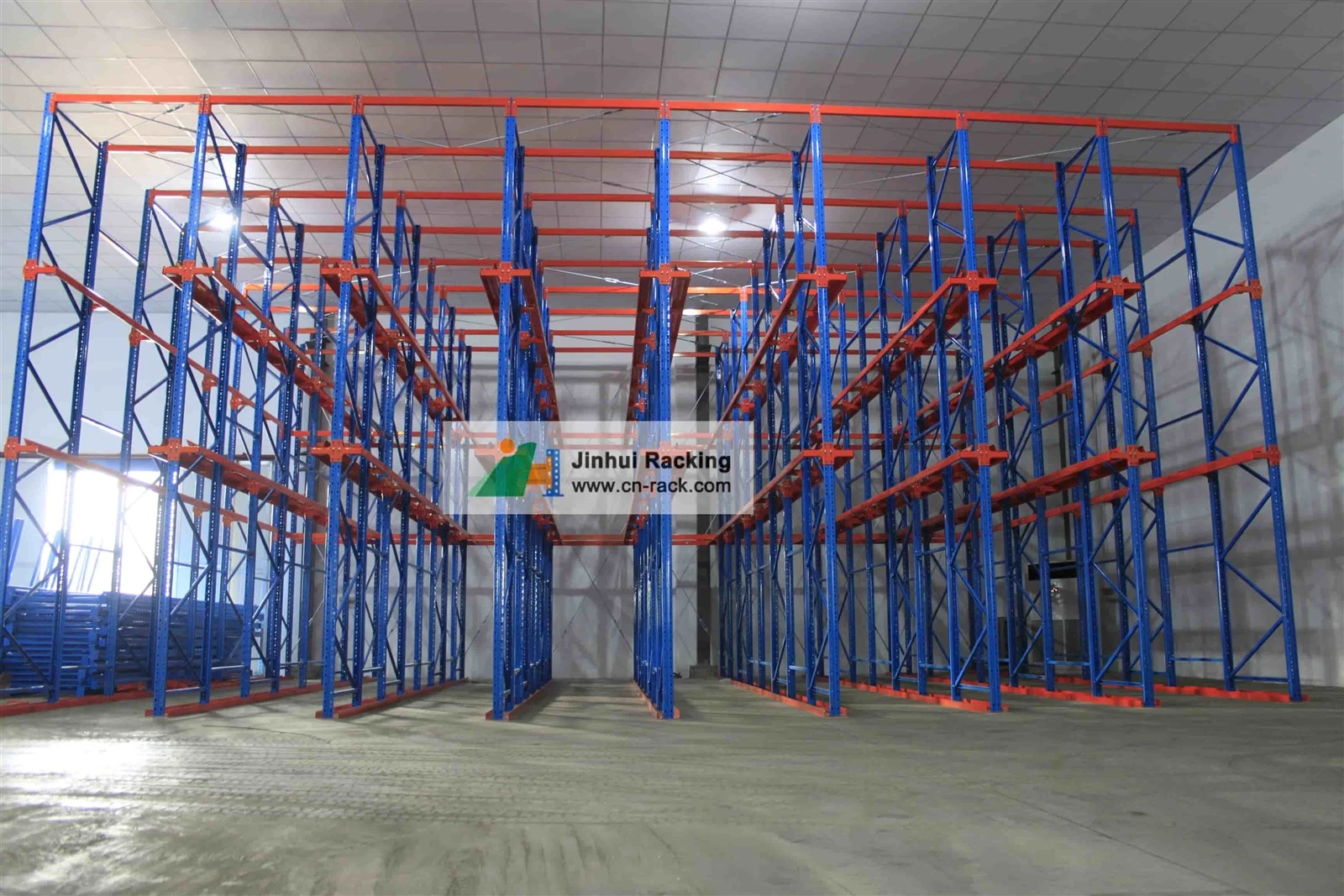
Once components arrive, installation starts with upright assembly, but not before we map every upright's location. Cold storage forklifts are less maneuverable than regular warehouse trucks, and drive-in racks (you can find more details on these at Drive-In / Drive-Through Racking) require precise aisle widths to avoid collisions. We use a total station device to mark each upright's exact x, y, and z coordinates, with a tolerance of ±1/8 inch. This is way more accurate than a tape measure, which is prone to stretching in cold temperatures. Then, when we anchor uprights to the slab, we use expansion bolts rated for low temperatures-regular expansion bolts can seize up or break in subzero conditions. We also use torque wrenches calibrated for cold, because standard torque readings don't apply in extreme cold; in one project, a bolt that we torqued to 80 ft-lbs at room temperature only held 55 ft-lbs in -10°F, which would have loosened over time. Calibrating wrenches on-site with cold test weights fixed that issue.
Beam installation has its own cold-specific quality checks, too. In standard warehouses, beam alignment is just about making sure they sit level, but in cold storage, beams contract as temperatures drop, which can leave gaps at connections and create weak points. For each beam, we measure the gap at both ends of the upright connection after installation-our rule is no more than 1/16 inch. If the gap is larger, we use shims made from cold-resistant plastic to fill it; metal shims can conduct cold and create condensation, which leads to rust over time. We also test beam deflection by placing a 120% load weight on each beam for 24 hours, then measuring how much it bends. For cold storage drive-in beams, our maximum allowed deflection is 1/360 of the beam's length, half the allowance for standard warehouses, because repeated temperature fluctuations make deflection worse over time. We learned this lesson three years ago, when we installed a drive-in racking system for a cold storage facility that skipped the deflection test; within six months, beams had bent under frozen pallets, leading to a 3-pallet collapse and $15,000 in product damage. Now, deflection testing is mandatory for every cold storage project.
After installation, we don't just walk away-we do a full load test tailored to cold storage conditions. Standard load tests use room temperature loads, but our cold storage tests use pallets loaded with the exact product the client will store, kept at the facility's operating temperature for 48 hours. We then run a series of forklift maneuvers that are common in cold storage: backing into drive-in racks at 10 degrees, pulling pallets out quickly, and making sharp turns in narrow aisles. During these tests, we monitor three things: upright shift, beam tension, and any signs of rust or condensation at connections. We also install temperature sensors on key rack joints to track temperature fluctuations, which helps us adjust for future loads. Last month, a client in Minnesota tested our system at -15°F, and the sensors showed a 2-degree difference at one beam connection; we adjusted the shims to improve insulation, which prevented condensation buildup that would have caused rust.
One often-overlooked part of cold storage racking installation is long-term quality control, not just the initial install. We provide every client with a cold storage-specific maintenance plan that includes monthly checks: for frost buildup on base plates, torque of bolt connections, and beam alignment. We also offer annual inspections with thermal imaging cameras, which detect hidden cold spots that lead to condensation and rust. For example, thermal imaging last year found a cold spot on a drive-in rack's upright that wasn't visible to the naked eye; upon closer inspection, it was caused by a broken insulation seal on the base plate, which we fixed before it caused structural damage.
What makes these methods different from standard warehouse racking quality control is that every step is built to account for cold-specific risks: frost, steel brittleness, concrete shifting, and condensation. As someone who's specialized in cold storage racking for years, I know that a rack that works in a 70°F warehouse can fail in a -10°F cold room. That's why I've spent years refining these methods, and why every installation team we work with is trained exclusively on cold storage projects-no cross-training with standard warehouse installations, which is where mistakes happen.
If you're planning a cold storage racking installation, don't cut corners on quality control. The cost of a failed rack (not to mention damaged products, downtime, or even safety risks) is far higher than the investment in proper checks. Our team is here to walk you through every step, from foundation assessments to installation and long-term maintenance, to ensure your racking works as reliably in subzero temperatures as it does in standard conditions. Reach out today to discuss your project, and let's build a cold storage racking system that stands the test of time-even when the temperature drops below zero.
References
- American National Standards Institute (ANSI)/MH16.1, Safety Standard for Storage and Handling of Unit Loads and Rack Structures
- Cold Storage Association International (CSA) Technical Bulletin 007: Structural Design for Cold Environment Racking Systems
- International Code Council (ICC), Cold Storage Facility Construction Specifications, 2021 Edition
- Material Handling Industry (MHI), Drive-In Racking Installation Best Practices for Temperature-Controlled Facilities, 2022