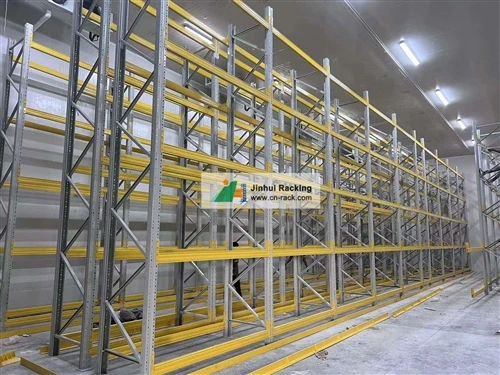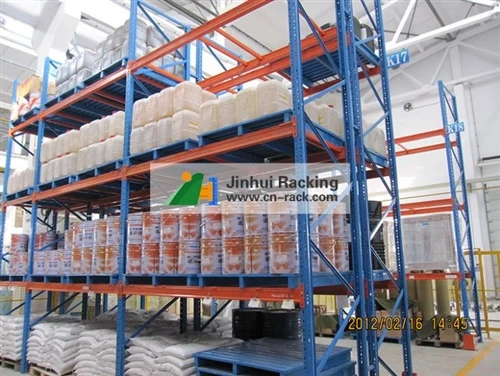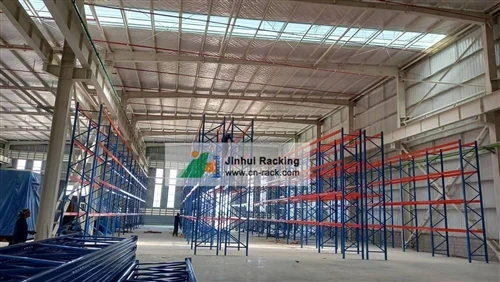

If you've ever worked in a cold storage warehouse, you know it's not just a regular building stuffed with pallets-it's a controlled, high-stakes environment where every detail counts. Temperature swings, moisture buildup, and stagnant air can turn a standard warehouse headache (like damaged goods or slipping staff) into a catastrophic supply chain failure. That's why, as a cold storage racking supplier, one of the most common questions I get from warehouse managers and facility engineers isn't about load capacity or assembly time-it's about ventilation around racking.
Cold storage racks aren't just metal frames holding pallets; they're a critical link between storage efficiency and air flow. If you skimp on ventilation around racking, you risk frost forming on goods (a death sentence for frozen produce, pharmaceuticals, or temperature-sensitive electronics), uneven cooling that wastes energy, and even structural damage to the racks themselves from moisture-related corrosion. Over the past 12 years working directly with cold storage operators, I've seen firsthand how wrong ventilation choices can sink a project-and how smart, science-backed requirements can extend a warehouse's lifespan by years while cutting operational costs. Let's break down what actually works, why it matters, and how to tailor it to the unique rack types used in cold rooms.
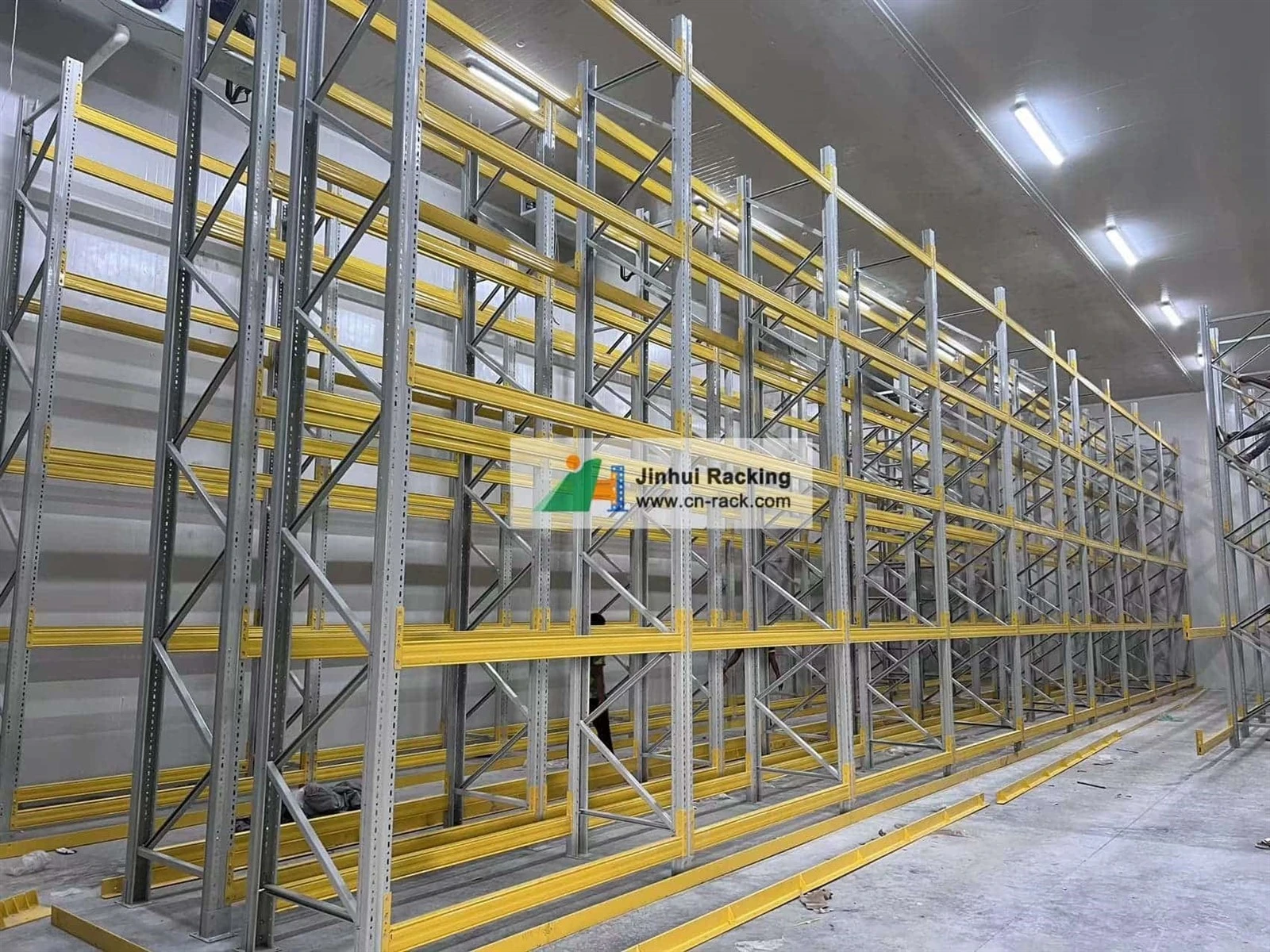
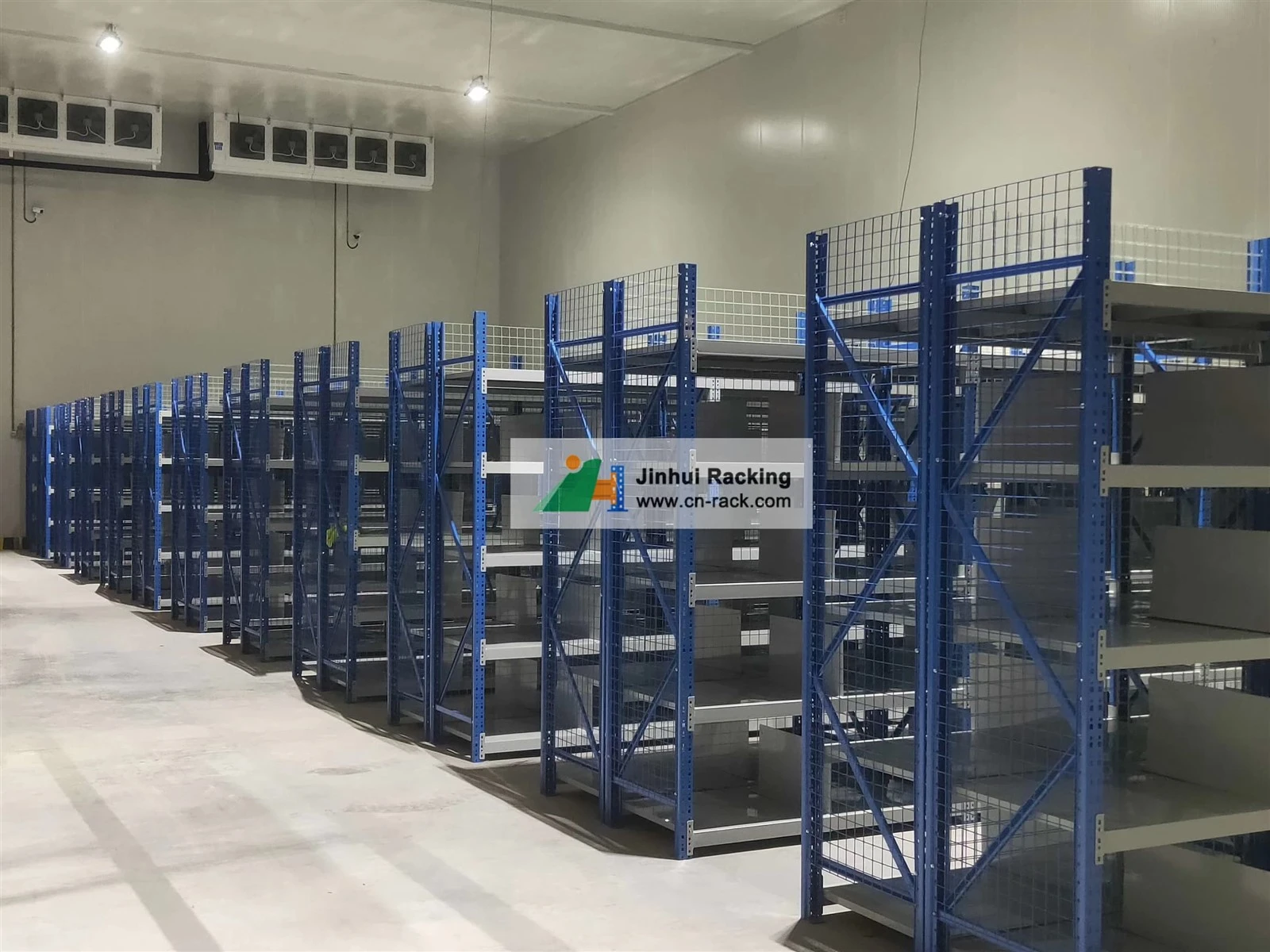
First, let's clarify: ventilation in cold storage isn't the same as what you'd use in a dry warehouse. Cold rooms are typically held at -20°C to 4°C (-4°F to 39°F), with high relative humidity (often 80% or more). Warm, moist air that seeps into the space (from loading doors opening, pallet shrink wrap, or even staff entering) condenses when it hits cold surfaces-including racks. That condensation freezes into frost, which builds up over time and blocks air circulation. If air can't move freely around your racking coils, the cooling system has to work twice as hard to maintain temperature, driving up utility bills and shortening the life of your refrigeration equipment.
So what are the actual ventilation requirements here? It's not a one-size-fits-all rule, but there are three core, science-backed guidelines that apply to every cold storage rack setup. The first is vertical clearance between rack beams and ceiling ducts. Most refrigeration systems in cold storage use overhead air ducts that blow cooled air downward into the space. If your racking hits or gets within 12 inches of these ducts, you create a "dead zone" where air can't circulate. The cooled air gets trapped at the top of the rack, leaving lower pallets at inconsistent temperatures-and frost starts forming on the beams where air flow is blocked. I once worked with a meat processing client who skipped this step; within 18 months, their rack beams had 2 inches of frost buildup, and they were replacing their refrigeration unit every two years. A 15-inch clearance fixed that, cutting their cooling costs by 22% in six months.
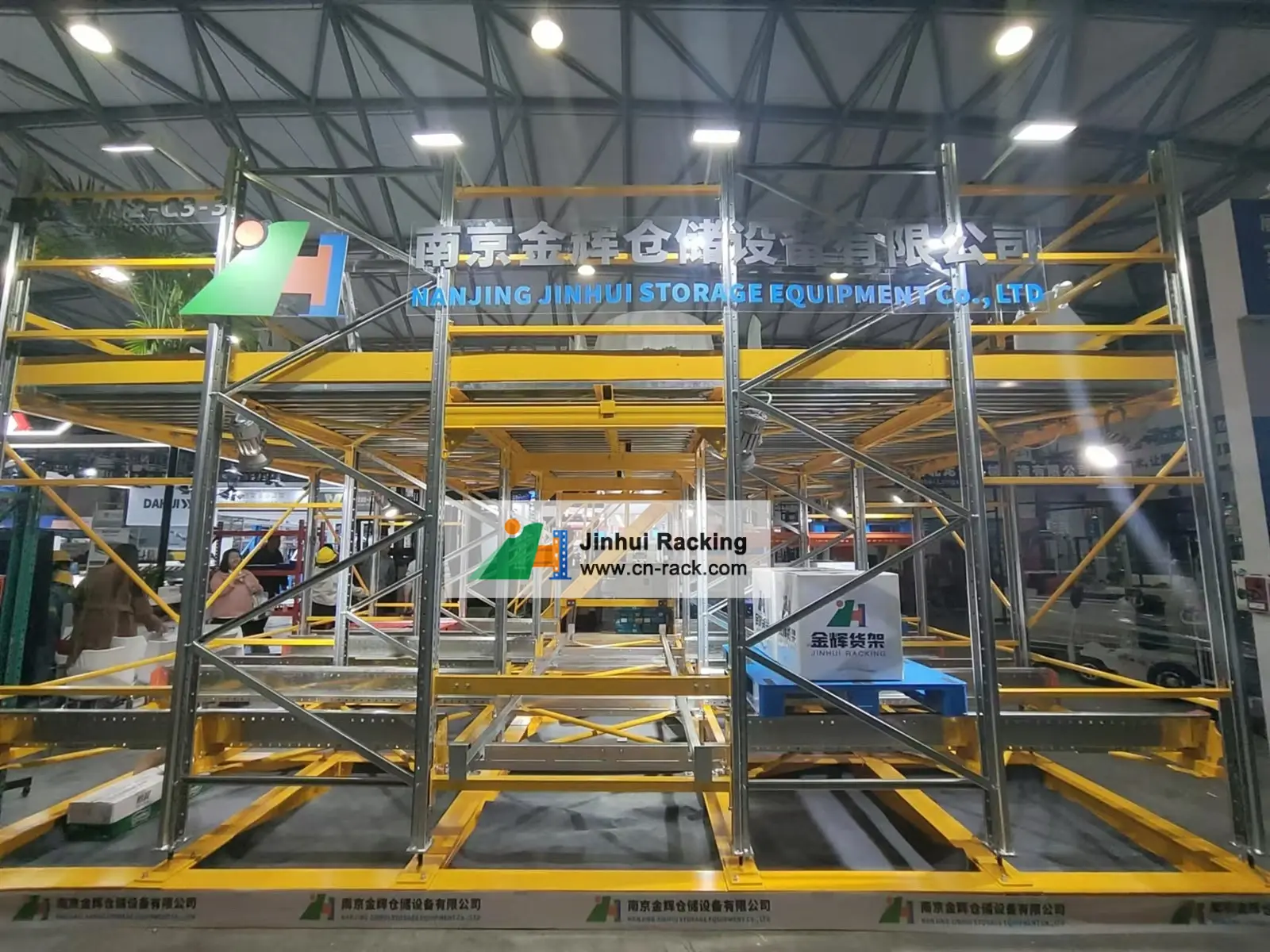
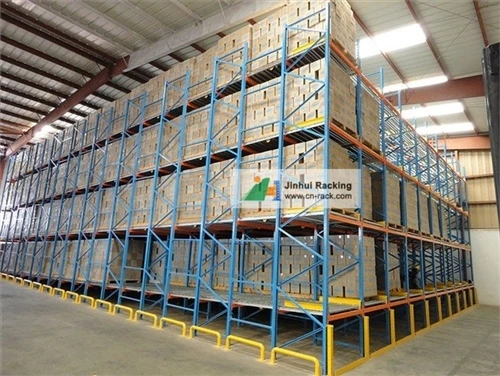
The second requirement is horizontal clearance between rows of racking. This is where it gets specific, because rack type changes the math. For standard selective pallet racking (the most common, with spaced rows for forklift access), the general rule is 24 to 36 inches between rack uprights. But for specialized rack types like Drive-In / Drive-Through Racking, that number goes up to a full 48 to 60 inches. Why? Drive-In Racking is designed for high-density storage, where forklifts drive directly into the rack to place or retrieve pallets. The narrow, deep lanes that make this rack efficient also trap air-so a wider lane isn't just for forklift movement, it's for air to circulate between the stored pallets and the rack framework. Last year, a frozen vegetable distributor reached out because their Drive-In Racking was causing uniform temperature spikes of 3°C in the middle pallets. We reworked their lane clearance to 52 inches, and within a month, those spikes were gone. If you're using this rack type in cold storage, it's critical to size lanes for both forklift access and air flow-not just storage density. If you want to dive deeper into how this works for cold environments, you can check out our dedicated page: Drive-In / Drive-Through Racking.
The third, often overlooked requirement is clearance from the walls of the cold room. I can't tell you how many times I've walked into a cold storage facility where racks are pushed right up to the back or side walls. That's a mistake. Walls in cold rooms are insulated, but there's still a small air gap between the wall and the rack that's needed to prevent frost buildup on the wall itself and ensure air can flow along the edge of the space. For cold storage, that gap should be at least 12 inches on all exterior walls, and 6 inches on interior walls separating different temperature zones (if your facility has mixed zones, like a -20°C freezer and a 4°C cool room). One of our newer clients, a pharmaceutical logistics provider, had their rack contractor push racks to the walls to save 20 square feet of space-within three months, the wall and adjacent rack had a layer of frost that was threatening their temperature-sensitive insulin shipments. Adding the 12-inch gap fixed the frost issue, and they still ended up with more usable space because their cooling system no longer had to work around blocked wall airflow.
Now, here's the thing: these requirements aren't arbitrary. They're based on ASHRAE (American Society of Heating, Refrigerating and Air-Conditioning Engineers) guidelines, which are the global standard for cold storage design, but they also need to be adapted to your specific rack type. For example, warehouse drive-in pallet racking for cold room and processing industrial spaces has different ventilation needs than selective racking, because of the way pallets are stacked deep in the unit. Our team designed a system for a seafood processor last year where they used Warehouse Drive in Pallet Racking System for Cold Room and Processing Industrial equipment, and we worked closely with their engineers to add extra ventilation slots in the rack uprights-small, pre-cut holes that let air flow through the deep lanes instead of being blocked by solid beams. That's a key customization most general rack suppliers don't offer, but in cold storage, it can make or break your ventilation.
Another critical factor: you have to account for air velocity in the space. Too little air velocity (less than 0.5 meters per second) and you get stagnant air and frost. Too much (more than 2 meters per second) and you can cause temperature stratification-warm air rising to the ceiling, cold air sinking to the floor, leading to uneven pallets. The clearance we talked about earlier helps control velocity, but it's also important to make sure your racking doesn't block return air ducts. If return ducts are located near the floor, keep your rack legs at least 6 inches off the ground-this lets cold air flow back into the duct system to be recirculated. That small step cuts down on energy waste by a lot: the U.S. Department of Energy estimates that proper air flow in cold storage can reduce refrigeration energy use by 15 to 25%, which is huge for facilities that run 24/7.
I've seen too many cold storage operators treat ventilation like an afterthought when installing racks. They pick a rack based on load capacity or cost, then cross their fingers that the cooling system will work. But here's the reality: poor ventilation around racking doesn't just raise utility bills-it damages goods, leads to compliance issues (especially for pharmaceuticals or food, which require strict temperature documentation), and shortens the lifespan of your racking itself. Frost buildup on metal racks causes corrosion, which means you'll have to replace them 5 to 10 years earlier than you would with proper ventilation.
So what should you do next? If you're planning a cold storage rack install, don't just go with the cheapest rack supplier. Ask them about their cold storage-specific ventilation design. A good supplier will work with you to map out your space, your temperature zones, and your rack type, then tailor the clearance and customization to meet ASHRAE guidelines. For Drive-In Racking, that means not just designing for forklift access, but for air flow through the deep lanes. For selective racking, that means ensuring vertical and horizontal clearances that align with your cooling system's duct layout. If you're working with a supplier that just gives you a standard rack spec without talking about ventilation, keep looking-they're not thinking about the unique needs of cold storage.
At the end of the day, cold storage is all about consistency. Your goods need to stay at a exact temperature, 24 hours a day, 365 days a year. Racking ventilation is the quiet work that makes that possible. It's not the most glamorous part of a warehouse build, but it's one of the most important. If you're in the process of designing or updating your cold storage racking, or if you've noticed frost on your racks, temperature inconsistencies in your pallets, or rising cooling costs, I'm here to help. We specialize in cold storage racking, and we've worked with everything from small local distributors to large national pharmaceutical and food companies. We can walk you through the specific ventilation requirements for your space, recommend the right rack type, and even help with custom modifications to ensure air flows freely around your racks. Reach out to our team to learn more about how we can tailor a solution to your cold storage needs.
References:
- ASHRAE. (2022). Chapter 20: Cold Storage Facilities. In ASHRAE Handbook-Refrigeration. American Society of Heating, Refrigerating and Air-Conditioning Engineers.
- U.S. Department of Energy. (2021). Energy Efficiency Improvements for Cold Storage Warehouses. Office of Energy Efficiency & Renewable Energy.
- Frost & Sullivan. (2023). Global Cold Storage Racking Market: Trends, Challenges, and Best Practices for Temperature-Controlled Facilities.