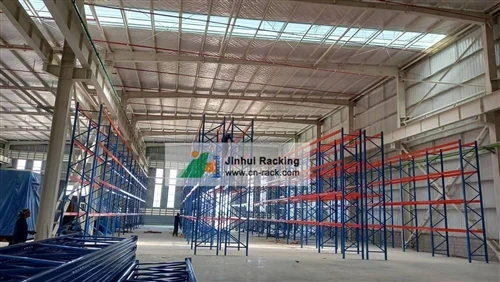

If you've ever worked in an industrial warehouse, you know how much goes into keeping operations running smoothly-from the forklifts weaving through aisles to the boxes stacked high on shelves. But there's a hidden safety hazard that doesn't get talked about enough: static electricity. For warehouses storing flammable materials, sensitive electronics, or even goods that can be damaged by electrostatic discharge (ESD), static build-up on racking systems isn't just an inconvenience-it's a major risk. That's why I get asked all the time: "Are there any anti-static industrial warehouse racking options?" As a racking supplier who's spent 15 years helping warehouses fix their storage problems, I'm here to break down what anti-static racking is, how it works, and what real solutions actually exist.
First, let's get the basics straight. Static electricity forms when two surfaces rub together, transferring electrons and creating a charge that builds up on objects. In a warehouse, this happens constantly: boxes sliding on shelves, forklift tires rolling across concrete floors, even workers walking across linoleum. If that charge builds up on metal racking (which is an insulator unless treated) and there's a flammable vapor or sensitive part nearby, you could be looking at a spark that causes an explosion or ruins thousands of dollars' worth of goods. So the goal of anti-static racking is to prevent that charge from building up, or to safely drain it away before it can cause harm.
Not all anti-static racking is the same, though. Some options work for general warehouses, while others are built specifically for high-risk environments. Let's start with the most common and reliable anti-static racking types, and where they fit best.
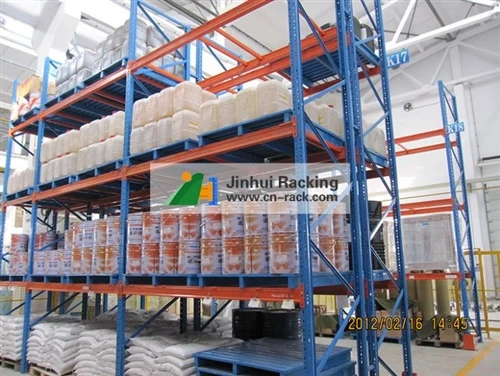
One of the workhorses of industrial warehouse storage is pallet racking, and there are anti-static versions designed to meet different needs. Standard pallet racking is usually made of steel, which doesn't conduct static on its own-so adding anti-static features means modifying the metal or adding components that ground the system. For medium-weight warehouses, one go-to solution is treated steel racking that's coated with a static-dissipative (SD) finish. This coating is engineered to have just enough conductivity to drain static charges safely to the warehouse floor, without being so conductive that it creates other risks like electrical currents interfering with equipment. A lot of our clients with medium-weight storage needs swear by this type of racking, like the Jinhui Heavy Duty Shelves Industrial Steel Rack Warehouse Pallet Racking For Medium Weight Warehouse Racking System we offer-it's built with a static-dissipative powder coating that's tested to meet OSHA standards for ESD control. The beauty of this racking is that it doesn't require any major floor modifications; it works with existing grounding systems, so it's a straightforward upgrade if you already have basic grounding in your warehouse.
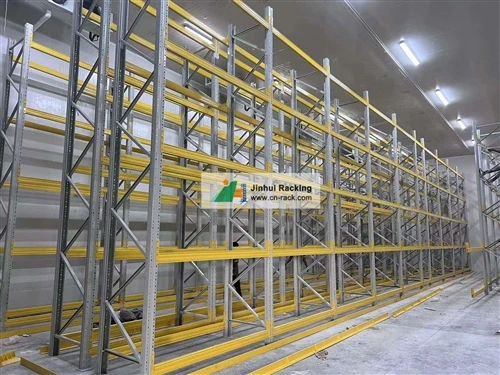
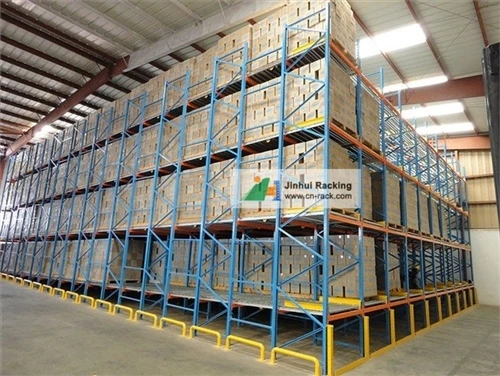
If you run a high-volume warehouse with heavy loads, you might be looking at industrial heavy duty racking, and anti-static versions of these systems are built to handle bigger storage needs while managing static. These racks aren't just coated-they're often engineered with integrated grounding points that connect each rack section to the main warehouse grounding system. That means any static that builds up on the rack, whether from heavy pallets sliding or forklift traffic, is channeled directly to the ground instead of sitting on the metal. We design these to be durable too, because heavy duty warehouses can't afford to sacrifice strength for safety. The Industrial Heavy Duty Rack Manufacturing Pallet Rack Logistics Equipment Factory Warehouse Storage Racks Heavy Duty Racking we produce is a perfect example-we build each section with pre-installed grounding lugs that make it easy to connect to your floor's grounding strips, so you don't have to do extra work to make it anti-static. We also test every batch of these racks for conductivity, so you can be sure they'll actually work when you need them to.
Now, if you've ever walked through a warehouse, you've probably seen teardrop pallet racks-they're the ones with the iconic teardrop-shaped holes that let you adjust shelf heights without bolts. What many people don't know is that there are anti-static teardrop pallet racks available, too, which is a huge win because teardrop racking is so flexible for changing storage needs. These racks use the same static-dissipative coatings as other options, but the teardrop design means you can adjust shelf levels to suit different static-prone items-like storing sensitive electronics on lower, easier-to-drain shelves or flammable goods on higher, controlled sections. The Teardrop Pallet Rack we offer is modified with our static-dissipative paint, so it retains all the adjustability you love but adds the safety layer you need. A lot of our clients that cycle through different storage goods-say, electronics one season and auto parts the next-love these because they don't have to replace their entire racking system when their storage needs change. They just adjust the shelves and know the anti-static protection is there no matter what.
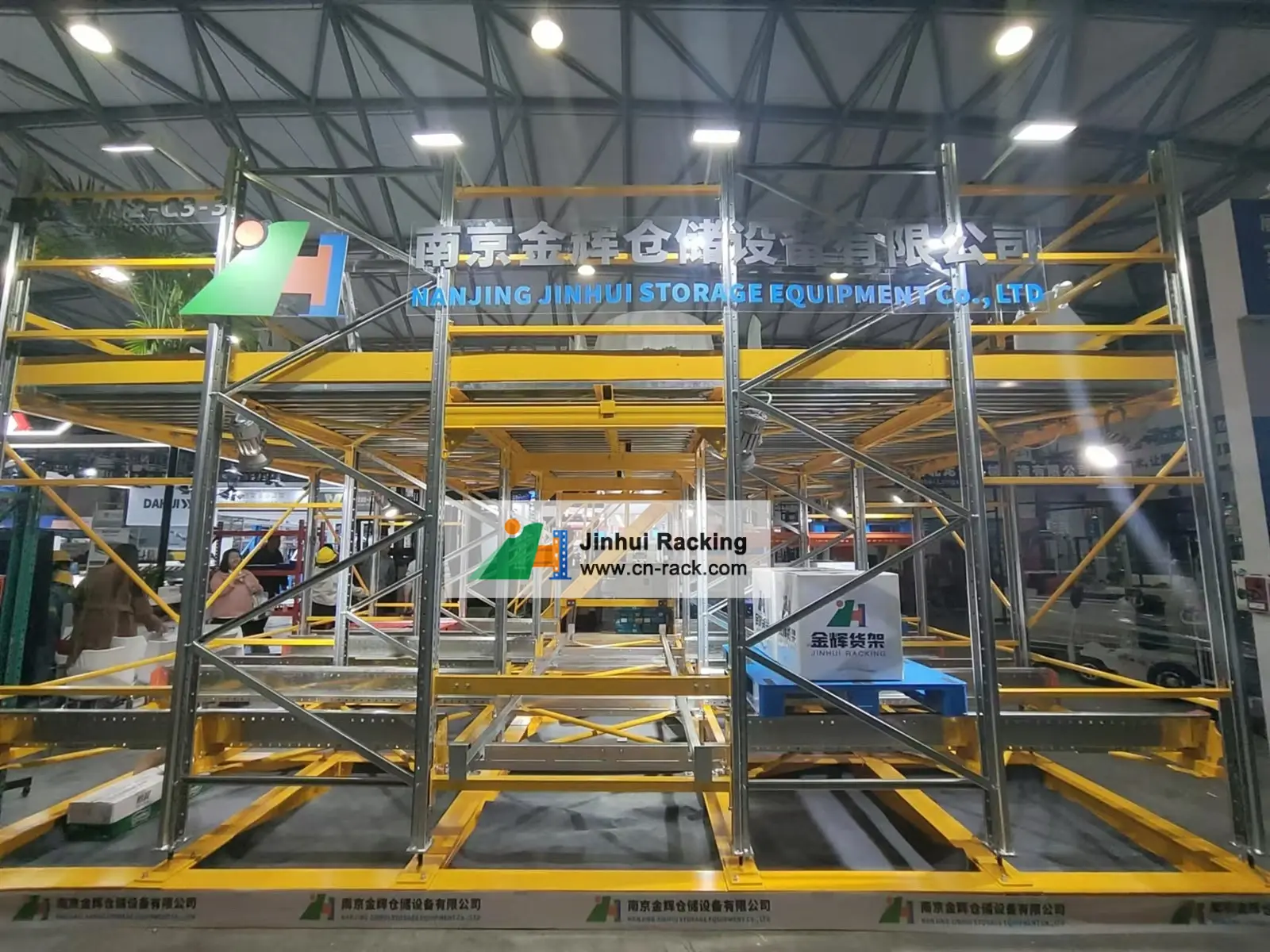
For warehouses with limited space, motorized mobile racks are a game-changer-they let you compact aisles, doubling or tripling your storage capacity. But with all that movement, you might worry about static build-up from the racks sliding across the floor. The good news is there are anti-static motorized mobile racks that solve this problem. New Design Motorized Mobile Racks System Railed Racking Pallet Racking Storage Rack Warehouse Rack With High Load-Bearing can be equipped with static-dissipative wheels that drain static as the racks move, plus integrated grounding connections between each rack unit. Because these racks move, their static risk is a little different than stationary racks-charge can build up from friction between the wheels and the rail, so the wheels are the first line of defense here. We worked with a few electronics warehouses last year that switched to these motorized anti-static racks, and they reported zero ESD issues after installation-something they dealt with constantly before because of their old, non-mobile racking. It's a great option if you want space savings without sacrificing safety.
But what if none of these standard options fit your specific warehouse? Maybe you store unique flammable chemicals, or you have sensitive medical devices that need extra ESD protection. That's where custom anti-static racking comes in. A lot of people don't realize that you don't have to settle for off-the-shelf solutions when it comes to anti-static storage. We can design and build Custom Pallet Racking tailored exactly to your warehouse's layout, storage needs, and safety requirements. For example, if you have a zone in your warehouse that stores highly flammable fuels, we can build that section of racking with extra-heavy grounding connections and a thicker static-dissipative coating to handle higher static loads. If you store delicate semiconductors, we can add anti-static shelf mats to the rack surfaces, working with the rack's core conductivity to eliminate any residual static. I always tell my clients that anti-static racking isn't one-size-fits-all-your warehouse's layout, the goods you store, and your existing safety systems all play a role, so a custom solution might be the best long-term investment.
Now, let's talk about some common mistakes I see warehouses make when choosing anti-static racking. One big one is thinking that any coated steel rack is anti-static. That's not true-regular powder coating is an insulator, so it won't drain static at all. You have to specifically look for static-dissipative coatings, which have a surface resistance between 10^5 and 10^11 ohms per square (that's the industry standard for ESD protection). Another mistake is forgetting to ground the racking to the main warehouse system. Even the best anti-static rack won't work if it's sitting on a concrete floor that's not connected to a grounding rod. I always recommend checking your existing grounding system first-have a qualified electrician test it to make sure it can handle the extra load of the racking-before you buy any anti-static racks. And finally, don't skimp on testing. Once your anti-static racking is installed, test it with an ESD meter to make sure the surface resistance is in the right range. It only takes a few minutes, and it can save you from a disaster later.
Let me share a quick story to put this in perspective. A client of mine in the Midwest runs a warehouse storing small electronic parts, and they were having issues with ESD ruining microchips before they even got to customers. They originally thought they could just buy regular teardrop racks and add anti-static mats to the shelves, but when we tested their setup, we found that the mats were working against the rack's conductivity-they were trapping static instead of draining it. We switched them to our Teardrop Pallet Rack with the static-dissipative coating, and connected the racks to their main grounding system. The result? Their ESD-related product damage dropped by 92% in the first three months. That's the kind of real-world impact that choosing the right anti-static racking can have.
If you're wondering whether anti-static racking is worth the investment, let's do the math. The average warehouse deals with around $10,000 to $50,000 in ESD-related damage every year, plus potential downtime if a spark causes an accident. Anti-static racking costs a little more upfront than standard racking, but it's a one-time investment that eliminates that ongoing damage and safety risk. For warehouses storing flammable goods, the savings from avoiding a single explosion (which can shut down operations for months) are incalculable.
At the end of the day, choosing anti-static warehouse racking isn't just about checking a safety box-it's about protecting your goods, your workers, and your bottom line. Whether you need a basic medium-weight solution, a heavy duty system for high-volume storage, flexible teardrop racks, space-saving motorized mobile racks, or a custom build for unique needs, there's an anti-static option that fits. We've worked with all kinds of warehouses, from small local operations to large national logistics centers, to design and install anti-static racking that works for their specific situations.
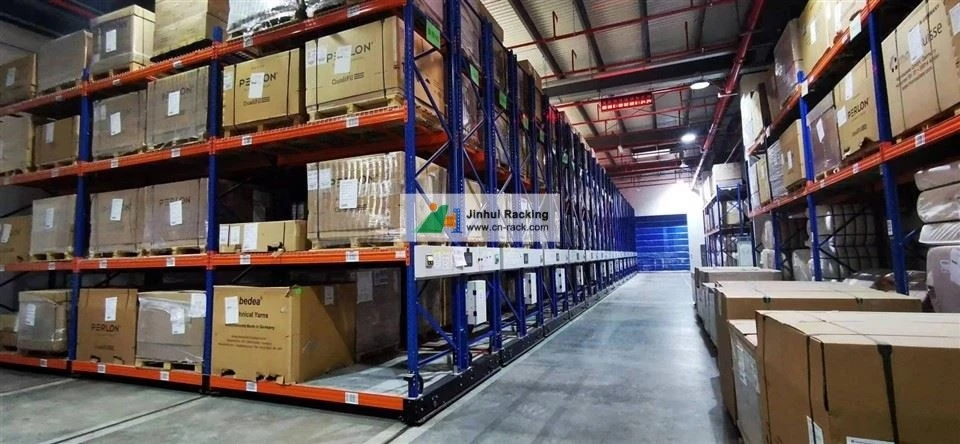
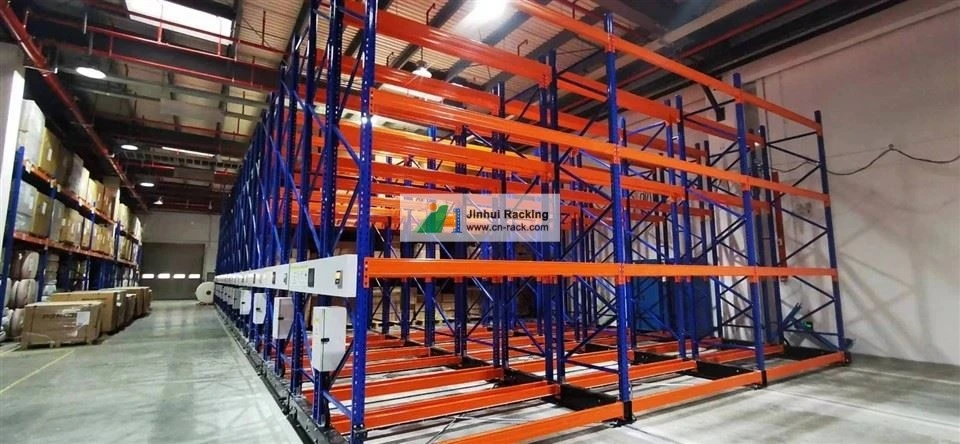
If you're ready to talk about what anti-static racking is right for your warehouse, feel free to reach out. We can walk through your layout, your storage goods, and your safety needs to find a solution that's both effective and affordable. Don't wait until a static issue causes a problem-take the step to protect your warehouse today.
References
OSHA. (2023). Static Electricity in the Workplace. Occupational Safety and Health Administration.
ESD Association. (2022). ANSI/ESD S20.20: Standard for the Development of an Electrostatic Discharge Control Program for the Protection of Electrical and Electronic Parts, Assemblies and Equipment.
National Fire Protection Association. (2021). NFPA 70: National Electrical Code, Article 516 (Hazardous Locations).
Warehousing Education and Research Council. (2023). Warehouse Safety Best Practices: Static Electricity Prevention in Storage Systems.