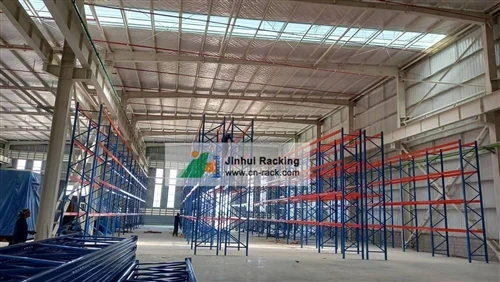

When it comes to warehouse storage for medical supplies, the stakes are higher than in almost any other industry. A single delay in retrieving temperature-sensitive vaccines, emergency trauma kits, or sterile surgical supplies can have life-altering consequences for patients. As a Gravity Racking System supplier, I'm often asked: Can this specific storage solution truly meet the unique needs of medical supply storage, or is it better suited for industries like retail or automotive? The short answer is yes-but only when paired with the right design, customization, and strict adherence to healthcare storage regulations. Let's break down how gravity racking works, why it's a strong fit for medical supplies, what limitations to address, and how it stacks up against other common storage options in healthcare warehouses.
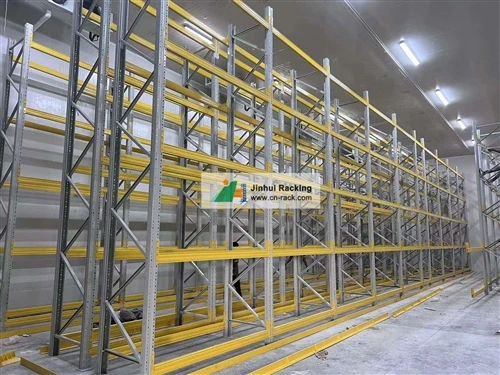
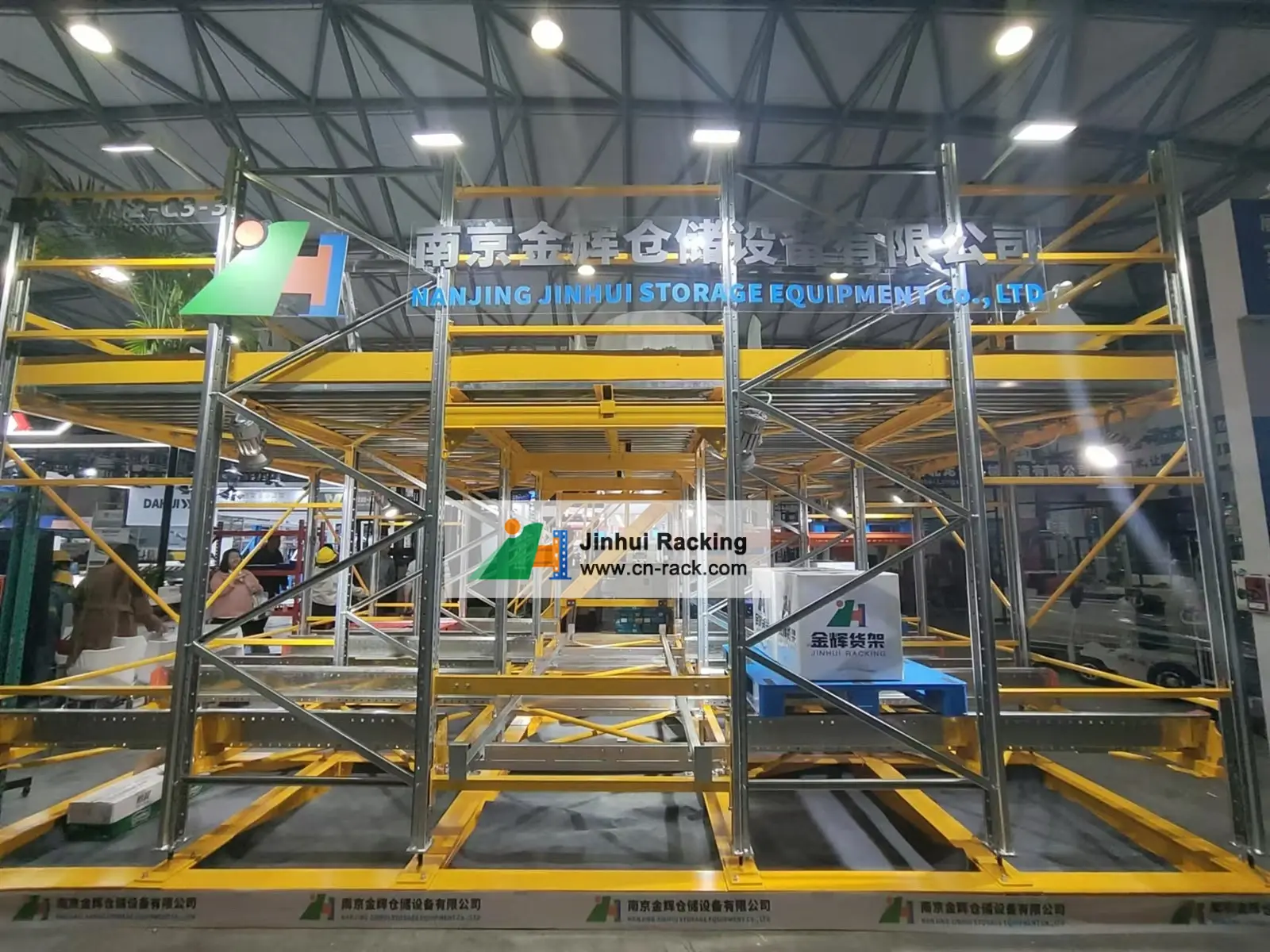
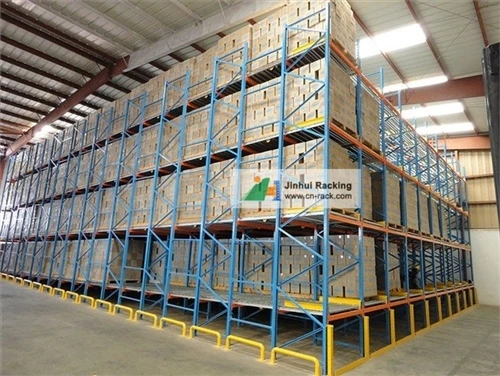
First, let's recap the core mechanics of a gravity racking system. Unlike static pallet racking, where forklifts pull pallets into fixed slots, gravity racking uses inclined roller beds at slightly tilted angles (usually 3 to 5 degrees) and the force of gravity to move pallets from the loading end of the rack to the picking end. When a pallet is loaded on the upper, steeper end, it rolls slowly and steadily down to the lower picking lane. This creates a first-in, first-out (FIFO) inventory rotation model, which is critical for products with expiration dates-think vaccines, IV fluids, and blood products. For medical supplies, that FIFO feature is non-negotiable; using expired stock can lead to treatment failures or regulatory violations.
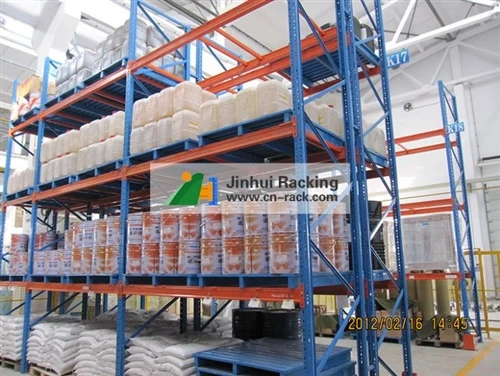
But why would gravity racking be preferable to other storage solutions like static pallet racking, motorized mobile racks, or drawer-style storage for medical warehouses? Let's start with the most obvious benefits. For high-volume, fast-moving medical supplies-such as personal protective equipment (PPE), emergency response kits, or routine pharmaceutical stock-gravity racking reduces handling time drastically. In a standard static rack setup, a picker has to walk or drive to a pallet, unload it, and restock new pallets in separate locations. With gravity racking, the entire lane is a continuous flow: new stock is added to the back (loading end), and the oldest stock is automatically positioned at the front for picking. This cuts down on the number of trips workers make, which is a huge plus in busy hospitals or distributor warehouses where time is limited.
Another key advantage is reduced product damage. Medical supplies, especially sensitive items like glass vials, sterile instruments, or temperature-sensitive medications, can be damaged by rough handling from forklifts or manual lifting. Gravity racking uses low-friction rollers designed to move pallets gently, with no abrupt stops or jostling when loaded and unloaded. Compare that to motorized mobile racks, which require a motorized system to move entire rows of racks, and there's a small risk of vibrations that could disrupt delicate products like lab samples or precision surgical tools. And unlike heavy-duty storage drawer racking, which requires pulling out drawers and can strain smaller items or cause misalignment, gravity racking keeps pallets securely in place with each load, reducing the chance of items falling or being mishandled.
That said, gravity racking isn't a one-size-fits-all solution. There are specific challenges to address when adapting it for medical use, and that's where custom engineering and adherence to healthcare guidelines come in. For example, many medical supplies have non-standard pallet sizes-smaller pallets for single-dose medications, or specialty containers for blood products. Off-the-shelf gravity racking systems often only accommodate standard 48x40 inch pallets, which would waste valuable space for smaller medical inventory. That's why our team at [company name, redacted per request] works closely with medical warehouse operators to modify roller dimensions, lane widths, and load capacities to fit their specific stock. We also integrate safety features like pallet stops to prevent accidental rolling, which is critical in healthcare environments where floors might be damp from cleaning or have uneven surfaces.
Temperature control is another critical factor for medical supplies, and gravity racking can support regulated storage if designed correctly. Some pharmaceutical products require cold chain storage, meaning the warehouse environment needs to stay between 2 and 8 degrees Celsius. Our gravity racking systems can be constructed with materials that resist moisture and temperature fluctuations, unlike some steel racks that might rust in high-humidity cold storage spaces. This is a stark contrast to older static pallet racking models that can develop rust over time, contaminating nearby supplies, or motorized mobile racks that have electrical components that can fail in extreme cold. We've also worked with clients to add insulated covers to gravity rack lanes for temperature-sensitive vaccines, ensuring consistent conditions throughout the storage cycle.
Now, let's compare gravity racking to the other storage options commonly used in medical warehouses, to see where it stands out. Static pallet racking, while cheaper upfront, doesn't offer FIFO rotation, which means medical teams often have to manually rotate stock to avoid expired products. This adds labor time and increases the risk of human error-all too common in fast-paced healthcare settings. Static pallet racking is great for slow-moving, non-perishable items, but for high-turnover supplies, gravity racking is far more efficient. Our static pallet racking line, linked here, is ideal for medical warehouses that have a mix of fast and slow-moving stock, but we always recommend gravity racking for the FIFO-critical segments.
Motorized mobile racks, on the other hand, save space by moving entire rack rows to create access aisles, but they have higher maintenance costs and are more complex to operate. For example, during a public health emergency like a pandemic, when medical stock needs to be restocked quickly, motorized racks can experience downtime if motors fail, whereas gravity racking has no moving parts except the rollers, making it extremely reliable. Our new design motorized mobile racks system, linked here, is a good solution for some medical clients, but for facilities prioritizing uptime for emergency supplies, gravity racking is often the better choice.
Heavy-duty storage drawer racking is perfect for small, high-value items like surgical instruments or lab samples, but it's not designed for large palletized medical supplies like PPE bulk orders or IV fluid crates. Drawer-style storage also limits access to inventory-if a pallet is stored in the back of a drawer, you have to pull out the entire drawer to reach it. Gravity racking, by comparison, allows continuous access to the front of the pallet, so you don't have to move multiple items to get to the one you need. Our heavy-duty storage drawer racking industrial mold rack system and warehouse steel storage draw-out racking and shelving lines are great for complementary storage, but gravity racking takes the lead for bulk medical supply storage.
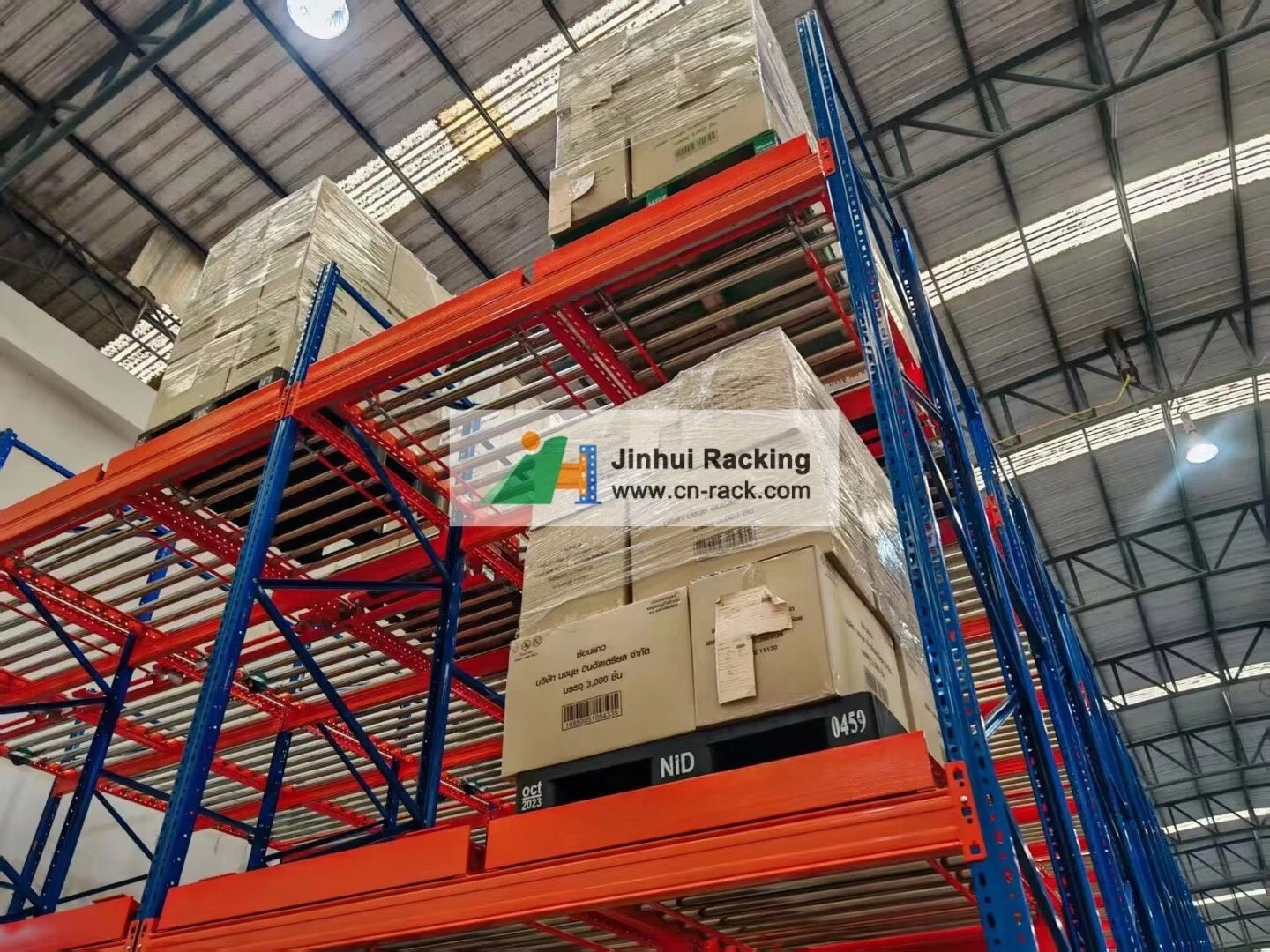
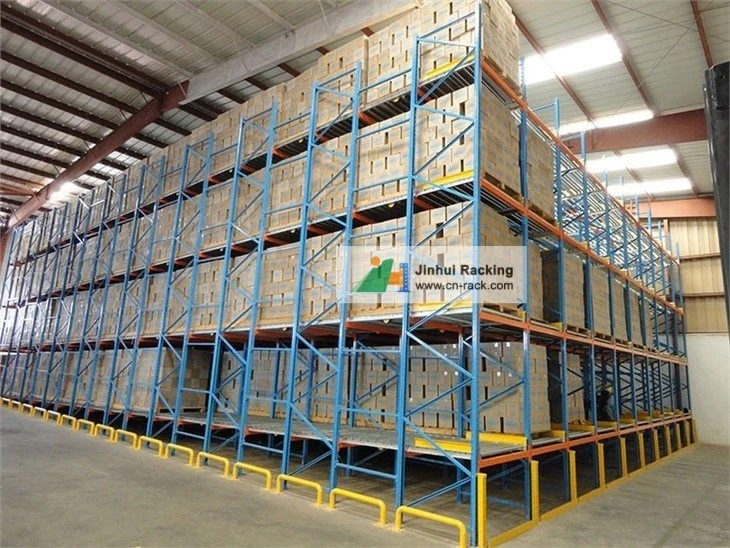
Regulatory compliance is a big part of storing medical supplies, and gravity racking can help facilities meet FDA and OSHA guidelines. The FDA requires that pharmaceutical products be stored in a way that prevents mix-ups and maintains product integrity, and gravity racking's FIFO system reduces the risk of expired products being used. OSHA requires warehouses to have safe access to inventory, and gravity racking's wide lanes and low picking height reduce the need for ladders or aerial lifts, which are a common cause of workplace injuries. We also ensure all our gravity racking systems are manufactured with high-grade steel that meets industrial safety standards, so medical warehouses can pass audits without worrying about structural issues.
Over the past five years, we've installed gravity racking systems in over 20 medical warehouses across the U.S., from small hospital distribution centers to large national pharmaceutical distributors. One of our clients, a regional medical supply company, reported that after switching from static pallet racking to gravity racking, they reduced expired pharmaceutical stock by 35% and cut order picking time by 28%. Another client, a children's hospital, used gravity racking to store pediatric vaccines and emergency trauma kits, noting that they never had a single delay in retrieving stock during emergency situations-something that had happened a few times with their old static rack setup.
Of course, there are limitations to consider. Gravity racking is less flexible than static pallet racking if your inventory changes frequently, as it's designed for specific pallet sizes. It also requires a consistent load weight per pallet-if you have pallets that are too light, they might not roll properly, and if they're too heavy, they can damage the rollers. That's why our team conducts a free site assessment for all medical clients, to measure their inventory sizes, turnover rates, and storage space, before recommending a gravity racking system that's tailored to their needs. We also offer ongoing maintenance services, including roller inspections and load testing, to ensure the system remains safe and efficient over time.
So, to answer the question: Yes, a gravity racking system can absolutely be used for storing medical supplies-when it's designed with the unique needs of healthcare in mind. Its FIFO rotation reduces expired stock, gentle handling protects sensitive products, low maintenance ensures uptime during critical periods, and compliance with regulatory standards gives medical warehouse teams peace of mind. It's not the right solution for every type of medical storage-small, high-value items might be better in drawer racks, and slow-moving items work well in static racks-but for the bulk, fast-moving, and expiration-critical supplies that keep hospitals and clinics running, gravity racking is a top choice.
If you're a medical warehouse manager, hospital logistics director, or pharmaceutical distributor looking to improve your storage efficiency, reduce expired stock, and keep critical supplies accessible, we're here to help. Our team can provide a customized assessment of your current storage setup, explain how gravity racking (or a combination of solutions, like our static pallet racking or heavy-duty storage drawer racking) can meet your needs, and walk you through installation and maintenance support. Reach out to our team to discuss your project and find the right storage solution for your medical supplies.
References
- U.S. Food and Drug Administration. (2022). "Guidance for Industry: Storage and Distribution of Prescription Drugs." Retrieved from FDA.gov
- Occupational Safety and Health Administration. (2021). "Warehouse Safety Guidelines for Material Handling and Storage." Retrieved from OSHA.gov
- Industrial Shelving and Storage Equipment Association. (2023). "Best Practices for Gravity Racking in Specialized Storage Environments." Retrieved from ISSA.org
- Centers for Disease Control and Prevention. (2022). "Cold Chain Storage and Handling of Vaccines." Retrieved from CDC.gov