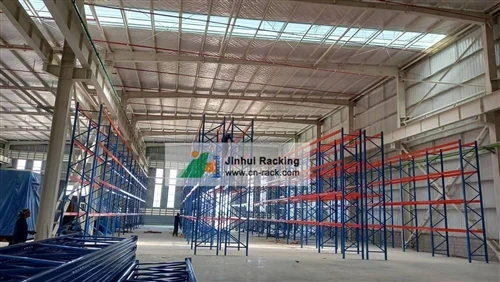

If you're in the business of moving large volumes of palletized goods through a warehouse, you know that mobility is the backbone of any automated storage system. After 12 years working with automated storage and shuttle racking solutions, I've seen firsthand how the right mobility features don't just move pallets-they reduce downtime, boost throughput, and cut operational costs. Too often, companies invest in automation without fully understanding what makes a system mobile enough to fit their specific needs. Today, I want to break down the key mobility features that set modern automated storage systems apart, and how they solve some of the most common pain points in warehouse operations.
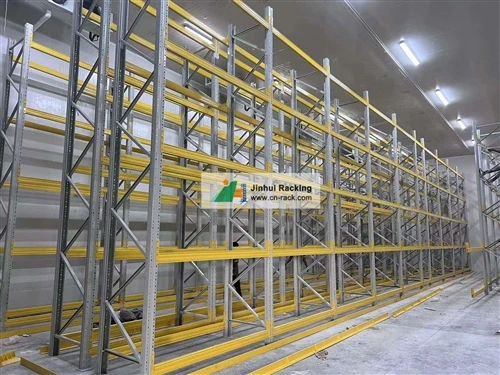
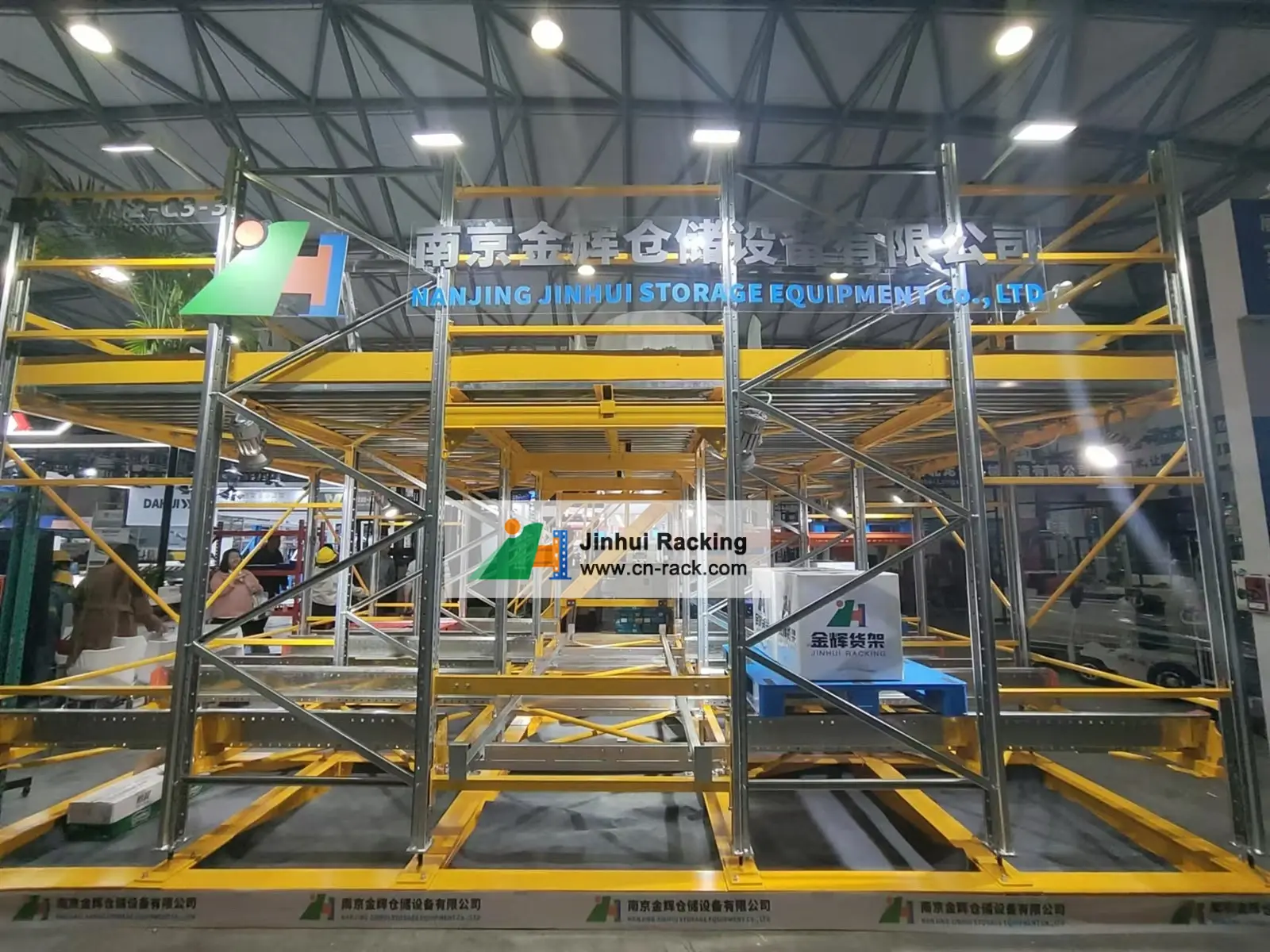
First, let's start with the core of automated shuttle systems: the shuttle carrier itself. This isn't a simple cart on rails-it's a precision-engineered machine designed to navigate racking aisles with consistency. Early shuttle systems were limited to fixed rail paths, which meant they could only operate in one specific lane, requiring additional shuttles for every storage zone. Modern versions, though, come with autonomous navigation capabilities that let them adapt to small variations in pallet alignment, floor flatness, and even minor obstacles (like a dropped box or a mislabeled pallet) without halting operations. For example, our clients in the food and beverage industry often handle mixed pallet sizes-some 48x40 inch standard pallets, others custom-sized for specialty products. A shuttle with adaptive mobility can adjust its grip and track alignment in real time, instead of requiring manual adjustments or separate equipment for each pallet type. That flexibility is what makes systems like the Fifo System Shuttle Rack Radio Shuttle Manufacturer Warehouse Storage Racks Move Shuttle Pallet Rack System such a game-changer for high-mix warehouses.
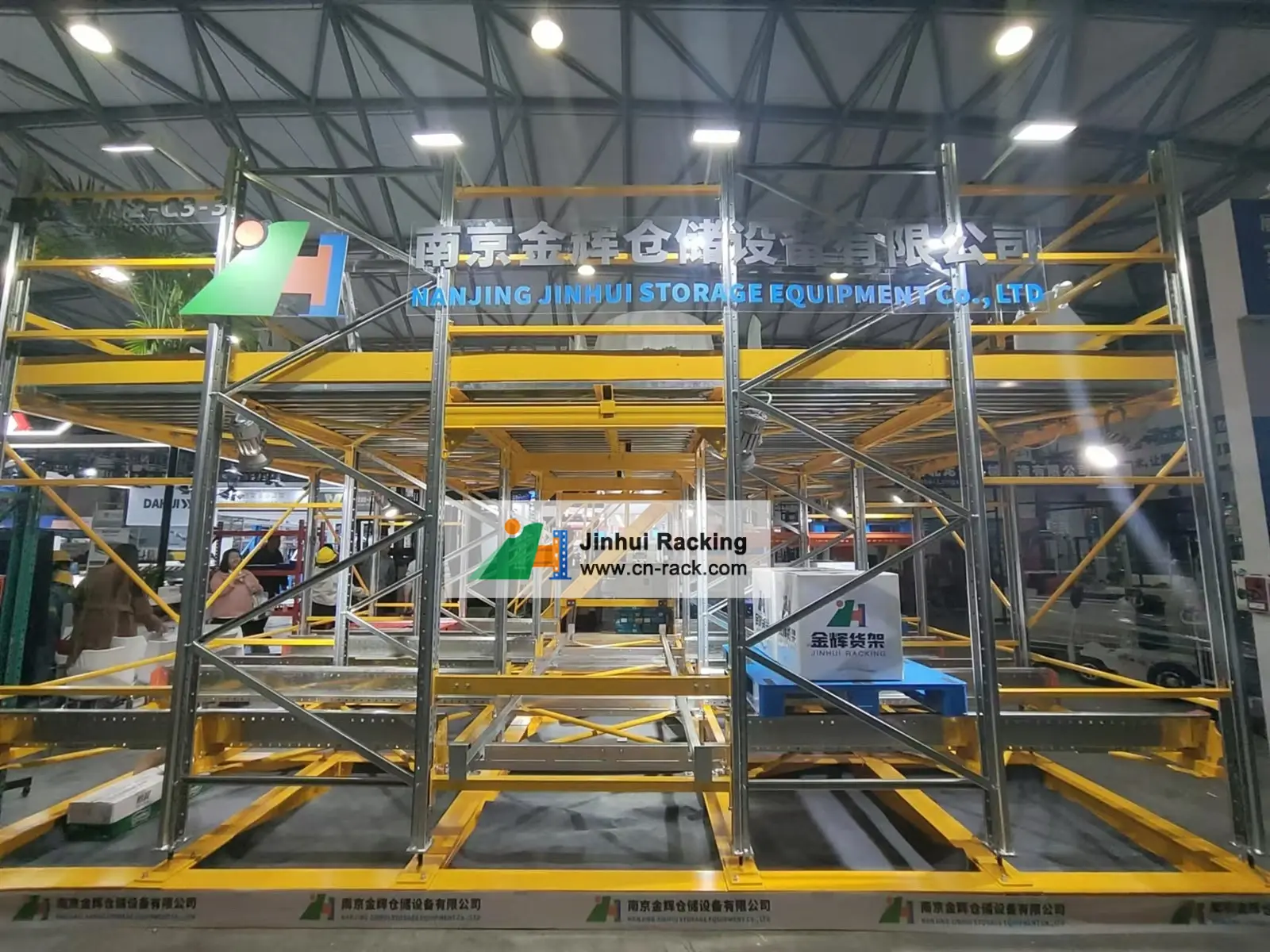
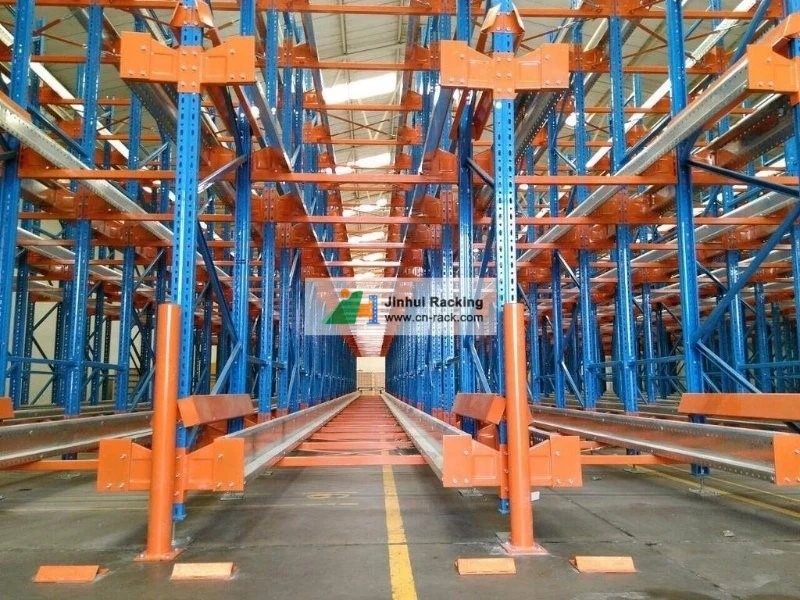
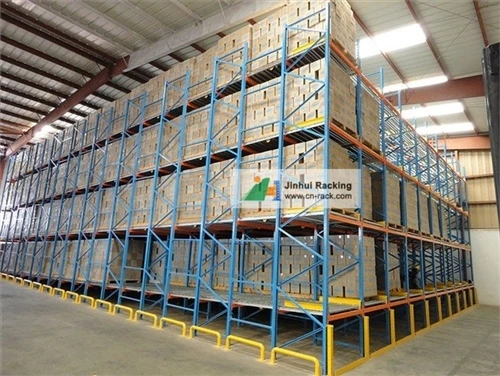
Another critical mobility feature is multi-directional movement. Older shuttle systems only moved forward and backward along the length of the rack lane, meaning operators had to pick pallets from one end of the lane, which could create bottlenecks during peak hours. Today's shuttles move both horizontally and vertically, some even with the ability to rotate pallets 90 degrees for more efficient loading and unloading. This is especially useful in deep-lane storage, where space is at a premium. For a 12-lane deep rack, a multi-directional shuttle can retrieve a pallet from the middle of the lane without moving the pallets in front of it-something traditional forklifts or static shuttle systems can't do. The Warehouse Shuttle System page on our site details how this mobility cuts retrieval time by up to 40% in high-volume environments, a statistic we've confirmed with clients in the retail and e-commerce sectors who handle seasonal spikes in inventory.
Battery management is another often-overlooked mobility feature. A shuttle that can't stay powered up is useless, and nothing disrupts warehouse flow more frequently shuttles being pulled off lanes for charging. Modern automated storage systems use hot-swappable batteries and smart charging stations that let shuttles top off power during breaks, so they don't miss a single retrieval or storage task. Some systems even use energy regenerative braking, which captures power when the shuttle slows down and feeds it back into the battery, extending run time by 15-20%. For 24/7 operations like cold storage facilities, this is non-negotiable-our Smart Automated Warehouse Storage solutions include battery management systems that monitor shuttle power in real time, alerting operators if a battery is due for a swap before it dies, no manual intervention needed. That kind of reliability is what keeps warehouses running smoothly during 18-hour shifts in temperature-controlled environments, where even a 10-minute delay can lead to spoiled goods.
Load mobility is just as important as the shuttle's movement. Automated storage systems aren't just moving empty pallets-they're transporting heavy, uneven loads, sometimes up to 5,000 pounds per pallet. The mobility features of the rack itself, paired with the shuttle, ensure that loads stay secure and don't shift during transport. For example, adjustable load sensors on the shuttle detect if a pallet is improperly stacked, and the system adjusts the shuttle's speed and grip to prevent slippage. The Automatic Storage Radio Pallet Shuttle Racking System Manufacturer notes that this feature reduces pallet damage by up to 60% compared to manual forklift operations, a key metric for companies that handle fragile goods like glass or electronics. Additionally, the rack's mobility support-think reinforced rails that flex slightly to absorb shock, instead of rigid steel that can crack under heavy loads-works with the shuttle to maintain consistent movement even with uneven pallets.
Scalability of mobility is another feature that's easy to miss when evaluating automated storage. Many companies start with a small shuttle system, planning to expand as their business grows. If the system's mobility isn't scalable, they end up replacing the entire setup instead of adding to it. Modern shuttle systems are modular, so you can add more shuttles, extend rack lanes, or adjust mobility parameters as your inventory needs change. For a small e-commerce startup that expands from 10,000 pallets to 50,000 in two years, that means no need to rip out existing infrastructure-just add shuttles and reconfigure the system's mobility settings. The Shuttle Pallet Racking System page on our site walks through how this modularity works, with client case studies showing companies that doubled their throughput in 18 months without upgrading their core storage equipment. This is a huge cost saver, especially for growing businesses that might not have capital to invest in new systems every few years.
I've also learned that mobility features need to integrate with a warehouse's existing WMS (Warehouse Management System) to be effective. A shuttle system that moves independently, without coordinating with order picking or inventory management, can create more problems than it solves. For example, if the WMS sends a retrieval request to a shuttle that's already busy with another task, the system should automatically re-route the shuttle or re-prioritize the request. Smart mobility integration means that the entire storage system works as a single unit, not separate parts. Our clients use this feature to adjust mobility during peak times-like holiday shopping season, when e-commerce warehouses need faster retrieval speeds-and scale back during slow periods to save energy. It's this kind of coordinated mobility that turns a "automated system" into a "smart system" that adapts to the business's rhythm.
Of course, no mobility feature is worth it if it compromises safety. Automated storage systems move fast, and without proper safety features, they can pose risks to workers. Modern shuttles come with proximity sensors that stop movement if a worker is in the lane, light barriers that detect obstructions, and audible alerts that warn when the shuttle is moving. Some even use AI-powered obstacle detection, which can distinguish between a worker and a pallet, so it doesn't stop for a stray box but stops for a person. This is critical for warehouses that still have some manual operations alongside automation-our clients in manufacturing plants often keep a small manual picking zone, and the shuttle's mobility safety features mean workers can move between zones without fear of collisions. I've seen too many warehouses skip safety mobility features, leading to downtime and even accidents, so this is a non-negotiable for us.
Let's put this all together. When evaluating an automated storage system, don't just look at how it stores pallets-look at the mobility: adaptive navigation for mixed pallets, multi-directional movement to eliminate bottlenecks, smart battery management for 24/7 operations, load stability for heavy goods, modular scalability for growth, WMS integration for coordination, and safety features for workers. These aren't just bells and whistles; they're the difference between a system that sits idle and one that becomes a core driver of warehouse efficiency.
If you're ready to upgrade your warehouse's mobility with an automated storage system tailored to your operations, we're here to help. Our team has worked with industries from food and beverage to e-commerce to manufacturing, and we can walk you through the mobility features that fit your specific needs. Whether you're looking to reduce retrieval time, cut pallet damage, or scale as your business grows, we have the solutions you need. Reach out to our team to schedule a consultation and see how our automated storage systems can transform your warehouse's mobility.
References:
- Warehouse Automation and Storage Systems – Industrial Logistics Association, 2023
- Shuttle Racking Mobility Performance Metrics – International Material Handling Research Center, 2022
- Modular Automated Storage Scalability Report – Supply Chain Management Review, 2023
- Warehouse Safety Standards for Automated Systems – Occupational Safety and Health Administration (OSHA), 2022
- Smart WMS-Integrated Storage Solutions – Journal of Industrial Engineering, 2023