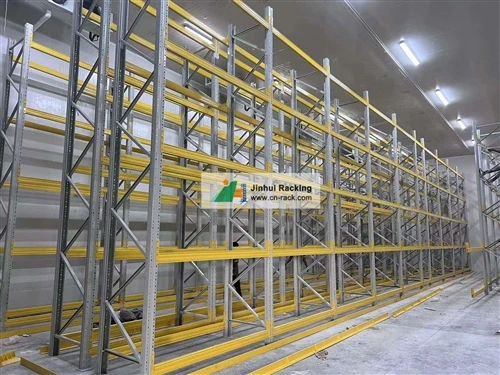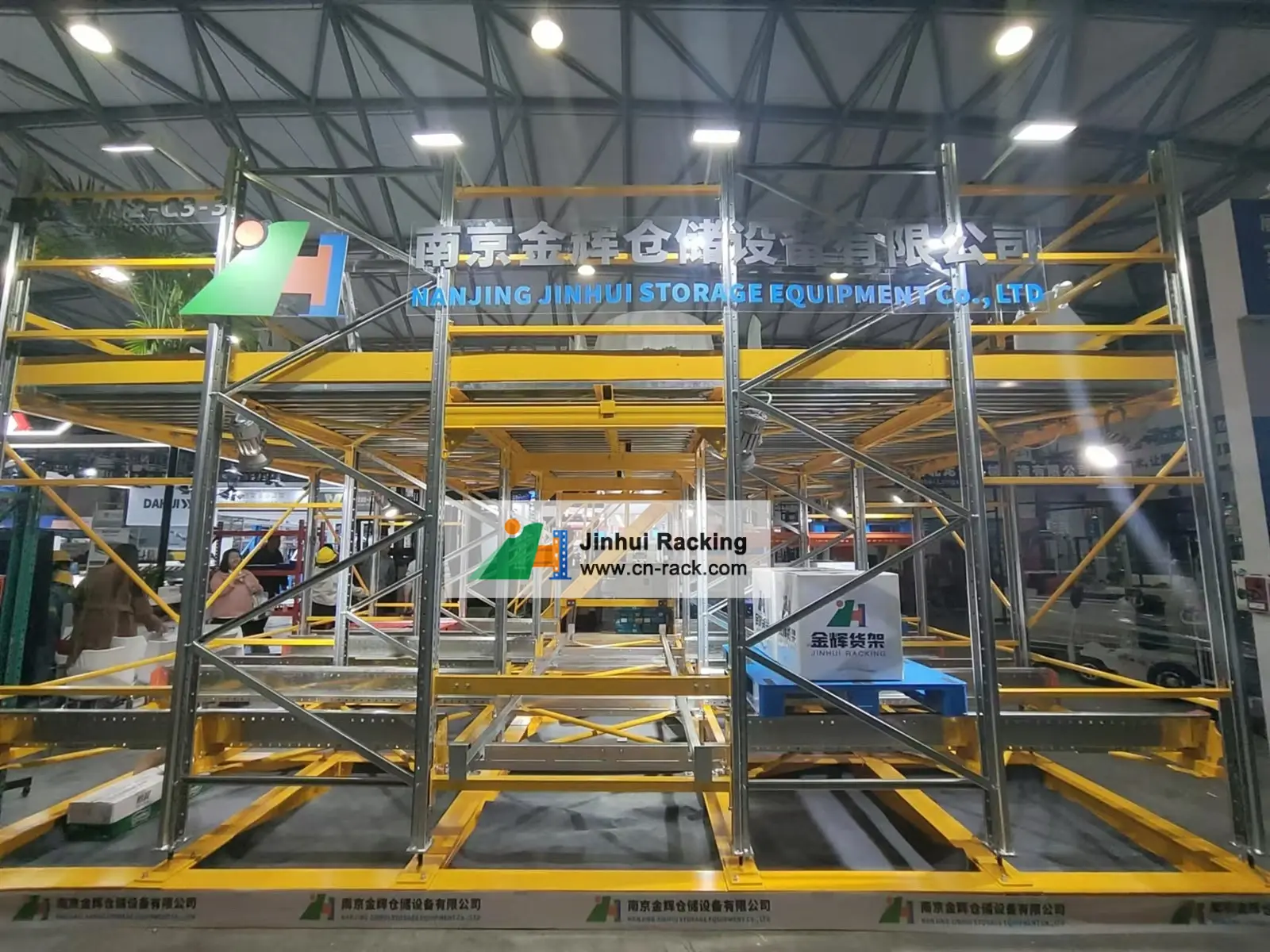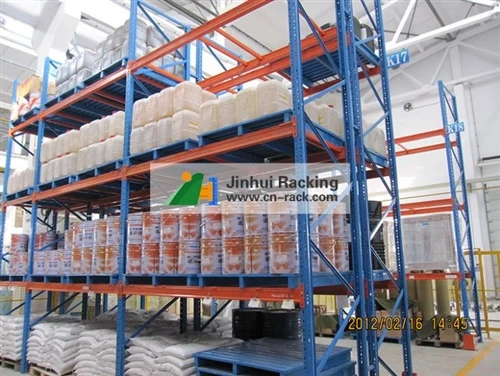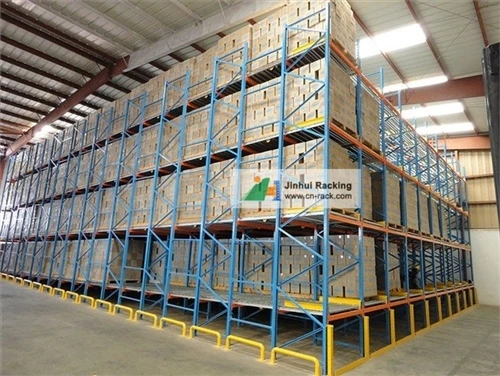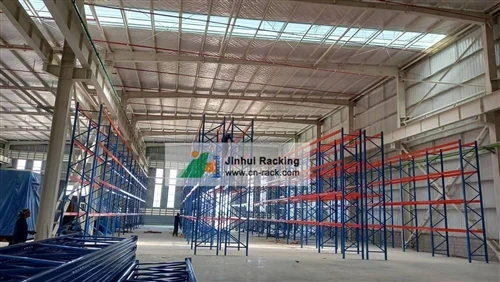

As an industrial warehouse racking supplier, I've spent years working with warehouses to keep their storage systems running smoothly-and one of the most overlooked maintenance tasks is cleaning industrial warehouse racking. When I walk into a facility, I often see racking covered in dust, product residue, or even grime from forklift spills, and it's not just an eyesore. Dirt buildup can weaken structural components, block safety sensors, and even lead to product damage over time. If you're responsible for warehouse upkeep, cleaning your racking isn't just a chore-it's a critical part of extending the life of your storage investments and keeping your operations safe.
I've learned that the right approach depends on what type of racking you use, how often your warehouse handles sensitive materials (like food, pharmaceuticals, or electronics), and your facility's layout. For example, if you rely on heavy-duty systems for bulk pallets, the cleaning process is different than if you use custom racking for small, fragile items. Let's break down the step-by-step method I recommend, tailored to common rack types, plus pro tips I've picked up from working with dozens of clients across logistics and manufacturing.
First, before you even grab a broom or a pressure washer, prep your workspace. Racking is only safe to clean when it's empty (or at least the bays you're working on) to avoid injury. I always advise setting aside time when warehouse activity is slow-early morning or after a weekend shutdown works best for most operations. First, remove all pallets, boxes, and equipment from the bays you're targeting. If you can't empty a bay fully (say, for high-volume warehouses), use temporary support beams to hold up the remaining pallets so you don't risk structural failure while cleaning.
Next, inspect the racking as you go. This is a non-negotiable step I never skip. While you're wiping down beams or washing uprights, check for dents, bent uprights, or loose bolts. Even a small dent in a heavy-duty rack can reduce its load capacity by 20% or more, per OSHA guidelines. If you spot damage, tag that bay and schedule repairs before putting anything back. For example, a bent teardrop pallet rack's upright might not lock properly with beams, creating a fall risk for pallets. Teardrop pallet rack is one of the most popular systems because it's quick to install and adjust, but its design relies on tight fit between components-so damage here can derail your whole storage setup.
Now, the cleaning process itself starts with dry debris removal. Most warehouse racking accumulates dust, sawdust, or loose packaging material. For dry cleaning, a stiff bristle broom works for large uprights and beams, but I prefer a handheld vacuum with a brush attachment for tight spots, like between beam levels or along the edges of rack corners. Why vacuum instead of just sweeping? Because loose dust can become airborne, which is a hazard if your warehouse has sensitive products (like electronics) or if you have workers with respiratory issues. I also use a microfiber cloth wrapped around a long pole for high-up beams-no need for ladders that can tip on concrete floors.
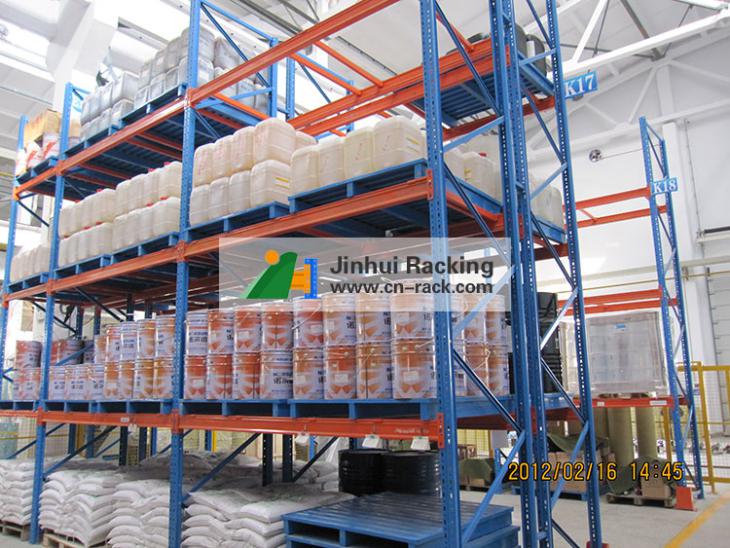
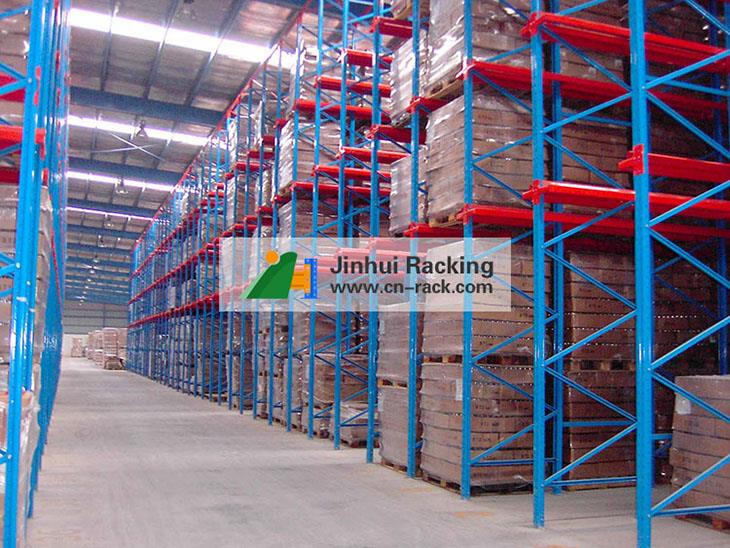
Once the dry gunk is gone, it's time to tackle stuck-on grime. This is where your approach changes based on what's caked on. For general dust and light residue, a solution of warm water and mild detergent (like dish soap) is more than enough. Just mix a few drops into a bucket of warm water, dip a soft cloth, and wipe down each beam and upright. For heavier messes, like oil spills from forklifts or dried food residue from grocery warehouses, you'll need a degreaser-but make sure it's non-corrosive. Harsh chemicals can eat away at the steel coating on your racking, leading to rust over time. I always test a small, hidden spot first to make sure the degreaser doesn't discolor or damage the steel.
If your warehouse uses heavy-duty pallet racking, pressure washing can be a fast way to clean large systems, but only if you do it right. Too much pressure can strip the steel's protective coating or bend thin beams. I recommend using a low-pressure setting (no more than 500 PSI) and keeping the nozzle at least 12 inches away from the rack. Also, never aim the pressure washer directly at bolt holes or welds-water getting trapped there can cause internal rust that you can't see, but will weaken the rack from the inside out. After pressure washing, let the rack dry completely before putting pallets back, to prevent rust.
Wait, what about specialized rack types? If your facility uses static pallet racking (the kind with fixed beams for long-term storage) instead of adjustable systems, the process is almost the same, but you might have less space to reach between levels. For static racking, I use a small, lightweight vacuum with a flexible hose to get into narrow gaps. And if you have custom pallet racking built for unique products-like storage for oversized machinery or fragile medical shipments-you'll want to adjust the detergent to be extra gentle, since custom racking often has smaller, more delicate components. That's why custom pallet rack is designed to fit your exact needs, but it also requires a bit more care during cleaning to protect those tailored parts.
Another thing: don't forget the floor area around the racking. Dirt and debris that accumulate under uprights can make forklift movement tricky, and if left uncleaned, can scratch the floor or get tracked into other areas. I sweep or vacuum the floor near each bay after cleaning the rack, and wipe up any spills immediately to keep the whole warehouse safe.
Once you're done cleaning, give the racking 24 to 48 hours to dry fully before restocking. Moisture trapped between steel parts is the #1 cause of rust in industrial racking, so this step is crucial. After drying, do a quick final inspection: tighten any loose bolts, touch up small rust spots with a rust-resistant paint (I recommend matching the original steel color to keep the rack's durability intact), and check that all components lock together correctly.
Now, how often should you do this? For most general warehouses, a deep clean every 6 months works well. But if you handle food, chemicals, or dust-heavy materials (like lumber), you'll need to clean every 3 months. For high-volume facilities with constant forklift traffic, monthly spot cleans (wiping down high-traffic beams) will keep grime from building up too quickly.
As an industrial warehouse racking supplier, I know that keeping your storage system clean isn't just about aesthetics-it's about protecting your investment. A well-maintained racking system can last 15 to 20 years, but skip regular cleaning, and you could face costly repairs or even safety hazards down the line. Whether you use powerful capacity use forklift warehouse storage heavy duty pallet racking for bulk pallets, teardrop rack for flexible storage, static rack for long-term inventory, or custom solutions for your unique needs, the right cleaning routine will help you get the most out of your setup.
If you're looking to upgrade your current racking system or need guidance on maintaining the one you have, don't hesitate to reach out to discuss your warehouse's specific needs.
References
- Occupational Safety and Health Administration (OSHA). "Warehouse Racking Safety Guidelines." U.S. Department of Labor, https://www.osha.gov/warehouses/racking.
- Material Handling Industry (MHI). "Maintenance Best Practices for Industrial Storage Systems." MHI, 2022.
- Steel Storage Racking Manufacturers Association (SSRMA). "Cleaning and Inspection Protocols for Steel Racking." SSRMA, 2021.