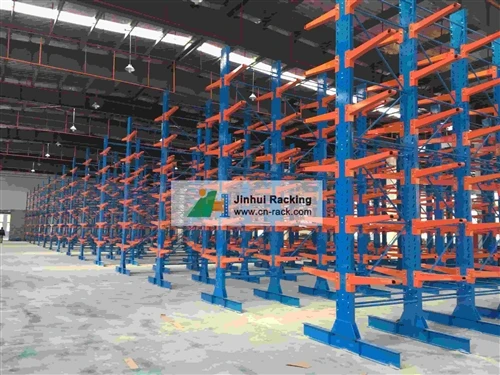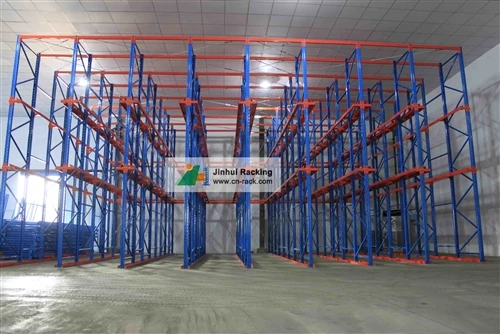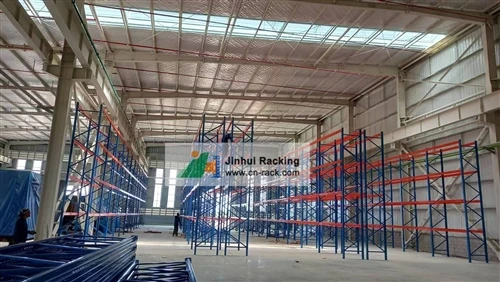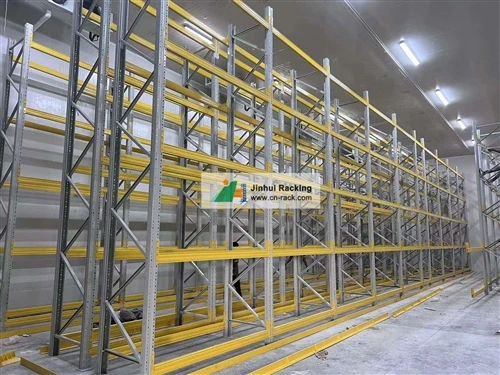

If you've ever ordered heavy duty pallet racking for a warehouse or industrial space, you've probably wondered why shipping costs for these systems aren't a flat, one-size-fits-all number. As a supplier who's worked with warehouses big and small for over a decade, I can tell you that there's no simple answer-because shipping costs for heavy duty pallet racking depend on a mix of factors that change with every order. Let me break down what goes into calculating these costs, so you don't get sticker shock when you're ready to place your next order.
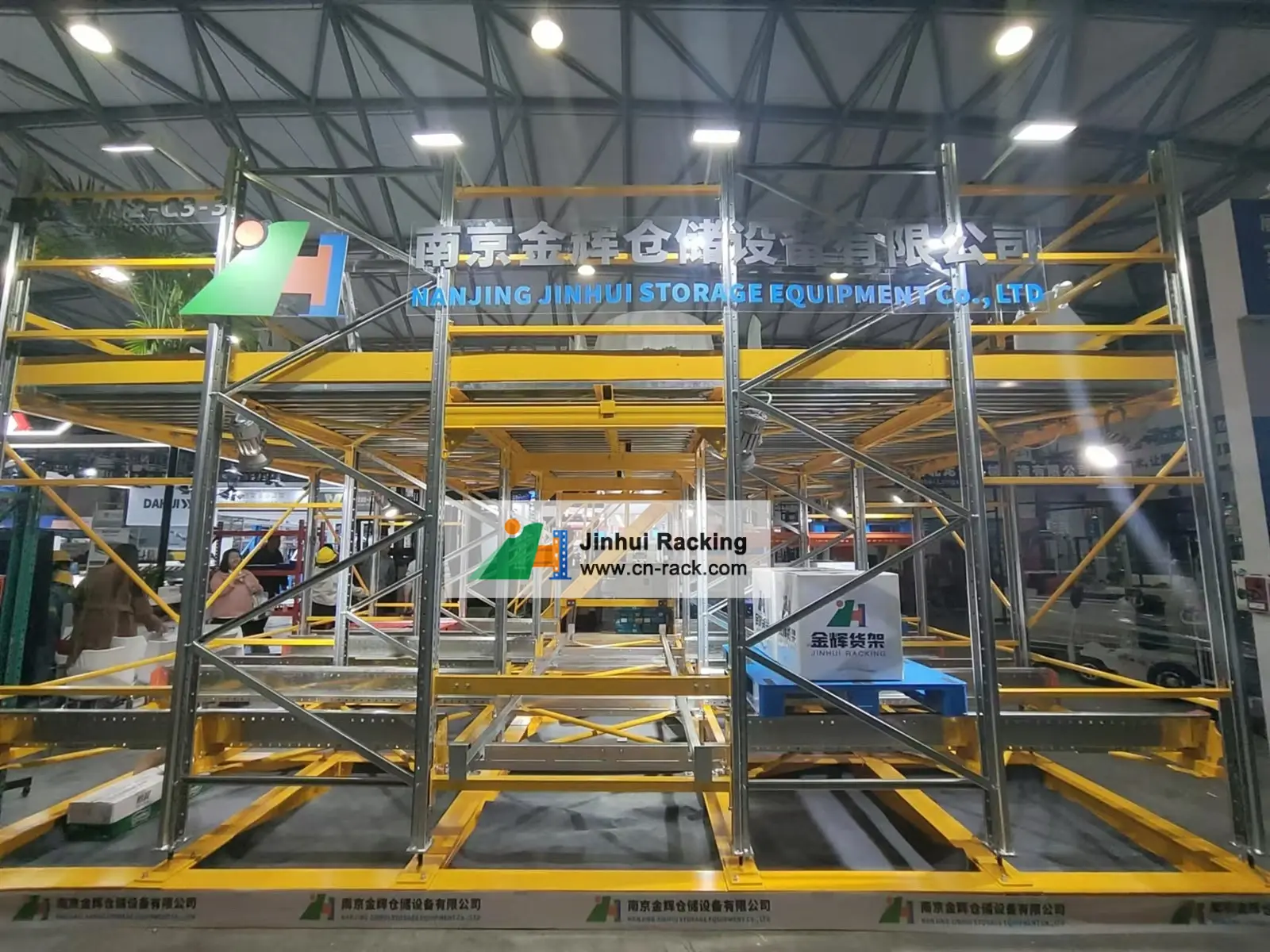
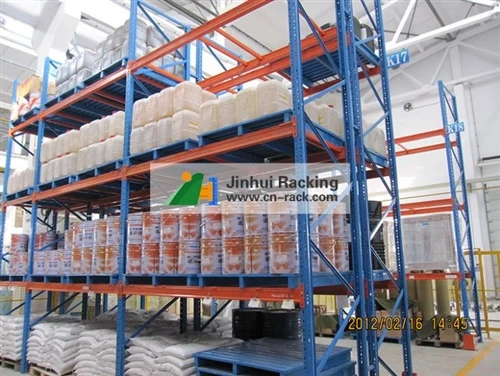
First, let's start with the basics: heavy duty pallet racking isn't a single product. There are dozens of configurations, each made for different load capacities, warehouse sizes, and operational needs. For example, a standard Teardrop Pallet Rack is one of the most common options out there, designed for easy assembly and compatibility with most forklifts. But even a rack system like this can vary in size, weight, and complexity-all of which impact shipping. If you opt for a more specialized system, like our New Design Motorized Mobile Racks System, the shipping costs will look even different because these units have large, motorized components that are bulkier and heavier than standard racks.
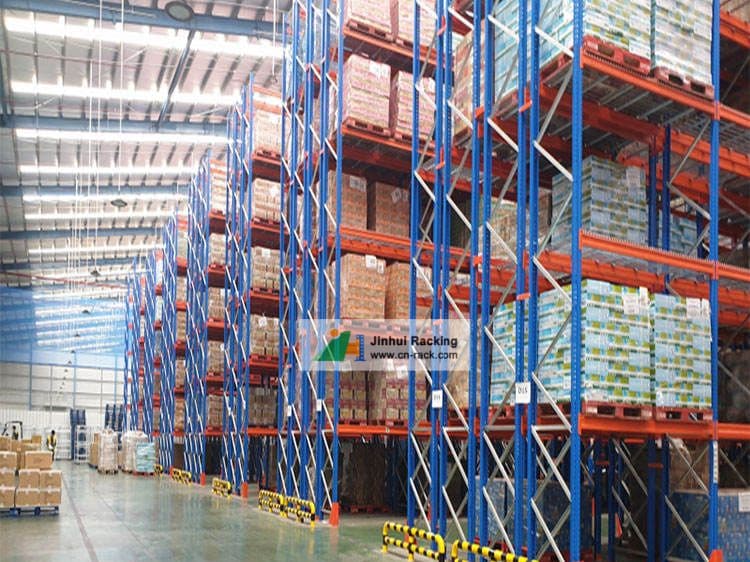
The biggest factor in shipping costs, by far, is the total weight of your order. Heavy duty pallet racking is built to hold thousands of pounds per level, so the individual components-upright frames, beams, decking, accessories-add up fast. For context, a single upright frame for a standard heavy duty system can weigh 150 to 300 pounds alone, and a beam for a pallet can add another 30 to 50 pounds. When you multiply that by 20, 50, or 100 sets (depending on your warehouse needs), you're looking at thousands of pounds of freight. Carriers charge by weight, especially for LTL (less-than-truckload) shipments, and full truckload rates jump steeply for heavier loads. That's why a small order for 10 racks might have shipping costs that make up 15-20% of the total order value, while a large order for 100 racks could have shipping that's only 8-12% of the total-carriers give discounts for larger, heavier loads because they fill up more of a truck.
Next, size and dimensions matter as much as weight. Even if two orders have the same total weight, a rack system that's 10 feet tall and 4 feet wide will fit differently on a truck than a system that's 20 feet tall and 6 feet wide. Oversized or extra-tall components require special handling, accessorial fees, and sometimes flatbed trailers instead of standard dry vans. For example, a Custom Pallet Racking system built to fit a unique warehouse layout might have uprights that are longer than standard sizes, which can't be folded down for shipping-so they take up more space on the truck, leading to higher costs. That's why our team always works with customers to design racking that balances their storage needs with shipping efficiency, whenever possible.
Another often-overlooked factor is shipping distance. If you're ordering from a local supplier, your shipping costs will be lower than if you're ordering from a supplier across the country. Carriers calculate rates based on origin and destination zip codes, with longer distances meaning higher fuel surcharges, driver time, and route costs. For example, a customer in Texas ordering our Powerful Capacity Use forklift Warehouse Storage Heavy Duty Pallet Racking System might pay $1,200 to ship a full truckload 200 miles, while a customer in Washington ordering the same exact system could pay $3,800 for shipping across 2,000 miles. Fuel surcharges also add volatility-when diesel prices go up, carriers pass that cost directly to customers, so shipping rates can fluctuate from month to month.
Accessorial services are another piece of the puzzle, and they're easy to miss until you get your quote. If you need liftgate service to unload the racking at your warehouse (especially if you don't have a loading dock), that adds a fee of $50 to $150. Inside delivery, where carriers bring the palletized racks inside your warehouse instead of leaving them at the curb, can add another $100 to $300. Residential delivery (even if it's a commercial warehouse in a non-industrial area) might also incur extra fees, as most carriers design their routes for industrial zones. And if you need expedited shipping, which gets your order to you in 3-5 days instead of 7-10, that can add 20-50% to your base shipping cost.
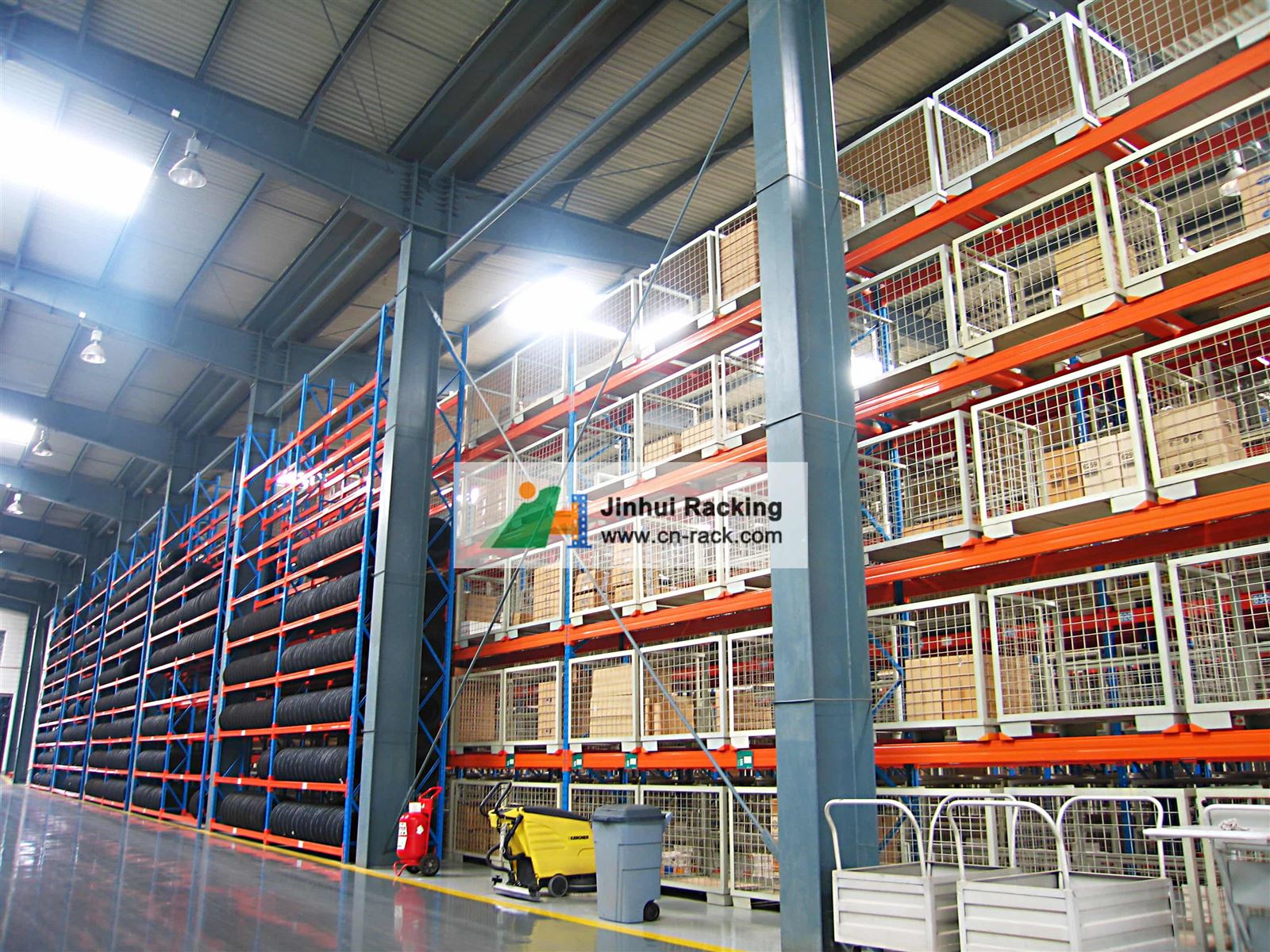
Type of shipping method also makes a big difference. For smaller orders, LTL shipping is the most common and cost-effective option. LTL carriers combine multiple shipments from different customers into one truck, so you only pay for the space your racks take up. For larger orders, a full truckload (FTL) is better, as it's cheaper per pound than LTL for loads over 10,000 pounds. And for orders with extremely heavy components-like our Jinhui Heavy Duty Shelves Industrial Steel Rack, which is built for medium weight but still has sturdy, thick frames-some customers opt for heavy haul carriers, which specialize in over-weight or over-dimension loads, though that comes with its own higher costs.
Wait a second-what about assembly? No, assembly isn't part of shipping costs, but it is something that affects how you plan your budget overall. But for shipping specifically, there's one more thing I always make sure customers know: packaging. High quality pallet racking is usually shipped on wooden pallets, wrapped in shrink wrap, and sometimes with protective corners to prevent damage during transit. While that's standard, if you have special packaging needs-like climate-controlled shipping (which is rarely necessary for pallet racking, but sometimes requested for custom painted components) or crating for extremely fragile parts-that will add to your shipping cost.
So how do you get an accurate shipping cost for your heavy duty pallet racking? The best way is to contact your supplier with a few key details: the total number of uprights and beams you need, their dimensions and load capacities, your delivery zip code, and any special service needs (liftgate, inside delivery, expedited shipping). When customers reach out to our team with these details, we can pull a specific quote from our trusted carriers within 24 hours, no hidden fees. We always include all accessorial charges in our quotes upfront, so you don't get surprised by extra costs after your order is placed.
I've seen too many customers get burned by suppliers who give a low base price for racking and then charge exorbitant shipping costs to make up the difference. That's why at our company, we pride ourselves on transparent pricing. We'll explain every line item in your shipping quote, so you know exactly what you're paying for-whether it's weight, distance, or accessorial services. We also work with our carriers regularly to negotiate better rates for our customers, so we can pass those savings along.
At the end of the day, the best way to get a fair shipping cost for heavy duty pallet racking is to work with a knowledgeable supplier who understands the ins and outs of LTL and FTL shipping for industrial products. Don't be afraid to ask questions about shipping details when you're comparing quotes-ask if the quote includes liftgate service, how long transit will take, and if there are any hidden fees. A good supplier will be happy to walk you through every part of the process, from choosing the right racking system to understanding your shipping costs.
If you're ready to find out what the shipping cost would be for your specific heavy duty pallet racking needs, reach out to our team today. We can help you design the right system for your warehouse, whether that's a standard Teardrop Pallet Rack, a custom solution tailored to your unique space, or our motorized mobile system for maximum storage density. We'll also give you a clear, no-obligation quote that includes all shipping costs, so you can plan your budget with confidence.
References:
- National Association of Industrial and Office Properties. (2022). "Freight Cost Factors for Industrial Storage Products."
- American Trucking Associations. (2023). "LTL and FTL Shipping Rate Trends for Heavy Industrial Goods."
- Warehouse Education and Research Council. (2021). "Best Practices for Shipping and Receiving Pallet Racking Systems."
- Heavy Duty Storage Manufacturers Association. (2022). "Accessorial Fees for Industrial Freight Deliveries."