
If you've ever spent time managing a warehouse that stores long, bulky, or irregularly shaped goods-think pipes, steel beams, lumber, or furniture frames-you know how much of a challenge it is to keep things organized, accessible, and efficient. For years, many operations relied on basic shelving or floor stacking for these items, both of which lead to wasted space, higher accident risks, and hours of wasted time searching for a single piece of inventory. That's where cantilever racking comes in: a specialized storage solution designed explicitly for items that don't fit on standard pallet racks. But cantilever racking alone only solves part of the problem. The real game-changer is integrating it with a modern Warehouse Management System (WMS)-a pairing that turns a static storage structure into a dynamic, data-driven part of your entire supply chain. As a cantilever racking supplier who's worked with warehouses of all sizes over the past decade, I've seen firsthand how this integration transforms messy, inefficient spaces into well-oiled, cost-effective operations. Today, I want to break down exactly how that integration works, why it matters, and how it can benefit your team.
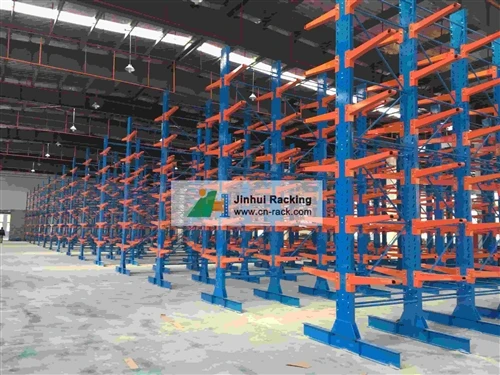
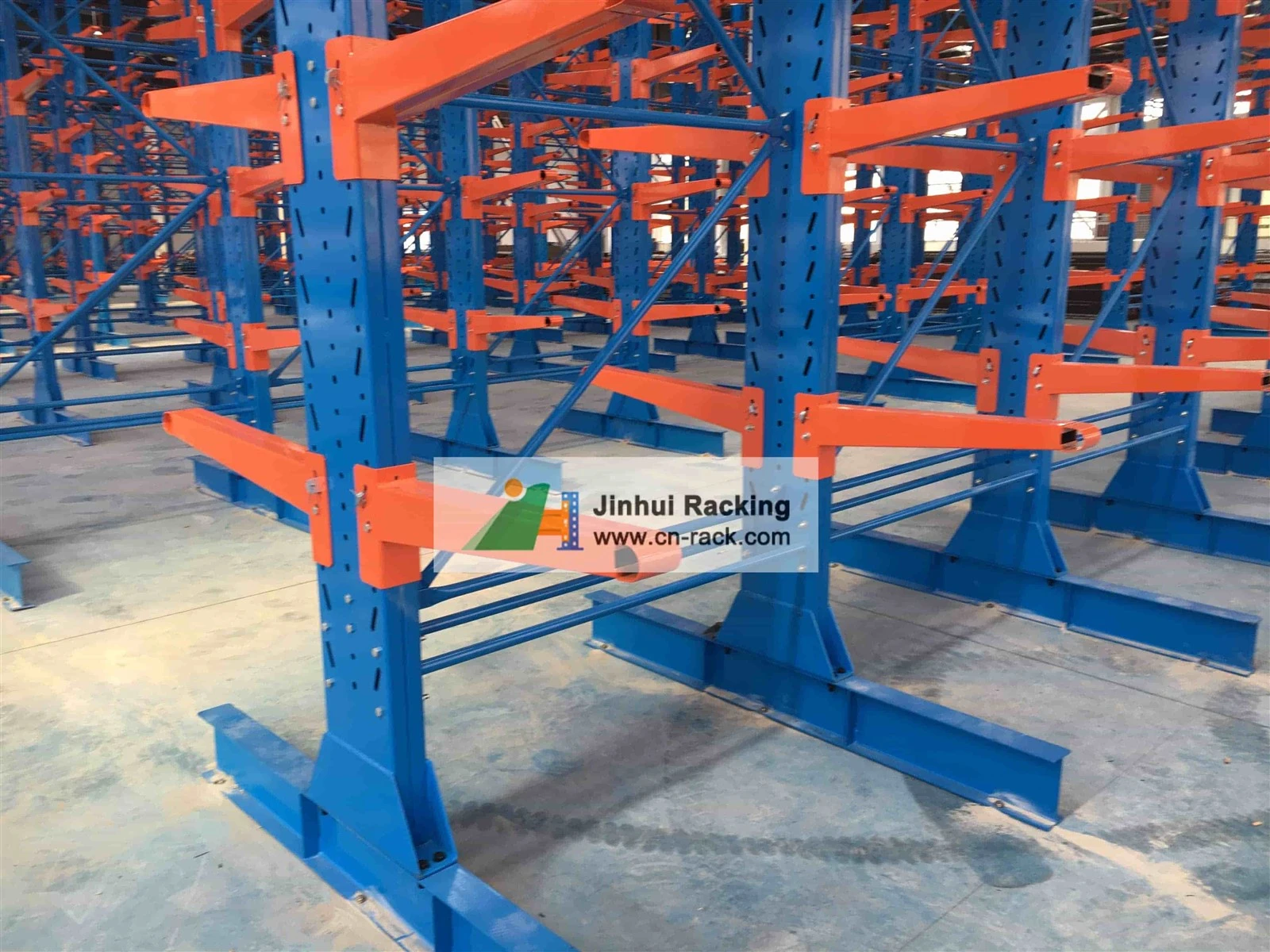
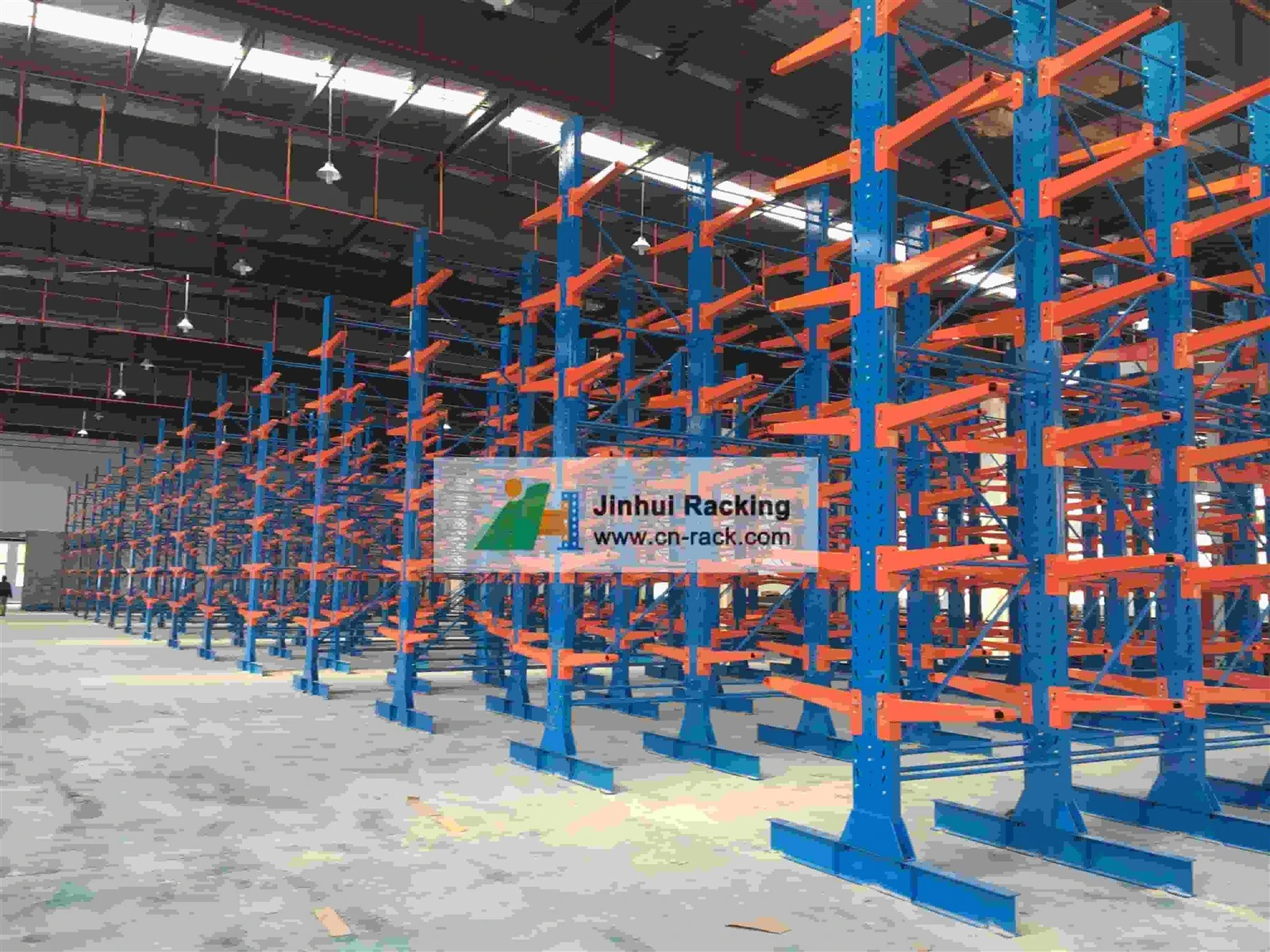
To start, let's ground this in what each component does on its own, so you can see why they're stronger together. Cantilever racking is unique because it uses arms extending vertically from upright supports, creating open storage bays with no front beams-perfect for long, awkward loads that would get stuck on standard racks. Our range includes specialized options tailored to different needs: Cantilever Pipe Storage Racks are built with reinforced arms and adjustable heights to accommodate everything from small PVC pipes to heavy steel tubes, while Heavy Duty Storage Cantilever Racking System for Pipe and Irregular Goods supports loads up to several thousand pounds for industrial-grade materials. For outdoor or moisture-prone spaces, our Galvanised Cantilever Racking resists rust and corrosion, making it durable year-round, and our Single Sided Cantilever Rack is ideal for narrow warehouse aisles or spaces where only one side of a bay is accessible. Even the highest-capacity models, our Heavy Duty Cantilever Rack, work seamlessly-when paired with a WMS.
Now, a WMS is software that manages and optimizes warehouse operations: tracking inventory, coordinating picking and restocking, monitoring labor, and generating reports on space utilization and turnover. Without a WMS, cantilever racking requires manual tracking-writing inventory counts on paper, mapping load locations by memory, and relying on team members to remember where each item is stored. This works for small warehouses, but once you have hundreds of loads, SKUs, and staff moving through the space, manual tracking becomes error-prone: items get mislabeled, loads get placed in hard-to-reach spots, and picking orders take twice as long as they should. Integration bridges that gap by connecting the physical racking hardware to the WMS's digital data, creating a two-way flow of information that automates and simplifies every step of warehouse management.
Let's walk through the step-by-step process of how this integration actually works, from setup to daily operations. The first stage is what we call "data mapping" during installation. When we install cantilever racking for a new client, our team doesn't just bolt uprights to the floor and attach arms-we work with their WMS team to assign unique digital coordinates to every bay and arm on the racking. For example, a pipe storage bay might get a coordinate like "Bay 3, Level 2, Arm A," and each individual load of 10-foot steel pipes is linked to that coordinate in the WMS. This isn't just labeling-we use scannable barcodes or RFID tags (we often recommend RFID for high-volume operations) that are physically placed on each load, each rack arm, and each bay. The WMS is programmed to recognize these tags, so every time a load is added or removed, the system updates its inventory database automatically.
The next critical piece of the puzzle is hardware connectivity. Most modern cantilever racking integration uses either Wi-Fi-enabled sensors or fixed Bluetooth beacons placed throughout the warehouse, or in some cases, edge computing devices mounted directly on the rack uprights. These sensors communicate with the WMS in real time, capturing data like: how much weight is on each arm, if a bay is empty or full, and even if a load is misaligned or at risk of falling. For example, if a team member places a 5,000-pound steel beam on an arm rated for only 3,000 pounds, a weight sensor on that arm sends an alert to the WMS immediately, which pops up a warning on the staff's handheld scanner or the WMS dashboard. This prevents overloading, which is a top safety concern with cantilever racking since uneven weight can cause arms to bend or collapse.
Once the system is set up and connected, the integration transforms daily operations in tangible ways. Let's take order picking, which is where I see the biggest efficiency gains. In a non-integrated warehouse, a picker gets a paper or digital list of items to collect, and has to either search for the load by SKU (which often means walking up and down aisles) or rely on a colleague's memory. With integrated cantilever racking, the WMS tells the picker exactly which bay, level, and arm to go to, and even adjusts the pick order to minimize travel-like grouping all pipes for a single shipment that are in the same section of the warehouse. For long items like pipes, this is a huge win: instead of wandering for 10 minutes to find a specific length, the picker is directed straight to the exact spot, cutting picking time by 30% or more for many of our clients.
Restocking is another area where integration shines. When a new shipment of lumber or steel beams arrives, the WMS scans the incoming inventory and uses a predefined set of rules to assign the best possible spot on the cantilever rack. These rules are based on factors like load weight, size, turnover rate, and accessibility. For example, high-turnover items like common 10-foot PVC pipes are assigned to arms at ground level (so pickers don't have to climb ladders), while slower-moving specialty steel beams are placed higher up or in less accessible bays. The WMS also checks for empty or underused bays first, so the warehouse isn't wasting space. In a non-integrated setup, staff might just stack new items in the first open bay they find, leading to cluttered, disorganized spaces that are hard to navigate.
Safety is a third key benefit that often gets overlooked. Cantilever racking is designed to hold heavy, long loads, but without integration, it's hard to monitor for potential hazards. The sensors linked to the WMS track things like load weight, arm alignment, and even the number of times a bay has been used. For example, if a bay's arms have been repeatedly loaded to near their maximum capacity, the WMS can flag that for maintenance, so our team can come out to inspect the racking and prevent a potential collapse. The system also logs every movement-who picked a load, when, and how much was moved-so if there's an accident, you have a clear record of what happened, instead of relying on eyewitness accounts.
Of course, this integration isn't without its considerations, and as a supplier, I always walk new clients through the most important things to plan for to make sure the setup works long-term. First, you need to choose the right type of cantilever racking for your space and inventory. For example, a warehouse that stores only small-diameter pipes won't need the Heavy Duty Storage Cantilever Racking System for Pipe and Irregular Goods, but a facility handling large steel beams definitely will. The type of WMS you use matters too-most modern WMS platforms (like Manhattan Associates, Blue Yonder, or even cloud-based options like Fishbowl) are compatible with cantilever racking sensors, but you'll want to confirm compatibility before installation. We also recommend starting small if you're new to this-maybe integrate one section of your cantilever racking first, test it for a month, then expand to the rest of the warehouse. That way, you can work out kinks without disrupting your entire operation.
Another common question I get is about cost: "Is integrating cantilever racking with a WMS worth the investment?" From my experience, the answer is a resounding yes for most warehouses that handle long or irregular goods. The average client we work with sees a 25% reduction in picking errors, a 20% increase in storage space utilization (since the WMS optimizes bay placement), and a 15% drop in workplace accidents within the first six months of integration. Those savings add up quickly-less time spent searching for inventory means more time fulfilling orders, better space utilization means you don't have to expand your warehouse prematurely, and fewer accidents mean lower insurance costs and less downtime. For a small warehouse that handles high-volume pipe inventory, the cost of integration might pay for itself in less than a year.
Let's also talk about real-world examples to put this in perspective. Last year, we worked with a mid-sized construction supply company that was struggling with their cantilever racking setup. Before integration, their order pickers spent an average of 12 minutes per order searching for pipes and beams, and they had an average of one damaged load per week from misplacing or dropping items. We installed our Cantilever Pipe Storage Racks for their core pipe inventory, paired them with Wi-Fi sensors linked to their existing WMS, and mapped all bays and loads. Three months later, they reported that pick time was down to 5 minutes per order, damaged loads dropped to less than one per month, and they were able to fit 15% more inventory in the same warehouse space by optimizing bay placement. That's the kind of tangible change that makes this integration so valuable.
At the end of the day, the goal of combining cantilever racking with a WMS is to turn a static storage solution into a tool that supports your entire business. It takes the guesswork out of inventory management, reduces human error, improves safety, and helps you make the most of your warehouse space. If you're currently using cantilever racking without a WMS, or you're looking to upgrade your storage setup for long or irregular goods, now is the time to explore integration. As a cantilever racking supplier, we're here to help every step of the way-from choosing the right racking (whether that's our Single Sided Cantilever Rack for narrow aisles or our Galvanised Cantilever Racking for outdoor use) to integrating it with your WMS seamlessly.
If you're ready to learn more about how this integration can work for your warehouse, or if you have questions about our cantilever racking lines, we encourage you to reach out to our team to discuss your specific needs. Whether you're a small local warehouse or a large industrial facility, we have the experience and products to help you streamline your operations.
References
- Material Handling Industry Association. (2022). Best Practices for Integrating Storage Racking with Warehouse Management Systems.
- Smith, J. (2023). Efficiency Gains in Specialty Storage: Cantilever Racking and WMS Integration. Journal of Warehouse Operations, 14(2), 45-58.
- Global Supply Chain Review. (2021). Safety and Space Utilization: The Business Case for Automated Storage Integration.
- Warehouse Education and Research Council. (2022). Guide to Modern Warehouse Storage Solutions and Technology Integration.