
As a steel pallet supplier, I've witnessed firsthand how these robust storage solutions have revolutionized inventory management. In this blog, I'll delve into the various ways steel pallets impact inventory management, from enhancing efficiency to improving safety and sustainability.
Efficiency Boost
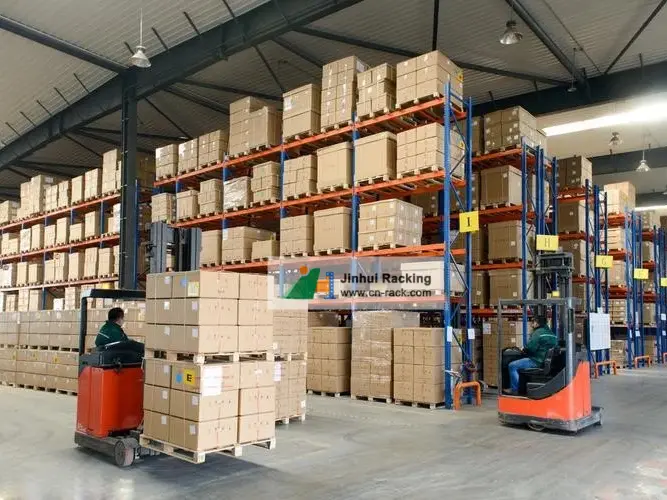
One of the most significant advantages of using steel pallets in inventory management is the efficiency they bring to the table. Steel pallets are incredibly durable and can withstand heavy loads without deformation. This means that they can be stacked higher and more securely, allowing for optimal use of vertical space in warehouses. By maximizing storage capacity, businesses can minimize the floor space required for inventory storage, freeing up valuable real estate for other operations.
For example, a company that previously used wooden pallets and could stack them only three levels high may be able to stack steel pallets five or six levels high. This simple change can significantly increase the amount of inventory that can be stored in the same warehouse area, reducing the need for additional storage facilities and potentially saving on rent and utilities.
Moreover, steel pallets are compatible with a wide range of handling equipment, such as forklifts, pallet jacks, and conveyors. Their standardized dimensions ensure smooth and seamless movement of goods throughout the warehouse. This compatibility reduces the time and effort required to load, unload, and transport pallets, leading to faster turnaround times and improved overall operational efficiency.
When it comes to inventory tracking, steel pallets can be easily integrated with barcode or RFID technology. This allows for real - time monitoring of inventory movement, making it easier to locate specific items in the warehouse. With accurate and up - to - date information, businesses can optimize their inventory levels, reduce stockouts, and improve order fulfillment rates.
Safety Enhancement
Safety is a top priority in any inventory management system, and steel pallets play a crucial role in ensuring a safe working environment. Unlike wooden pallets, which can splinter, crack, or harbor pests, steel pallets are made of a single, solid material that is less likely to cause injuries. Their smooth surfaces eliminate the risk of cuts and abrasions to workers' hands and bodies during handling.
In addition, steel pallets are fire - resistant, which is a significant advantage in warehouses where flammable materials may be stored. In the event of a fire, steel pallets are less likely to contribute to the spread of flames, providing an extra layer of protection for both inventory and personnel.
The structural integrity of steel pallets also makes them more stable during handling and storage. They are less likely to tip over or collapse under heavy loads, reducing the risk of accidents and damage to goods. This stability is especially important when using forklifts or other heavy machinery to move pallets, as it helps to prevent collisions and falls.


Sustainability Benefits
In today's environmentally conscious world, sustainability is an important consideration in inventory management. Steel pallets are a more sustainable option compared to traditional wooden pallets. Steel is a highly recyclable material, meaning that at the end of their lifespan, steel pallets can be melted down and reused to make new products. This reduces the amount of waste sent to landfills and conserves natural resources.
Moreover, the durability of steel pallets means they have a much longer lifespan compared to wooden pallets. A single steel pallet can last several years or even decades with proper maintenance, while wooden pallets may need to be replaced every few months due to wear and tear. By reducing the frequency of pallet replacements, businesses can minimize their environmental impact and save on costs associated with pallet procurement.
Compatibility with Other Storage Systems
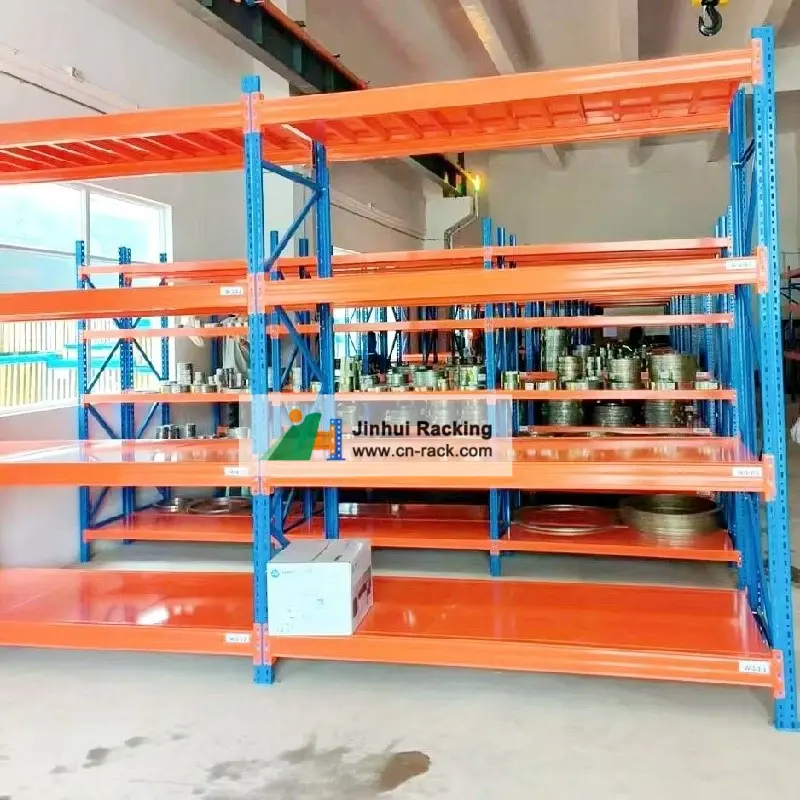
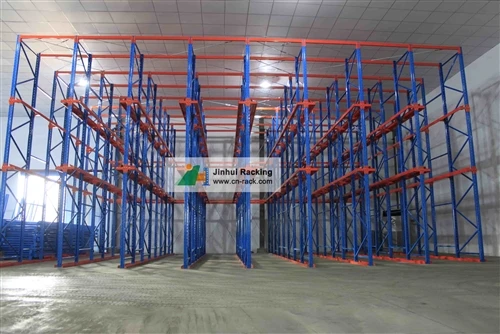
Steel pallets are highly compatible with various storage systems, further enhancing their value in inventory management. They can be used in conjunction with pallet racking systems such as the Industrial Heavy Duty Rack Manufacturing Pallet Rack Logistics Equipment Factory Warehouse Storage Racks Heavy Duty Racking. These racking systems are designed to support the weight of steel pallets and provide easy access to stored goods.
The Heavy Duty Storage Drawer Racking Industrial Mold Rack System is another example of a storage system that can work well with steel pallets. The drawers in this system can be customized to fit steel pallets, allowing for organized storage of small to medium - sized items.
Similarly, the Warehouse Steel Storage Draw - out Racking and Shelving and the Powerful Capacity Use forklift Warehouse Storage Heavy Duty Pallet Racking System are designed to accommodate steel pallets, providing efficient and flexible storage solutions for different types of inventory.
The New Design Motorized Mobile Racks System Railed Racking Pallet Racking Storage Rack Warehouse Rack With High Load - Bearing can also be paired with steel pallets. The motorized feature of these racks allows for easy movement and access to stored pallets, optimizing the use of warehouse space.
Cost - Effectiveness in the Long Run
Although the initial cost of steel pallets may be higher than that of wooden pallets, they offer significant cost - savings in the long run. The durability of steel pallets reduces the need for frequent replacements, which can be a major expense for businesses that rely on pallets for inventory management.
In addition, the reduced risk of damage to goods during handling and storage can save businesses money on product returns and replacements. The improved efficiency and productivity associated with steel pallets can also lead to cost savings by reducing labor costs and increasing throughput.
Conclusion
In conclusion, steel pallets have a profound influence on inventory management. They enhance efficiency by maximizing storage capacity and streamlining inventory handling processes. They improve safety by providing a more durable and stable platform for storing and moving goods. They offer sustainability benefits by being recyclable and having a long lifespan. And they are cost - effective in the long run.
If you're looking to improve your inventory management system, I encourage you to consider using steel pallets. Our company offers a wide range of high - quality steel pallets that can meet your specific needs. Get in touch with us to start a procurement discussion and take your inventory management to the next level.
References
- "Warehouse Management Fundamentals" by John J. O'Brien.
- "The Green Supply Chain: An Introduction to Theory and Practice" by Alan McKinney.
- "Industrial Pallets: Types, Uses, and Advantages" - Industry research report.