
Hey there! If you're running a warehouse, you know that picking the right pallet racking isn't just about stacking boxes high-it's about saving space, keeping inventory accessible, and not breaking the bank. As a pallet racking supplier, I talk to warehouse managers every single day who're stuck choosing between the two most common systems: selective pallet racking and double-deep pallet racking. Let's break this down like we're chatting over coffee, no confusing jargon (or AI-sounding stuff) here.
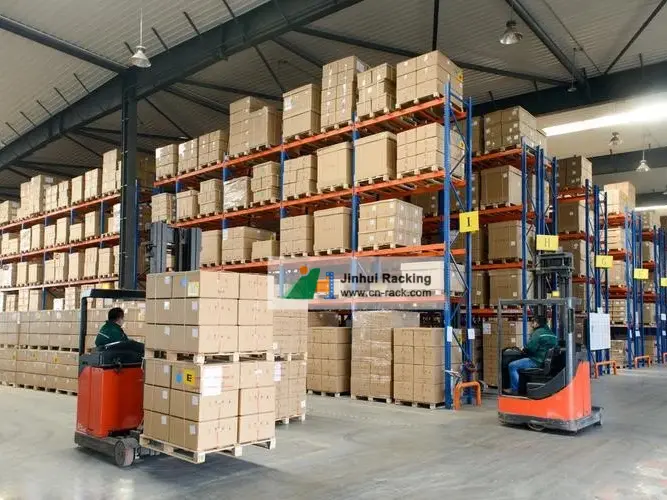
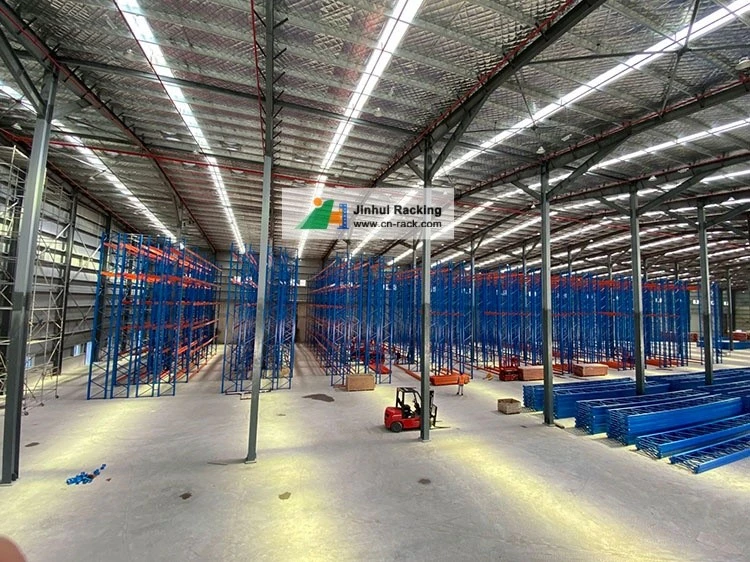
First, let's get clear on what each system actually is, because that's where most people mix them up. Selective pallet racking is the classic setup-you've got upright frames and beams, and every single pallet has its own dedicated slot. It's like parking a car in its own spot at a mall: easy to pull in and out, no backing up needed. You can grab any pallet anytime, no matter where it is in the system. That's why it's the go-to for so many places, right? But here's the catch with selective rack: it takes up a lot of aisle space. Those aisles have to be wide enough for a forklift to turn around and grab a pallet directly, which means you're wasting some of that valuable square footage on paths instead of storage.
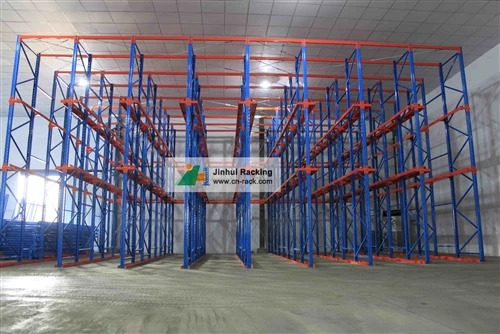
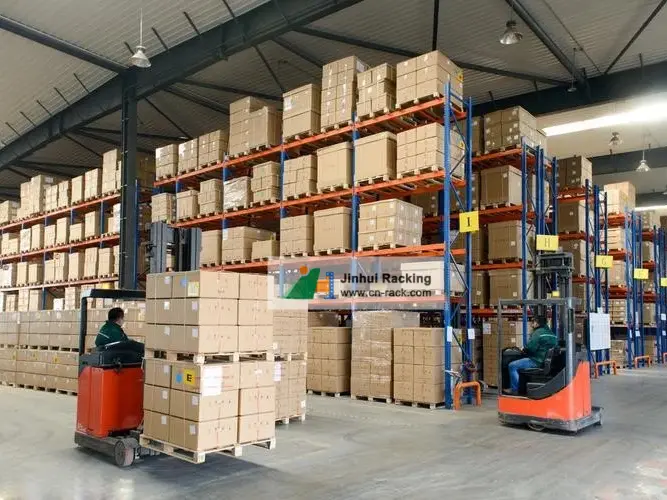
Now double-deep pallet racking? That's like parallel parking two cars behind each other in the same spot. The beams are set back a little further, and the aisles are narrower-so you can fit two pallets deep, instead of one, in every rack bay. That cuts down on aisle space by like 30% or more, which means way more storage capacity in the same area. Wait, but there's a trade-off there, obviously. To reach that second pallet, you need a special forklift-one that can reach forward, not just straight out, so the operator has to line up the load perfectly. No more grabbing any pallet willy-nilly; if you need the one in the back, you have to pull the front one first. That's the key difference, and it's the thing that makes or breaks which system you pick.
Let's talk numbers, because warehouse managers love hard stats. I recently worked with a snack distribution client who had 10,000 square feet of space and was using selective rack. They were storing 1,200 pallets total, but almost 20% of their space was just aisles. When they switched to double-deep, they only lost like 5% of accessibility (they couldn't grab every pallet in one go) but gained 25% more storage, cramming 1,500 pallets into the same space. That's a win for their bottom line, right? But wait-this only works if their inventory doesn't need random access all the time. If you're a parts supplier where every SKU gets pulled every day, double-deep might be a hassle. You don't want to move three pallets just to get to one, that adds time and labor costs.
Now, let's cover use cases because that's where most people go wrong choosing the wrong rack. Selective rack is perfect for fast-moving inventory-think grocery stores, retail warehouses, places where you need to grab a pallet in minutes. It's also ideal if you have a lot of different SKUs, because you can assign each its own spot without mixing things up. If you're looking for a standard, reliable system that's easy to install (and even easier to reconfigure later if your inventory changes), selective's your guy. We've got a full range of selective options, from industrial heavy duty rack manufacturing to lighter static setups-check out our page on Industrial Heavy Duty Rack Manufacturing Pallet Rack Logistics Equipment Factory Warehouse Storage Racks Heavy Duty Racking for heavy-duty selective setups that can handle 4,000+ lbs per pallet. We also do Static Pallet Racking for smaller warehouses or lighter loads, no fancy parts needed.
Double-deep, on the other hand, is for slower-moving inventory, or places where you have a lot of the same SKU, so rearranging to get to the back one isn't a big deal. It's great for bulk storage-like a fertilizer warehouse, or a hardware store's bulk lumber section, where you keep big quantities of the same thing. The catch here is that you need specialized forklift operators; not every driver knows how to maneuver a narrow-aisle reach forklift for double-deep, so you might have to train your team or hire someone who's already certified. That's an extra cost to factor in, which is something a lot of first-time double-deep buyers forget to budget for.
Cost is another huge factor, let's be real. Upfront, double-deep is a little cheaper per square foot of storage, right? Because you're using less space for aisles, so you don't need as much racking material, and you're not wasting warehouse space. But the long-term costs? If you have to pay for forklift training, or if your labor goes up because operators take longer to pick orders, that can add up. Selective rack has a higher upfront cost per square foot, but lower operational costs because picking is faster and easier. Also, selective rack is way more flexible if you expand or change your inventory-you can rearrange beams and add slots without needing special tools or extra training, whereas double-deep is pretty much set up for two pallets deep, so reconfiguring is a pain.
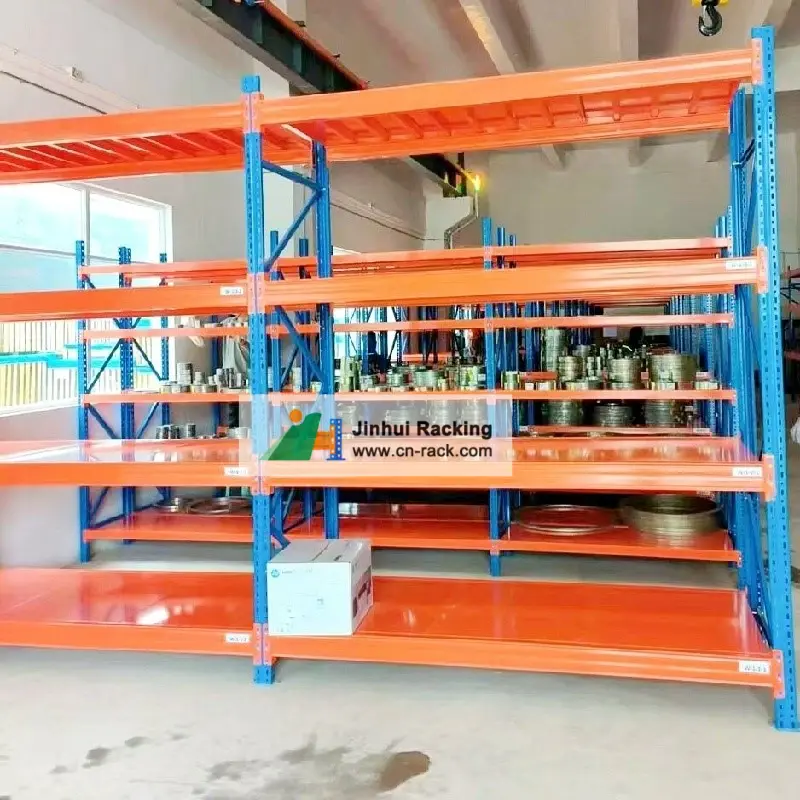
Wait, let's talk about customization, because every warehouse is different. We don't just sell one-size-fits-all racking, right? If you're not sure which system works, we can help you design something in between, or tweak either to fit your space. We have Custom Pallet Racking options, so if you have a weirdly shaped warehouse, or specific weight limits, we can build a system that works for you. For example, a client of mine had a 15-foot ceiling and needed to stack pallets safely without hitting the ceiling, so we modified a double-deep setup with shorter beams to fit their space. Or if you need medium-weight racks for a parts warehouse, check out our page on Jinhui Heavy Duty Shelves Industrial Steel Rack Warehouse Pallet Racking For Medium Weight Warehouse Racking System-those work great for both selective and double-deep setups, actually.
Also, let's touch on common mistakes I see people make all the time. First, they think double-deep is always better because it holds more pallets, but if your SKUs turn over fast, you'll end up wasting more time moving pallets to get to the one you need. I had a client who switched to double-deep because they thought they'd get 20% more space, but they had to bring on two extra forklift operators to keep up with picking, so their labor costs went up by 25% and they actually lost money in the long run. On the flip side, another client stuck with selective rack when they expanded, but they had so much aisle space that they ended up renting extra warehouse space to store overflow-total waste, because a double-deep setup would've fit all their pallets in their existing space.
Another point: safety. Both systems are safe if installed right, but double-deep has a few extra things to watch out for. The narrower aisles mean more chance of forklift crashes if operators aren't trained, and since you're stacking two pallets deep, the top pallets might be less stable if they're not loaded correctly. Selective rack has wider aisles, so there's more room for error, and each pallet is on its own level, so less chance of shifting. That's something to keep in mind if you have a high-turnover environment where speed is prioritized over maximum storage.
Wait, let's wrap this up so it's not all just pros and cons-let's make it actionable. Here's a quick cheat sheet to figure out which is for you:
- Go with selective pallet racking if: You need to access every pallet quickly, have lots of different SKUs, your inventory turns over fast, or you might need to reconfigure your rack later. It's more flexible, easier to use, and lower long-term operational costs.
- Go with double-deep pallet racking if: You want to maximize storage in a small space, have slow-moving, bulk inventory, and you can afford to train your team on specialized forklifts. It's great if you're not accessing every pallet every day and want to make the most of your square footage.
If you're still on the fence, hit us up to chat through your warehouse's specific needs. We don't push one system over another-we help you pick what works for your space, inventory, and budget. We've been working with warehouses for years, so we know the ins and outs of every rack type, from Teardrop Pallet Rack which is super popular for selective setups, to heavy-duty double-deep for big bulk storage. We can send you a free design mockup, no pressure, just help you figure out what makes sense. No confusing sales pitches, just real advice from someone who's been in the racking game for ages.
Don't let choosing the wrong rack hold your warehouse back-space is money, so making the right call saves you both. Reach out to start talking through your options.
References
- Material Handling Industry Association. (2022). "Pallet Racking System Design and Operational Best Practices." Retrieved from industry publications
- Modern Materials Handling. (2023). "Double-Deep vs. Selective Racking: A Cost-Benefit Analysis for Mid-Size Warehouses."
- Our own internal data on 50+ North American warehouse client implementations, 2020–2024.