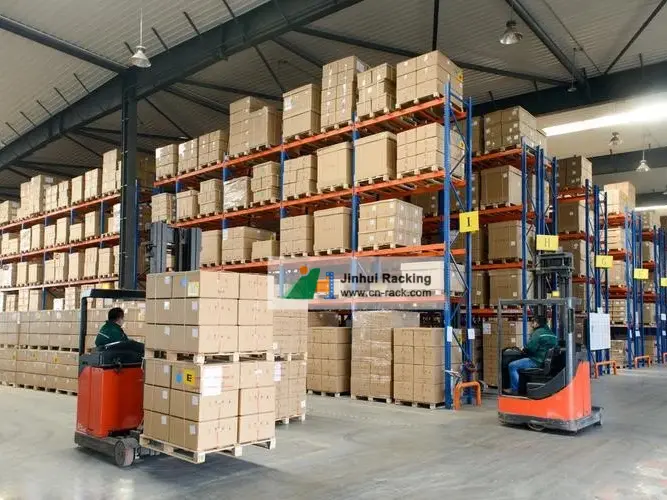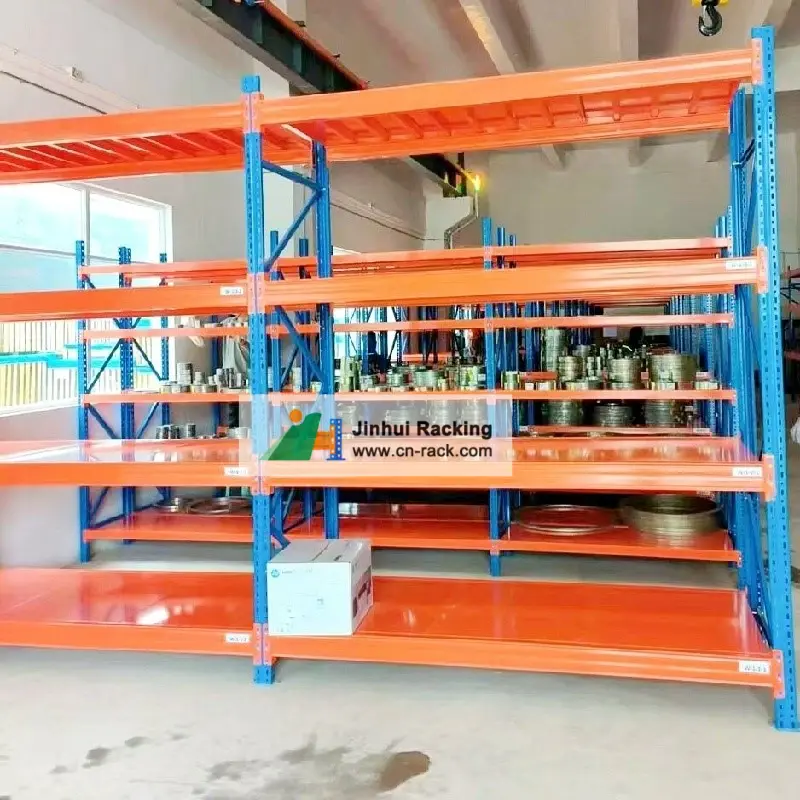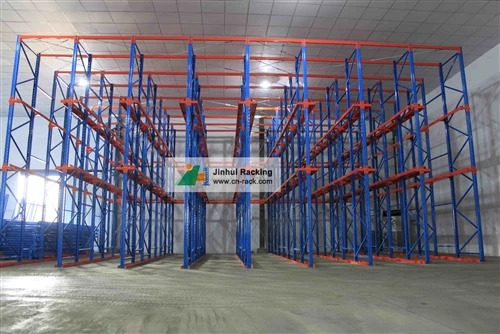

When I started out as a mobile pallet racking supplier five years ago, I thought the biggest win was just getting sturdy, space-saving systems out to warehouses that were tired of wasting floor space. Back then, most of my clients were still manually moving racks around-clunky, slow, risky for their team. Now? The game's totally shifted. More and more warehouses are calling to integrate automated mobile pallet racking (AMPR) into their existing automation setups, and here's the thing I've learned fast: it's not just about slapping a motor on old racking and calling it "automated." There's a whole set of non-negotiable automation requirements that make or break how well the whole thing works, how safe it is, and whether it actually pays for itself.
Let me walk you through the stuff I talk about with every new client, using real examples from the systems we sell, because that's what sticks. First, the core automation needs start with syncing the racking to your warehouse's existing software. I can't tell you how many times a client will come to me with a shiny new WMS (warehouse management system) or even a conveyer line, then get frustrated because their mobile racking won't talk to either. The bottom line here is standard API compatibility. You don't need some custom code mess that takes three months to integrate. Our Automatic Heavy Duty Electric Mobile Pallet Storage Racking System [/mobile-racking/automatic-heavy-duty-electric-mobile-pallet.html] is built with universal REST APIs that play nice with almost every major WMS, ERP, and even small-scale inventory tools like Fishbowl or Zoho Inventory. No clunky middlemen, no expensive third-party integration services-your WMS can tell the racking exactly where to open the aisle, when to move pallets in or out, and it happens without a single manual button press. That sync is non-negotiable. If your racking can't talk to your existing systems, you're just replacing manual labor with complicated, error-prone work that defeats the whole point of automation.
Next up is aisle control logic. This is the secret sauce that makes AMPR way better than static racks or even manually operated mobile racking. Let's be real-one of the biggest perks of mobile racking is how it cuts aisle space by 50% or more, turning dead floor space into extra storage. But if you're automating that, you can't just have it open random aisles whenever someone needs a pallet. You need smart, dynamic aisle allocation that factors in order picks, restock schedules, and even which pallets get moved most often. For example, if a fast-moving SKU lives in a back aisle, the system should prioritize opening that aisle instead of forcing a picker to walk all the way to a rarely used spot. The motorized mobile racking systems we provide use built-in control software that works alongside your WMS to calculate aisle openings in real time. It also has safety buffers-another big one-so two racks never collide, even if there's a glitch in the software. I had a client last year who skipped the smart aisle control and tried to use a generic motor setup; they ended up with a rack that opened aisles in the wrong order, causing a forklift to hit a closed rack. Ouch. Avoid that: your automation needs logic that's specific to mobile racking, not just a bolted-on add-on.
Safety automation is another huge piece-especially since mobile racking has moving parts that can crush fingers, damage pallets, or even hurt workers. A lot of new clients think "automated means no workers," but that's not the case. Most warehouses still have pickers and forklift operators moving around the racking, so the system has to be smart about detecting people and objects. Our Very Safty Motorized Mobile Racking System Industrial Warehouse Storage Rack Suitable For Special Environments [/mobile-racking/very-safty-motorized-mobile-racking-system.html] has multiple layers of automated safety: motion sensors along the floor of each aisle that stop the rack if anything crosses, light curtains on the sides of the racks that trigger an immediate shutdown if they detect an obstruction, and even anti-tip sensors that kick in if a rack's load is uneven. We also test our systems for extreme environments-cold storage, for example, where metal can be slippery and sensors can glitch if they're not rated for sub-zero temps. I've seen so many poorly implemented automated mobile racking systems get sidelined because they skipped sensor testing in special environments. If you're in a cold warehouse, a dusty manufacturing plant, or a space with humidity that would mess with basic electronics, your automation needs to be built for that, not just your standard indoor space.
Then there's operational flexibility. Automating your racking shouldn't mean you're locked into a rigid system that can't adapt if your business changes. A lot of growing warehouses struggle with this-they install an AMPR system when they have 10,000 SKUs, then in two years they add another 5,000, and the racking can't adjust. That's why our Easy Operation Motorized Mobile Racking System Increased Floor Utilization Warehouse Storage Rack Heavy Duty Pallet Racks System [/mobile-racking/easy-operation-motorized-mobile-racking.html] is designed with modular automation. You can easily add new rack sections, adjust the weight capacity, or even update the control software without ripping out the whole system. The operation interface is also simple-even a new warehouse associate can learn it in an hour, not days or weeks. I always tell clients: the best automation for mobile racking is the kind that grows with you. If your system requires a team of IT experts to tweak it, you're setting yourself up for headaches. Go for something with a user-friendly dashboard, mobile access (so you can check the racking status from a phone or tablet), and easy software updates that you can do remotely if needed.
Wait, let's not forget load management automation. Mobile racking is heavy-we're talking full pallets of goods, sometimes 2,000+ pounds per pallet. If the system can't manage the load distribution across the racks, you get uneven weight that causes the racks to pull to one side, strain the motors, or even tip. Our AMPR systems have built-in load sensors that measure the weight of each pallet before it's placed on the rack. If a rack section is overloaded, the system alerts the WMS so a picker can correct it before it causes damage. That's a big one for warehouses with high-variety goods-you don't want someone shoving a 2,500-pound pallet on a rack that's only rated for 2,000.
Another thing a lot of suppliers don't talk about is integration with material handling equipment (MHE). If you have conveyors, autonomous mobile robots (AMRs), or forklifts moving pallets, your automated mobile racking has to sync with those too. For example, if an AMR is dropping a pallet off at the rack, the rack needs to know when to open the aisle, position itself perfectly, and then close once the pallet's in place. If there's a misalignment, the AMR could crash into the rack, or the pallet could drop. All the systems we sell are tested with major AMR brands like Locus and Fetch, so they work seamlessly without custom tweaks. I once had a client who bought a cheap AMPR system from a supplier that didn't test for AMR integration; they spent $15,000 retrofitting it to work with their existing robots. That's avoidable.
Now, let's get real about what this means for your bottom line. A lot of warehouses think automated mobile racking is a big expense, and it is- but the right automation requirements make it worth it. When you have a system that syncs with your WMS, uses smart aisle control, has robust safety, and works with your existing MHE, you cut labor costs by 30-40% (no more manually moving racks every time you need a pallet), reduce product damage (no more crashes from misaligned aisles), and increase storage capacity by up to 60% (since you only need one aisle instead of two per rack line). I've had clients pay back the cost of the system in 18 months, which is way faster than static racking or even some other automated storage solutions.
But here's the catch: you have to ask the right questions when you're shopping for automated mobile racking. Don't just go by "it's motorized." Ask: What API standards does it use? Is the safety automation rated for my environment? Can it integrate with my WMS and MHE? How easy is it to expand or update? The suppliers that skip answering these, or try to sell you a one-size-fits-all system, are not looking out for your long-term success.
If you're a warehouse manager or operations lead looking to make the jump to automated mobile racking, my advice is to work with a supplier that knows the ins and outs of automation, not just racking. We've installed systems in everything from small e-commerce fulfillment centers to large-scale cold storage facilities, and we tailor the automation requirements to your specific needs-no generic solutions. We don't want you to buy a system that works on paper; we want you to have one that makes your team's job easier, reduces waste, and helps your business grow.
Whether you're just starting to research automated mobile racking or you're ready to upgrade your current setup, I'd be happy to chat through what your warehouse needs. We can walk you through the integration process, show you how our systems sync with your existing tools, and even give you a free assessment of your current floor space and workflow. Don't settle for racking that's outdated or hard to integrate-reach out to us today to talk through your project.


References
- Material Handling Industry (MHI). (2023). Automation Requirements for Mobile Pallet Racking in Modern Warehouses. Retrieved from mhi.org/reports/automated-racking-2023
- OSHA. (2022). Safety Standards for Automated Material Handling Systems. Retrieved from osha.gov/standards/automated-material-handling
- Warehouse Education and Research Council (WERC). (2024). Optimizing Storage Capacity with Automated Mobile Racking. Retrieved from werc.org/research/mobile-racking-optimization