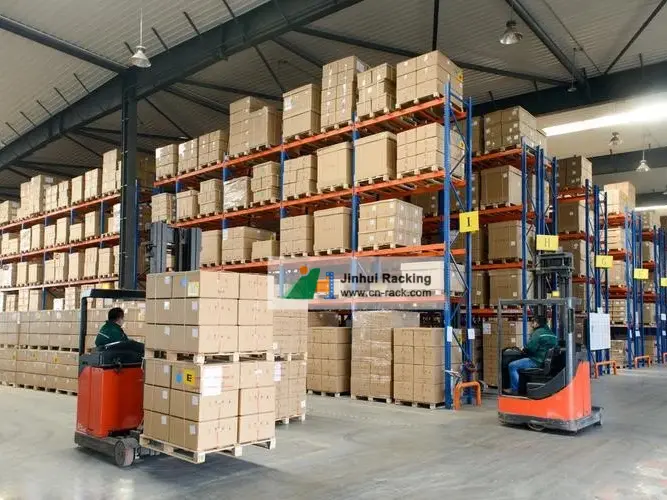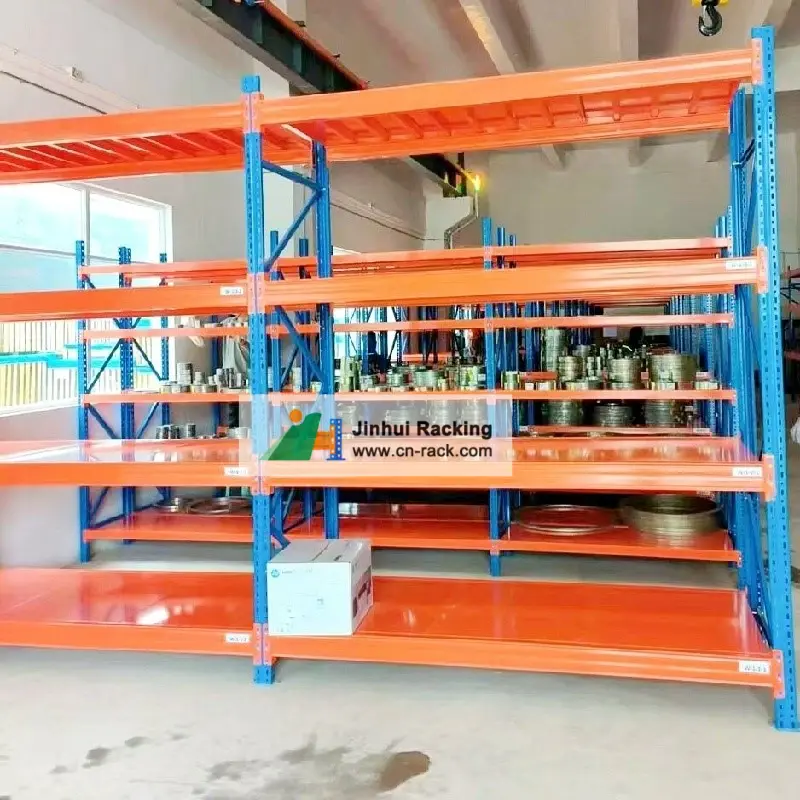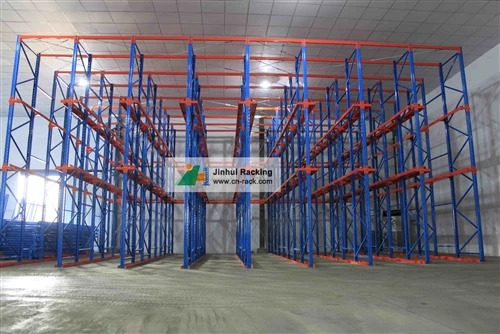

If you've ever walked through a busy warehouse, you know space is non-negotiable. When pallets are stacked everywhere, traffic jams slow down operations, and picking errors eat into profits, it's time to think about high-density storage solutions-especially push back racking. As a push back racking supplier, I get asked all the time: why does this system work so well, and what actually guides its design? It's not just about piling pallets onto rails; there's a reason it's a go-to for warehouses that need to cram more in without sacrificing speed. Let's break down the core design principles that make push back racking the workhorse it is.
First and foremost, push back racking is built around one big goal: space efficiency. Unlike selective pallet racks, where you need a dedicated aisle for every pallet location, push back racking lets you store multiple pallets deep in a single bay. That cuts down on aisle space by up to 30% for some setups-game-changing when land and warehouse rent are sky-high. The genius here is the roller track design, right? Each level has inclined, gravity-fed rails, so pallets slide back when you load a new one and roll forward when you pick the frontmost one. It's a FIFO (first-in, first-out) system, too, which is perfect for goods with expiration dates-like food, pharmaceuticals, or seasonal products. Wait, let's be clear: not all push back systems are the same. If you're just starting to research, check out the Push Back Pallet Rack System for heavy-duty, bulk storage needs, and the Push Back Racking System if you want a balance of density and accessibility. And for smaller SKUs or non-pallet items, don't sleep on the Push Back Shelving line-same core design, scaled down.
But space isn't the only focus. The next big design principle is load stability and durability. Warehouses handle all kinds of pallets: wood, plastic, metal, some weighing thousands of pounds. So the rails, pallet supports, and frame have to be engineered to take consistent, repeated force. The roller tracks aren't just cheap plastic-they're usually heavy-duty steel coated to resist scratches, rust, and wear from pallet jacks or forklifts. Each pallet "lane" is designed to hold 2 to 6 pallets, depending on the weight. If a pallet is too heavy, the rails might bend, or the entire lane could sag, which is a safety hazard and a maintenance headache. That's why we test every system with load capacity limits clearly marked-no guessing here. Also, the incline angle is super precise: usually 3 to 5 degrees. Too steep, and pallets might roll on their own, leading to collisions or unplanned movement; too flat, and they won't glide smoothly to the front when you pick one. It's a tiny detail, but it's what separates a flimsy DIY push back setup from a professional one that works day in and day out.


Another key principle is operator safety and ease of use. Look, forklift drivers are busy-they don't have time to fumble with locks or straps every time they load or pick a pallet. Push back racking is designed to minimize operator interaction. When you drop a pallet onto the front of a lane, it pushes the pallets behind it back along the rails automatically. When you need to pick a pallet, you just pull the front one out, and the next one rolls forward into the open spot. No need to reach deep into the rack, no need to maneuver around multiple pallets in a narrow aisle. That cuts down on forklift accidents too-less time spent backing into racking, less time reaching overhead. Wait, there's a catch: push back racking is a FIFO system, so it works best for goods where turnover is consistent. If you have SKUs that you only pick once a month, you might not need it. But for fast-moving goods, this design keeps operators on task and reduces strain injuries from heavy lifting or awkward movements. We also add safety stops at the end of each rail to make sure pallets don't fly off the back of the lane-another small design choice that prevents damage and keeps the workspace safe.
Adaptability is a big one too. Warehouse needs change all the time. A brand might start with 10 SKUs, then add 5 more a year later. A retailer might shift from storing full cases to individual pieces. So push back racking design is modular. You can add more lanes, adjust the number of pallets per lane, or even reconfigure entire levels without tearing down the whole system. That's a huge win for businesses that don't want to invest in a new racking system every time their inventory changes. For example, if you use our Push Back Racking System, you can swap out roller tracks or adjust rail height in a matter of hours, not days. That flexibility saves money long-term, which is why so many growing warehouses go with this system over permanent, one-size-fits-all options.
Wait, let's talk about load type compatibility too. Push back racking isn't just for standard wooden pallets. We design some lanes to work with plastic pallets, metal cages, even drums-though you have to make sure the weight and dimensions fit the rail spacing. If you have irregularly shaped goods, we can customize the pallet supports to cradle them securely, so they don't shift during transit or storage. That customization is part of the design principle too: one size doesn't fit all. A food warehouse storing 50lb boxes of cereal has different needs than a cold storage facility storing frozen meat, which has to handle lower temperatures that can make some metals more brittle. So we adjust the steel grade of the rails and frame for different environments-no generic setup here.
And let's not forget about maintenance. A lot of warehouse managers skip low-maintenance designs, but that's a mistake. Push back racking is designed to be easy to care for. The rollers are sealed to keep dust, dirt, and debris out, so you don't have to lubricate them every week. The steel frames have a powder-coat finish that resists chipping from forklift forks, which means less rust and fewer repairs down the line. If a roller does go bad, you can swap it out in 10 minutes, no special tools needed. That's a big part of the design: build it to last, and make it easy to fix when it does need work.
So putting it all together, the design principles of push back racking boil down to: use space smarter, keep loads safe and stable, make it easy on operators, adapt to changing needs, and build it to last with minimal upkeep. It's not a fancy new tech-just a well-thought-out system that solves common warehouse problems. If you're tired of wasting space, dealing with traffic jams, or making too many picking errors, push back racking is probably worth checking out. Whether you need a heavy-duty solution for bulk pallets, a high-efficiency system for fast turnover, or scaled-down shelving for smaller items, we've got options tailored to your needs. If you're ready to chat about how push back racking could work for your warehouse, feel free to reach out to talk through your specific needs.
References
- Material Handling Industry Association. (2022). High-Density Storage Solutions: Design and Application for Modern Warehouses.
- Push Back Racking System Engineering Standards. (2021). Global Warehouse Equipment Manufacturers Consortium.
- Occupational Safety and Health Administration (OSHA). (2020). Warehouse Storage Safety Guidelines for Gravity-Fed Racking Systems.
- Modern Materials Handling Magazine. (2023). 5 Space-Saving Storage Systems That Actually Reduce Operational Costs.