
Hey everyone, as someone who's spent the last decade selling drive-through racking systems, I get asked this question all the time: "What's the maximum height I can actually go with these things?" It's not a one-size-fits-all answer, and if you're new to the game, it's easy to buy into the hype of "taller is better" only to run into big headaches down the line. Let me break this down like I do for my clients-no jargon, just real-world stuff I've seen play out in warehouses across North America.
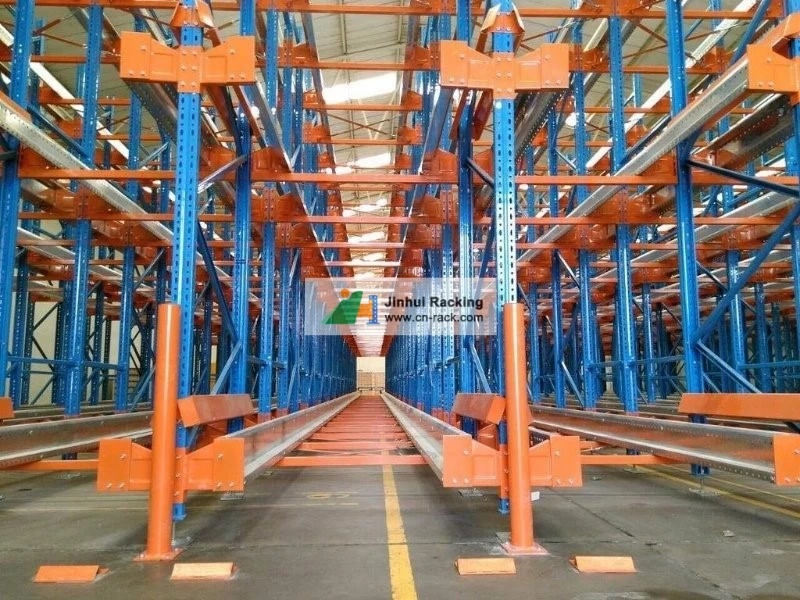
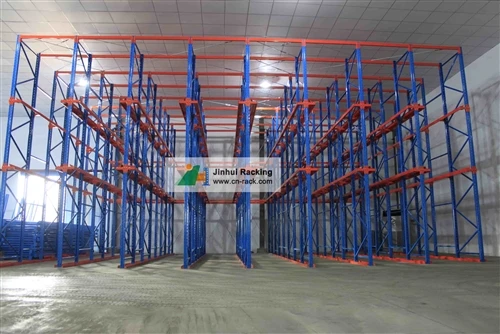
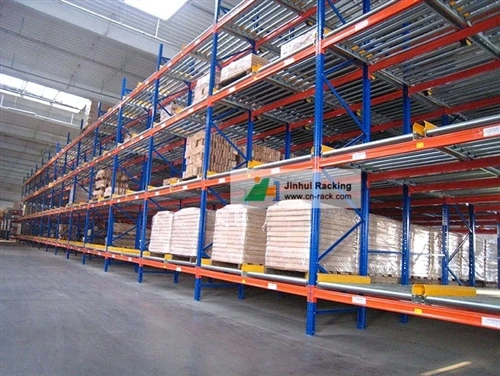
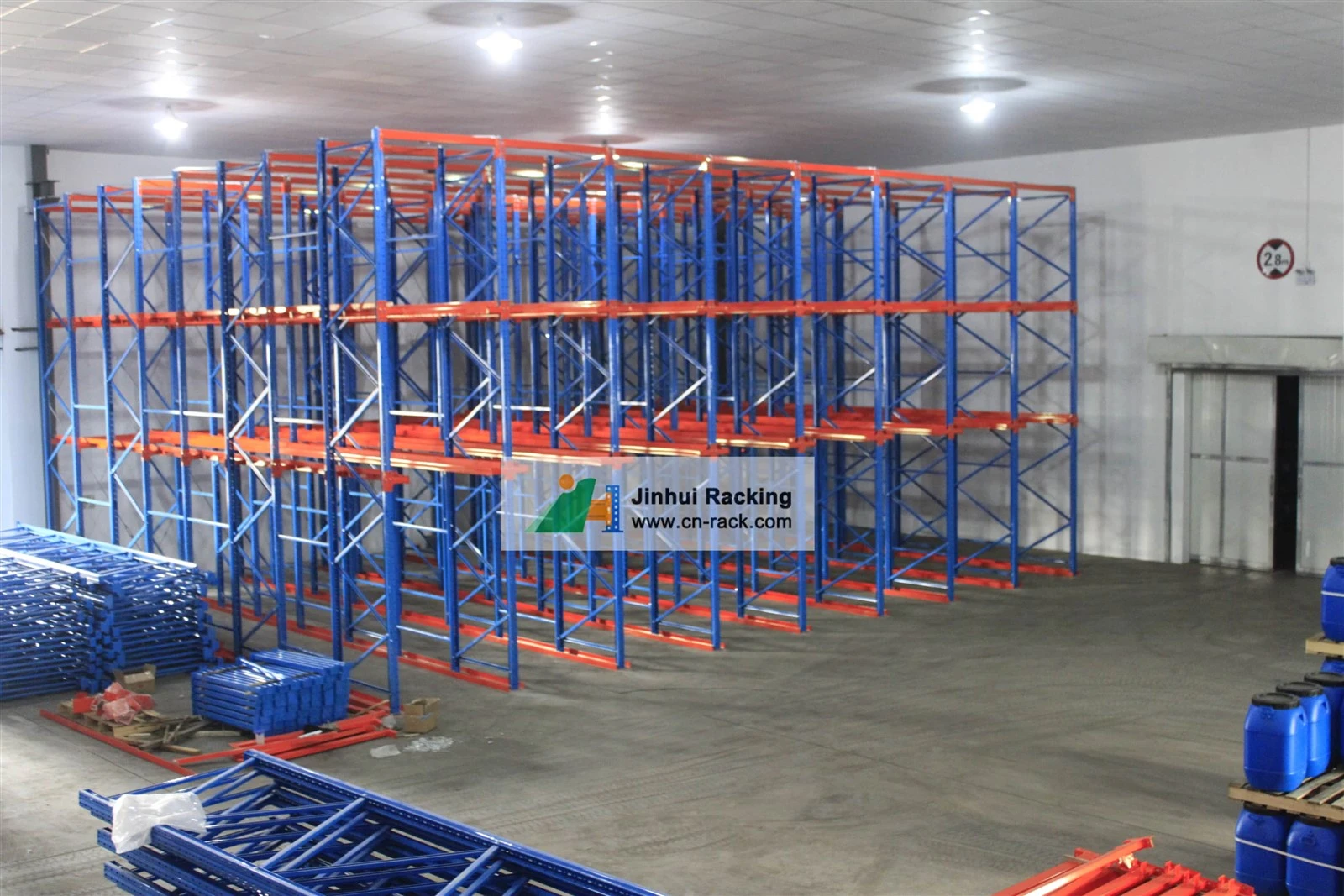
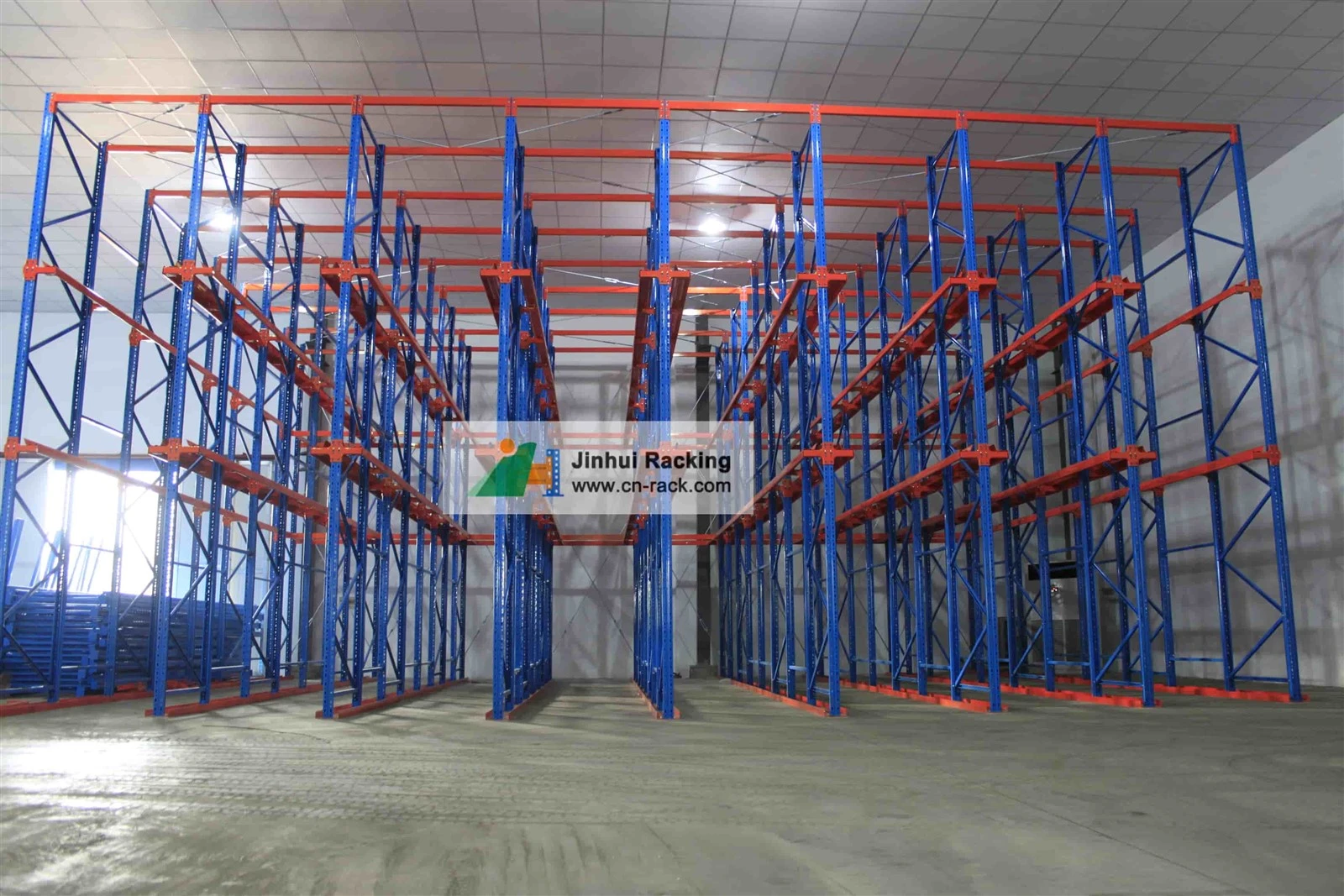
First, let's get on the same page about what drive-through racking actually is, because some folks mix it up with other types of pallet racking. If you're not familiar, it's a system where pallets are loaded and unloaded from both ends of a rack bay (unlike drive-in which is only one way). That two-way access is key for things like fast-moving SKUs or areas where you need strict FIFO (first-in, first-out) inventory. If you want the full details on how it works vs. similar systems, you can check out this Drive-In / Drive-Through Racking page- it's got quick diagrams that'll make sense even if you're not a racking nerd.
Now, back to height. When I started in this business 10 years ago, the max height was pretty limited-like 30 feet, tops. But as pallet jacks and forklifts got more advanced, and warehouses started cramming more product into smaller footprints, that number's crept up. These days, the sweet spot for most standard operations is between 35 and 40 feet. But I've installed systems at 45 feet, and even one at 48 feet, for a client that had a super tall ceiling and no room to expand horizontally. Before you start daydreaming about 60 feet, though, let's talk about the factors that stop you from going higher-because that's where people mess up.
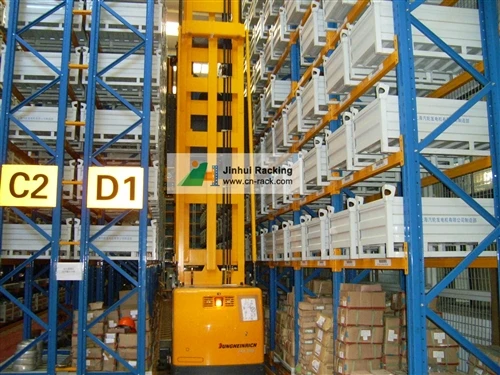
The biggest one is forklift reach. Let's be real, even the fanciest turret trucks or very narrow aisle (VNA) forklifts have limits. A standard reach truck tops out around 30 feet, but a specialized VNA unit can get to 45 or even 50 feet. But here's the catch: you can't just pick any forklift. If you're going 45 feet, you need a forklift that's calibrated for that height, has a stable mast, and your operators need weeks of extra training to use it safely. I once had a client who bought a used forklift that was rated for 35 feet, tried to cram pallets at 40, and ended up bending two rack beams and dropping a pallet of 50-pound boxes. Not fun, not cheap, and totally avoidable.
Next up is the warehouse's structural capacity. That's not just the ceiling height-though if your ceiling is only 30 feet, you can't go higher than that (obviously). We're talking about the warehouse's floor load rating, the strength of the building's columns, and even the foundation. Racking puts extra weight on those columns, especially when you're stacking pallets high. I worked with a cold storage client a couple years back who wanted to go to 42 feet, but their building's columns were only rated for 38 feet total. We had to reinforce the columns for them, which added a few thousand dollars to the project-something they didn't budget for because they thought height was just about the ceiling. Oh, and if you're in a cold room or food processing area, like this Warehouse Drive in Pallet Racking System for Cold Room and Processing Industrial, you've got extra factors: cold temperatures make metal more brittle, so higher heights need thicker, sturdier beams. That's not the time to skimp on materials.
Then there's safety compliance. OSHA (Occupational Safety and Health Administration) has specific rules for pallet racking, and height is a big part of that. For systems over 40 feet, you need extra safety features: things like guardrails along the top beams, fall protection for workers accessing forklifts, and regular load testing. I can't tell you how many new warehouse managers get slapped with OSHA fines because they ignored these rules on a tall rack. One client in Ohio got a $12,000 fine last year for a 43-foot rack that didn't have proper guardrails. It's not worth it.
Wait, let's also talk about what happens when you go too high for your operation, even if structurally you can pull it off. If your SKUs are fast-moving, going super high might slow down order picking. A forklift that takes 10 seconds to load a pallet at 20 feet might take 30 seconds at 40 feet-multiply that by 100 pallets a day, and you're looking at lost time and missed deadlines. I had a retail client a while back that went to 45 feet to fit more holiday inventory, but their order pickers took twice as long to get stuff off the top tiers. They ended up lowering it to 38 feet, and their throughput went up 25%. Height should match your workflow, not just your storage goals.
Another thing: cost. Taller racking isn't just more beams and posts. The materials are thicker, installation takes longer (workers have to use lifts instead of just ladders), and you might need to upgrade your forklift, training, and structural work. Let's do a quick rough number: a 35-foot drive-through rack bay is maybe $800-$1,000 per linear foot. A 45-foot bay? That jumps to $1,200-$1,500 per linear foot. If you've got 100 linear feet, that's a $70,000 difference. For a lot of small to mid-sized warehouses, that's not worth it when they could just expand their footprint for less.
So putting this all together, what's the actual maximum height you should aim for? For most standard warehouses (non-cold, standard forklifts, regular SKUs), the sweet spot is 35-40 feet. If you've got a specialized forklift, good structural capacity, and a slow-moving SKU that benefits from being stored up high, you can push to 45 feet-but no higher than that, unless you've done a full structural audit and OSHA-approved plan. I've never installed a system over 48 feet, and honestly, I wouldn't recommend it for anyone unless they have a super unique, high-bay warehouse with minimal turnover in their inventory.
Let me wrap this up with a quick real example. Last year, a brewery came to me asking about a drive-through rack for their empty kegs. They had a 40-foot ceiling, standard reach truck, and needed FIFO for the kegs. We installed at 38 feet, which was perfect. They were able to fit 20% more kegs than their old drive-in rack, their operators didn't need extra training (38 feet is standard for their forklift), and there were no safety issues. They hit all their storage and workflow goals without overdoing the height.
If you're in the market for a drive-through rack and want to figure out the right height for your space, don't just Google "max height" and go with whatever number comes up. Hit up an expert (that's me, by the way) to do a quick on-site assessment, walk through your forklift specs, SKU turnover, and building structure. We can make sure you get a system that fits your needs, not just a height that looks impressive.
If you're ready to talk through your project-whether you're a cold room facility, a retail warehouse, or anything in between-reach out so we can hash out the details. We've installed hundreds of these systems, and we'll help you avoid the mistakes I see new clients making all the time.
References:
- OSHA Standards for Pallet Racking: 29 CFR 1910.159
- Material Handling Industry (MHI) Drive-In/Drive-Through Racking Design Guidelines, 2022
- Cold Storage Racking Structural Considerations, Warehouse Engineering Magazine, 2021