
If you've ever walked into a high-bay warehouse-where ceilings soar 30 to 100 feet above the concrete floor, and forklifts glide between metal beams like they're in a industrial ballet-you've probably stared up at the rows of pallet racks and wondered: How far up can this actually go? As a warehouse racking system supplier, I get this question all the time, and it's one that doesn't have a one-size-fits-all answer. The maximum number of levels in a high-bay racking system depends on a mix of physics, warehouse design, equipment, and even the products you're storing. Let's break down what really determines that upper limit, and why it matters for your operation.
First, let's define what we mean by "levels" here. When people talk about levels in pallet racking, they're referring to the vertical tiers between the floor and the topmost beam of the rack, where pallets are stored. A typical ground-level pallet is Level 1, the next tier up is Level 2, and so on, all the way to the highest accessible spot. In high-bay facilities, those top levels are not just for extra space-they're a critical part of maximizing storage density, which is why every operator wants to squeeze as many levels as possible into their ceiling height.
But here's the catch: you can't just stack levels until you hit the ceiling. The biggest limiting factor is the equipment that moves those pallets. For most standard pallet racking, you'd use a counterbalance forklift, which is great for versatility but struggles with heights above 25 feet, which usually translates to 5 or 6 levels max. Those top levels are hard to reach, and the forklift's stability starts to waiver when lifting heavy loads high up-too much weight at height can tip the vehicle, creating a major safety hazard. That's why many operators with standard setups cap out around 6 levels, but that number starts to shift when you invest in specialized material handling equipment.
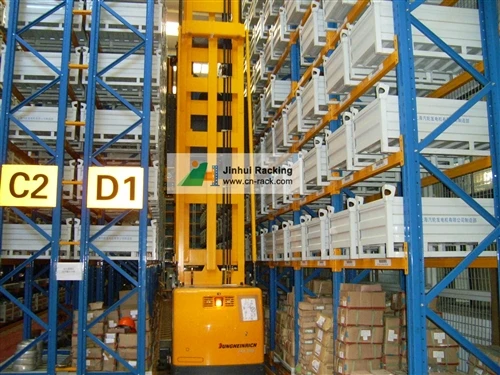
Take narrow aisle technology, for example. Narrow aisle racking systems are designed for tighter pathways and higher vertical reach, which is why they often let operators add more levels than standard setups. With a very narrow aisle (VNA) forklift, which uses a mast that extends vertically and rotates to place pallets without turning the entire vehicle, you can reach heights of 40 to 50 feet. That's often 8 to 10 levels, depending on pallet size and beam spacing. If you're looking to upgrade to get more levels without expanding your warehouse footprint, VNA systems are a game-changer-they maximize both vertical and horizontal space, which is why so many high-throughput facilities rely on them.
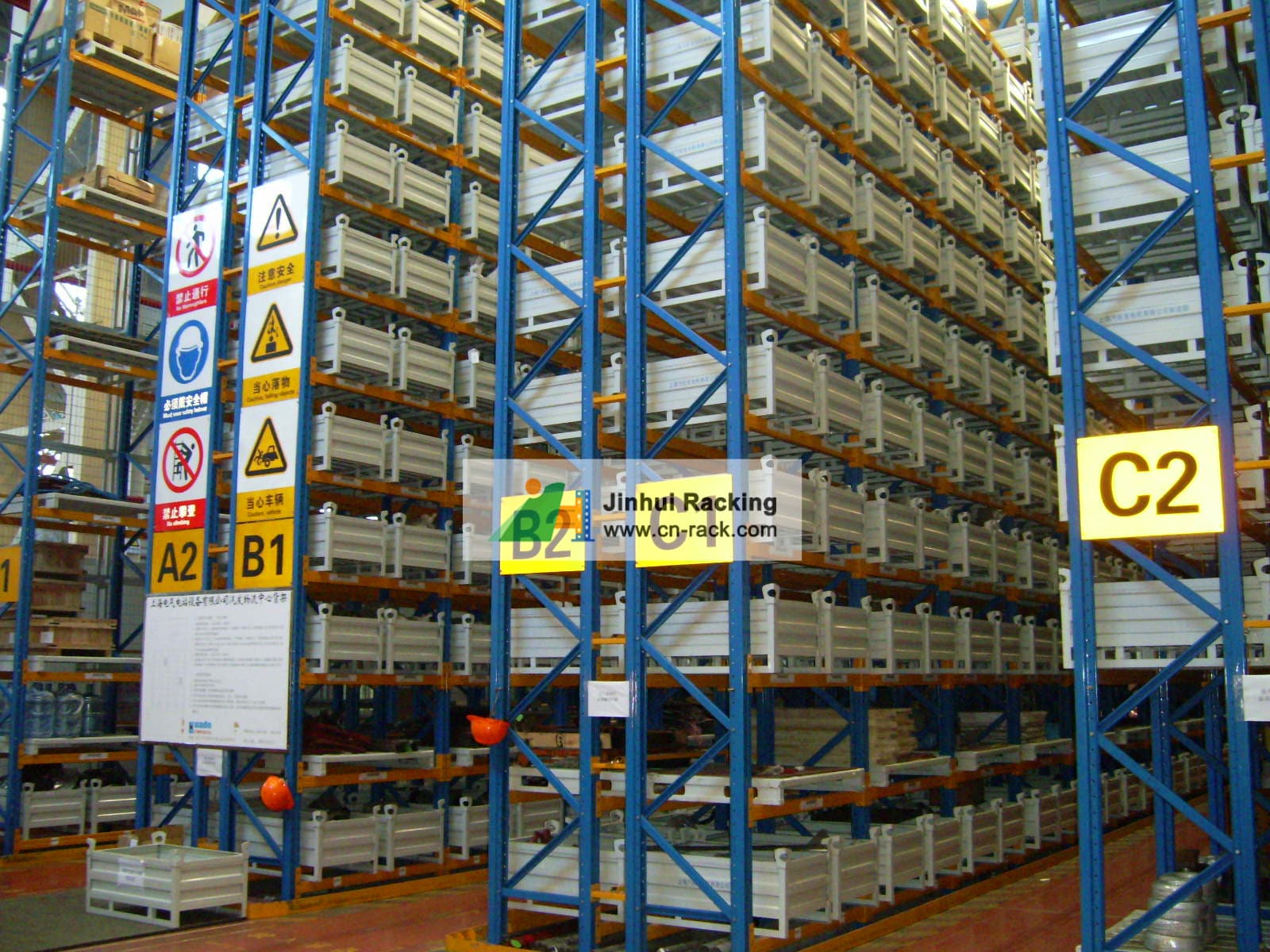
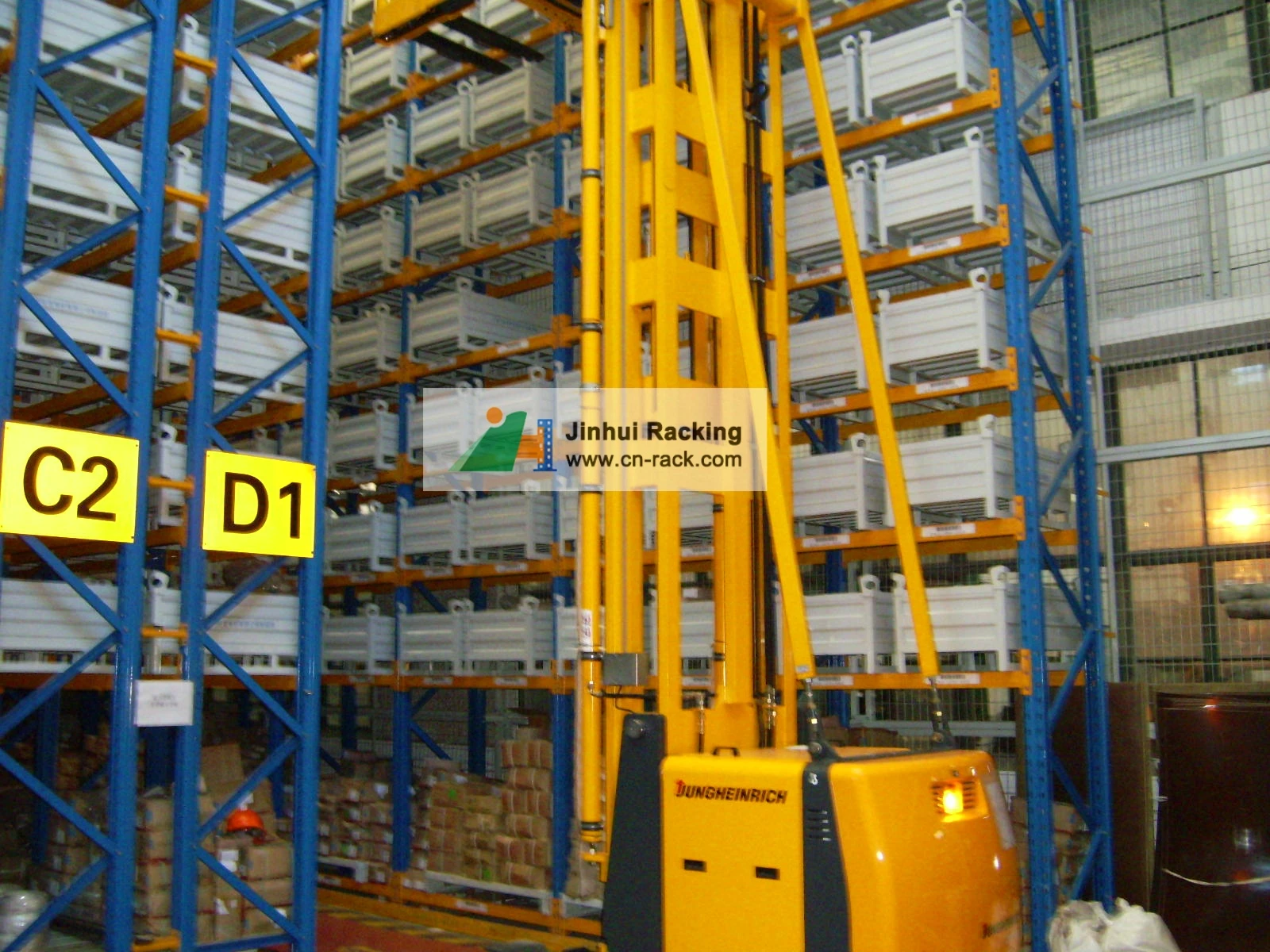
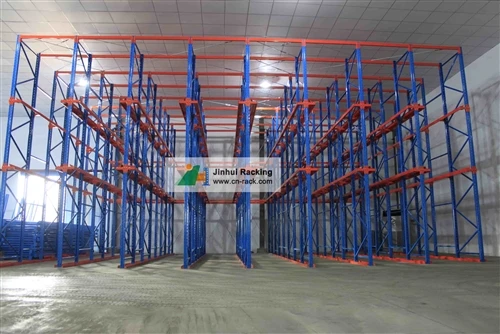
But even VNA systems have their limits. To get more than 10 levels, you need to think beyond forklifts to automated storage and retrieval systems (AS/RS) or specialized racking that works with autonomous equipment. This is where solutions like the 5 Deep Push Back Racking come into play. Push back racking uses nested carts that let you store up to five pallets deep on each level, so you don't need as much aisle space-but the vertical levels here top out around 10 to 12 levels, usually capped at heights of 50 to 60 feet. The reason is still equipment-related: even push back systems require a forklift to load pallets, and lifting beyond 60 feet with a standard forklift becomes uneconomical and risky. That said, push back is perfect for operations with FIFO or LIFO inventory needs, and it's a solid middle ground between standard racks and more automated setups.
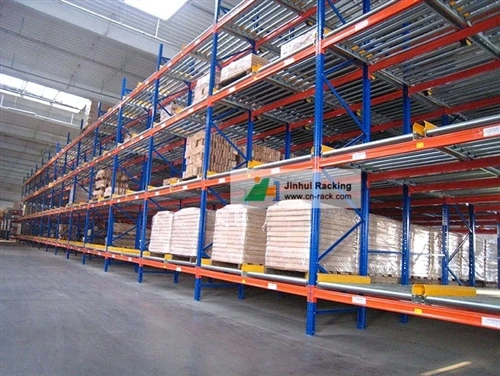
For operators looking to go even higher-say, 70 feet or more, which could be 15 levels or more-you need to look at automated solutions that don't rely on human-operated forklifts. The Pallet Flow System is a great example here. Pallet flow racks use inclined rollers and gravity to move pallets from one end of the rack to the other, so you don't need to reach every level with a forklift. Instead, pallets are loaded at the upper end of a flow lane and flow down to the pick face at the bottom. This means you can build flow racks up to 80 feet tall, which easily supports 12 to 15 levels, depending on pallet weight and lane length. The beauty of pallet flow is that it maximizes vertical storage while also enabling FIFO inventory management, which is a huge plus for perishable goods or products with expiration dates. It's also less dependent on equipment reach, because you only need to load/unload at the ends, not every tier.
Another automated option is the Mobile Racking System. Mobile racks sit on a base that moves along rails on the warehouse floor, so you can open only the aisle you need by sliding the racks together or apart. This eliminates the need for multiple wide aisles, freeing up space for more levels. Mobile systems can reach heights of up to 90 feet, supporting 14 to 16 levels in many cases. The key here is weight distribution: since the entire rack structure is moving, you have to ensure that the vertical load is evenly distributed across the rail system, which means adding extra structural support for higher levels. Mobile racks are ideal for operations with slow-moving inventory, since you only need a single aisle, and the vertical density makes them a top choice for high-bay facilities with limited horizontal space.
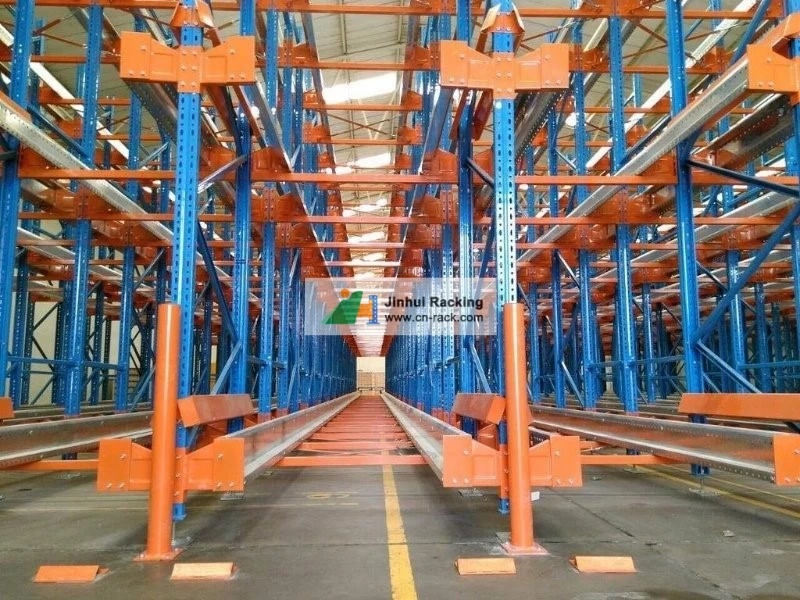
If you're operating in a cold storage warehouse, like those in industries requiring temperature-controlled goods, you have even more to consider when it comes to maximum levels. Cold rooms add additional structural stress because of the low temperatures, and materials like steel can become more brittle at freezing temperatures, which limits how high you can go. That's where the Smart Design Heavy Duty 4 Way Pallet Shuttle For Cold Room Storage comes in. This autonomous shuttle moves pallets within the rack without a forklift, so you can build racks up to 75 feet tall in cold environments, supporting 11 to 13 levels. The shuttle handles the horizontal movement, and the rack is designed to withstand the cold, so you don't have to sacrifice vertical space to keep goods at the right temperature. It's a specialized solution that solves the unique challenges of cold storage high-bay facilities.
Now, let's get into the technical nitty-gritty that most suppliers (including me) won't always spell out, but that's critical for figuring out your maximum levels. First, pallet size plays a huge role. A standard GMA pallet is 48x40 inches, while some industries use larger pallets (like 48x48 inches or even custom sizes). Larger pallets take up more vertical and horizontal space, so you might only fit 10 levels instead of 15 if you're using oversized pallets. Next is load weight: heavy pallets (like those with metal parts or bulk goods) put more stress on the rack beams and uprights. For high levels, the load on the bottom beams and uprights multiplies with each tier, so you might need thicker steel or reinforced supports, which can actually limit how many levels you can add-too much weight at the top requires more structural support that eats into vertical space.
Ceiling height is another obvious factor, but it's not just the total height-you also have to account for overhead obstructions like sprinkler systems, HVAC ducts, or lighting. Building codes often require a certain amount of clearance between the top of the rack and the ceiling, usually 18 to 24 inches, for fire safety and maintenance access. So if your warehouse has a 100-foot ceiling, you might only have 95 to 98 feet of usable vertical space, which changes how many levels you can fit. I've seen operations try to skip this clearance to add another level, but it's a costly mistake-violating fire codes can lead to fines, and blocking access to sprinklers is a major safety risk.
Installation and maintenance also matter. Higher levels mean taller forklift masts, more complex automated systems, and harder-to-reach components. If you have to service a pallet shuttle or fix a flow rack lane on Level 14, you'll need specialized equipment and trained technicians, which adds to long-term costs. That's why many operators don't push their racking to the absolute maximum-they build in a few extra levels of flexibility, or use a mix of rack types to balance density and maintainability.
Let's talk about real-world examples to put this in perspective. A standard retail distribution center with a 40-foot ceiling might use a VNA system with 8 levels of narrow aisle racking, storing 1,200 pallets per 1,000 square feet. An automotive parts warehouse with a 60-foot ceiling might use push back racking to get 10 levels, storing 1,800 pallets per 1,000 square feet. A cold storage facility with a 80-foot ceiling might use a 4-way pallet shuttle system to get 12 levels, storing 2,200 pallets per 1,000 square feet. The highest I've ever worked on is a beverage distribution center with a 90-foot ceiling using pallet flow, which has 15 levels-they only access the top 3 levels once a month for slow-moving inventory, so they don't need to reach them regularly, which solves the equipment reach problem.
As a racking supplier, my job isn't just to sell you the highest levels possible-it's to find the sweet spot between storage density, safety, equipment compatibility, and operational needs. For some operations, that's 6 levels with standard racking; for others, it's 15 levels with an automated pallet flow system. The worst mistake you can make is choosing a racking system based on maximum levels alone, without considering how you'll load, unload, and maintain those levels every day. A system that can technically reach 20 levels is useless if you can't safely move pallets to those tiers or can't afford the maintenance.
If you're looking to upgrade your high-bay warehouse and want to figure out the right number of levels for your space, products, and budget, don't hesitate to reach out. We can assess your ceiling height, current equipment, inventory needs, and local building codes to design a racking system that maximizes your space without compromising safety or efficiency. Whether you're interested in narrow aisle systems, push back racking, pallet flow, mobile racks, or specialized cold storage solutions, we have the expertise to help you make the right choice.
References
- Material Handling Industry Association. (2022). "High-Bay Racking Design Standards and Equipment Compatibility." MHI Global.
- Rack Manufacturers Institute. (2021). "ANSI/RMI MH 16.1: Safety Standard for Pallet Racking Systems." RMI.
- Cold Storage Association. (2023). "Structural Requirements for Rack Systems in Low-Temperature Facilities." CSA International.
- Warehouse Education and Research Council. (2022). "Storage Density Benchmarks for High-Bay Warehouse Operations." WERC.