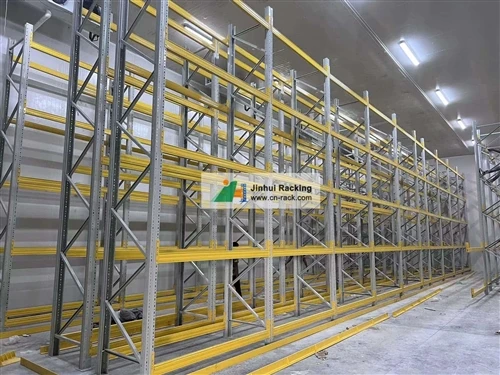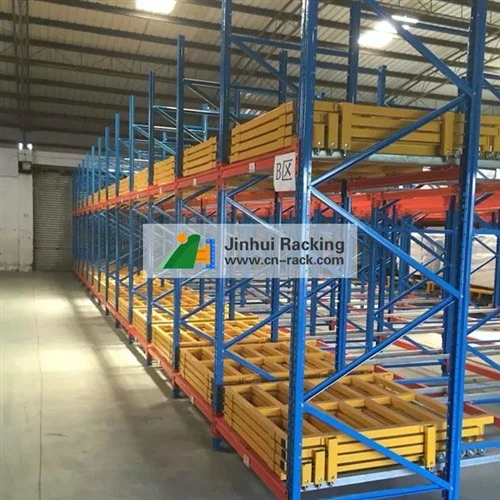

Hey there, if you're deep in the cold storage warehouse game-whether you're running one, upgrading your racking, or just trying to keep things from freezing over and falling apart-you've probably wondered: are there actual rules I have to follow for my warehouse racking in cold spaces? Spoiler: yeah, there are. And if you skip 'em, you're not just risking a bad layout-you're risking safety hazards, lost pallets, and even cold room breakdowns that cost you way more than fixing your racking right the first time. Let me break this down like I would for a client who called me at 8 a.m. panicking because their rack just buckled.
First off, let's ground this in why cold storage racking is way different than regular warehouse racking. Regular warehouses might hit 60-75°F, but cold spaces are usually 0°F or lower, and some freezers go way colder. That temp swing does weird stuff: metal gets more brittle, lubricants turn to gunk, even the concrete floor shifts a little from freeze-thaw cycles (wait-cold rooms don't have freeze-thaw inside, but the outside concrete around them does, which messes with floor anchors). So rules for cold storage racking aren't just copied from standard OSHA or racking standards-they have extra layers.
Let's start with the big safety standard everyone references in the U.S. (since that's the market we serve, but this applies to a lot of places): OSHA's General Industry Standard 1910.159 for mechanical storage racking, plus the Rack Manufacturers Institute (RMI) standards-specifically RMI's ANSI/RMI MH16.1, which is updated every few years to account for cold-specific stress. Wait, but RMI also has a supplement for low-temperature applications, right? Yeah, that's the kicker-most people don't realize RMI MH16.1 isn't one-size-fits-all; the low-temp addendum is non-negotiable for spaces below 32°F. For example, regular racking is tested at room temp, but low-temp racking has to pass impact tests at 0°F, because a dropped pallet (or a forklift bump) will hit different when metal's brittle.
I see a lot of new cold storage operators grab regular racking and haul it to their freezer, thinking "it's just metal." Nope-standard steel loses tensile strength in the cold, and if it's not rated for low temps, the uprights might bend or snap when you stack heavy pallets. That's where my team comes in, by the way-we specialize in cold storage racking, so we spec every part to handle that brittleness.
Next, installation rules. RMI MH16.1 requires that when you're installing racking in cold spaces, you have to test the concrete anchors after they've acclimated to the cold. Wait, why? Because if you drill anchors into warm concrete and then drop the temp to 0°F, the concrete shrinks a tiny bit-enough that an anchor that was secure at room temp might pull out. We make a point to tell all our clients to wait at least 72 hours after installing anchors before loading racking, and even then, we do a pull test at the cold temp they'll be running at. I've had a client skip that step last year-got a call at 2 a.m. because the bottom rack pulled away from the wall, dumping 12 pallets of frozen veggies. Cost them $15k in product, not to mention a safety near-miss. Lesson learned: cold changes everything for installation.
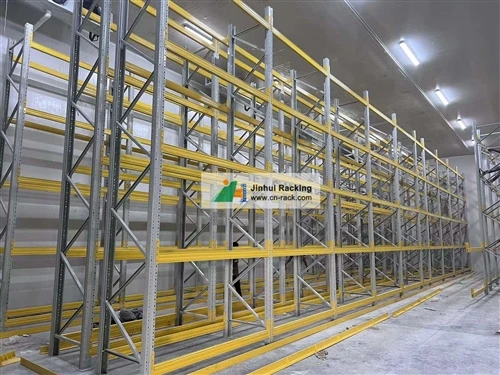
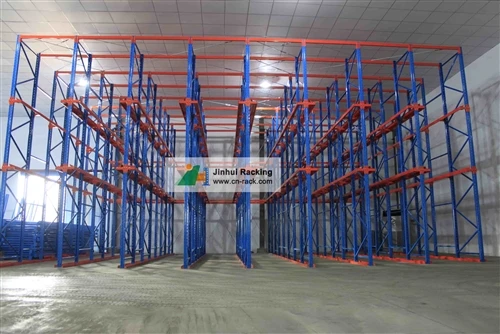
Then there's the type of racking-some is way better for cold rooms than others. Drive-in / Drive-through racking, for example, is super popular for cold storage because it's high-density (you can stack more pallets in less space, which is gold for freezers where every square foot is pricey). But not all drive-in racking works in cold rooms. Wait, let's tie that to the specific link I have-we have a whole page for Warehouse Drive in Pallet Racking System for Cold Room and Processing Industrial that walks through exactly how we engineer those for low temps. Drive-in racking relies on forklifts driving into the lanes to place pallets, so the metal rails have to be strong enough to hold heavy loads when it's cold, and the forklift clearance has to be precise because visibility is lower in cold spaces (freezers have fog, right? Or frost on the doors, so drivers can't see as well). Our drive-in systems have reinforced uprights that are tested at 0°F, so they don't budge even if a forklift bumps 'em in low visibility.
Wait, what about other regions? If you're in the EU, it's similar-they have FEM (European Federation for Materials Handling) standards for racking, with a low-temp annex that mirrors RMI's rules. Even in places like Canada or Scandinavia, where cold storage is a bigger part of the supply chain, they enforce those same specs because the cold-related stress is universal. The mistake a lot of small operators make is using cheap, off-the-shelf racking that's not rated for low temps to save a buck-until they have to replace a bunch of broken uprights or pay OSHA fines (OSHA does inspect cold storage sites, by the way-last year they hit a meat packing plant with a $120k fine for faulty cold room racking that collapsed during a load).
Another big one: regular inspections. OSHA requires racking inspections every 12 months, but for cold storage? The RMI low-temp supplement says inspections should be every 6 months, because the cold wears on the metal and anchors faster. Frost buildup on racking is a real issue too-if ice accumulates on beams or uprights, it adds extra weight that wasn't accounted for in the design. We always tell our clients to schedule monthly frost checks, and to clear ice promptly, because even a thin layer can throw off the load capacity.
What about load calculation? Most standard racking uses room-temp load numbers, but in cold storage, you have to adjust those. Steel's yield strength goes down about 10-15% at 0°F, so if a rack is rated for 2,000 lbs per beam at 70°F, that number drops to ~1,700 lbs at 0°F. We make sure all our cold room racking is labeled with adjusted load capacities, so our clients don't overstack. I once had a client try to load 2,200 lbs on a beam rated for 1,800 lbs in the freezer-we caught it during a pre-install consultation, saved them from a disaster.
Wait, let's talk about a specific example: drive-in racking in cold processing facilities. Processing industrial areas (like where they pack frozen foods or pharmaceuticals) have even more strict rules because they're handling food or temp-sensitive goods. Our page for Warehouse Drive in Pallet Racking System for Cold Room and Processing Industrial breaks down how we add galvanized finishes to parts that are near processing lines, so they don't rust when they get splashed with meltwater from defrost cycles (which is common in cold processing areas). Rust weakens metal over time, and in the cold, rust is even worse because it expands and contracts unevenly.
Is there any wiggle room in the regulations? Let's be real-regulators aren't going to show up and shut you down for a tiny, obvious mistake, but cutting corners here is a false economy. For example, some operators use standard lubricants on forklift parts that run in cold rooms, but those lubricants thicken, making forklifts harder to maneuver, which increases the chance of bumping racking. But that's not a racking regulation, but it ties into it-if your forklifts are clunky, you're way more likely to damage your rack, which violates OSHA's rule that racking must be kept in good repair.
Another thing: floor preparation. Cold storage floors can be more slippery, and as I mentioned earlier, freeze-thaw outside can shift the concrete. RMI requires that cold room concrete floors have a minimum compressive strength of 3,000 psi (way higher than standard warehouse floors, which are usually 2,500 psi). We always advise our clients to test their floor strength before installing racking, because a weak floor can cause uprights to lean, which messes up the rack's load capacity and is a safety hazard. I've worked with clients who had old cold rooms where the floor was only 2,000 psi-we had to reinforce the floor before we could install racking, which was a small upfront cost that saved them from big problems later.
Let's wrap this up with a quick reality check: if you're operating a cold storage space, ignoring racking regulations isn't worth it. The rules are there because cold storage creates unique stress on racking that standard racking doesn't have to handle. Using non-rated racking, skipping temperature-tested anchors, or failing to do frequent inspections can lead to accidents, lost product, fines, and even OSHA shutdowns.
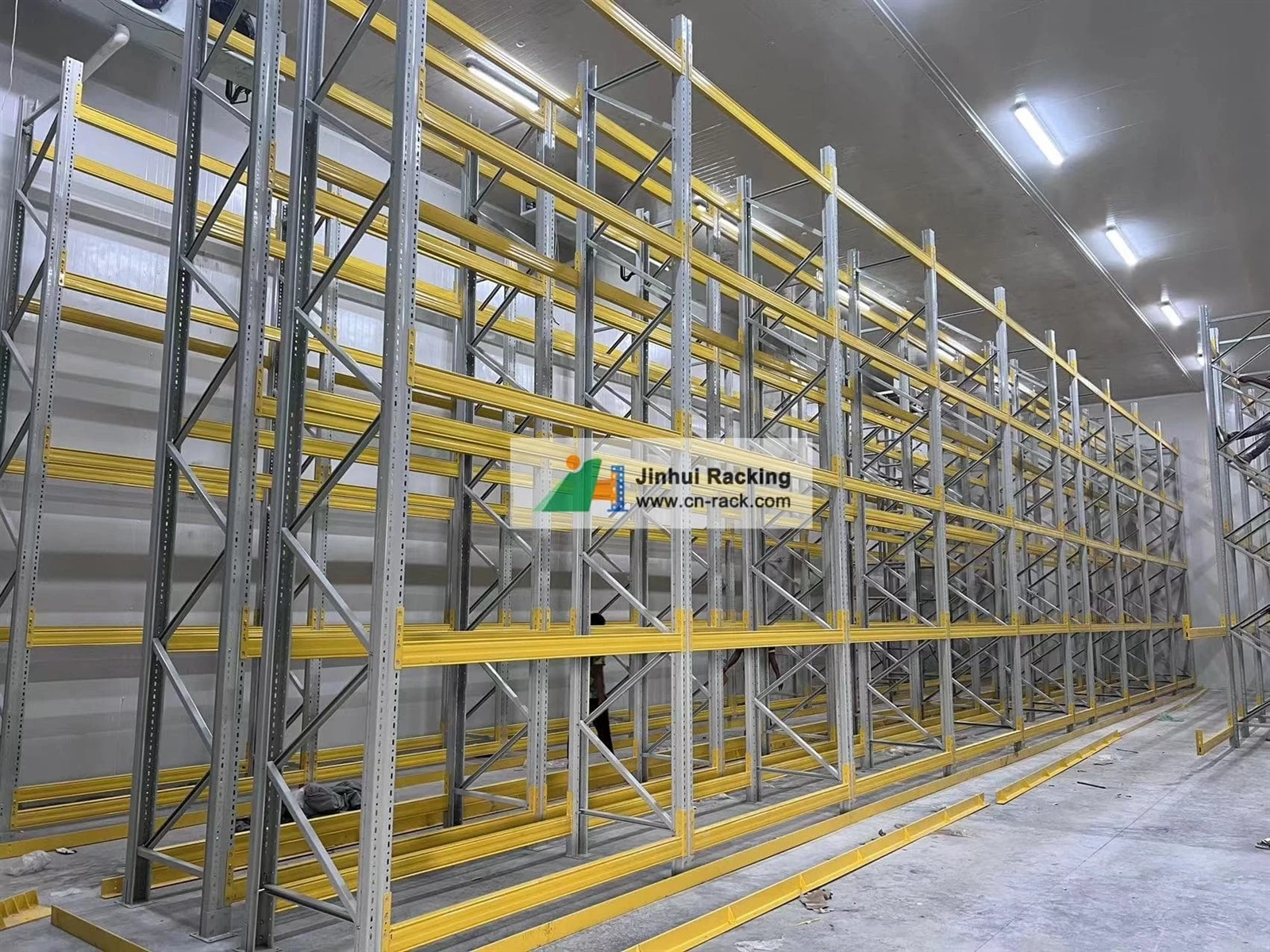
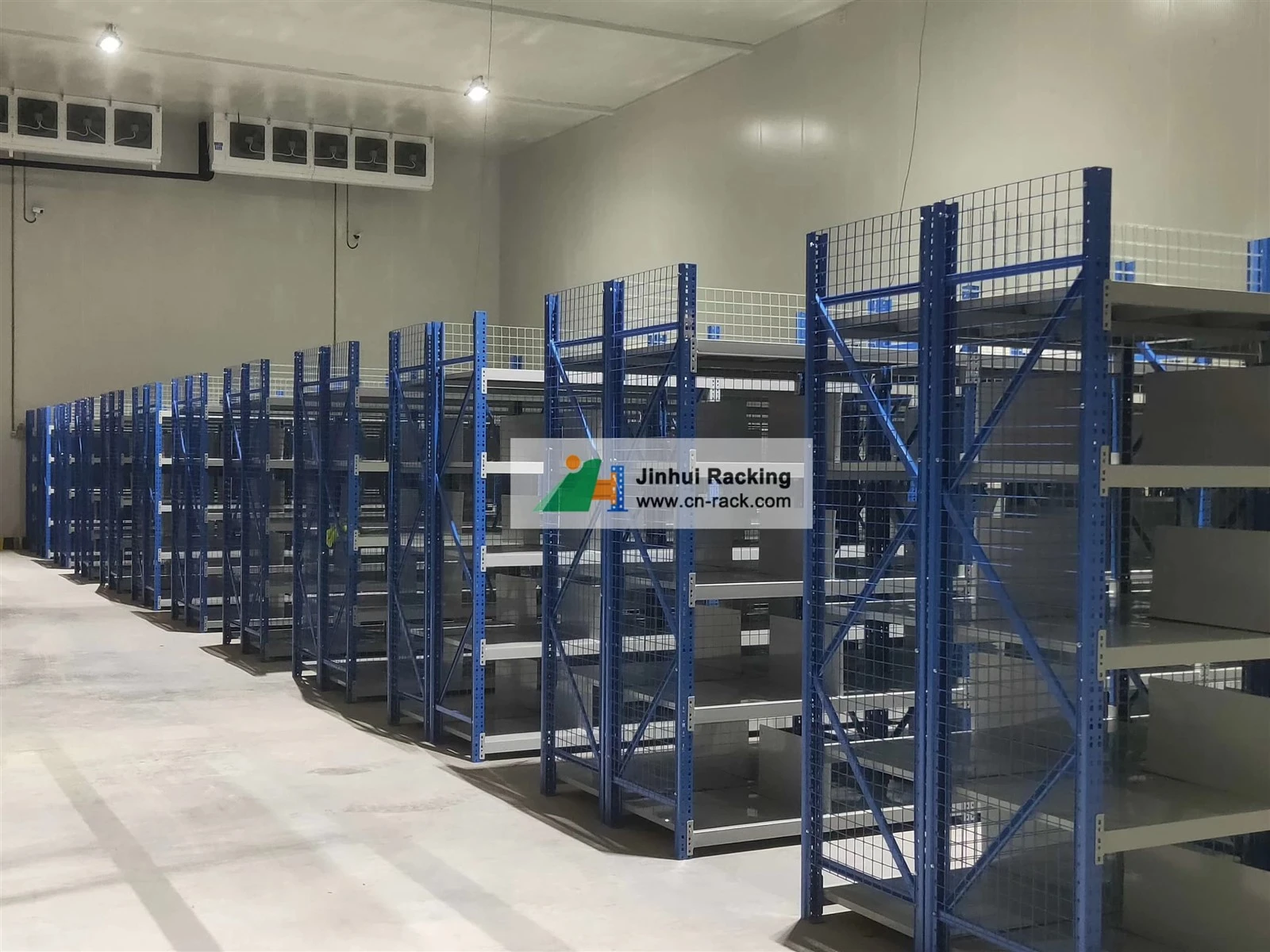
If you're looking to upgrade your cold storage racking, or just want to make sure your current setup is compliant and safe, we're here to help. We design, install, and inspect cold storage-specific racking, including drive-in / drive-through racking that's built to handle low temps, frost, and the heavy loads common in cold rooms and processing facilities. We work with all types of clients, from small independent cold storage warehouses to big food and pharmaceutical distributors, so we know exactly how to navigate the rules and make sure your rack is both compliant and efficient. Reach out to chat through your needs-we'd be happy to walk through what works for your space.
References
- ANSI/RMI MH16.1-2020, Specification for the Design, Testing, and Utilization of Industrial Steel Storage Racking, Including Low-Temperature Addendum
- OSHA Standard 1910.159, Mechanical Storage Racking Systems
- FEM 10.2.07, Rack Safety for Low-Temperature Storage Applications
- CDC Guidelines for Cold Storage Facility Safety, 2022