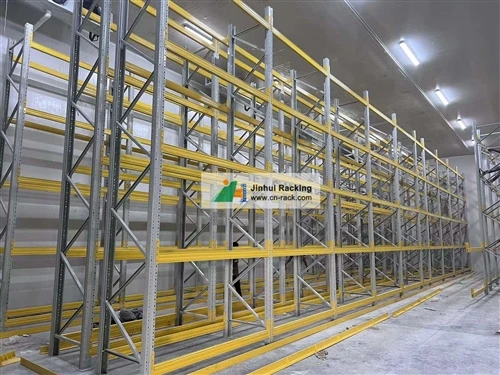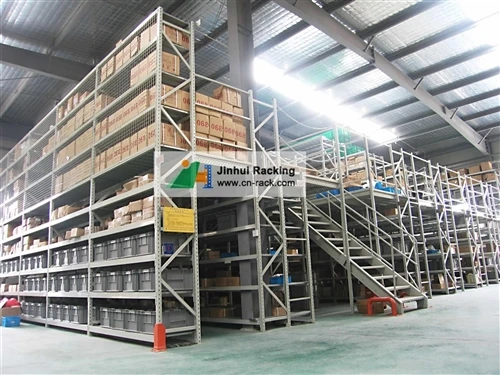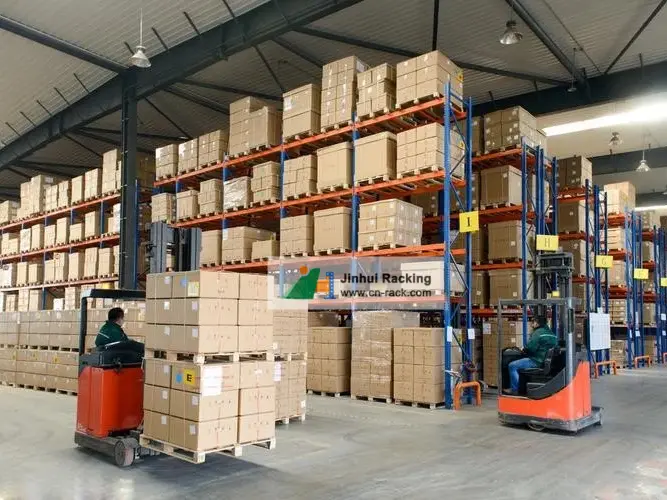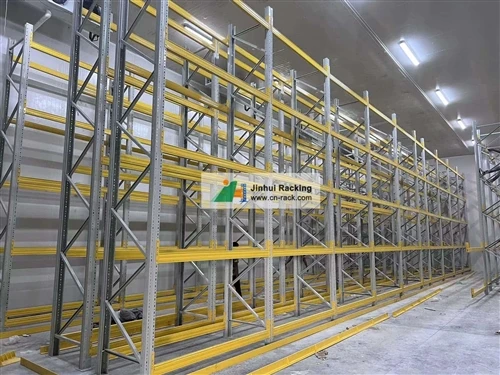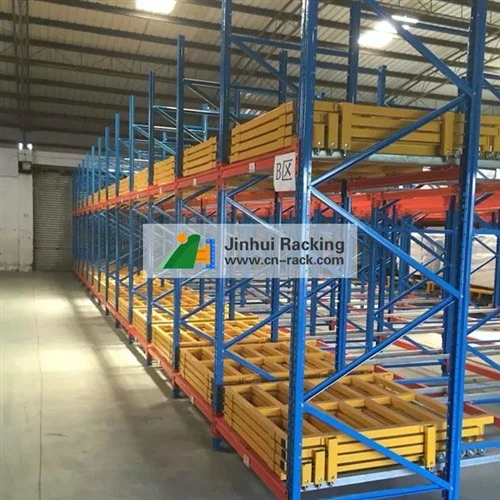

If you've ever walked through a cold storage warehouse, you know that every inch of space is precious. Temperatures dip well below freezing to preserve perishables, and the products stored there-fresh produce, frozen meats, pharmaceuticals-have strict shelf-life and rotation requirements. That's where warehouse racking for cold storage comes in: these specialized systems aren't just for organizing pallets, they're engineered to withstand extreme cold, maintain structural integrity, and keep operations running smoothly. But what happens when your cold storage facility outgrows its space, needs to relocate to a new site, or adjusts its inventory mix? A question I get all the time as a cold storage racking supplier is: Can warehouse racking for cold storage be relocated?
The short answer is yes, but it's not as simple as disconnecting a few bolts and moving it to a new bay. Cold storage racking is built for low temperatures, which means it uses specific materials, finishes, and design tweaks that affect how it handles relocation. Let's break down why relocation matters, what makes cold storage racking different, and how to do it right.
First, let's talk about why someone would want to relocate their cold storage racking. Maybe your business expanded, and your original warehouse is too small. Or you invested in a new facility with a better location for delivering frozen goods, and you want to reuse your existing racking to cut costs instead of buying new. Sometimes, it's about inventory rotation: if you switched to a drive-in or drive-through system to handle bulk SKUs with low turnover, you might reconfigure the racking when you move to a site with a different pallet flow. Regardless of the reason, reusing racking is a smart move for budgets and sustainability-but only if it's done correctly.
Now, what makes cold storage racking different from standard warehouse racking? Regular racking uses mild steel, but in cold storage, that steel becomes brittle at sub-zero temperatures. So we use higher-grade steel, often with galvanized or powder-coated finishes that resist moisture and corrosion from frost. We also design the joints, beams, and uprights to handle the contraction that happens when temperatures drop-mild steel shrinks more than high-grade steel, so the racking has to account for that thermal expansion and contraction. If you try to move standard racking into a cold space, it might crack, but if you move cold-rated racking, you have to be careful not to damage those specialized components during disassembly.
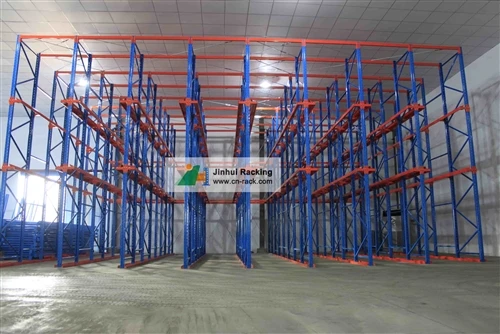
Not all cold storage racking is the same, so relocation feasibility depends on the type of system. Let's take drive-in racking, for example. This is one of the most common systems for cold storage because it maximizes space: pallets are stored in deep bays, and forklifts drive straight into the rack to place or retrieve goods. If you have drive-in racking, like the Warehouse Drive in Pallet Racking System for Cold Room and Processing Industrial you can learn more about at our product page, relocating is possible, but it requires extra care because the system's design relies on tight, precise bay dimensions to keep pallets secure.
Drive-in / Drive-through Racking, another popular cold storage solution, is a bit different: it has openings on both sides, so forklifts can access pallets from two directions, which is better for first-in, first-out (FIFO) inventory rotation. Relocating this system is also doable, but because it's engineered for consistent access across multiple bays, you can't just move one section-you have to plan the layout of your new facility to match the bay width, aisle space, and height of your existing racking.
So how do you actually relocate cold storage racking without ruining it? The process starts before you even touch a wrench. First, you need to assess the condition of your current racking. Cold storage is tough on equipment: frost buildup can corrode bolts, sub-zero temperatures can weaken metal joints over time, and forklift collisions (common in busy warehouses) can bend uprights or beams. A pre-relocation inspection by a certified racking technician will check for damage-cracked welds, bent parts, rusted fasteners-and tell you what can be salvaged and what needs to be replaced. For example, if a beam has a small bend, it might be repairable, but if an upright is cracked from a forklift hit, you'll need a new one.
Next, you have to account for thermal considerations in the new facility. Even if you're moving racking from one cold space to another, the new site might have a slightly different temperature range, aisle width, or ceiling height. Cold storage racking is calibrated for a specific temperature-say, -20°F for frozen foods, or 34°F for fresh produce. If the new space is a few degrees colder, the steel will contract more, so you might need to adjust the joint hardware to keep the racking stable. If the new ceiling is lower, you might have to cut beams down, which is possible but has to be done with specialized equipment to maintain the structural rating.
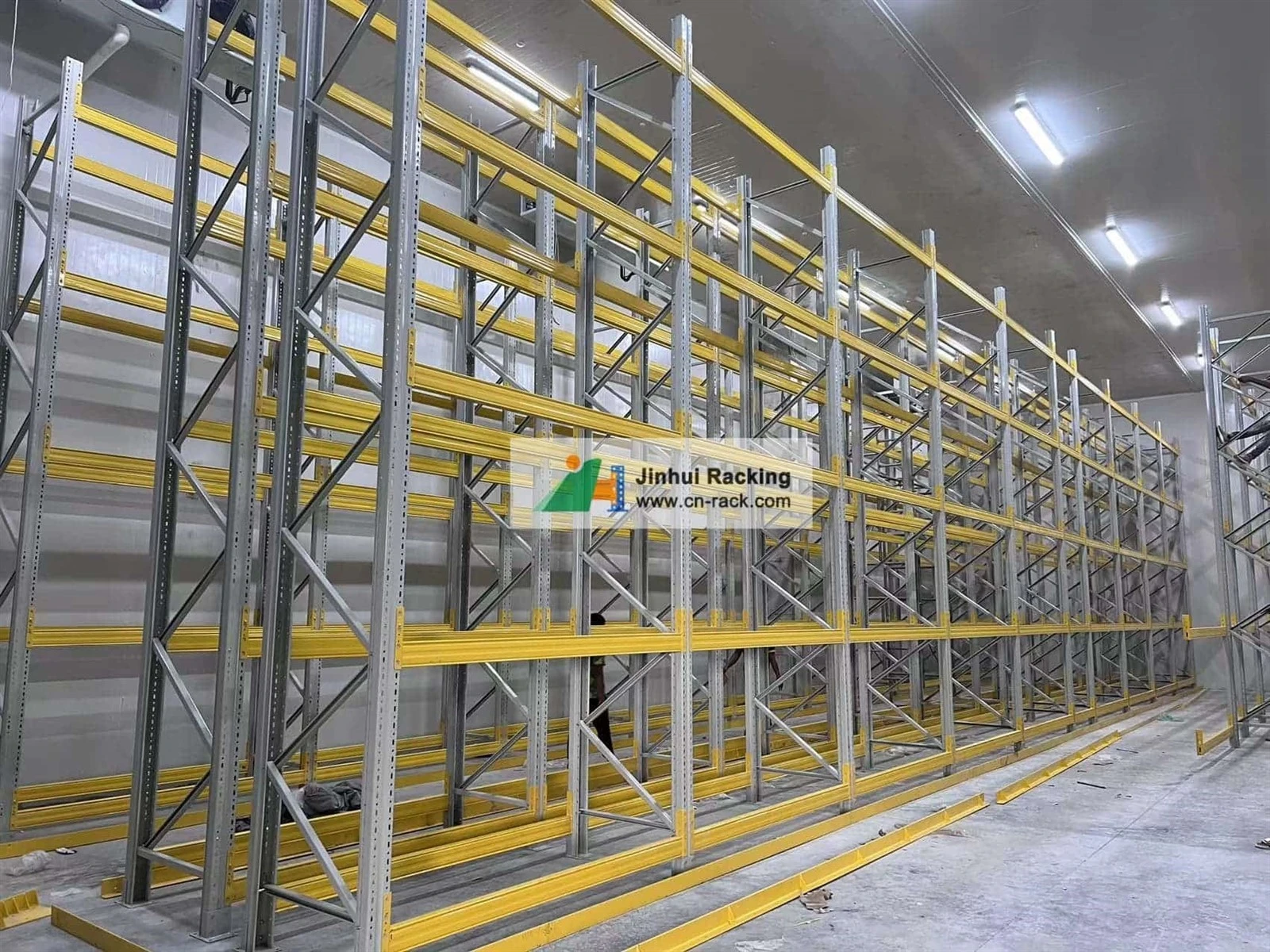
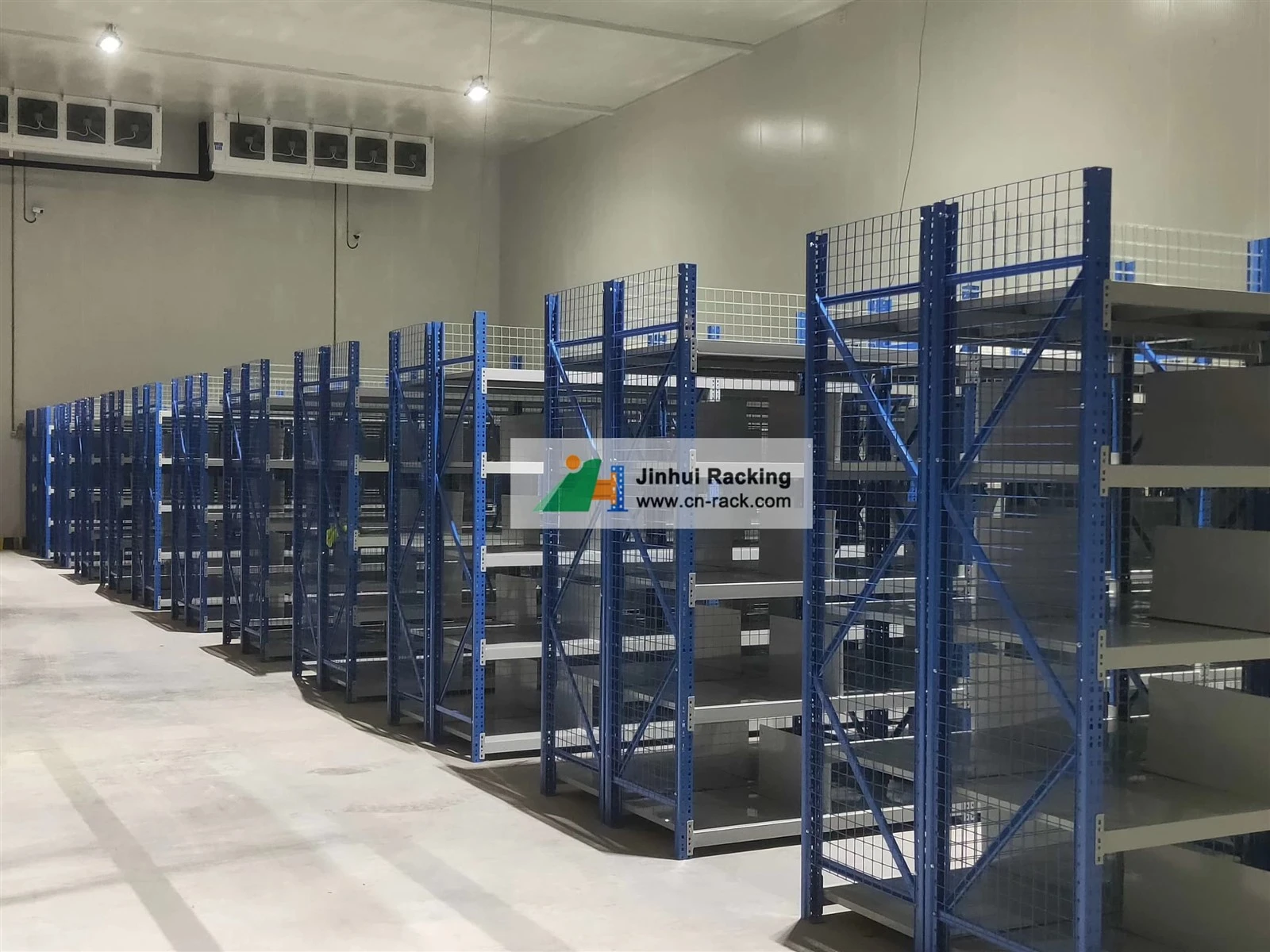
Disassembly is another critical step. You can't just yank bolts loose in a cold warehouse-metal becomes brittle when frozen, so over-torquing or prying parts can snap them. We recommend using heated tools to warm up bolts before removing them, which reduces the risk of breaking. You also have to label every part: each upright, beam, bolt, and bracket has a specific spot in the layout. If you mix up labels, you'll end up with racking that doesn't fit together in the new space. Some companies use color-coding or barcode labels to track each section, which makes reassembly way easier.
Reassembly is where most mistakes happen. A lot of warehouse managers think "racking is racks, just bolt it together," but cold storage racking requires precise alignment. The uprights have to be plumb (perfectly vertical) within a tiny tolerance-usually 1/4 inch per 10 feet of height. If they're even slightly off, the beams won't seat correctly, pallets won't fit, and the whole system becomes unstable. Plus, in cold storage, gaps in the racking can lead to frost buildup, which not only damages the racking over time but can also compromise the temperature control of the entire warehouse. We've seen companies skip the alignment step after relocating racking, and within six months, they had to replace half the system because it collapsed under the weight of frozen pallets.
Once reassembled, you have to do load testing. Cold storage racking is rated for a specific dynamic load (the weight of pallets when being moved by forklift) and static load (the total weight when all pallets are stored). When you move the racking, those load ratings can change slightly depending on how parts were damaged or modified. A certified technician will test each bay with a load that's 125% of the maximum static rating to make sure the racking can handle the weight without bending or failing. This is non-negotiable-cold storage holds expensive, temperature-sensitive products, and a rack collapse isn't just a costly mess, it's a safety hazard for workers.
But wait, is there ever a time when relocating cold storage racking isn't worth it? It depends on the age and condition of the system. If your racking is more than 15 years old, even a good inspection might find widespread corrosion or fatigue from decades of thermal cycling. In that case, the cost of replacing damaged parts, modifying the system for the new site, and load testing might be almost as much as buying new racking. Also, if you're switching to a different type of cold storage system-say, going from selective racking to drive-in racking for more bulk space-it might make more sense to invest in a new system that's tailored to your new needs.
That said, reusing racking is a great way to reduce waste and cut costs, and many cold storage operators do it successfully. For example, last year we worked with a frozen food distributor that moved from a 50,000 sq ft warehouse to a 75,000 sq ft facility. They had 10-year-old drive-in racking that was in good condition, and we helped them disassemble, label, and relocate it, saving them over $80,000 compared to buying new. We had them inspect every component, replace a few corroded bolts, and adjust the bay width to fit the new warehouse's layout. They've been using the relocated racking for a year now, with no issues.
At the end of the day, the key takeaway is: warehouse racking for cold storage can be relocated, but only if it's done right. It's not a DIY project-cold storage racking is engineered for extreme conditions, and moving it requires specialized knowledge of metal properties, thermal dynamics, and structural safety. If you're considering relocating your cold storage racking, don't just hire a general warehouse moving company. Look for a supplier that specializes in cold storage racking, with experience in disassembly, relocation, and reassembly, like the team that stands behind the products we offer, including the high-quality systems you can explore for your operation at the links to Drive-In / Drive-Through Racking and the specialized cold room drive-in pallet racking we design for industrial and processing facilities.
Relocating your cold storage racking doesn't have to be a stressful, costly process. When done properly, it's a smart way to extend the life of your equipment, save money, and keep your operations running smoothly through a move. If you're ready to explore whether relocating your existing cold storage racking makes sense for your business, or you need guidance on what to look for in a relocation partner, reach out to our team to discuss your needs. We can help you assess your current system, plan the relocation process, and ensure your racking is safe, compliant, and ready for your new space.
References
- Material Handling Industry Association. (2022). "Cold Storage Racking Design and Relocation Best Practices." MHIA Technical Report.
- Steel Construction Institute. (2021). "Structural Performance of Steel Racking at Sub-Zero Temperatures." SCI Publication P456.
- National Frozen Food Association. (2023). "Warehouse Relocation Guidelines for Temperature-Sensitive Operations." NFFA Operations Manual.