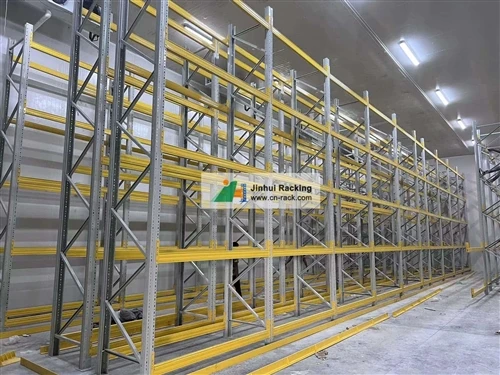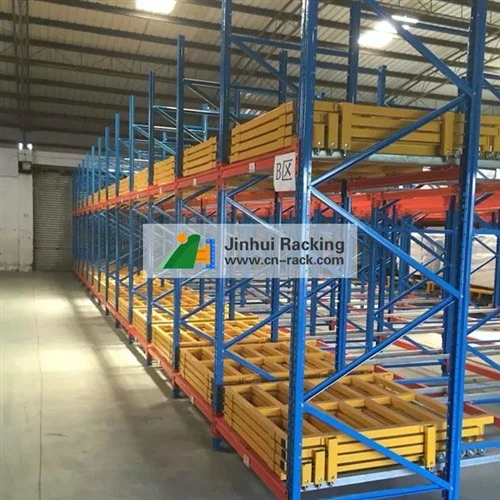

When I was on a site visit last month with a cold storage client in Ohio, their lead installer pulled me aside halfway through a racking installation and said, "We've done this in regular warehouses a hundred times-why does this cold space feel like we're speaking a different language?" It was a light, exasperating throwaway line, but it cut right to a point I've been hammering home for years as a cold storage racking supplier: installation in these facilities isn't just standard racking work in a frosty box. The communication gaps that derail even straightforward projects aren't about misaligned timelines-they're about unspoken priorities, regulatory blind spots, and the specific environmental hoists that turn a routine install into a $10,000 rework bill if left unaddressed.
Let's start with the core role communication plays here. Cold storage sites aren't just warehouses with thermostats cranked down. They're regulated, temperature-sensitive, and their racking systems are non-negotiable for meeting food safety or pharmaceutical storage rules. Every conversation between my on-site team, the client's facilities manager, their construction foreman, and third-party inspectors needs to be hyper-specific, not generic. Most of the missteps I've seen stem from one group assuming the other knows something they don't. For example, I once had a project where the client's team told our installers "standard racking anchor sizes" with no context that their cold room's concrete had been exposed to freeze-thaw cycles for a decade, making its tensile strength 30% lower than typical warehouse concrete. By the time we noticed the discrepancy halfway through, we'd already installed three bays and had to jackhammer them out-all because of a single missed communication.
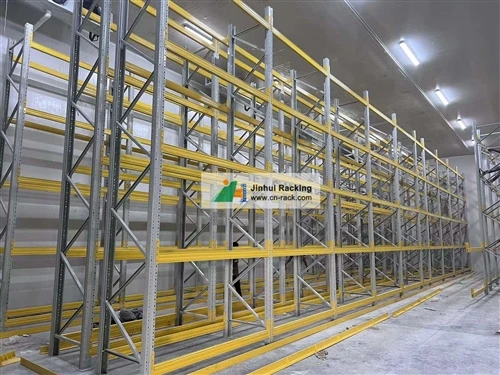
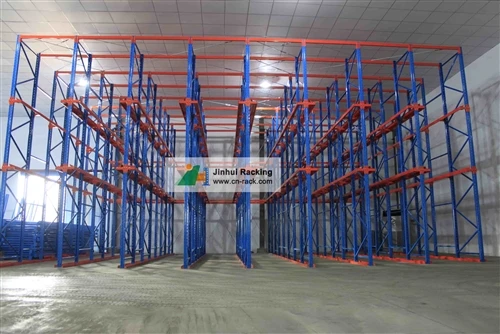
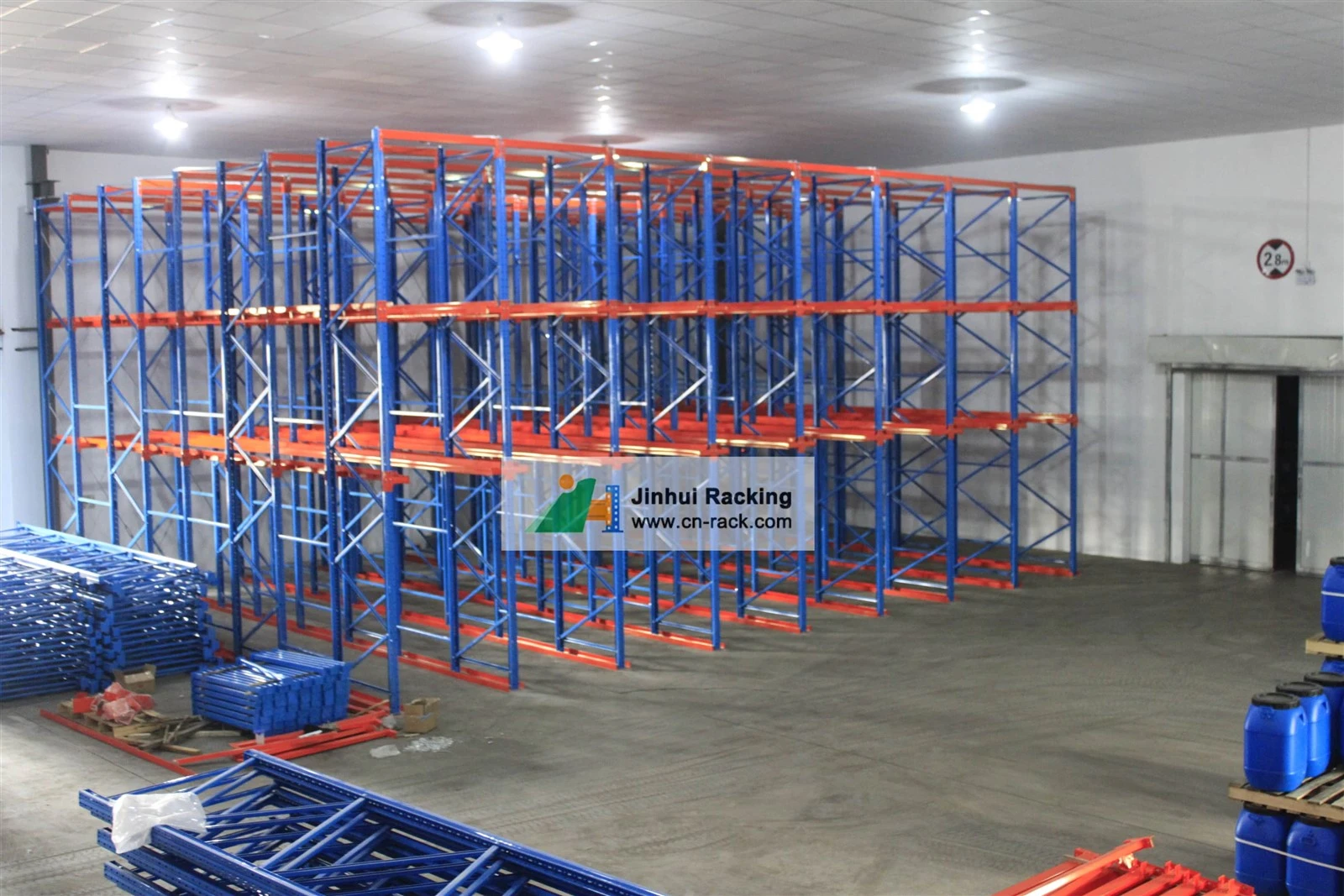
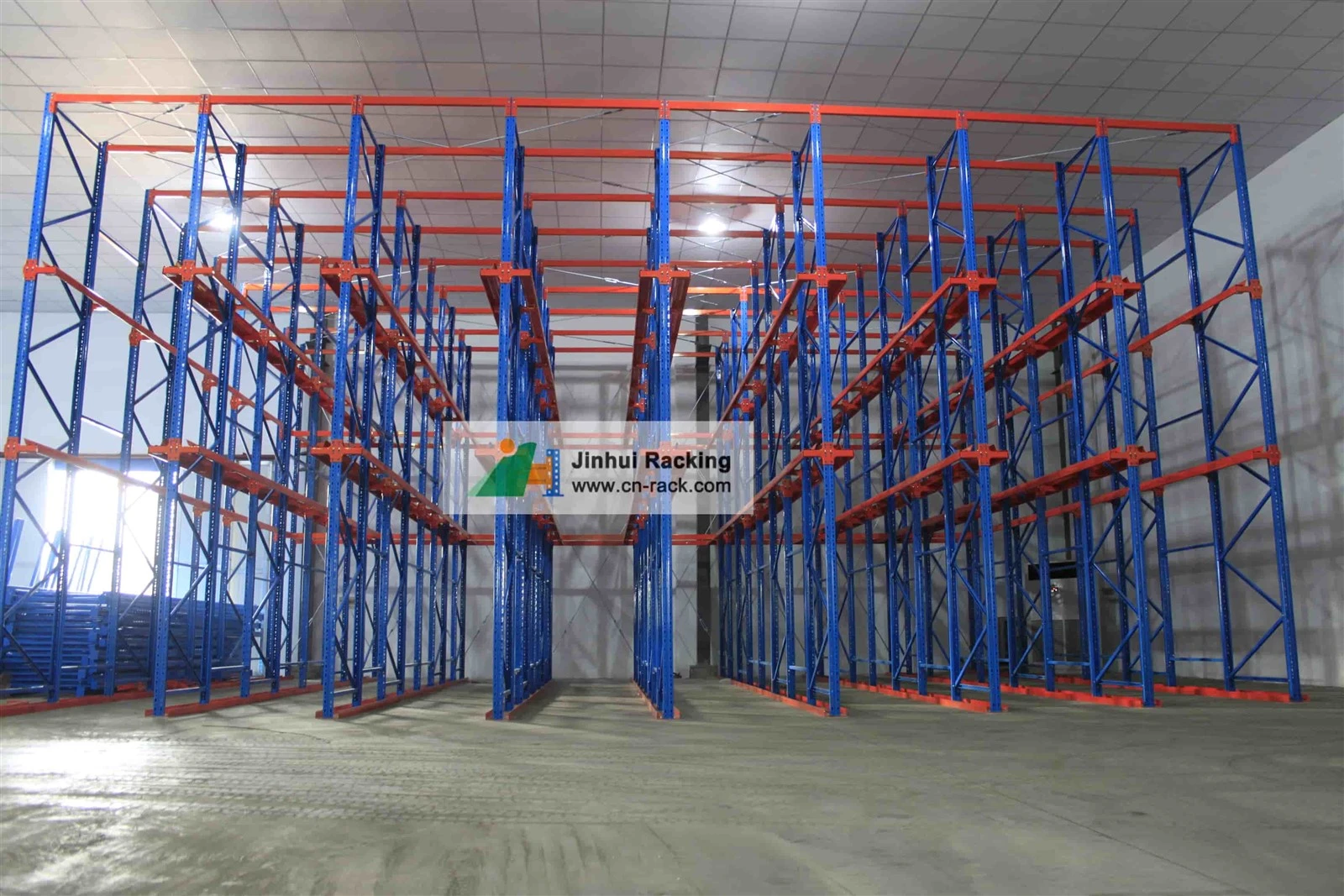
First, we have to talk about pre-installation communication, because that's where 80% of cold storage racking installation problems get caught. This isn't just sending a PDF of specs and calling it a day. Cold storage facilities have unique site data that most standard racking projects never require, and if that data isn't shared clearly, installers can't do their jobs safely or correctly. For instance, when quoting Drive-In Racking Systems for cold rooms (and if you want to dive deeper into that specific design, check out the Warehouse Drive in Pallet Racking System for Cold Room and Processing Industrial link) , there are non-negotiable specs the client needs to share upfront: floor insulation thickness, the exact temperature setpoint (freezer vs. chill is a world of difference), and any existing pipework or electrical runs buried in the floor that anchor bolts can't drill into.
I learned this the hard way early in my supply career. We'd quoted a project for a Midwest frozen food distributor, assuming their cold room was 10°F, like most standard freezers. When we arrived to install, the team manager pulled us aside and admitted it was actually -20°F-way colder. The steel we'd ordered for the uprights wasn't rated for that temperature; it could become brittle and crack under load, a hidden safety risk. That 12-hour delay wasn't just a logistical hiccup-it was a communication failure. The client's team never flagged the exact temperature, and we never asked for it, because we'd relied on generic "cold storage" language instead of specific details.
Another pre-installation communication hurdle is aligning stakeholders on who owns what. Cold storage sites often have multiple players: the racking supplier, the general contractor, the facility's in-house facilities team, and third-party auditors (like SQF or FDA for food storage). Each has non-overlapping priorities, and if their roles aren't mapped out clearly, nothing moves forward. For example, the supplier's team cares about getting racking delivered and assembled correctly per engineering specs. The general contractor cares about staying on schedule to avoid penalty clauses. The facilities team cares about not drilling into pipes or disrupting temperature levels. An auditor cares about documentation for regulatory compliance. If one person is responsible for updating all parties on, say, a delayed delivery, and no one knows that person is the supplier's on-site project lead, delays spiral.
Then there's on-site installation communication, which has its own layer of complexity thanks to the cold environment itself. Anyone who's worked in a cold space knows how frustrating it is: gloves make manual dexterity hard, breath fogs safety goggles, and shifts are capped at 90 minutes to avoid frostbite. These conditions don't just slow work-they create communication gaps that are easy to miss. Last winter, our team was installing Drive-In / Drive-Through Racking (you can read more about these designs via the Drive-In / Drive-Through Racking link) for a pharmaceutical client, and one of our installers missed a misaligned upright notch because his fogged goggles kept obscuring the line. By the time the next shift noticed, the bay was partially assembled, and taking it apart required warming the steel first (otherwise it would snap if forced) - a 6-hour delay that could've been avoided if the two shift leads had agreed to do a walkthrough handoff instead of just passing each other by the freezer door.
Another key on-site communication point is temperature-related adjustments that aren't obvious in the design phase. Steel expands and contracts with temperature, so a racking system measured and engineered at 70°F won't sit perfectly straight when installed at -20°F. Our team has to communicate with the engineering lead to tweak upright plumb adjustments as we go-small, subtle shifts that fix post-install issues like racking leaning or pallets not sliding properly. If we don't flag temperature-related variances immediately, the client has to deal with rework once the system is in use, which is far costlier. I had one client a few years back who blamed our "bad design" when their racking started leaning after the first week of use. Turns out, we'd built the system at our 70°F warehouse and didn't account for the -10°F cold room; the communication gap meant we never sent on-site adjustments, and the client lost $15,000 worth of frozen goods when a leaning rack collapsed a stack.
Then there's post-installation communication, which is often overlooked but critical for cold storage. Cold storage racking isn't a set-it-and-forget-it system. Every installation needs a handoff that includes who to contact for adjustments, how to perform regular temperature-related checks, and documentation for audits. The FDA and other food safety regulators require detailed records of racking installations, so if the client's facilities team doesn't get clear, organized documentation immediately, they can't pass their next audit. I once had a small client who put off contacting us for the handoff, thinking it was just a formality. When their SQF audit came around six months later, they had no documentation of the racking's anchor strength or material ratings, and they failed the audit-all because the communication around post-install handoff wasn't clear.
Wait, but let's not forget safety, which is tied directly to communication. Cold storage sites have unique safety risks: slippery floors, heavy machinery, and brittle steel that can fail at low temps. Every team on site has to be on the same page about emergency protocols. For example, if an installer is injured and needs medical help, does the team know how to warm them up before they're moved? Does the on-site nurse know where all the electrical disconnects are? A few years ago, a general contractor's worker slipped on a melted patch of frost while our team was installing racking. Our lead knew the nearest exit to get a blanket, but the GC's foreman didn't-because we never had a pre-project safety huddle where we mapped that out. That's communication that's not just about timelines or specs-it's about keeping people safe.
So what does good communication for cold storage racking installation actually look like, in practice? First, pre-project, we do a dedicated "temperature and site walkthrough" where every key stakeholder (supplier, GC, facilities, auditor) is present. We go over concrete tensile strength, floor insulation, exact temperature ranges, pipe and electrical locations, and any regulatory requirements specific to the client's industry. We also assign a single point of contact for all updates, so there's no back-and-forth between multiple people.
On-site, we implement structured shift handoffs: each lead gives a 10-minute verbal update plus a written log of any issues, adjustments, or pending tasks. We also run weekly 15-minute check-ins with all stakeholders to address delays or unexpected changes before they become major problems. After installation, we provide a detailed handoff package that includes all engineering specs, temperature adjustment guidelines, and audit-ready documentation, with our contact info clearly listed for any future needs.
At the end of the day, cold storage racking installation is about balancing rigid regulations, unforgiving environments, and multiple stakeholders' needs. The biggest mistakes don't come from bad products or bad design-they come from bad communication that leaves gaps in unspoken details. As a supplier that's specialized in cold storage racking for over a decade, I've learned that the best projects aren't the ones that finish on time; they're the ones where every party feels aligned, informed, and safe.
If you're planning a cold storage racking installation and want to make sure communication is clear, compliant, and tailored to your site's specific needs, reach out to our team to discuss your requirements and find the right solution for your facility.
References
- Material Handling Industry Association. (2022). Racking Installation Best Practices for Temperature-Controlled Warehouses. MHIA Safety & Compliance Report.
- Food and Drug Administration. (2021). 21 CFR Part 110: Current Good Manufacturing Practice in Manufacturing, Processing, Packing, or Holding Human Food. FDA Regulatory Guidance for Storage Facilities.
- Cold Storage Association. (2023). Environmental Factors Impacting Warehouse Racking Performance. CSA Technical Bulletin 19-03.