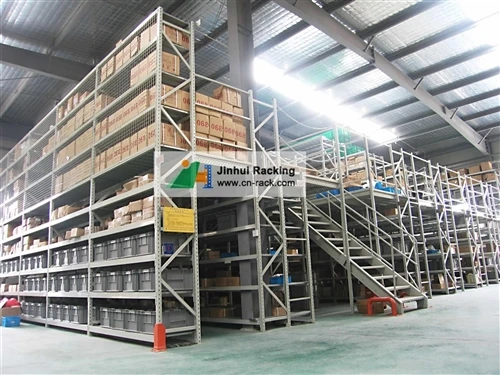

If you've ever stood in a cramped warehouse, staring at stacks of boxes that take up every inch of floor space and wondering where to even put the new inventory coming in, you've probably thought about adding mezzanine racking. It's a total game-changer-extra vertical space to work with, no need for a full building expansion, perfect for picking areas, storage, or even a tiny office up top. But here's the thing I see so often as a mezzanine racking supplier: most people fixate on the frames and the racking itself, and totally sleep on the flooring. That's a big mistake. The wrong flooring can make your mezzanine wobbly, noisy, slippery, or even unsafe for forklifts or workers walking on it. I've had customers come back to me 6 months after installation saying they hate their floor because it creaks nonstop or boxes slide around every time someone rushes. So let's break down what kind of flooring actually works for mezzanine racking-no industry jargon, just real talk from someone who's dealt with this a hundred times.
First, let's get one thing straight: mezzanine flooring isn't one-size-fits-all. Your needs change based on what you're storing, how you're using the space, and even your warehouse's climate. For example, if you're storing pallets of heavy machinery parts, you need something that can hold tons of weight without bending. If you're using the mezzanine for order picking, you need something that's quiet so pickers don't get stressed, and non-slip so no one takes a tumble. And don't forget about cost-you don't want to blow your budget on a floor that's overkill, but you also don't want to cut corners and have to replace it in a year.
Let's start with the most popular option for industrial mezzanines: steel grating flooring. This is the go-to for most heavy-duty setups, and for good reason. Steel grating is made of parallel steel bars welded or locked together, with gaps between them. Wait, why gaps? Oh right-they let dust, small debris, and even light rain (if your warehouse isn't fully sealed) fall through, which is great for keeping the mezzanine floor clean without having to sweep all the time. If you're using forklifts or pallet jacks on the mezzanine, steel grating is super durable-it can handle heavy loads, constant rolling, and rough use without scratching or denting. I've seen a few customers go with solid steel when they shouldn't, and forklift tires wear out way faster on solid surfaces because there's no give. Grating has a little flex that's gentle on equipment, too.
But steel grating isn't perfect. The gaps can be a problem if you're storing small items-like screws, bolts, or tiny parts-because they'll fall right through. Also, it's way noisier than other options. If you have a mezzanine with office space on top or even a picking area where workers are on phones, steel grating makes every step sound like a loud thud. Some customers add rubber mats on top, but that defeats part of the purpose if you want easy debris cleanup. If you're going with steel grating, though, make sure you get the right gauge-thicker bars for heavier loads, thinner for lighter stuff. And here's a pro tip: cross bars vs. flat bars. Flat bars are smoother, but cross bars give more traction, which is important in areas where floors might get a little dirty. If steel grating sounds like a fit, check out our Steel Mezzanine Floor Rack - we tailor the grating size and load capacity to whatever you need.
Next up: solid steel flooring. This is the heavy hitter for maximum load capacity. It's a flat, solid steel panel, no gaps, so nothing falls through. Perfect if you're storing very heavy pallets, like construction equipment, or if you're running equipment on the mezzanine-like a small conveyor system or a workbench that has tools. Solid steel is also quieter than grating, which is a big plus for picking or office use. But it's way more expensive, heavier, and the extra weight adds pressure on the mezzanine's support beams. If your mezzanine isn't engineered for super heavy loads, solid steel might not be safe. Also, since there's no gaps, debris and dust build up on top-you have to sweep or hose it down regularly, which is an extra task. I usually only recommend solid steel for customers who specifically need a completely flat, gap-free surface for heavy-duty use. If you're looking for a heavy-duty solution that balances load and space, check out our Heavy Duty Steel Structure Platform and Mezzanine Floor Suppliers - we can adjust the support structure alongside the solid steel floor to make sure everything stays stable.
Then there's wood flooring. Yeah, I know-wood might sound cheap, but it's actually a solid option for light to medium-duty mezzanines. It's way quieter than steel, has a warm, non-slip surface (especially if it's treated or has a non-slip coating), and it's cheaper than solid steel. A lot of small warehouses or mezzanines used for office storage or light picking go with wood because it's easy to install too. But wait, wood has some big downsides for industrial use. It's not as durable as steel-heavy pallets or forklifts will scratch, dent, or even break the planks over time. It also absorbs moisture, so if your warehouse is humid or has a leak, the wood will warp, which creates uneven floors and can be a tripping hazard. And it's flammable, which is a big no-no if you're storing flammable materials like paint or chemicals. I only suggest wood for customers who have a small mezzanine, light loads, and a dry environment. If you're just starting out and testing the mezzanine space, wood is a good temporary or low-cost option, but most people upgrade to steel after a year or two.
Another option I've seen a lot lately is composite flooring. This is a mix of wood fibers and plastic, so it's like a fake wood but way more durable. It's moisture-resistant, doesn't warp, and is stronger than solid wood. It's also quieter than steel, has good traction, and doesn't scratch easily-way better than regular wood. The downside is it's more expensive than wood, and not as strong as steel grating or solid steel. So it's good for light to medium loads, but not for heavy forklift use. Composite is great for picking areas or mezzanines that are used for light storage where noise and safety are top priorities. I had a customer last year who used composite for his order-picking mezzanine-his pickers said the reduction in noise cut down on headaches and made them more productive. If you're not running heavy equipment but still want something better than wood, composite is worth checking out.
Wait, I should also mention safety features, because that's non-negotiable for mezzanine floors. No matter what material you choose, it needs to be non-slip. Even if it's steel grating, adding a non-slip coating or using textured bars will prevent falls, especially when floors get wet from cleaning or spills. If you're using the mezzanine with forklifts, make sure the surface is compatible with forklift tires-too much flex can cause instability, which is why steel grating is often better than wood for that. Also, load capacity is key. Don't just pick a floor because it looks good-calculate the total weight you'll have on the mezzanine, including the racking, pallets, workers, and any equipment, then pick a floor that can handle at least 20% more than that. That extra cushion will prevent stress on the structure.
Let's talk about a few common mistakes I see customers make. First, trying to save money on flooring to blow it on extra racking. I get it-racking is the main event, but the floor is what holds everything up. If the floor fails, your whole mezzanine is useless, no matter how good the racking is. Second, not considering the use case. If you're storing small parts, steel grating is bad because things fall through, even if it's cheaper. If you're running a forklift, wood is bad because it dents. Third, forgetting about the existing structure. A lot of people buy mezzanine racking first, then realize their floor doesn't fit the support beams. That's why working with a supplier that designs the whole system-racking plus floor plus support-is a good idea. We do that for all our customers, by the way, so you don't have to figure out the math on your own.
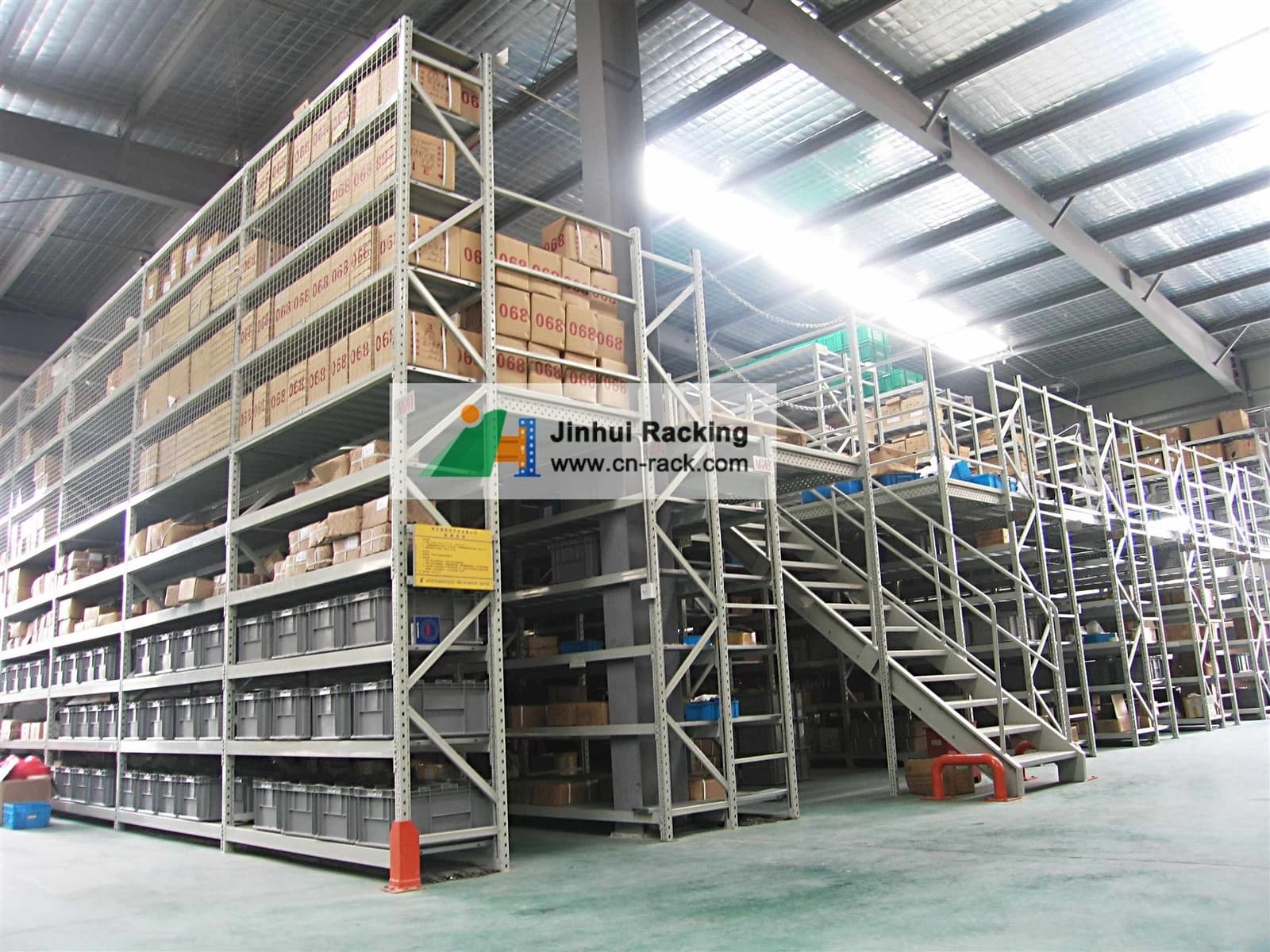
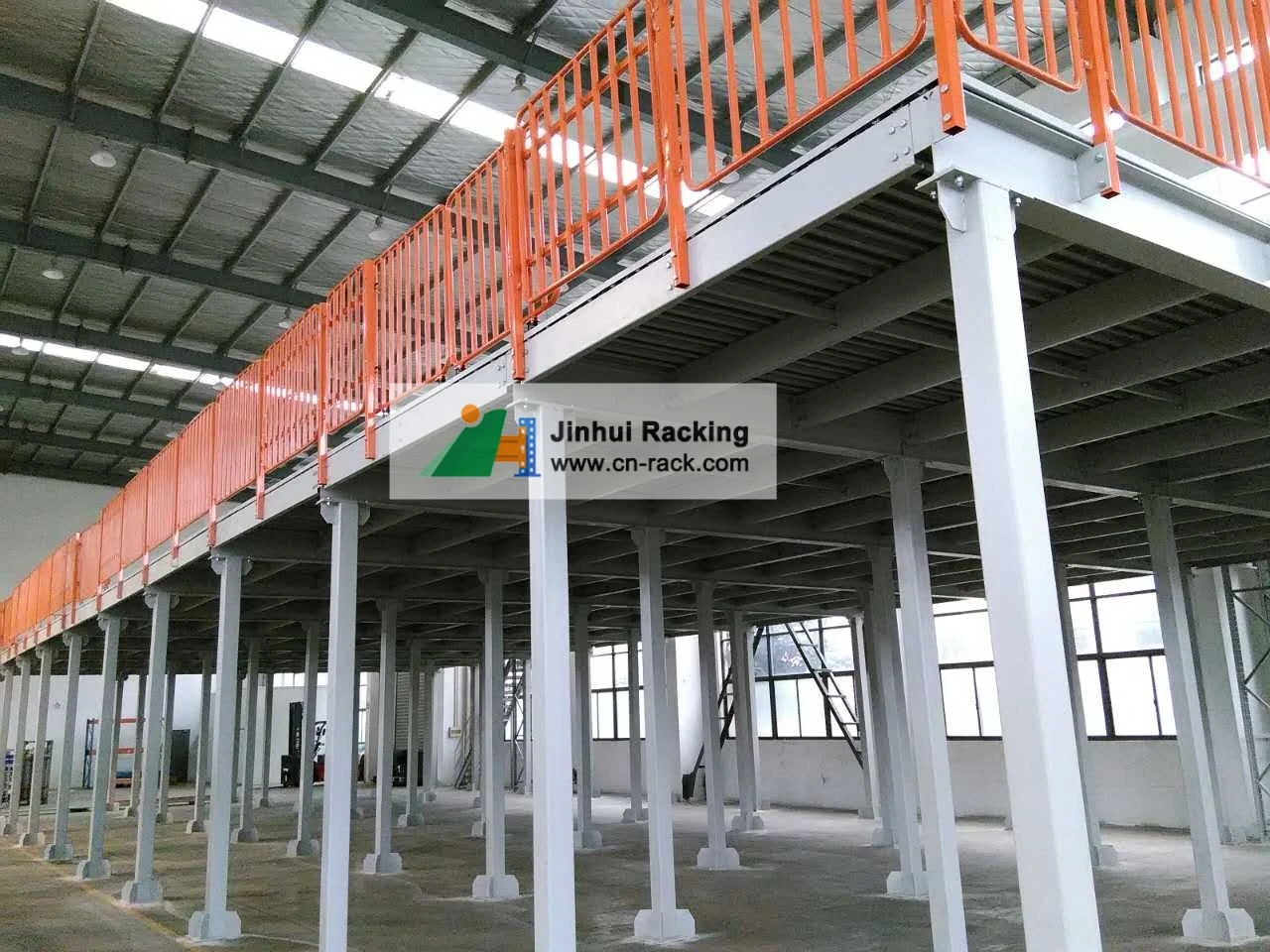
Let's also touch on different types of mezzanines, because that changes the floor too. There are standalone mezzanines that are free-standing, and mezzanines that attach to the building walls. For standalone ones, the floor has to support the entire structure's weight, so steel is usually the way to go. For wall-attached mezzanines, if the existing wall is strong, you might have more flexibility with lighter materials like composite, but still check the load capacity. Also, multi-tier mezzanines-those are the ones with two or three levels-need extra strong floors, because each level adds weight. If you're going multi-tier, go with steel, either grating or solid, depending on your load. Our Loft Platforms line has custom floors built for multi-tier setups, so you don't have to worry about stability between levels.
Another thing to consider is maintenance. Steel floors need occasional cleaning to keep debris from building up, but they're super easy to wipe down. Wood needs to be sealed every few years to prevent warping, and composite just needs a quick sweep-no extra steps. If you don't want to spend time maintaining your floor, steel is the lowest-maintenance option. If you have a small team and don't want extra chores, that's a big plus.
Wait, let's throw in a real example to make this concrete (pun intended). A few months back, I worked with a customer who runs a small e-commerce warehouse. He wanted a mezzanine for order picking and storing extra inventory, with light pallet loads (like 2,000 lbs max per pallet) and no forklifts on the mezzanine. He originally tried to use wood flooring to save money, but his pickers complained about the noise, and when he accidentally spilled water on the floor, it warped in two spots, creating a tripping hazard. We swapped it out for composite flooring-still cheaper than solid steel, quieter than wood, non-slip, and strong enough for his loads. He's been happy with it ever since, and said his picker productivity went up because they weren't dealing with noise distractions. On the flip side, another customer who runs a parts distribution center with heavy pallets and forklifts on the mezzanine went with steel grating. It handles the heavy loads, debris falls through, and even with the noise, he installed noise-canceling mats in the picking area, and it's way more durable than wood would have been.
So, to wrap this up, here's a quick guide to pick the right floor: If you have heavy loads, forklifts, or multi-tier mezzanines: go with steel grating or solid steel. If you have light loads, no heavy equipment, and want something quieter: composite. If you have extremely light loads, a tight budget, and a dry environment: wood. But wait, don't just take my word for it-every warehouse is different. What works for a 10,000 sq ft distribution center won't work for a 1,000 sq ft small business.
If you're planning to install mezzanine racking and don't know where to start with the flooring, or the whole system, we're here to help. We design custom mezzanines with floors matched to your exact needs, whether it's steel, composite, or something in between. Just reach out to us to chat through your space, load requirements, and budget-we won't pressure you to buy something you don't need, and we'll make sure the floor works as hard as your mezzanine does.
References
- Industrial Mezzanine Floor Material Performance Analysis. Warehouse Storage Equipment Journal, 2022, Vol. 18, No. 3, pp. 45-52.
- OSHA Safety Guidelines for Mezzanine Flooring. Occupational Safety and Health Administration, U.S. Department of Labor, 2021.
- Load Capacity Calculations for Multi-Tier Mezzanine Structures. Materials Handling Research Council, 2023, Technical Report No. MH-07.
- Comparative Cost Analysis of Mezzanine Flooring Materials for Small Warehouses. Small Business Storage Solutions Quarterly, 2022, Vol. 11, No. 2, pp. 19-24.