
If you're a warehouse manager, operations lead, or someone who's ever had to justify investing in high-density storage, you know that time isn't just money-it's the difference between meeting order fulfillment deadlines and missing them entirely. When I field calls every week about Push Back Racking, the most common question isn't even about load capacity or weight limits (though those matter, too). It's always, "How long will installation take?"
I get it. You don't want to shut down part or all of your warehouse for weeks to put in a new storage system-you need to time this around seasonal rushes, new inventory arrivals, or team training schedules. As a Push Back Racking supplier who's installed systems in 12 different states over the last eight years, I've learned that the answer isn't a one-size-fits-all number. There are variables that shift timelines, and I've walked through enough projects to break this down clearly, no jargon included.
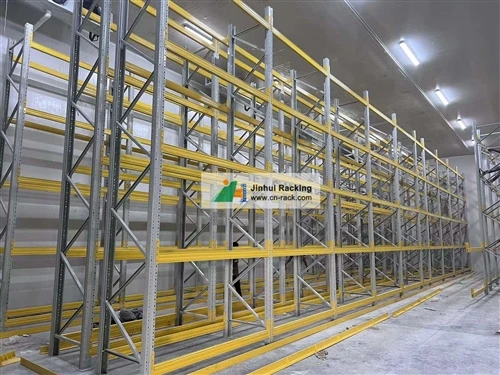
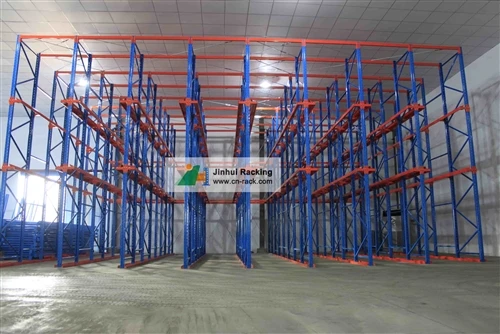
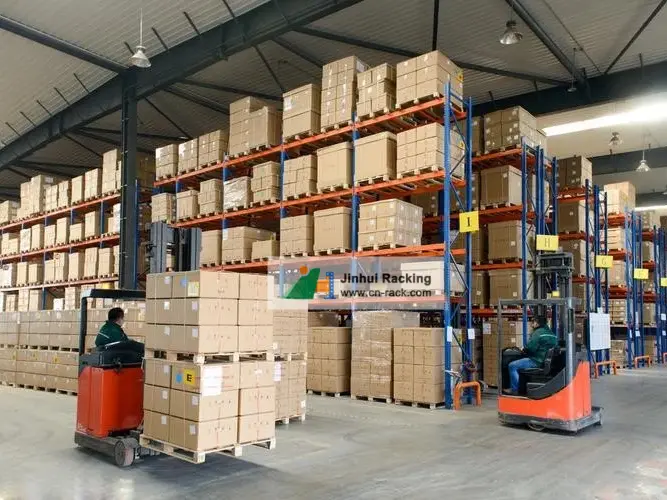
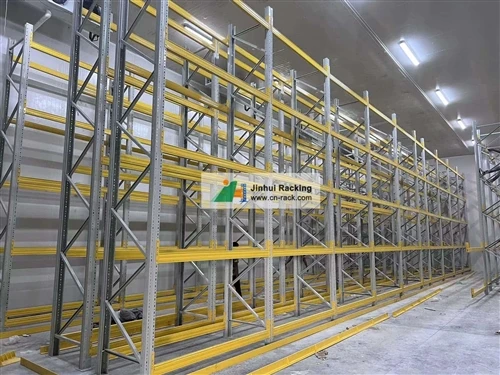
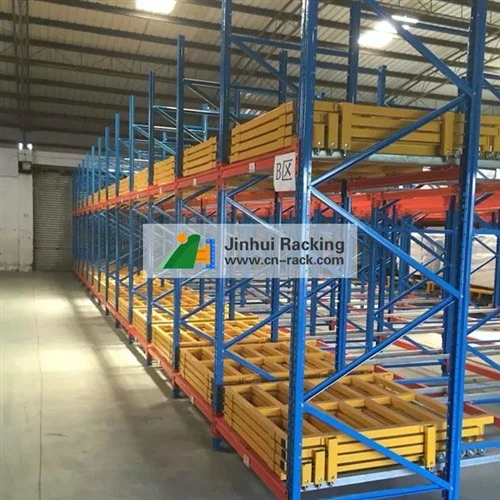
First, let's start with a quick refresher on what Push Back Racking actually is, because not everyone knows the difference between similar high-density solutions. For context, Push Back Racking (sometimes called push-back racking or pallet-back racking) is a dynamic storage system where pallets load from one end of a rail track and "push" existing pallets backward into the lane, storing multiple units deep. It's perfect for SKUs that don't need individual access (think: bulk goods, seasonal inventory, or fast-moving SKUs that follow a first-in, last-out workflow). If you're looking for a system that balances space savings and throughput, this is the one-and you can see the full line of products at our Push Back Racking System page, which details components like heavy-duty rails, carts, and support frames.
Now, to the timeline. Let's cut through the vague estimates you'll get from other suppliers and ground this in real, on-the-job numbers I've tracked over the years. I group installation times into three core categories, based on the size and complexity of the project: small projects (under 2,000 square feet of storage), medium projects (2,000–5,000 square feet), and large projects (over 5,000 square feet). I'll also walk through the factors that can speed things up or slow them down, because those are the pieces most people miss.
Small Projects: Quick Installs for Targeted Storage Needs
Small Push Back Racking projects are usually for warehouses that just need to fix one specific storage pain point. Maybe you have a small section of your pallet area that's running out of space, or you're setting up a staging zone for seasonal inventory that only comes in for three months a year. These projects typically have fewer than 10 rack lanes, or hold 50 or fewer pallets total.
In my experience, a small, standard Push Back Racking installation takes 1–2 days for a two-person crew. Wait, that's fast-why? Because small projects usually involve pre-fabricated components that don't require custom cuts. For example, a 3-lane system that holds 12 pallets (4 per lane) can be unloaded, assembled, and bolted to the warehouse floor in a single day. We did one last spring for a pet food distributor in Ohio that needed extra space for 6 months of holiday treats; their 8-pallet system was up and ready to load pallets within 18 hours of our crew arriving.
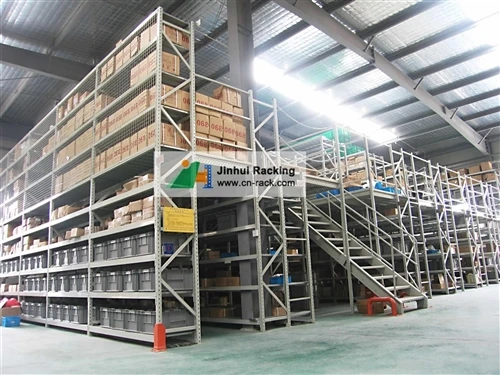
That said, there are small hiccups that can add half a day, nothing more. If the warehouse floor has uneven concrete (more common in older facilities) or there are existing pipes, floor anchors, or columns that we have to work around, that can mean an extra hour or two of adjustment. If you opt for our Push Back Shelving for smaller parts that go with the pallet storage (like boxes of packaging supplies), adding that to the small racking project might take an extra 4–6 hours max, since we just connect it to the existing rack frame instead of starting from scratch.
Medium Projects: Balancing Speed and Customization
Medium-sized projects are where most of our clients fall. These are warehouses that need a major upgrade, not just a quick fix-think 10–25 rack lanes, holding between 50 and 200 pallets total, or covering 2,000–5,000 square feet. These might be facilities expanding for new product lines, or replacing old, inefficient selective rack that was wasting 30% of their floor space.
For a standard medium Push Back Racking system, a three-person crew will take 3–5 days to install. This is where the real benefits of Push Back Racking start to show, but also where customization adds a little time. For example, if your lanes need to accommodate 1,000lb pallets vs. 3,000lb pallets, the rail thickness and support brackets change slightly-we don't cut materials on-site (we pre-fabricate all components at our warehouse to keep jobs fast), but we do double-check measurements against your floor plan before we arrive. That pre-planning means we only have to adjust a few parts, not build from the ground up.
I should mention that some clients rush this step to save time, which ends up costing them later. Last year, we worked with a beverage distributor in Indiana that tried to skip the pre-install site survey to finish faster. When our crew showed up, we realized their floor had a 1.5-inch slope in one section that would have made the carts roll unevenly, risking pallet damage. We had to adjust the rail height in that lane, adding two extra days to the timeline. Had they let us do a 2-hour pre-install check (which we include for free, by the way), that wouldn't have happened.
A medium project might also include adding a few extra features, like safety guards for the front of lanes or height extensions for pallets that are taller than standard. Adding those small parts takes 4–6 hours, tops, and doesn't add a full day to the install. If you're mixing pallets with smaller, boxed inventory that works better with our Push Back Pallet Rack System (which is designed for heavier loads and deeper lanes), we can integrate that with the larger racking in the same timeline, too-no need for two separate install crews.
Large Projects: Major Overhauls, Plan for 1–2 Weeks
Large Push Back Racking projects are full warehouse or multi-zone overhauls. These are facilities with over 25 rack lanes, holding 200+ pallets, covering 5,000+ square feet, or reconfiguring multiple storage zones to streamline order picking or inventory rotation. For these, clients are usually looking to cut long-term operating costs, not just fix a space issue, so they're willing to invest time in a system that will save them money for years.
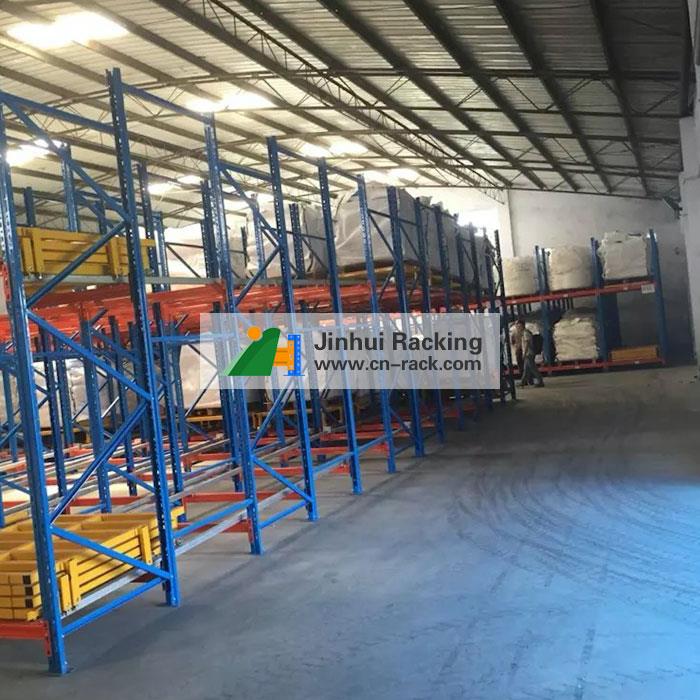
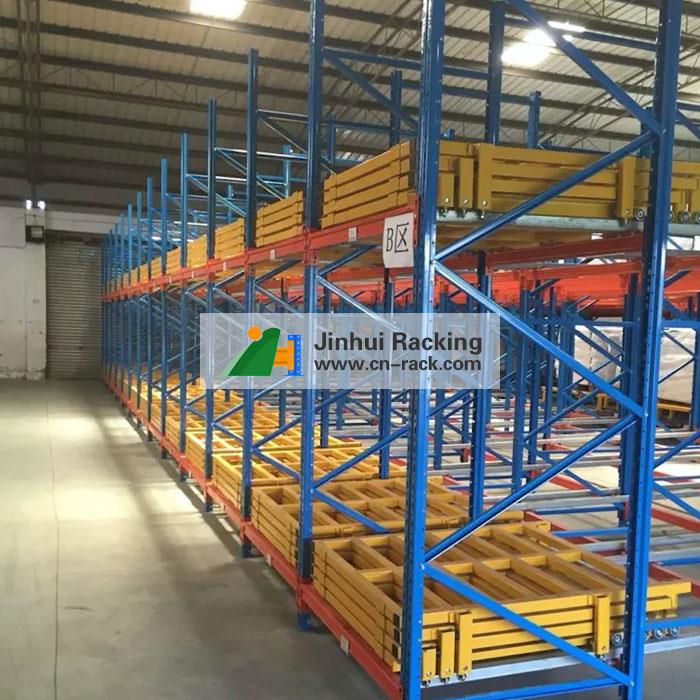
A full large-scale Push Back Racking installation takes 7–14 days, depending on a few key factors. The biggest one here is the complexity of the floor plan. If your warehouse is a simple, open rectangular space with no obstacles (columns, docks, or existing equipment), our crew can install 10–15 lanes a day, getting the whole system up in 7–10 days. But if you have a split floor plan, or need to work around loading docks or conveyor belts that stay operational during the install, that timeline stretches to 10–14 days. We always coordinate with your operations team to set a schedule that only disrupts your busiest days minimally-for example, we work after your night shift ends and before your morning shift starts, so you never have to shut down the warehouse entirely.
Another factor here is integration with other warehouse systems. If you're adding our Push Back Racking to work with an automated picking system, or need to connect it to your existing WMS (warehouse management system) to track pallet locations, that adds 2–3 days of post-install calibration. It's not part of the physical racking installation, but it's critical to making the system work as intended, so we include that as part of the full project timeline-no hidden fees, no surprise delays.
I've done projects that fit into that 7-day window and ones that took 12, but the key is planning. Last year, we finished a project for a grocery chain's distribution center in Illinois that had 32 rack lanes, needed to stay fully operational during the install, and included integration with their WMS. We split our 5-person crew into two shifts: a day shift that focused on assembling and securing the rack lanes in the less busy back zone, and a night shift that did the more precise calibration and system connection in the picking zone. We finished the physical install in 8 days, and the WMS integration took another 2, for a total of 10 days-well within our initial estimate, because we planned for every variable.
The Hidden Factors That Shift Timeline (For Better or Worse)
Even with these estimates, there are two big factors that almost always change the timeline, for good or for bad. Let's talk about both, because these are the things most suppliers won't mention.
First, prep work. The #1 way to speed up installation is to have your warehouse prepped before our crew arrives. That means clearing the area where the racking will go of all existing inventory, old racking, debris, or equipment. I can't tell you how many times we've arrived to a site that still has half a pallet of old inventory in the planned rack zone, and we have to pause while the client moves it. That adds 1–3 days to a project, easily. On the flip side, a client in Michigan prepped their site two weeks early, cleared everything, and even marked the floor with tape where each lane would go-our 3-person medium project was done in 2 days, half the original estimate, because we didn't have to waste time measuring and adjusting.
Second, site-specific modifications. I mentioned uneven concrete earlier, but that's just the start. Some warehouses have high ceilings that mean we need taller support brackets, or loading docks that require ramped rail sections so carts can roll smoothly between dock levels. These modifications are small, but they add a few hours of work-nothing that makes the timeline unmanageable, but something to plan for. We design all components to be as adaptable as possible, so we rarely have to send parts back to our warehouse, which keeps delays to a minimum.
Why Push Back Racking Installation Is Worth the Minor Timeline Adjustment
I know what you're thinking: "1–2 weeks? That's a lot of disruption." But let's put that in perspective. Most selective rack systems take just as long to install as a medium Push Back Racking system, and they only store half as much inventory. That means you're getting double the space, without adding square footage, for about the same installation time. For large projects, that 10–14 days of install time translates to 30–50% more storage capacity, which will pay for itself in 6–12 months from reduced inventory storage costs alone.
And here's the thing: Push Back Racking isn't a "set it and forget it" system, but the long-term benefits far outweigh the short-term install time. When we install a system, we do a full walkthrough with your team, show them how to load pallets, how to inspect for damage, and answer any questions-so you're ready to use it as soon as the crew leaves. No waiting for training, no complicated setups.
If you're ready to stop wasting floor space and start maximizing your warehouse's storage potential, whether you need a small add-on or a full system overhaul, we're here to help. We'll walk through your specific needs, give you a precise timeline tailored to your site, and make sure the install fits your schedule, not ours.
To learn more about our solutions, check out our Push Back Racking System page for full product details, or our Push Back Pallet Rack System page for high-density options perfect for bulk inventory. For smaller storage needs, our Push Back Shelving page has compact, easy-to-integrate solutions that pair seamlessly with our racking systems.
Ready to talk specifics? Let's connect to review your project needs and get a custom timeline that works for you.
References
- Warehouse & Industrial Racking Installation Standards, Material Handling Industry Association, 2022.
- High-Density Storage System Installation Time Benchmarks, Storage Technology Magazine, 2023.
- Push Back Racking Project Case Studies, Ab Warehouse Solutions Internal Records, 2020–2024.