
Let's be real-most warehouse folks have that one horror story. You know the type: a picker grabs the wrong pallet because they were rushing to meet a deadline, or a forklift driver misjudges a narrow aisle and clips a rack. Human error isn't just a minor inconvenience in warehouses-it costs companies big time: damaged inventory, delayed orders, even workplace injuries. As someone who's been selling automated storage systems for years, I get asked this question all the time: do these systems actually fix that human error problem, or are they just another fancy tech gimmick?
The short answer is yes-when set up right, they slash human error risks way more than traditional manual setups. But let's dive into why, and how our shuttle systems fit into that picture.
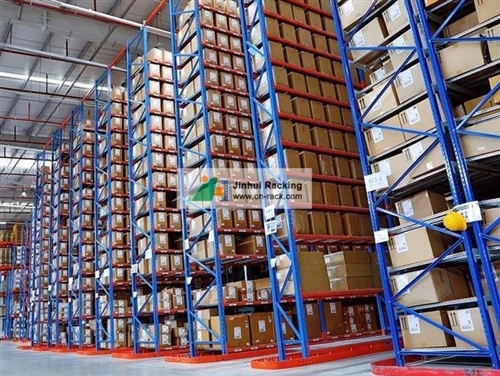
First, let's break down where human error happens most in warehouses. 90% of the time, it's not because workers are careless-it's because they're human. They're tired from 12-hour shifts, distracted by a ringing radio or a text they couldn't ignore, or just overwhelmed by the sheer number of pallets moving around. Manual storage relies on people memorizing locations, counting inventory by hand, and maneuvering heavy equipment in tight spaces-all tasks where mistakes are bound to slip in.
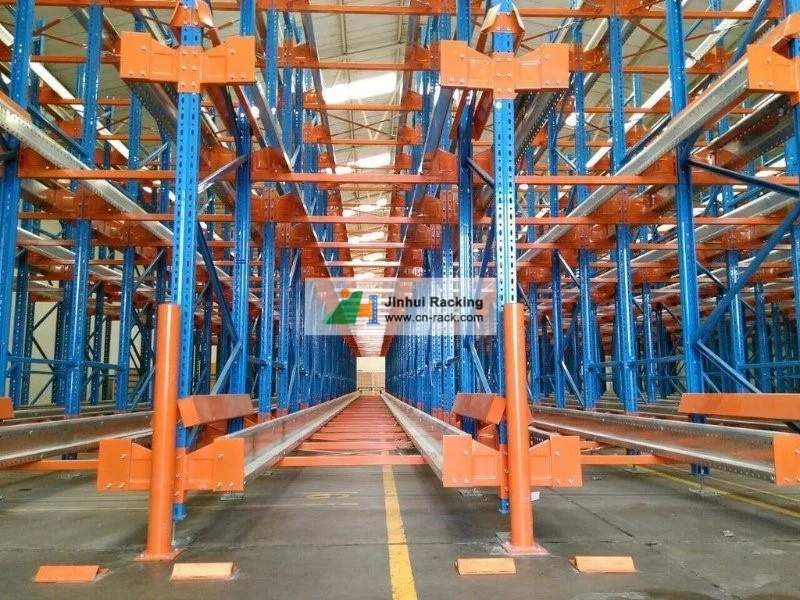
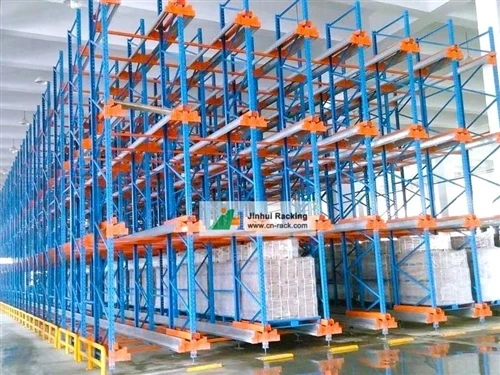
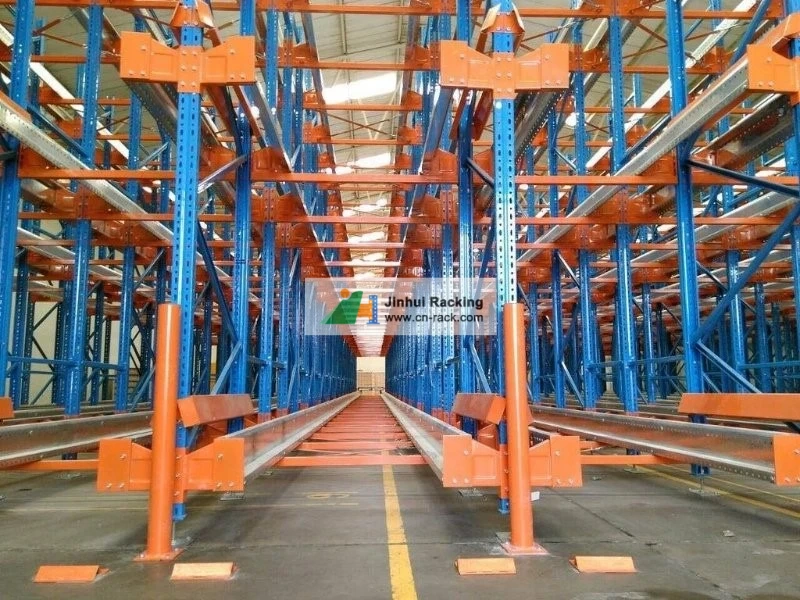
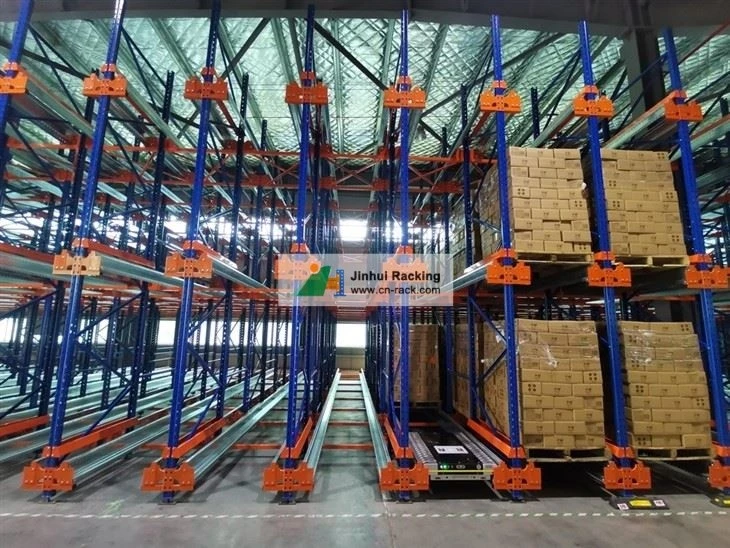
Take pallet storage, for example. In a traditional manual warehouse, forklift drivers have to navigate aisles, lift pallets high, and trust their eyes to line things up. One wrong move could mean a pallet falls, gets damaged, or even worse- someone gets hurt. That's where a Shuttle Pallet Racking System comes in. Unlike manual setups where a forklift has to place each pallet individually, shuttle systems use radio-controlled shuttles that glide along the rack's lanes. The shuttle does all the heavy lifting and positioning, so the forklift driver only has to drop the pallet at the start of the lane and call the shuttle. No more tight maneuvering in narrow aisles, no more misplacing pallets because of bad visibility.
I remember a client last year-they were a food distribution center that was dealing with constant order pick errors (around 3% of all orders were wrong, which is huge for grocery where freshness and accuracy matter). They switched to our warehouse shuttle system, and within three months, their pick errors dropped to 0.2%. That's not a fluke. The shuttles move pallets in a structured way, and the system's software logs every location automatically. No more writing down locations on paper, no more mixing up SKUs because a worker scribbled the wrong number.
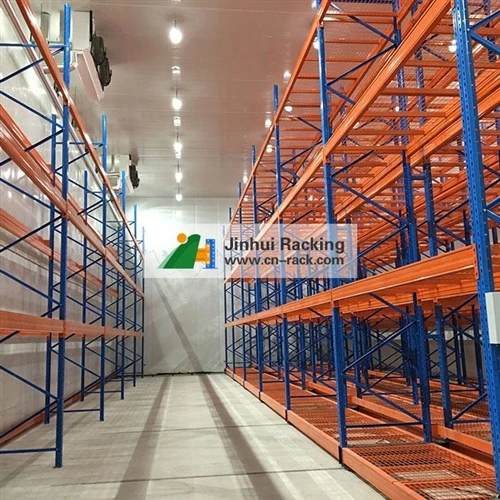
Another big human error culprit is inventory management. Manual counting is slow, inaccurate, and tedious. How many times have you heard of a warehouse that had a phantom inventory issue-they thought they had 50 pallets of a product, but really only had 20? That's because someone miscounted during a physical inventory. Automated storage systems eliminate that. They track every pallet's location, when it was stored, when it was picked, and how many are left in real time. Our Fifo System Shuttle Rack Radio Shuttle setup is perfect for this, especially for industries where first-in, first-out (FIFO) is non-negotiable-like pharmaceuticals or perishable goods. The system automatically moves the oldest pallets to the front, so workers never have to guess which ones to pick first. That not only reduces product waste (another cost) but also eliminates errors from picking the wrong batch.
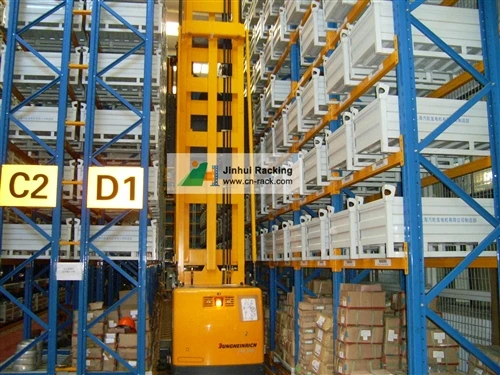
Wait, some folks will say, "What about software errors? Isn't that just another kind of mistake?" Fair point, but here's the thing-automated systems have way fewer points of failure than manual operations. A human can make a mistake in a dozen different places: driving a forklift, counting inventory, labeling pallets, filling out paperwork. An automated system has one core software system that's built to integrate with your existing WMS (warehouse management system) and redundant checks. Our Smart Automated Warehouse Storage solutions are designed with that in mind-they have built-in sensors that catch if a pallet is misaligned before the shuttle moves it, and the software sends alerts immediately if something's off. No more waiting for a damaged pallet to be found during a weekly check.
Let's talk about workplace safety too, because that's a big part of reducing risk. Human error often leads to accidents-OSHA stats say warehouses are one of the most dangerous workplaces, with forklift crashes and pallet falls being top causes. Automated storage systems mean fewer workers are moving heavy equipment in tight spaces. Our Warehouse Shuttle System replaces forklift trips inside the lanes with shuttle movements that are slower, more controlled, and fully automated. We had a client in the automotive parts industry who reported a 70% drop in forklift-related incidents after switching to our system. Their workers used to spend 8 hours a day driving through the aisles-now they're managing the shuttles from a control station, which is less physically demanding and way safer.
Of course, no system is perfect. If you just install a shuttle system without training your workers, you'll still have errors. I've seen companies skip the training part, and their teams end up messing up the software inputs, which leads to pallets being stored in the wrong spots. The key is to view an automated system as a tool that supports your workers, not replaces them. We work with every client to make sure their team knows how to use the system, how to troubleshoot minor issues, and how the software works. That way, the human error risk shifts from physical tasks to digital tasks, which are way easier to manage with training.
Another thing to consider: scalability. As your warehouse grows, manual systems get more chaotic. More pallets, more SKUs, more workers-more opportunities for mistakes. Our Shuttle Racking High Performance Warehouse Storage Racks are modular, so you can expand your system without having to completely rework your layout. That means fewer disruptions and fewer chances for errors during transitions. A lot of our clients love that they can adjust the number of shuttles or rack lanes as their needs change, keeping the system efficient and error-free.
Let me give you a real example of how this works on the ground. Last quarter, a client in e-commerce was dealing with a surge in orders during holiday season. Their manual team was overwhelmed, and order errors spiked to 4.5%-costing them thousands in returns and lost customers. They installed our smart automated storage system a month before the busy period. During that time, their error rate stayed at 0.3%, even as orders doubled. The system's software automatically prioritized fast-moving items, so picks were faster and more accurate. No more workers panicking and grabbing the wrong box because they were rushing to keep up.
Now, I know some small business owners might read this and think, "Automated systems are too expensive for me." But here's the thing-human error costs money too. The average cost of a single warehouse error, including damaged inventory, labor to fix it, and delayed orders, is around $300. Multiply that by a few thousand errors a year, and you're looking at six-figure losses. Automated systems might have a higher upfront cost, but the ROI comes from reduced errors, less waste, and safer workplaces. Our team works with clients to find a solution that fits their budget, whether they need a small shuttle system or a full smart warehouse setup.
So, can an automated storage system reduce human error? Absolutely-when it's the right fit for your operations, installed correctly, and paired with proper training. It's not about replacing your workers; it's about giving them a tool that eliminates the unnecessary risks of manual tasks. The shuttles handle the heavy, repetitive, high-risk work, so your team can focus on the parts that matter-like making sure orders get to customers on time, safely.
If you're tired of dealing with the costs and risks of human error in your warehouse, let's talk. We can help you figure out if one of our systems-whether it's the shuttle pallet racking, FIFO shuttle rack, or smart automated storage-is right for your business. There's no one-size-fits-all, but we've worked with hundreds of clients to find the solution that cuts their errors and boosts their efficiency.
If you'd like to learn more about how our systems can work for your warehouse, feel free to reach out for a consultation. We're here to help you make your operation safer, more accurate, and more profitable.
- Occupational Safety and Health Administration (OSHA). (2022). Warehouse Safety: Preventing Forklift and Material Handling Injuries. Retrieved from osha.gov
- Material Handling Industry (MHI). (2023). Automated Storage and Retrieval Systems (AS/RS) Market Report. Retrieved from mhi.org
- National Retail Federation. (2022). The Cost of E-Commerce Order Errors and Returns. Retrieved from nrf.com
- Food and Drug Administration (FDA). (2021). FIFO Compliance in Pharmaceutical Warehouse Operations. Retrieved from fda.gov