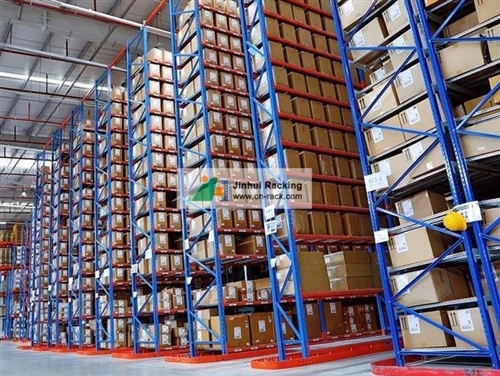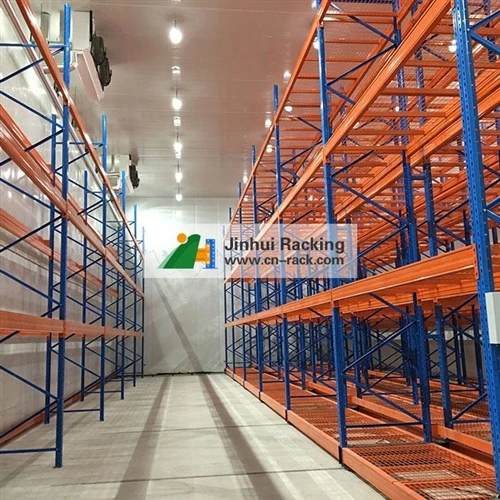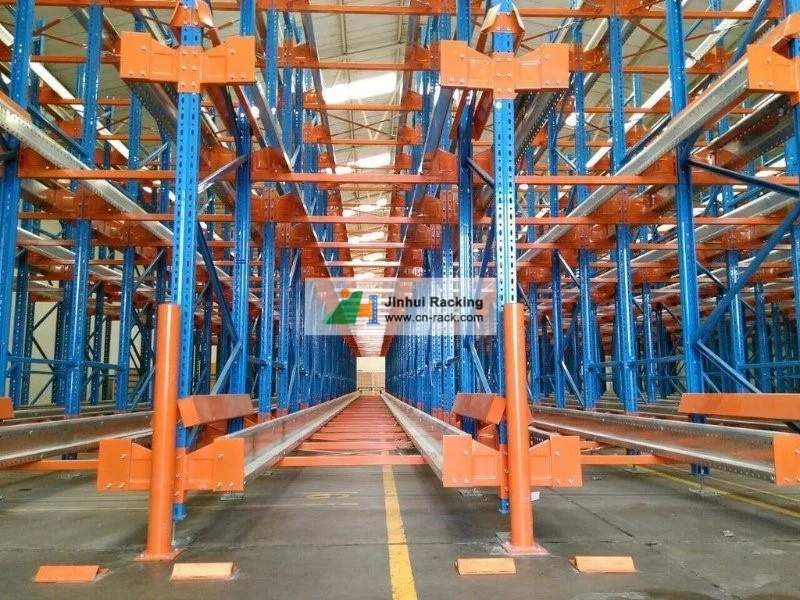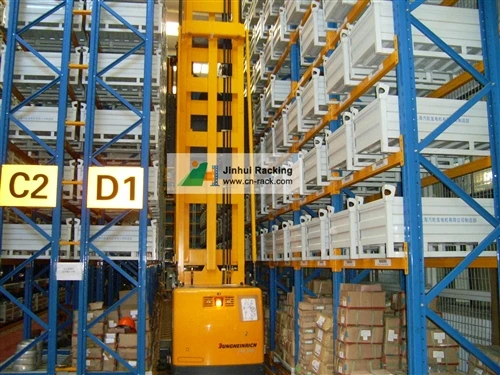

When you're running a warehouse operation, few things matter more than trusting your storage infrastructure to hold up to the demands of your inventory. A warehouse racking system isn't just a place to stack pallets-it's a core piece of equipment that directly impacts efficiency, safety, and your bottom line. As a supplier that works with warehouses across industries every day, one of the most common questions I get from customers is: What are the true loading capabilities of a warehouse racking system? The answer isn't one-size-fits-all. It depends on the type of rack you choose, the materials it's made from, proper installation, and how you use it day-to-day. In this post, I'll break down the key factors that define loading capabilities, highlight options we supply that excel at high-capacity storage, and share best practices to make sure your rack works as hard as you do.
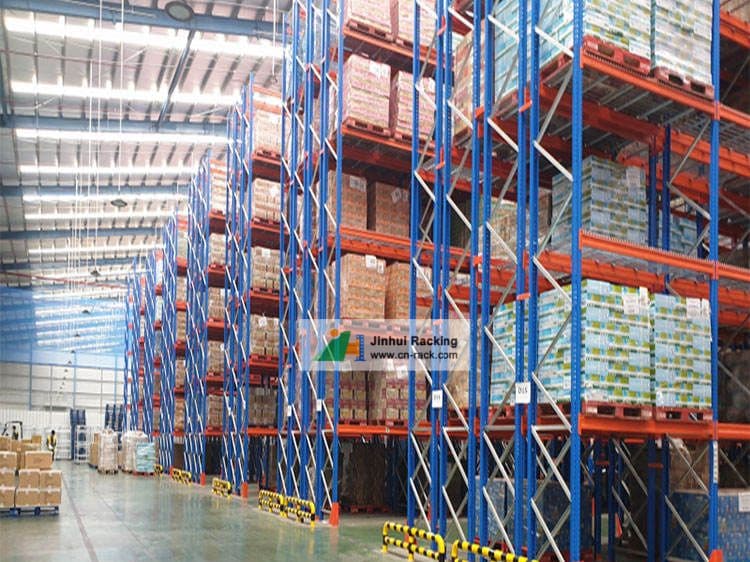
First, let's start with the basics of how rack loading works. Every racking system is engineered with a specific load capacity, measured in pounds or kilograms per level, per beam, or per upright frame. This capacity isn't arbitrary-it's calculated based on static load testing, material strength, and design standards set by organizations like the Rack Manufacturers Institute (RMI) in the U.S. or FEM (European Federation of Materials Handling) globally. The key here is that the listed capacity is the maximum safe load for a given component, and exceeding it is a major safety risk: overloaded beams can bend, uprights can deform, and entire rack structures can collapse, leading to damaged inventory, workplace injuries, and costly downtime.
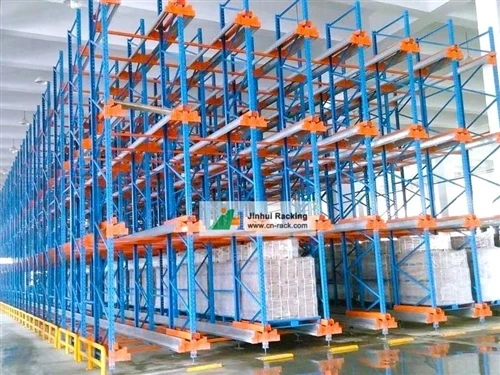
Not all rack types are built to handle the same loads. That's why choosing the right system for your inventory is critical. For example, high-density storage for large volumes of same-SKU pallets often calls for drive-in racking, a system that lets forklifts drive directly into the rack structure to store pallets back-to-back. This design is perfect for cold storage, food and beverage, or bulk manufacturing inventory, where inventory turns are slower and space efficiency is a top priority. Our drive-in racking is engineered to handle uniform heavy loads, with uprights rated for up to 12,000 pounds per pair of beams, depending on configuration. If you're looking to maximize space without sacrificing load capacity, you can learn more about how this system works for high-volume storage here: Drive In Racking.
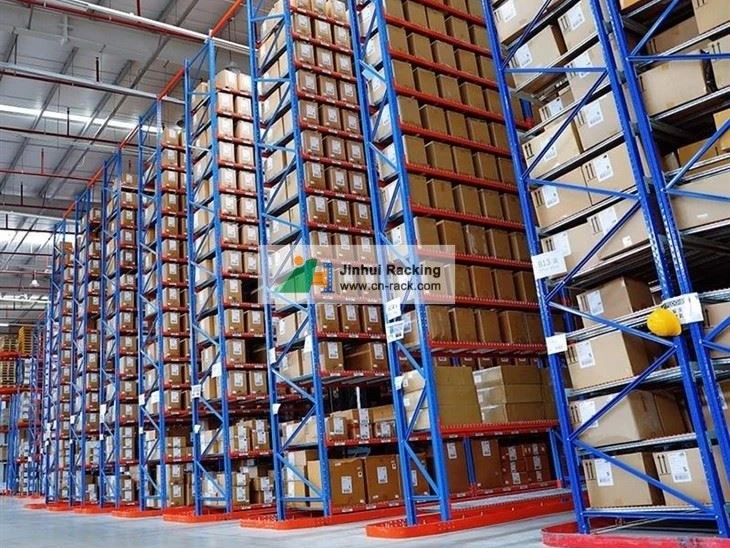
Another common high-capacity option is narrow aisle racking, or very narrow aisle (VNA) racking, which is designed for warehouses that want to balance space efficiency and pallet load capacity. Unlike standard racking that works with counterbalance forklifts, narrow aisle racking uses specialized forklifts that can maneuver in aisles as narrow as 8 feet, vs. 12 feet for traditional models. This cuts down on wasted space, while the rack itself is built with heavy-duty steel to support pallet loads of up to 5,000 pounds per level. We've supplied this system to warehouses handling everything from automotive parts to consumer electronics, and it's a great middle ground between high-density drive-in racking and the flexibility of selective rack. For details on how narrow aisle racking optimizes both space and load capacity, check out: Narrow Aisle Rack High Capacity Utilisation Warehouse Pallet Storage Racks VNA Racking System.
For environments that need both high capacity and smart, automated storage, pallet shuttle systems are a game-changer. These systems use a battery-powered shuttle that moves pallets along dedicated rails within the rack, letting you store multiple pallets deep without needing forklifts to drive into the rack. This reduces damage to both pallets and racking, and it's ideal for cold storage applications where efficiency is key. Our smart design heavy-duty 4-way pallet shuttle is rated to handle pallet loads up to 4,500 pounds, and it's built to withstand the low temperatures of cold rooms, making it perfect for operations in locations like Hannover Messe or Shanghai. If you're curious about how this system works to boost loading capacity in temperature-controlled spaces, visit: Smart Design Heavy Duty 4 Way Pallet Shuttle For Cold Room Storage in HANNOVER MESSE Shanghai.
Pallet flow racking is another high-capacity option that uses gravity to move pallets, with loaded pallets on one end of the rack and empty pallets retrieved from the other. This First-In, First-Out (FIFO) inventory system is popular for warehouses with perishable goods or fast-moving SKUs, and it's designed to handle heavy pallet loads without the risk of pallets tipping or shifting. Our pallet flow system features heavy-duty steel rails and wheel carriers rated for up to 6,000 pounds per pallet, and it's customizable to fit your specific warehouse dimensions. It's a great choice for operations that need to rotate inventory quickly while keeping load capacity high. To learn more about how pallet flow works for your storage needs, follow this link: Pallet Flow System.
If your warehouse has limited floor space but still needs to store heavy loads, mobile racking is a solution that combines high capacity with space savings. Unlike static racking, mobile racking sits on motorized bases that glide along rails installed in the warehouse floor, letting you move aisles open or closed as needed. This means you can have up to 100% of your storage space available for pallets, without wasting space on permanent aisles. Our mobile racking system is engineered to handle up to 8,000 pounds per pallet level, making it suitable for heavy inventory like industrial equipment, raw materials, or full case pallets. It's also safer than manually moved racking, with built-in sensors that stop the rack from moving if an object is in the aisle. For a deeper dive into how mobile racking can boost your warehouse's loading and space efficiency, here's more info: Mobile Racking System.
Of course, even the highest-quality racking system won't reach its full loading capacity if it's not installed, used, or maintained correctly. That's why we always work with customers to go beyond just supplying rack-we provide guidance on proper setup and best practices. First, always follow the manufacturer's load guidelines: each beam, upright, and rack level has a specific maximum load, and you should never mix pallets of different weights on the same level without adjusting the beam spacing. For example, if a beam is rated for 3,000 pounds, don't load it with two 2,000-pound pallets, as that exceeds the total capacity. Second, make sure your installation is done by certified professionals. Poor installation is the top cause of racking failures, even for systems designed for high capacity. We offer professional installation services to ensure every upright is properly anchored, beams are aligned, and all connections are tight.
Regular maintenance is another key to preserving your rack's loading capabilities. Inspect your rack quarterly for signs of damage: bent beams, dented uprights, or loose bolts. Even small dents can weaken steel over time, reducing the load capacity of the rack. If you notice damage, address it immediately-don't put off repairs, as a small issue can turn into a dangerous collapse. We also recommend training your forklift operators to avoid common mistakes like bumping into rack uprights, overloading pallets, or placing pallets incorrectly. Even minor forklift impacts can compromise a rack's structural integrity, so operator training is a simple way to keep your system safe and functional.
It's also important to note that loading capabilities aren't just about static weight-dynamic factors matter too. When a forklift is moving a pallet into a rack, there's a force on the rack that's different from the static weight of the pallet. That's why all our rack systems are tested for both static and dynamic loads, to ensure they can handle the weight of a moving forklift and pallet without shifting. For high-cycle operations, like warehouses that move hundreds of pallets a day, we engineered our systems to withstand repeated impacts and loads, so they stay reliable over years of use.
As a supplier, we've seen firsthand how choosing the wrong racking system for loading needs can lead to costly mistakes. A few years ago, we worked with a small e-commerce warehouse that had installed standard selective rack to store heavy bulk pallets of apparel. When they loaded pallets that exceeded the rack's 2,500-pound capacity, a beam bent, damaging 12 pallets of inventory and closing down a section of their warehouse for three days. After that, they switched to our narrow aisle racking, which is rated for 5,000 pounds per pallet, and they've had zero issues with load capacity since. That's why we take the time to assess each customer's specific needs: what's the weight of their pallets, how often do they move inventory, what's their warehouse space like, and what's their budget. We don't just sell rack-we recommend a system that fits their unique operations.
If you're evaluating your warehouse's storage capabilities, or if you're planning an upgrade to handle heavier pallets or more inventory, we're here to help. Our team has years of experience working with warehouses of all sizes, from small distribution centers to large manufacturing facilities. We can walk you through the loading capabilities of each of our rack systems, help you choose the right one for your needs, and support you with installation, maintenance, and customization to make sure your rack works as hard as your business does. Whether you're looking for high-density drive-in racking, space-saving mobile racking, or automated pallet shuttle systems, we have solutions built to handle your loading requirements.
To discuss your warehouse racking needs and learn more about how our systems can support your operations, get in touch with our team to start a conversation about your project. We're ready to provide tailored advice, technical details, and a custom solution that fits your budget and loading demands.
References
- Rack Manufacturers Institute (RMI). (2020). Specification for the Design, Testing, and Utilization of Industrial Steel Storage Racks. RMI.
- European Federation of Materials Handling (FEM). (2019). FEM Standard 10.2.02: Steel Storage Racks – Safety Requirements. FEM.
- Warehouse Education and Research Council (WERC). (2021). Warehouse Safety Best Practices: Racking Load Capacity and Maintenance. WERC.
- Pallet Shuttle System Manufacturers Association. (2022). High-Capacity Automated Storage Systems: Load Testing and Safety Standards. PSSMA.
- Mobile Rocking Design and Installation Guide. (2023). Industrial Storage Systems Association (ISSA).