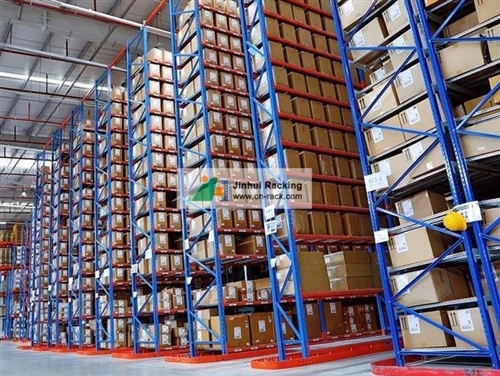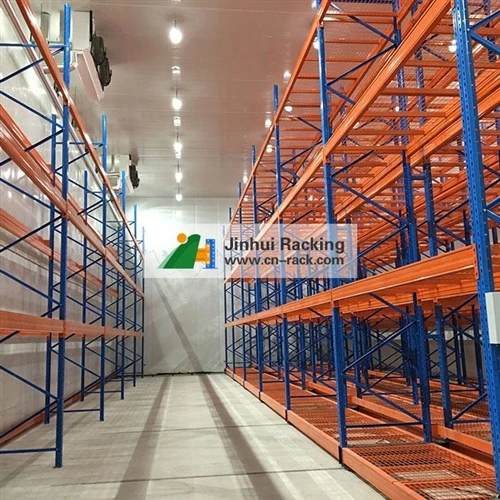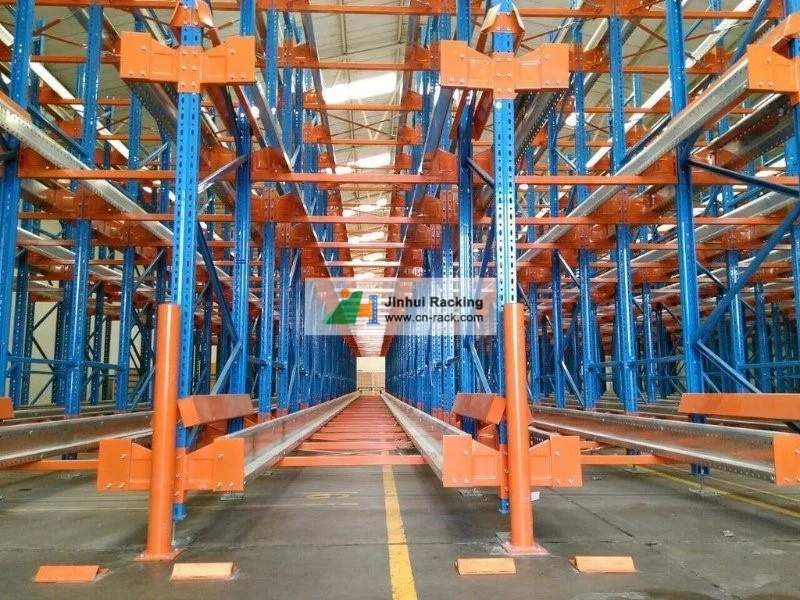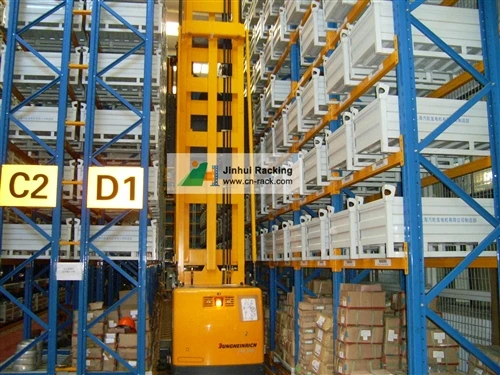

Let's talk about something that's been a game-changer for so many warehouses I've worked with over the past few years: radio shuttle racking. When I first started talking to warehouse managers about this system, most were stuck in the same old cycle-cramped storage, wasted labor, and frustrating order picking delays. Now, after seeing firsthand how Warehouse Shuttle System transforms operations, I can confidently say it's one of the most impactful upgrades you can make for your warehouse efficiency.
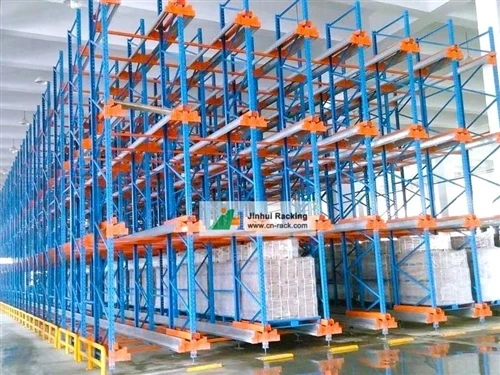
Let's break this down without all the jargon, because I know no one wants to read a boring whitepaper when they're stressed about hitting monthly order targets. First, let's get on the same page: what even is radio shuttle racking? Unlike traditional pallet racking where you (or a forklift driver) has to lift pallets into every single slot manually, this system uses those little, automated shuttles-think of them as tiny, smart forklifts on rails inside your racking bays. The shuttle glides back and forth along the rack's depth, carrying pallets right to where the driver needs them, so you don't have to waste time maneuvering big forklifts down narrow aisles or fumbling with tight spaces. That's the basics, but let's dive into the efficiency gains that actually move the needle.
First up: space utilization. If your warehouse is anything like the 10+ facilities I've consulted with, you're probably staring at unused vertical space and struggling with how to fit more pallets without expanding your facility. Traditional double-deep racking uses aisles that are way too wide, and drive-in racking can only have one driver working at a time (hello, bottlenecks!). Radio shuttle racking solves both. Because those shuttles work inside the rack bays, you can shrink aisle widths from 12+ feet to just 5–6 feet in many cases-no more wasting square footage on dead space between rows. Plus, the system uses 100% of the rack's depth, so you can stack pallets 10, 12, or even 15 deep without a single lost slot. For warehouses handling SKUs with high storage density needs (like frozen food, beverage, or consumer goods), that's a massive win. I worked with a mid-sized beverage distributor last year that cut their total floor space usage by 28% just by switching to radio shuttle racking-no new building, no big lease hikes, just smarter use of what they already had. That's money straight back into their pocket.
Next, labor efficiency. Let's be real: forklift drivers are expensive, and their time is valuable. With traditional racking, a driver might spend 30–40% of their shift just driving around the warehouse, waiting to unload or load pallets, or maneuvering in tight aisles. With radio shuttle racking, that work is taken over by the shuttles. Drivers don't have to do any of the deep-lift heavy work-they just park the forklift at the front of the bay, send the shuttle a signal (via a simple remote or warehouse management system, WMS), and the shuttle does the rest. A study by a group of warehouse operations managers I follow found that this cuts forklift labor time by up to 50% because drivers spend way less time traveling and more time on tasks that actually add value. Even better, the risk of forklift accidents plummets-less time in tight aisles means less dented pallets, damaged racks, or near-misses. One client told me they reduced their forklift-related downtime by 70% in the first quarter after switching, which translated to 12 extra hours of operational time each week. That's huge for meeting tight order deadlines.
Wait, but what about order picking? A lot of people assume radio shuttle racking is only for storage, but that's not true. The real superpower here is how it integrates with inventory management-especially with Automatic Storage Radio Pallet Shuttle Racking System Manufacturer gear, which syncs directly with your WMS. This is where things get game-changing for efficiency. For example, if you use the LIFO (last-in, first-out) or FIFO (first-in, first-out) rotation-both critical for perishable goods or products with expiration dates-this system handles that automatically. No more manually tracking which pallets go where, no more human error that leads to expired stock or order mistakes. If you need FIFO for your food or pharma SKUs, the Fifo System Shuttle Rack Radio Shuttle Manufacturer Warehouse Storage Racks Move Shuttle Pallet Rack System setups make this seamless: the shuttle pulls the oldest pallet first for shipping, so you never have to deal with dead stock from outdated inventory. I've seen warehouses cut order picking errors by up to 90% with this automation, because there's less guesswork and more precision. For e-commerce or 3PL warehouses where order accuracy is everything, that's a massive competitive edge.
Let's address the elephant in the room, though: is this system worth the investment? I know upfront costs can scare some people off, but here's the thing-radio shuttle racking pays for itself in 2–3 years on average, especially when you factor in the savings from space, labor, and reduced waste. Think about it: if you don't have to move to a bigger warehouse, that's hundreds of thousands of dollars in new lease or construction costs. If you cut labor costs by half, that's thousands in annual savings. And the reduced inventory waste? For perishable goods, that alone can cover a big chunk of the system's cost. I had a client in the frozen food industry who was throwing away $50k a year in expired product before switching. After installing radio shuttle racking with FIFO sync, they cut that waste to less than $5k-so the system paid for itself in 18 months. That's a no-brainer, right?


But wait, not all radio shuttle racking is created equal. If you go with a cheap, off-brand system, you might run into issues with shuttle reliability, compatibility with your existing WMS, or maintenance headaches. That's why working with a reputable manufacturer matters. The Smart Automated Warehouse Storage setups, for example, are designed to integrate smoothly with most modern WMS, and the shuttles are built with durability in mind-we're talking industrial-grade components that can handle heavy pallets (up to 2,500 kg per pallet in most cases) and long shift hours without breaking down. I've seen some budget shuttles that break down after 6 months, leading to more downtime than they solved. Investing in a quality system like the Shuttle Racking High Performance Warehouse Storage Racks Radio Shuttles Assemble Logistic Equipment Shuttle Rack setup means less maintenance, fewer repairs, and consistent efficiency gains year after year.
Another bonus: scalability. A lot of warehouses grow faster than they expect, and adding new storage later can be a nightmare. With radio shuttle racking, you can easily expand your system by adding more shuttle units or extra rack bays without reconfiguring your entire warehouse. That's not true for older racking systems, where expanding usually means tearing down and rebuilding rows. For small to mid-sized warehouses that want to grow without big disruptions, this flexibility is a huge plus.
Now, let's be real-radio shuttle racking isn't for every warehouse. If you handle a ton of full-pallet SKUs with fast-moving, low-density inventory, or if you have very irregular pallet sizes, it might not be the best fit. It shines brightest for warehouses with dense, similar-sized pallets, high storage density needs, and a focus on reducing labor and space costs. But for most warehouses I've worked with, the pros far outweigh the cons.
At the end of the day, warehouse efficiency is all about cutting waste-of space, time, labor, and inventory. Radio shuttle racking does that better than most traditional systems I've seen. If you're tired of dealing with cramped aisles, slow forklift operations, or inventory waste, it's worth looking into. We've helped dozens of warehouses upgrade their systems, and the feedback is always the same: they wonder why they didn't do it sooner.
If you're ready to stop guessing at your warehouse's potential and actually boost efficiency, we're here to help. Reach out to us to talk through your specific needs, whether you're a small 3PL or a large distribution center. We can walk you through how the system works, customize it to your SKUs and operations, and help you see exactly how much you can save.
References
- Warehouse Efficiency Benchmark Report, 2023, Material Handling Industry Association
- Automated Storage and Retrieval Systems (AS/RS) Cost-Benefit Analysis, 2022, Logistics Management Magazine
- Radio Shuttle Ricking Implementation Case Studies, 2023, Modern Materials Handling Journal
- Labor Productivity in Automated Warehouse Operations, 2024, International Journal of Logistics Research and Applications