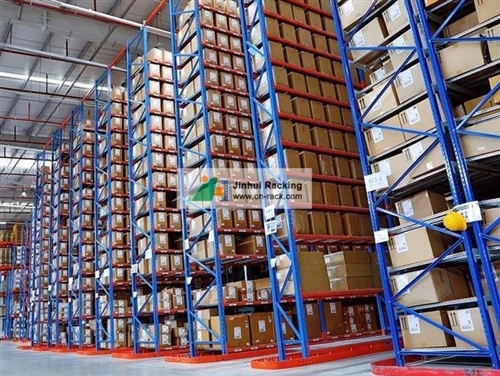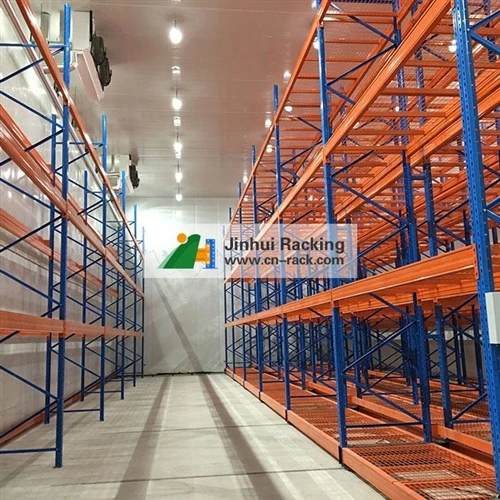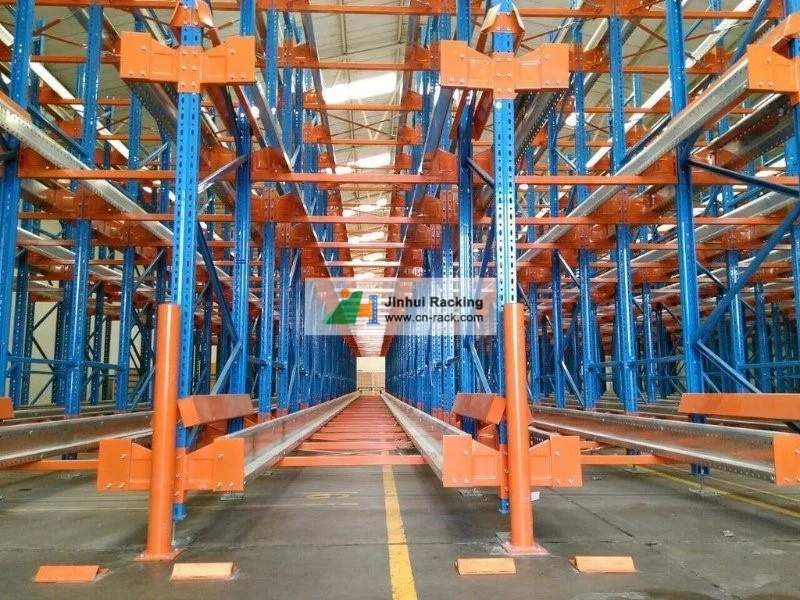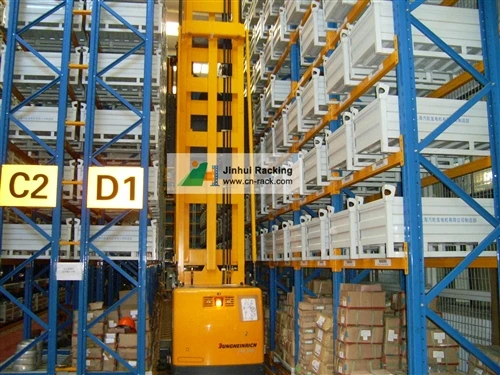

If you've ever spent time in a busy warehouse, you know how tricky it can be to balance high storage density with smooth, efficient order picking. That's where radio shuttle racking comes in-game-changing gear that solves so many common storage headaches, right? I'm the owner of a racking supply company that's worked with warehouses big and small over the past decade, and one question I get all the time is: "What are the types of radio shuttle racking?"
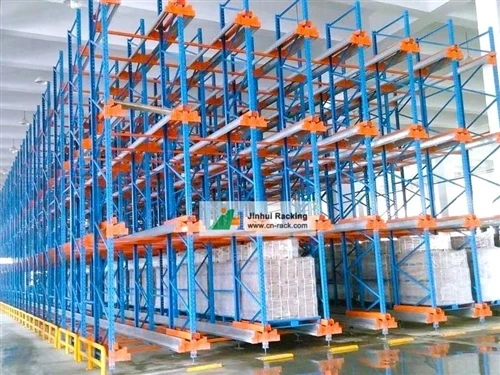
Let's cut through the jargon first. Radio shuttle racking is a type of pallet storage system that uses a remote-controlled (or "radio-controlled") shuttle vehicle to move pallets along pre-installed rails in racking bays. It's way more flexible than traditional drive-in racking, and it's built for facilities that need to maximize vertical and horizontal space without slowing down operations. At its core, all radio shuttle systems revolve around that shuttle unit doing the heavy lifting, but there are key variations depending on your warehouse's needs, inventory type, and picking style. I've helped dozens of clients pick the right type, so let's break them down like we're chatting over a coffee (no stuffy industry lingo, promise).
First up, the most common type I get asked about: Standard Shuttle Pallet Racking System. This is the workhorse of radio shuttle tech, perfect for most mid-sized warehouses that handle a mix of SKUs, especially those using the FIFO (First-In, First-Out) picking method. Here's how it works: you install tall rack bays with two parallel rails on each level. The shuttle slides into the bay, grabs a loaded pallet (or an empty one), and moves it along the rails to either the front of the rack for picking or the back for storage. The cool part? You don't need a forklift driver to drive deep into the rack-they just drop pallets at the bay entrance and wait for the shuttle to move them. This is a huge win for reducing forklift damage, since drivers don't have to navigate tight, dark rack aisles. I wrote up a deep dive into this specific system over on our site, so check out the Shuttle Pallet Racking System for specs, use cases, and real client success stories. A lot of grocery and beverage warehouses swear by this standard type because their inventory uses FIFO and they need to pack as much as possible into high-ceiling spaces.
Next, we have the Warehouse Shuttle System, which is basically the modular, scalable version of the standard setup. Wait, hold on-don't mix this up with the standard type. The standard shuttle is designed for fixed rack bays, but this modular version lets you adjust the number of shuttle units per bay based on your inventory volume. Let's say you have a warehouse that gets busy during holiday seasons, so you need to move more pallets at peak times, then scale back during slow months. This type lets you rearrange the shuttle units without dismantling the entire rack structure, which saves so much time and money. I had a client that did seasonal retail inventory last year-they switched from fixed drive-in racking to this modular warehouse shuttle system, and they cut their loading time by 35% and reduced pallet damage by almost half. If you're worried about long-term flexibility, this is a solid pick, and you can learn more about it on our Warehouse Shuttle System page.
Now, if you're looking to level up your warehouse into something almost autonomous, the Automatic Storage Radio Pallet Shuttle Racking System is the type you need. This isn't just a remote-controlled shuttle-it's a fully integrated automated system that talks to your warehouse management software (WMS). So, when an order comes in, the WMS sends a signal to the shuttle to grab the correct pallet, move it through the rack, and deliver it to the shipping dock, no human input (well, except for setting up the system). This is for large-scale warehouses, e-commerce fulfillment centers, or 3PLs (third-party logistics providers) that handle hundreds of orders a day. I worked with a national e-commerce client last year that upgraded to this automated system, and they reduced their order picking time by 60% and cut labor costs by 40%. The shuttle is battery-powered, has collision sensors, and can run 24/7, which is perfect for operations that need to keep up with fast-paced demand. If you're curious about how this works with WMS integration, our page for the Automatic Storage Radio Pallet Shuttle Racking System has all the tech details.
Wait, there's another type that's been blowing up lately for facilities that need maximum performance without the super-automated price tag: Shuttle Racking High Performance Warehouse Storage Racks Radio Shuttles Assemble Logistic Equipment Shuttle Rack. Let me explain-this is basically the heavy-duty variant of the standard shuttle system, built for warehouses that handle very heavy or very dense inventory, like heavy machinery parts, bulk raw materials, or construction supplies. Unlike standard shuttles that can handle pallets up to around 3,000 lbs, these high-performance shuttles are rated for up to 5,500 lbs per pallet. They have reinforced rails, thicker shuttle frames, and more powerful motors to handle the extra weight without slowing down. I had a construction supply client that was using traditional forklifts to move heavy steel beams into storage, and they had a lot of pallet damage and forklift accidents. Switching to this high-performance shuttle racking cut their accident rate to zero and reduced their storage aisle space by 25%. If you're dealing with heavy, bulky inventory, this is the type you want, and you can check out the Radio Shuttle Racking System page for weight capacities and compatible inventory types.
Oh, and I can't forget to mention the type that ties all these together for forward-thinking facilities: Smart Automated Warehouse Storage. Wait, is this a separate type? Sort of-it's the overarching category that includes the automated shuttle systems, but it's worth calling out because it integrates radio shuttle racking with other smart tech like IoT sensors, real-time inventory tracking, and even automated forklifts. For example, the shuttle's battery has an IoT sensor that tells the WMS when it needs to be charged, so there's no downtime mid-shift. Inventory levels are updated in real time, so you never run out of stock or overstore. This is perfect for warehouses that want to reduce human error, optimize storage space, and keep up with the demand for fast, accurate order fulfillment. I have a friend who runs a cold storage warehouse (super tight space and strict temperature rules) that upgraded to a smart automated system with radio shuttle racking, and they cut their food spoilage by 15% because they could track inventory expiration dates in real time. You can learn more about how smart tech works with shuttle racking on our Smart Automated Warehouse Storage page.


A quick note, since I get this question a lot: how do you pick the right type for your warehouse? It all comes down to three things: your picking method (FIFO vs. LIFO, Last-In, First-Out), your inventory weight and size, and how much flexibility you need long-term. Standard shuttle pallet racking is best for small to mid-sized warehouses with FIFO inventory, warehouse shuttle system is for those needing flexibility, automatic shuttle is for large-scale 24/7 operations, high-performance shuttle is for heavy inventory, and smart automated is for facilities wanting to integrate with full warehouse tech.
At the end of the day, radio shuttle racking isn't one-size-fits-all-each type is built to solve a specific warehouse pain point. I've seen clients waste thousands of dollars picking the wrong type, so it's worth taking time to assess your needs before jumping in.
If you're curious to learn more, or want to chat through what type would work best for your facility, our team is here to help. We've worked with warehouses of all sizes, from small local operations to large national brands, and we can help you find the right system that fits your budget and goals. Reach out to our team today to discuss your storage needs and get a custom quote.
References:
- Modern Materials Handling. (2022). Radio Shuttle Racking: A Guide to Types and Applications.
- Warehouse Education and Research Council (WERC). (2023). Automated Storage Solutions for Modern Warehouses.
- Logistics Management Association. (2021). Optimizing Storage Density with Radio Shuttle Technology.
- Pallet Rack Manufacturers Institute (PRMI). (2022). Heavy-Duty Racking Systems for Industrial Inventory.
- Supply Chain Digest. (2023). Smart Warehouse Tech: Integrating Racking Systems with WMS and IoT.