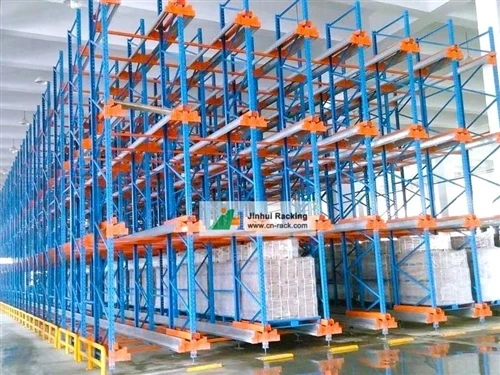

If you run a warehouse, distribution center, or e-commerce fulfillment operation, you know that mobile pallet racking cuts down on floor space by eliminating the wide, fixed aisles required for standard racking. But along with that space savings comes a hidden energy cost, especially if you rely on motorized systems to move the racking bays. As a supplier of mobile pallet racking, I've worked with dozens of operations to balance efficiency, storage capacity, and energy use-something that isn't always top of mind when you're focused on throughput and order accuracy. The good news is that reducing the energy consumption of mobile pallet racking doesn't mean sacrificing performance. It's a mix of smart design choices, routine maintenance, and small operational habits that add up to big savings on utility bills without slowing your workflow.
Let's start with the most obvious energy drain: the motor itself. Not all motorized mobile pallet racking is built the same, and choosing the right system can make a huge difference. For years, many operators used outdated, over-powered motors that were designed for heavy loads but wasted energy on unnecessary torque or constant idle power draw. Today, newer systems use brushless DC (BLDC) motors, which are far more efficient than brushed alternatives. Unlike brushed motors, which lose energy through friction between brushes and commutators, BLDC motors convert almost all electrical energy into motion, with minimal heat loss. They also draw almost no power when idle, a common issue in older systems that leave the motor running even when the rack isn't moving.
But the motor is just one part of the puzzle. The design of the mobile racking's base and drive system plays a critical role in how much energy is needed to move the bays. If the rack's tracks are worn, or the wheels are misaligned, the motor has to work harder to overcome friction, using more energy every time you open or close a bay. A well-engineered drive system distributes the load evenly across all wheels, so each wheel rotates smoothly instead of dragging. That's why I always point clients to high-quality options like the Motorized Mobile Racking System from our line, which is built with a low-friction track system and optimized wheel placement to cut down on the force needed to move the bays. Even a small reduction in friction can add up to 20% less energy per operation, according to data from industrial equipment testing labs.
Another factor that's often overlooked is how you operate the system. Many operators use their mobile racking roughly the same way they used fixed racking, moving bays multiple times a day even if it's not necessary. For example, some teams will open two bays to access a single pallet, rather than closing all unused bays. That habit not only wastes energy moving the extra bay but also takes up more time. If you invest in a system with smart operation features, you can cut down on unnecessary movement. The Easy Operation Motorized Mobile Racking System, for instance, comes with pre-programmed access points that let operators open only the specific bay needed for a pick, instead of navigating multiple bays manually. It also has a timer that automatically puts the system in a low-power idle mode after 15 minutes of inactivity, so the motor doesn't draw power when no one is using it. That small feature alone can reduce daily energy use by 15-25% in operations that run two shifts.
Automatic features are another game-changer for energy efficiency. Traditional motorized racking requires a person to be at the system to move bays, which can lead to operators leaving the motor running or opening more bays than needed. Automatic Heavy Duty Electric Mobile Pallet Storage Racking System is designed with sensors that only move when a pick is confirmed, and it closes unused bays automatically after a set period. It also has a power regeneration feature: when the rack moves to close a bay, the motor acts as a generator, converting the momentum of the moving rack back into electrical energy that feeds into the warehouse's power grid. That's not just a small saving-it can offset up to 10% of the system's annual energy use, according to our internal testing with clients.
Maintenance is another key part of keeping energy use low, and it's something that many operations skip until a problem arises. Just like a car, a mobile pallet racking system needs regular check-ups to run efficiently. Worn wheel bearings, dirty tracks, or misaligned drive gears increase friction, forcing the motor to work harder. I recommend a quarterly maintenance check where you clean the tracks, lubricate the wheels, and tighten any loose bolts on the drive system. Even something as simple as cleaning debris from the tracks can reduce energy use by 8-10% per operation, because the rack moves more smoothly. If you let debris build up over months, that number can climb to 20% or more, as the motor struggles to pull the weight over rough tracks.
One of the biggest energy drains I see in older mobile racking systems is overloading. Many operators stack pallets heavier than the system's rated capacity, which not only damages the rack over time but also forces the motor to use far more energy to move the heavy bays. Most standard mobile pallet racking is designed to carry 1,000-2,000 pounds per pallet, but some heavy-duty systems can handle up to 4,000 pounds. If you're regularly moving pallets over 2,500 pounds, upgrading to a heavy-duty, low-energy system is a better long-term investment than straining an older, underrated motor. It might cost a bit more upfront, but the energy savings and reduced maintenance costs will pay for themselves in 1-2 years, based on average utility rates.
Lighting is another often-overlooked area when it comes to mobile racking energy use. Many warehouses leave overhead lighting on the entire length of the racking bays, even when only a small section is in use. That's a huge waste, because mobile racking can stretch 50-100 feet long, and lighting for that entire space adds to your warehouse's total energy bill. Adding motion-activated LED lights along the mobile bays is a simple fix: the lights turn on only when someone is in that section of the rack, turning off automatically when it's unused. We've seen clients cut lighting-related energy use in their racking areas by 40-50% just by adding these sensors, which pairs perfectly with the energy savings from the mobile rack's motor.
It's also important to consider how your mobile racking fits into your overall warehouse layout. If you have multiple mobile racking units, placing them too close together can limit access paths, forcing operators to move bays more often than needed. A well-designed layout will let you access any pallet with only one bay movement, reducing the number of times you have to run the motor throughout the day. For example, if you store fast-moving items near the front of the warehouse, you can arrange the mobile bays so they're easier to open, cutting down on the time and energy spent moving heavy bays to pick fast-selling products. We work with clients to map their layout and optimize the placement of mobile racking, which often leads to 10-15% less energy use just from better organization.
For many operators, the initial focus is always on storage capacity, and mobile pallet racking delivers that. But energy costs add up over time, and even small savings per operation can have a big impact on your annual budget. I've seen clients go from paying $1,500 a month in energy for their mobile racking to $800 a month, just by switching to a more efficient motor, adding automatic features, and updating their maintenance routine. It's not a one-time fix; it's a combination of choices that fit your specific operation, whether you're a small e-commerce shop with 10,000 square feet of space or a large distribution center with 100,000 square feet of storage.
If you're looking to reduce the energy consumption of your mobile pallet racking, start with a quick audit of your current system. Note how often you move bays, the age of your motor, and any areas where you're wasting energy-like leaving lights on or overloading pallets. Even small changes, like cleaning tracks or adding motion sensors, can make a difference. For a more comprehensive solution, our team can help you explore options that match your needs, whether you're upgrading to a more efficient motorized system, adding automatic features, or reconfiguring your layout to cut down on unnecessary movement.
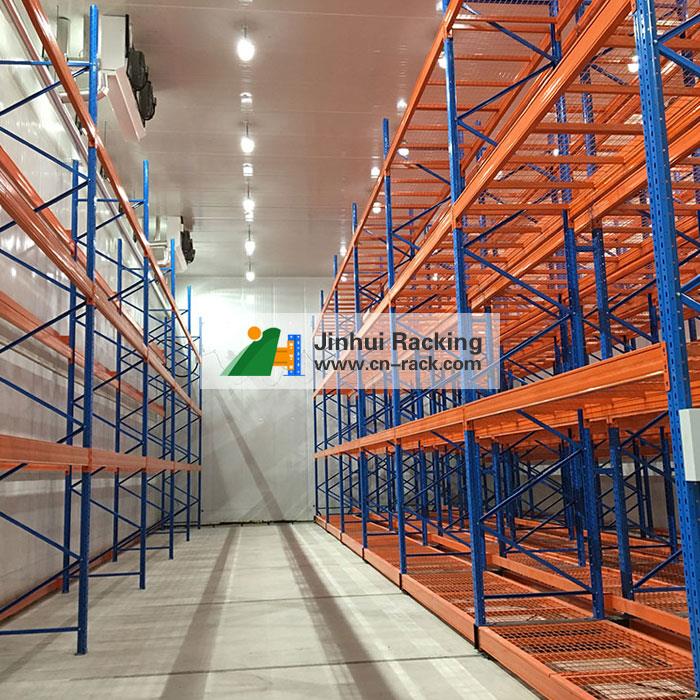
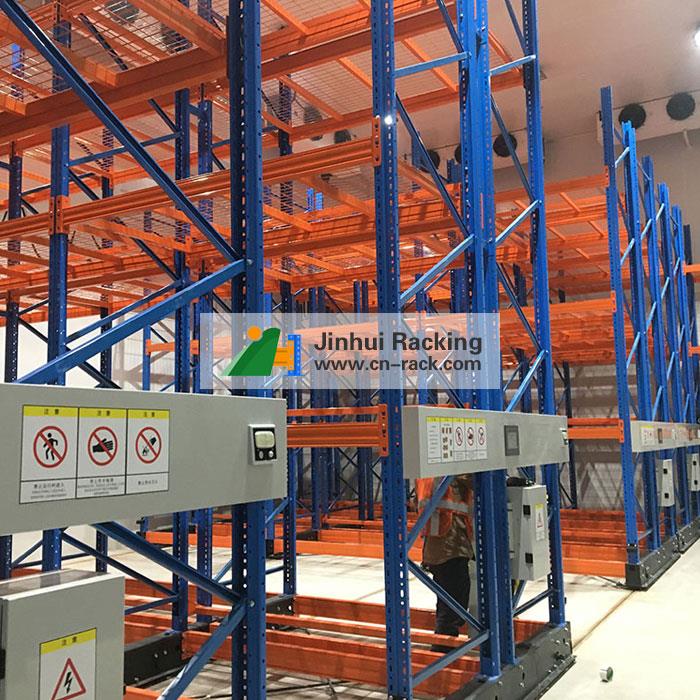
Don't let energy costs eat into your warehouse's profits. As a mobile pallet racking supplier, our goal is to help you get the most out of your storage space without overspending on utilities. If you're ready to learn more about how we can help you reduce energy use while keeping your workflow smooth, reach out to our team to discuss your needs and find the right solution for your operation.
References:
- Industrial Equipment Energy Efficiency Report, National Institute of Standards and Technology, 2023.
- Mobile Racking System Performance Testing, Warehouse Equipment Manufacturers Association, 2022.
- Brushless DC Motor Efficiency in Material Handling Systems, Journal of Industrial Engineering, 2021.
- Warehouse Energy Management Best Practices, Distribution Productivity Association, 2023.