
Hey everyone, it's Jake from the pallet flow racking team-you know, the guys who help warehouses stop wasting space and start moving pallets like they're supposed to. If you've ever messed with pallet flow before, you know the slope is make-or-break. Too steep, and pallets zoom right off the rails like they're on a rollercoaster; too shallow, and they get stuck mid-run, turning your compact storage area into a parking lot for dead stock. I've seen it happen more times than I can count-last quarter, a client in Columbus had 12 pallets of frozen veggies jammed because their slope was off, costing them a whole shift. Today, I'm breaking down exactly how to adjust that slope right, no fancy engineering degree required.
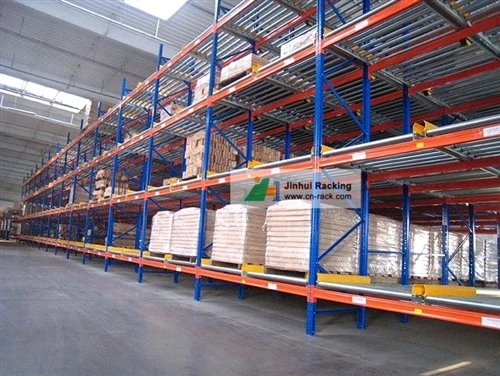
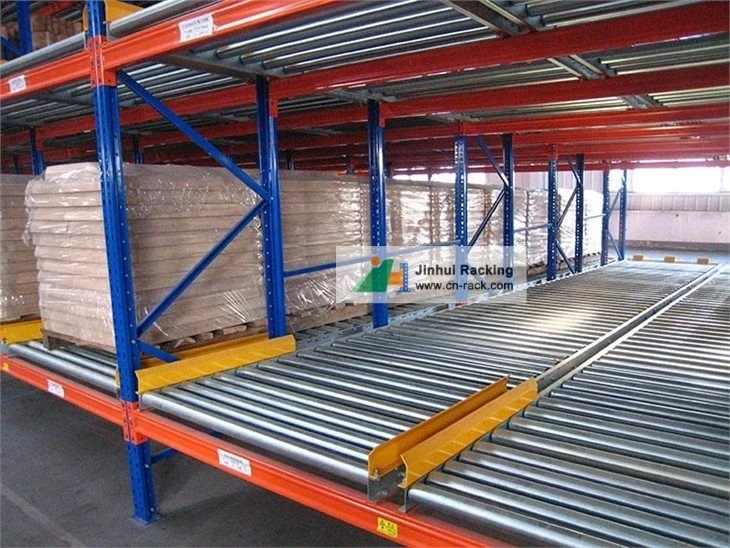
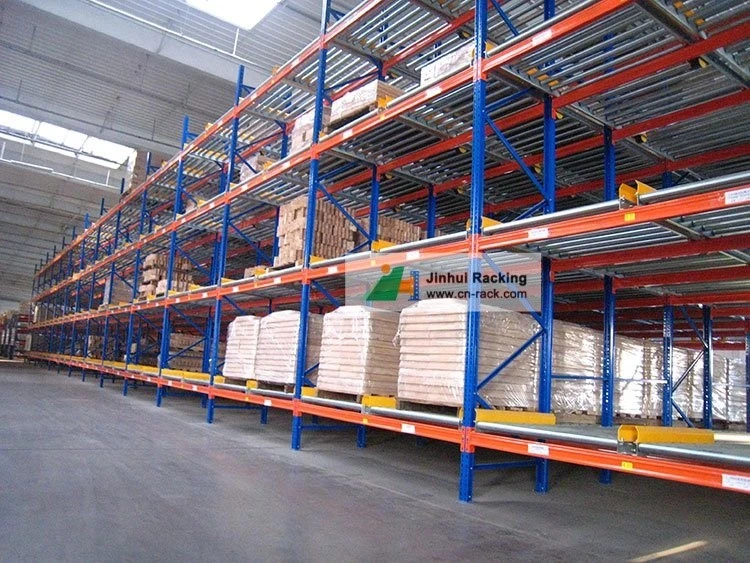
First off, let's circle back to basics: why does slope even matter here? Pallet flow works on gravity, duh. The rack has inclined rails (called lanes) that let full pallets roll from the "load end" (where you drop new stock) down to the "pick end" (where you pull old stock). The right slope makes sure pallets move consistently-fast enough to get to the pick spot when it's time, slow enough so they don't slam into each other or fly off. Too steep? Pallets might tip, damage the product, or even crack the rack itself. Too flat? Forklift drivers get stuck refueling their trucks instead of moving pallets, and inventory turns slow way down.
Before you even touch a wrench, grab two things: a level (the long, bubble kind for big surfaces, not the tiny one in your toolbox) and a tape measure. Also, take a quick look at the pallet flow lane itself. What's the pallet size? (Standard 48x40 is most common, but we work with custom sizes too.) What's the product weight? Cardboard boxes? Plastic totes? Metal parts? Heavy machinery parts? Weight changes everything. Oh, and check the condition of the rollers-they should spin smooth, no dents, no stuck grease. Skip this step, and you're just guessing, not working like a pro.
Now, the actual adjustment part. Here's the general rule of thumb I've leaned on for 8 years in this game: for every foot of rack length, you need about 1/4-inch to 1/2-inch of slope. Wait, let's make that specific-if your lane is 10 feet long, that's 2.5 to 5 inches of total drop from load end to pick end. Yeah, that sounds like a lot, but trust me. If you've got heavy pallets (1,500 lbs or more), stick to the lower end (1/4-inch per foot) so they don't go flying. Light pallets (under 500 lbs) can hit the higher end (1/2-inch per foot) so they move enough without getting stuck. If you're working with mixed weights? Split the difference, or test with the heaviest one first-those are the ones that mess you up.
But here's the thing: your rack's support beams (the ones that hold the flow lanes) might not be perfectly level on install, or they could shift a little over time from forklift impacts or heavy loads. That's where the fine-tuning comes in. Most pallet flow racks have adjustable feet or shims under the support legs. Start by placing your level on the top of the load end rail. Bubble in the middle? Good. If it's tilted down towards the pick end, that's your slope-just check the math. If it's not, grab a shim (they're thin metal or plastic wedges, super cheap) and slip it under the lowest support leg at the load end. Don't overdo it-add one small shim at a time, rechecking the level and your per-foot slope as you go. Pro tip: if your lane has multiple support points, adjust each one equally so you don't end up with a kink in the rail-kinks are a one-way ticket to jam city.
Wait, hold on-should you adjust the pick end instead? No, that's a common mistake. The load end is the high point, so making that higher tilts the whole lane down, which is exactly what you want. Adjusting the pick end would just mess up the balance and make pallets roll too fast or too slow. Another mistake I see? Skipping test runs. Once you've got the slope set, grab a test pallet with the same weight, same size, same packaging as what you'll actually be storing. Set it at the load end, step back, and let it go. Watch it all the way to the pick end-does it move smooth? No stops, no jerks, no tipping? Great. If it slows down halfway, stick a small shim under the middle support to add a little more slope. If it slams into the pick end hard enough to rattle the whole rack, you've got too much slope-take a shim out from the load end until it's softer.
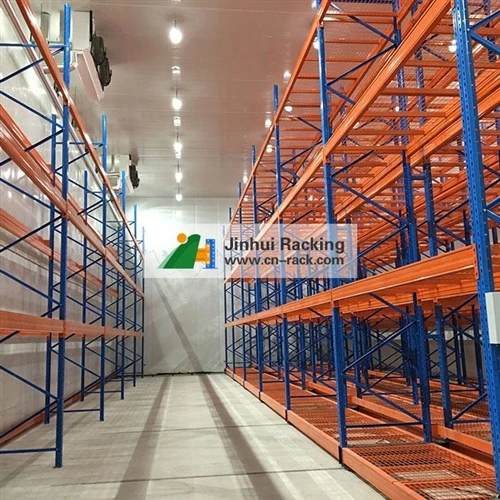
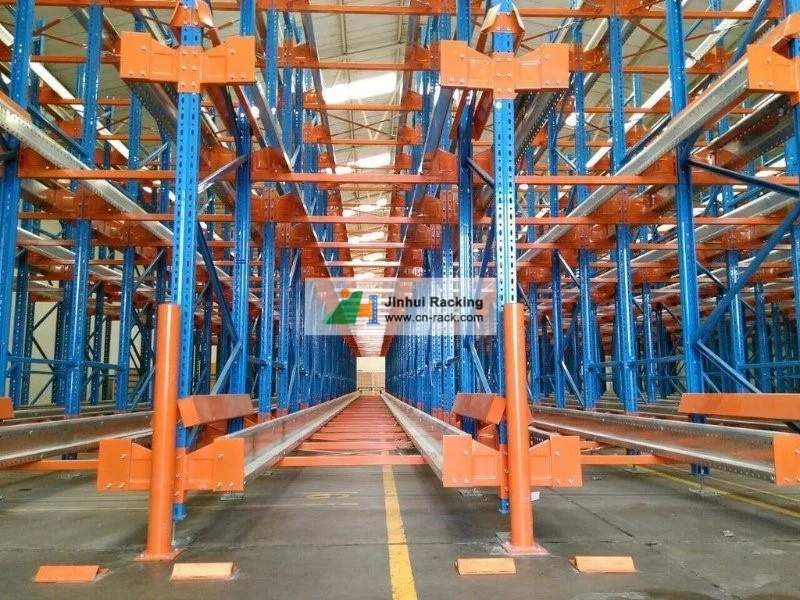
Now, let's talk about when you might need to adjust for different products. Last year, we got a request from a auto parts warehouse that had mixed pallets: some full of heavy engine blocks, others with light plastic trim pieces. They were having issues-heavy ones got stuck, light ones zoomed off. We didn't just tweak the slope; we suggested adding lane separators so they could split the weights into separate lanes. If your warehouse has that kind of mix, check out our compact storage solutions-like the Warehouse Steel Storage Draw-out Racking and Shelving here, which lets you customize lanes for different pallet sizes and weights without redoing the whole rack. That's a game-changer for multi-product facilities.
Another scenario: seasonal changes. I worked with a grocery distributor last month that adjusts their pallet flow for holiday pallets-around Thanksgiving, they're full of heavy frozen turkeys, so they drop the slope a little to keep them from moving too fast. In the summer, they get lighter produce pallets, so they bump the slope up a touch. Small adjustments, big payoff. You don't need to rework the whole rack-just swap out a couple shims, or add a thin shim where needed.
Wait, let's cover the maintenance side too. Slope doesn't stay perfect forever. Every 6 months, schedule a quick check. Why? Forklifts bump the support legs, pallets can scuff the rails and add drag, rollers get gunked up with dust or debris. Last week, a client in Detroit had a jam that turned out to be a dead roller-we fixed the roller and adjusted the slope back to its original setting, and they were good to go. If you're having consistent jams that aren't from weight, check the slope first before you call a repair tech-9 times out of 10, that's the issue.
Also, if you're working with heavier industrial pallets, like the kind used for mold storage, you might need a more heavy-duty setup. Our Heavy Duty Storage Drawer Racking Industrial Mold Rack System has built-in adjustable slope that's calibrated for those super-heavy loads, so you don't have to mess with shims every week. It's built to last, and the slope is set at install to avoid future adjustments, but it can be tweaked if your storage needs change.
Here's a quick checklist to keep handy, so you don't forget anything:
- Grab your level, tape measure, and test pallets (match actual product weight/size)
- Calculate target slope: 1/4" per foot (heavy) to 1/2" per foot (light)
- Adjust only the load end (add/remove shims)
- Recheck level and slope after every shim change
- Test run with your actual pallet-no guesswork here
- Do a slope check every 6 months (or after big forklift impacts)
- If you've got mixed weights or heavy products, look into specialized racking to make adjustments easier
I know a lot of warehouse managers try to wing this, but I've seen winging go wrong way too many times. A well-adjusted slope cuts down on inventory damage, reduces forklift time, and keeps your whole operation running smooth. If you're not sure about your current slope, or you're looking for racking that makes slope adjustments easier, hit us up. We work with all kinds of warehouses, from small distribution centers to big automotive factories, and we'll help you get this sorted without the hassle. No cookie-cutter solutions, just stuff that works for your space.
Oh, one last thing-don't forget to account for pallet type. Wooden pallets are a little rougher than plastic ones, so they need a tiny bit more slope to roll. Plastic pallets are smoother, so they might get away with a little less. That's a tiny detail, but it can make the difference between a jam and a smooth run.
If you're ready to upgrade your pallet flow rack or get a custom setup that's easy to adjust, reach out to our team. We'll walk you through every step, no pressure, just real advice from people who've been in the warehouse trenches.
References
- Material Handling Industry Association. (2022). Pallet Flow Racking Best Practices for Gravity-Fed Storage. Retrieved from materialhandling.org
- Rack Manufacturers Institute. (2021). Adjustable Slope Guidelines for Gravity Rack Systems. Retrieved from rmi.org
- Warehouse Productivity Report. (2023). Common Pitfalls in Pallet Flow Racking Installation and Maintenance. Retrieved from warehousereport.com