
Installing flow racks can feel daunting if you're not familiar with warehouse storage systems, especially when you're looking to maximize space, speed up order fulfillment, and keep inventory organized. As a supplier of flow racks, we've helped hundreds of warehouses navigate the installation process smoothly, avoiding common mistakes that lead to delays, safety hazards, or underperforming storage. Whether you're outfitting a small e-commerce fulfillment center or a large distribution hub, this step-by-step guide will walk you through exactly how to install flow racks correctly, from pre-installation prep to final testing, with tips we've learned from years in the industry.
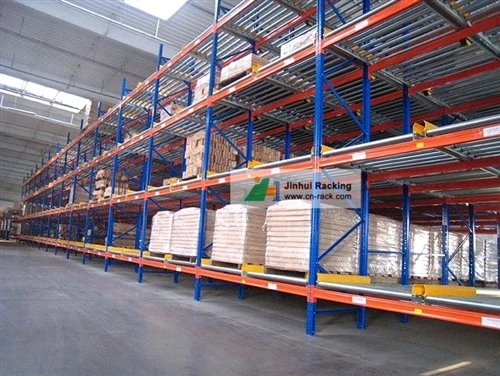
First, let's clarify what flow racks are, because not all systems are the same. Flow racks (also called gravity flow racks) use inclined rollers or rails to let pallets move from the back of a rack to the front automatically, following first-in, first-out (FIFO) inventory rotation. That means the newest pallets are loaded at the back, and the oldest ones slide forward to the picking position, eliminating the need for manual pallet movement and reducing order picking time. There are different types to choose from depending on your storage needs, and we recommend picking the right model before you even start installing. For high-volume, heavy-duty pallet storage, our High Capacity Storage System Pallet Flow Racking Gravity Flow Racking System is a top pick, designed to hold up to thousands of pounds per pallet while maintaining smooth, consistent movement. If you need something built for intense, daily use in high-traffic areas, our Heavy Duty Gravity Pallet Roller Racking is engineered to withstand constant pallet transfers without wear and tear. And for a versatile, easy-to-set-up option that balances capacity and efficiency, our Gravity Racking System for FIFO operations is a popular choice for warehouses upgrading their inventory workflows. Once you've selected the right system, the installation process breaks down into clear, manageable steps.
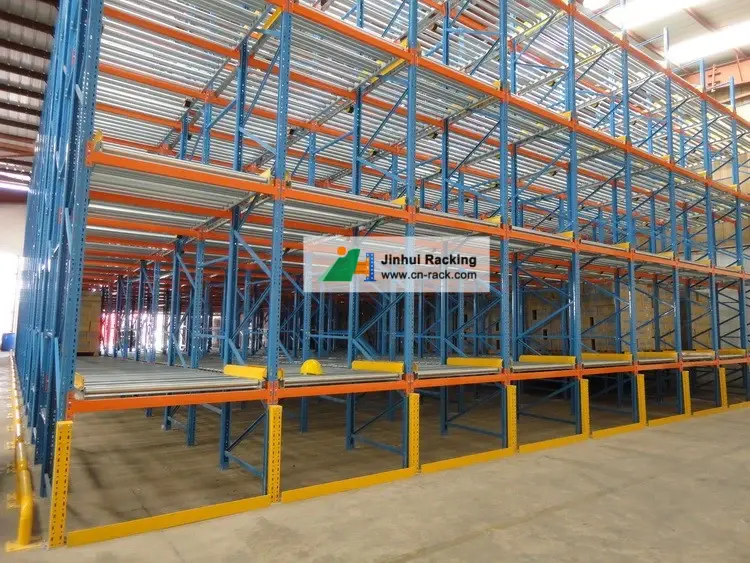
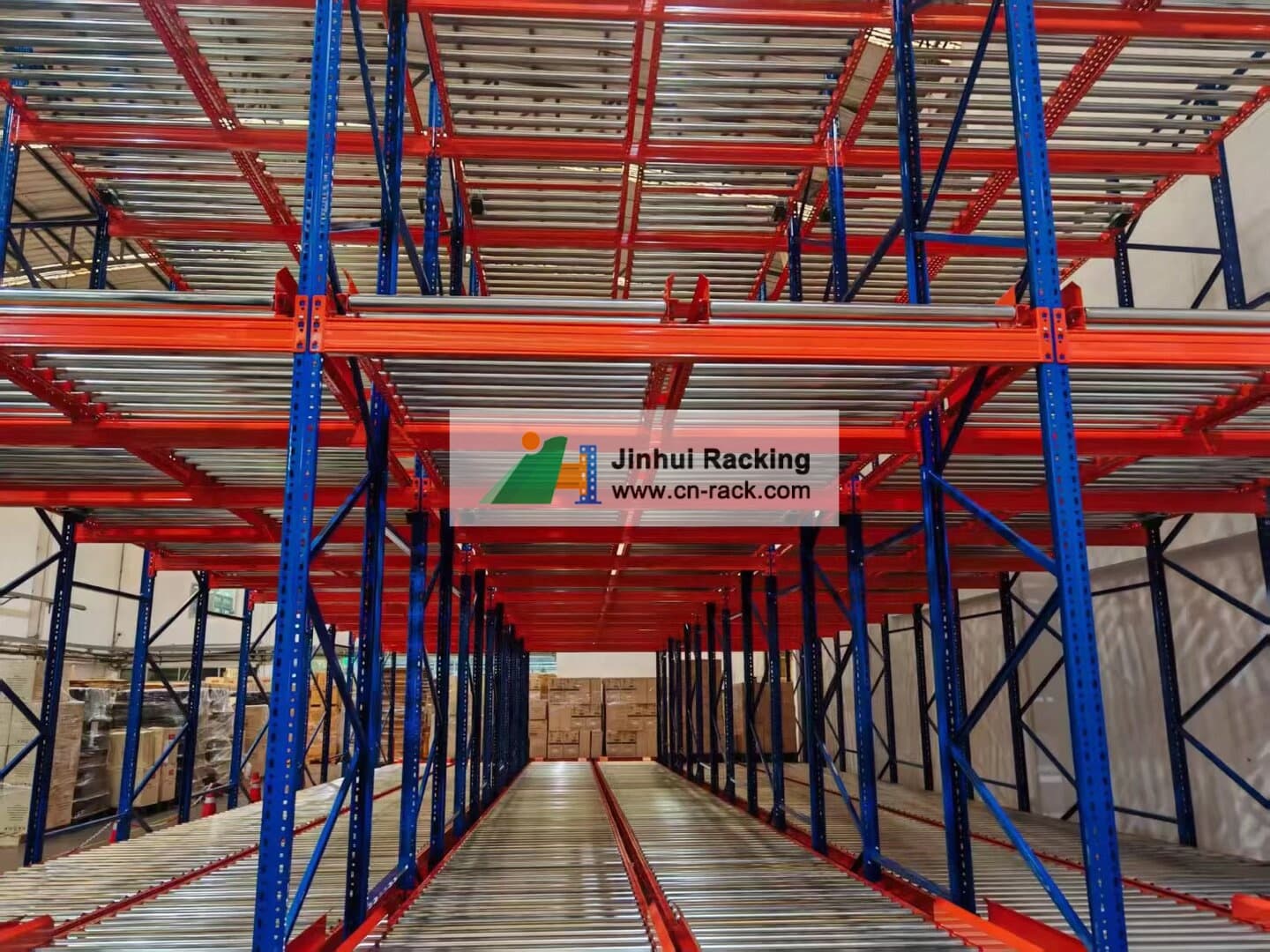
The first step, and the most often skipped one, is pre-installation planning and site preparation. Rushing this step is the number one cause of installation delays. Start by measuring your warehouse space: flow racks need specific clearance for the incline (usually a 3- to 4-degree slope for pallets to move without jamming) and for pallet maneuvering in picking aisles. You'll also need to check your warehouse's floor load capacity-flow racks are heavy, especially when fully loaded, so you'll need to ensure the concrete floor can support the weight of the racks plus the pallets. Next, map out your inventory layout: identify which products will use flow racks, how many pallets each SKU holds, and how fast they turn over. FIFO works best for perishables, fast-moving parts, or products with expiration dates, so make sure your rack layout aligns with your picking sequence. We also recommend notifying your warehouse team ahead of time: clear the area where the racks will go, move any existing inventory to a temporary storage spot, and schedule any downtime you might need-though with our systems, installation can often be done after hours to avoid disrupting daily operations. Finally, gather your tools and crew: you'll need a tape measure, level, wrench set, drill, safety harnesses (for working at height), and at least two or three trained installers-flow racks are large, so never try to install them alone.
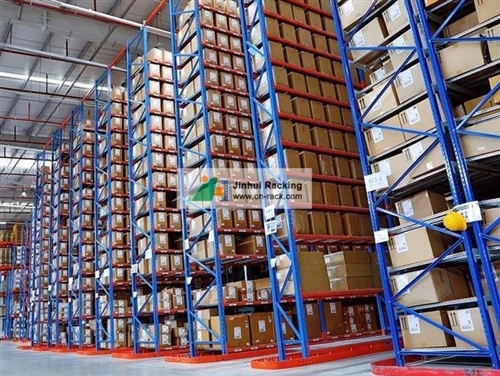
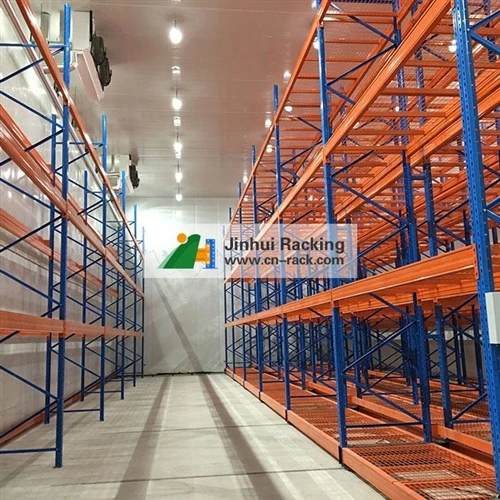
Next, assemble the rack frames and uprights. The frame is the vertical backbone of the flow rack, and it's critical to get this right because it supports the weight of the entire system. Start by laying out all your parts: upright posts (the vertical beams), horizontal beams, diagonal braces, and hardware like bolts and nuts. For most flow rack models, uprights come with pre-drilled holes to attach the horizontal beams and braces, which makes assembly faster. If you're working with a high-capacity system, make sure to use the heavy-duty hardware that comes with your kit-skimping on bolts here can lead to frames shifting or collapsing under load. As you assemble each frame, use a level to check that the uprights are perfectly plumb (vertical) and that the base is flat on the warehouse floor. If your floor has uneven spots, use shims under the upright bases to keep the frame straight-even a small tilt can throw off the roller slope later, causing pallets to jam. Once the frames are assembled, position them along the marked layout lines on your warehouse floor. Leave enough space between frames for your picking aisles (usually 3 to 4 feet, depending on your pallet size), and use a laser level to make sure all frames are aligned at the same height and along the same axis-misaligned frames will lead to uneven roller tracks and broken pallets.
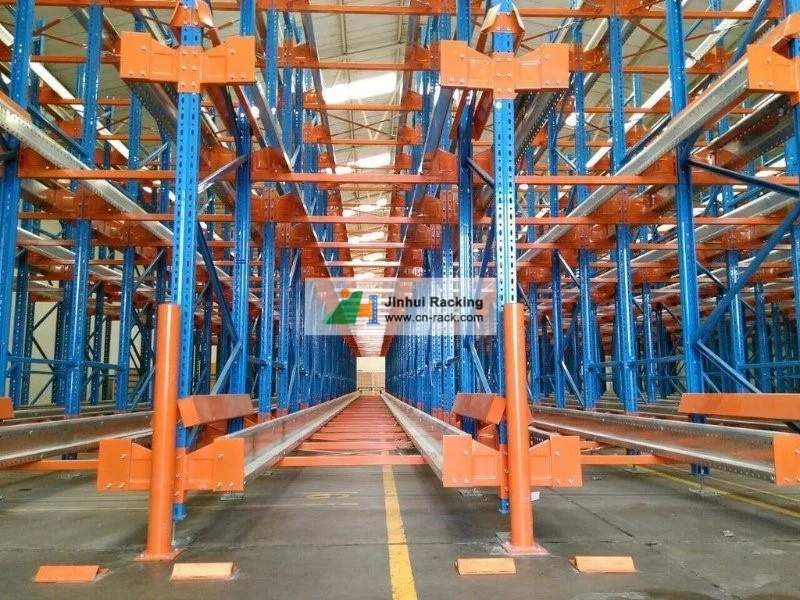
The third step is installing the flow rails or rollers, the part that makes the flow rack work. This is where your pre-planned slope comes into play. The incline is key: too steep, and pallets will move too fast, damaging products or workers; too shallow, and pallets won't move at all. For standard pallet flow, a 3-degree slope is ideal, but this can vary slightly depending on pallet weight and size. If you're using a gravity flow rack kit, it will usually come with riser brackets to adjust the slope easily. Start by attaching the flow rails to the horizontal beams on each frame: the back of the rails (where pallets are loaded) should be slightly higher than the front (where they're picked), matching your planned slope. Use a level to double-check the slope as you go-even a 1-inch difference over a 10-foot section can cause issues. For roller systems, make sure the rollers are evenly spaced and aligned so pallets don't get caught between them. If you're working with heavy-duty pallet rollers, double-check that each roller is secure in its bracket-loose rollers can bend or break over time. Once all rails are installed, add the end stops at the front of each lane: these are small brackets that keep pallets from sliding off the front of the rack when they're in the picking position. End stops are often overlooked, but they prevent costly pallet damage and safety hazards.
After the rails are in place, you'll need to install the decking for the top of the flow rack. Decking is the surface where pallets rest when they're not on the flow rails, and it's important to choose the right type for your inventory. For most standard applications, wooden or metal decking works fine, but for heavy, bulky pallets, we recommend using reinforced metal decking to prevent sagging. Lay the decking panels across the horizontal beams, making sure they're spaced tightly together so there are no gaps where pallets could get stuck. Secure each panel with bolts or clips to keep it from shifting when pallets are loaded. If you're working with a multi-level flow rack (some warehouses have 2 or 3 levels to maximize vertical space), make sure the decking between levels is strong enough to support the weight of pallets and workers if they need to access the top level. Finally, install any safety features: guardrails along the edges of the decking to prevent falls, and label each lane with the SKU it's assigned to-this makes picking faster and reduces errors.
The final step before putting the rack into use is testing and inspection. This is the most important step to catch issues before they cause problems. Start with a visual check: walk along every lane, make sure all bolts are tight, rails are aligned, slopes are correct, and end stops are in place. Then do a test run with empty pallets: load a pallet at the back of a lane and let it slide to the front. Does it move smoothly without stopping, tilting, or jamming? If it stops, your slope might be too shallow; if it moves too fast, the slope is too steep. Adjust the riser brackets as needed until the movement is consistent. Next, test with a full pallet: load a pallet with the maximum weight it's designed to hold (check your rack's specifications, which you'll find on our product pages like the High Capacity Storage System Pallet Flow Racking Gravity Flow Racking System), and run the test again. This ensures the rack can handle the weight of full pallets, not just empty ones. If you're working with a roller system, run a test with a slightly worn pallet (common in many warehouses) to make sure the rollers can handle uneven pallet bottoms. Finally, check for safety: make sure the picking aisles are clear, guardrails are intact, and all workers know how to use the flow rack properly-never let workers stand under pallets as they slide, and never overload lanes beyond the rack's capacity.
Installing flow racks doesn't have to be complicated, but it does require attention to detail and the right materials. We've seen too many warehouses cut corners on installation, leading to pallets jamming, products damaged, and even workplace injuries. Choosing the right system for your needs is the first key: if you're looking for heavy-duty use, our Heavy Duty Gravity Pallet Roller Racking is built to last, while the Gravity Racking System offers a cost-effective solution for FIFO workflows. Once you've got the right system, following these steps-pre-planning, assembling frames, installing rails, adding decking, and testing-will ensure your flow rack works as intended for years to come. If you're not comfortable installing it yourself, our team can connect you with certified installers who have experience with our systems, so you don't have to stress about getting it right.
We work with warehouses of all sizes, from small local shops to large national distribution centers, and we know every facility has unique needs. Whether you're upgrading your storage to improve efficiency for e-commerce order picking, organizing perishable inventory with FIFO, or just looking to free up floor space, our flow rack solutions are designed to make your job easier. If you're ready to learn more about how flow racks can work for your warehouse, or if you need help choosing the right system for your needs, reach out to our team to discuss your requirements and get a quote. We're here to make your storage operations run smoother, one flow rack at a time.
References:
- Material Handling Industry Association. (2022). Best Practices for Gravity Flow Racking Installation.
- Warehouse Safety and Health Administration. (2021). Guidelines for Industrial Storage System Installation and Inspection.
- ABC Storage Solutions Product Manuals. (2023). Installation and Maintenance for Pallet Flow Racking Systems.