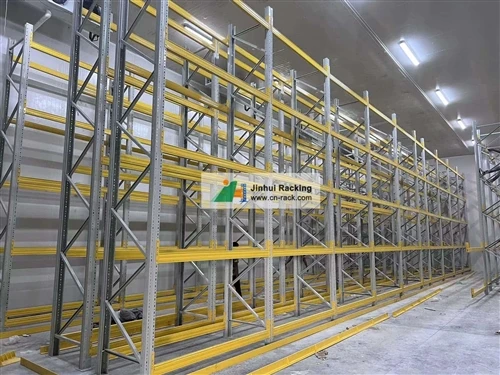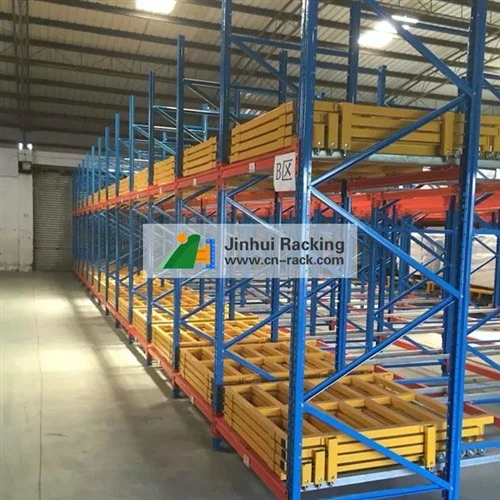

If you've ever stepped into a cold storage warehouse at 2 a.m., you know it's a harsh environment that tests every piece of equipment inside. The constant freezing temperatures-often between -20°F and 40°F (-29°C and 4°C)-don't just chill inventory; they break down the materials and systems that keep that inventory organized, accessible, and safe. As a supplier of warehouse racking built specifically for cold storage, I've spent years helping clients navigate these unique challenges, and one question I get more than any other is: How do you ensure cold storage racking doesn't fail?
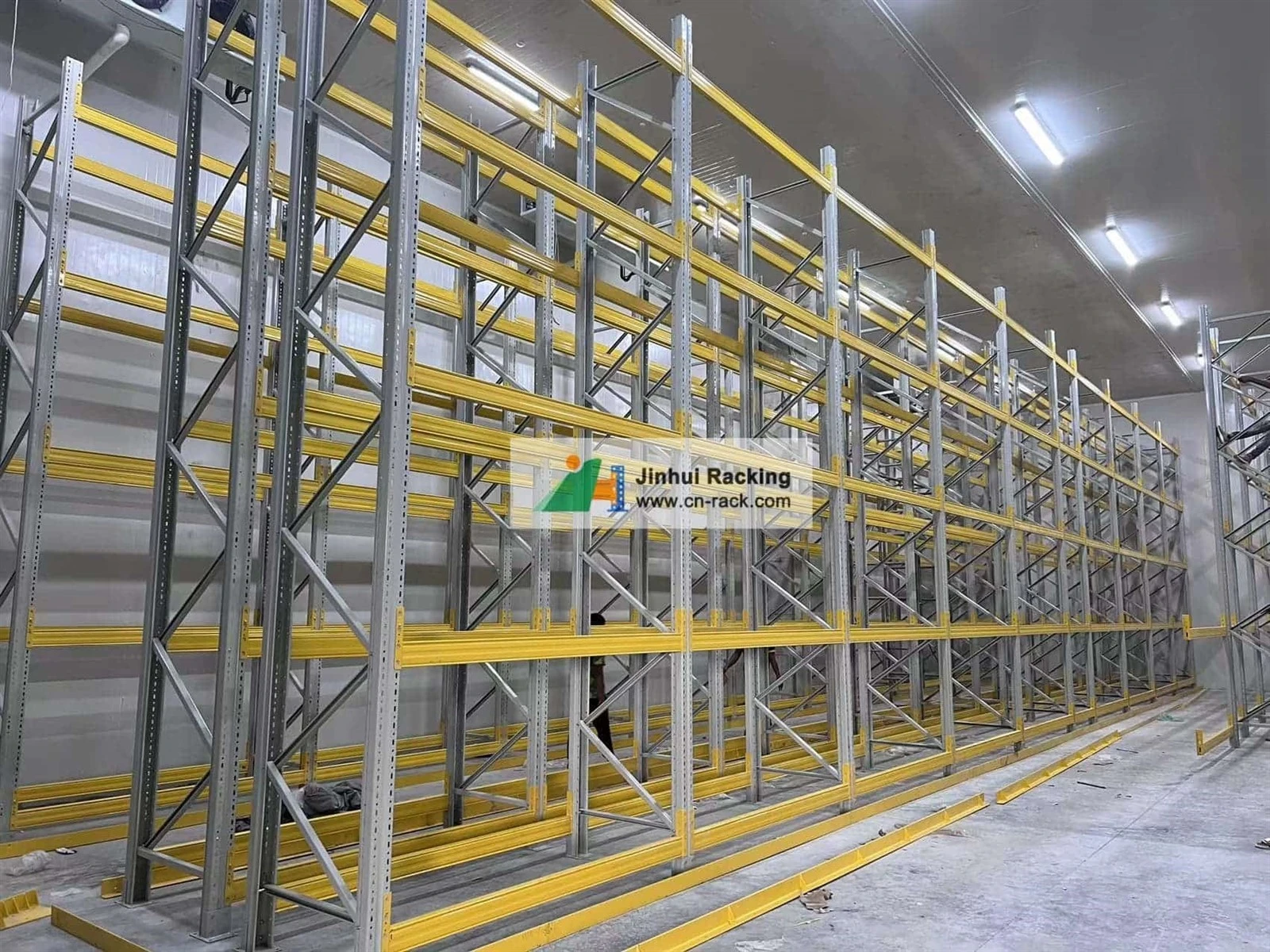
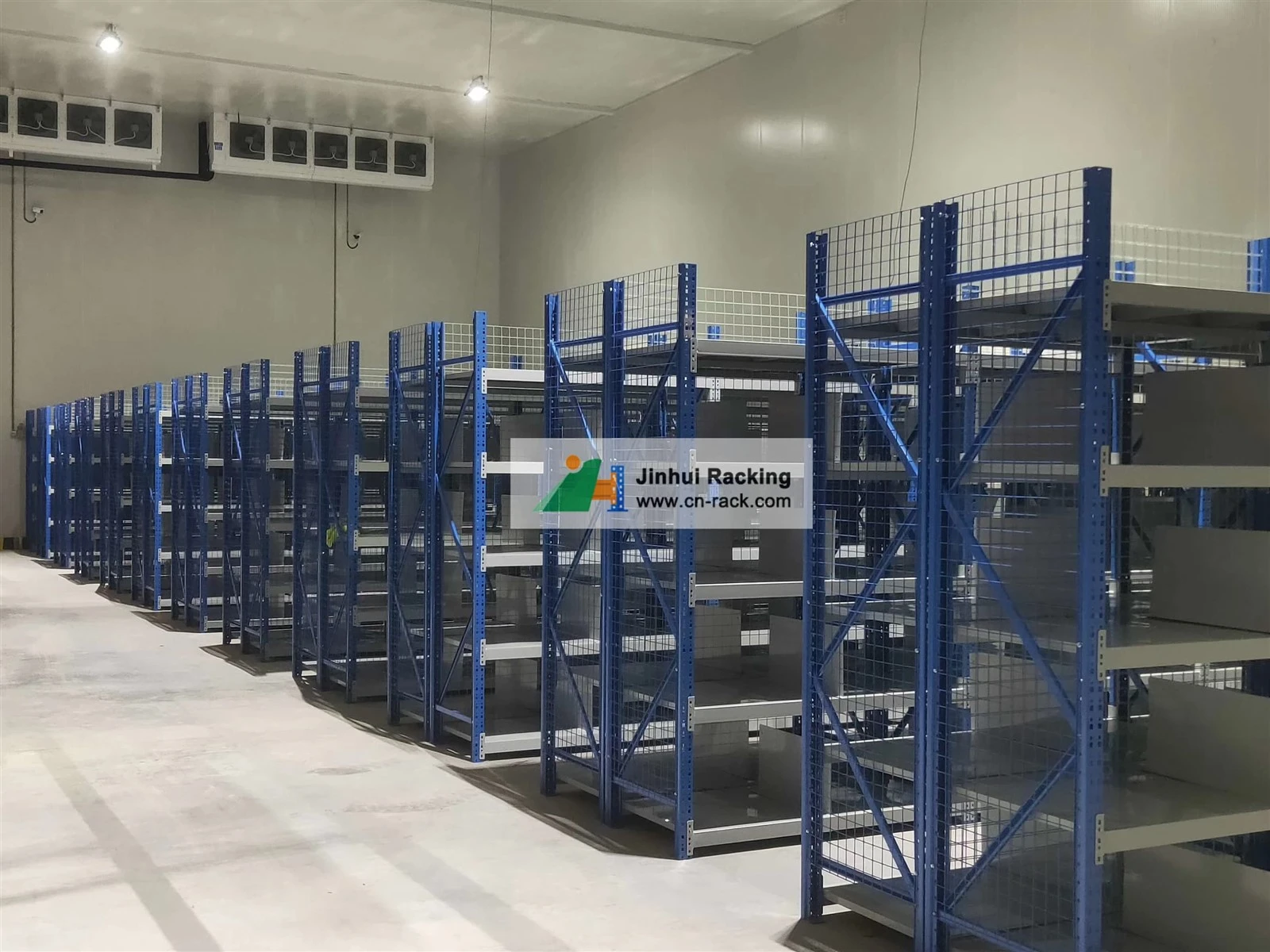
The truth is, standard warehouse racking works great for dry, temperature-controlled spaces, but it's a disaster waiting to happen in a cold storage facility. Cold alters metal, warps plastic components, and makes structural integrity fragile over time. A single rack failure in a cold storage space doesn't just mean lost inventory-it can lead to worker injuries, costly downtime, and even safety violations. Over the years, I've seen dozens of preventable issues arise because clients used off-the-shelf racking without accounting for the cold environment. Let me break down the science and practical steps that keep cold storage racking safe, from material selection to regular inspections.
First, and most critical, is choosing the right racking material. Most standard steel racking is made with carbon steel, but at freezing temperatures, carbon steel becomes brittle. This phenomenon is called cold embrittlement, and it's a major risk in cold storage. When steel is too cold, a small impact-like a forklift bumping a beam-can cause a crack that spreads rapidly, leading to a full structural collapse. That's why at our company, we exclusively use low-alloy steel for our cold storage racking, specifically formulated to retain toughness even at sub-zero temperatures. Low-alloy steel has small amounts of elements like nickel and chromium that prevent the molecular structure from becoming rigid and fragile in the cold. We test every batch of our steel at our in-house lab, simulating the exact temperatures our clients operate at, to ensure it doesn't fail under stress. For context, a standard carbon steel beam rated for 5,000 pounds in a dry warehouse might only hold 3,200 pounds in a -10°F cold storage space-and that's a miscalculation that can lead to disaster.
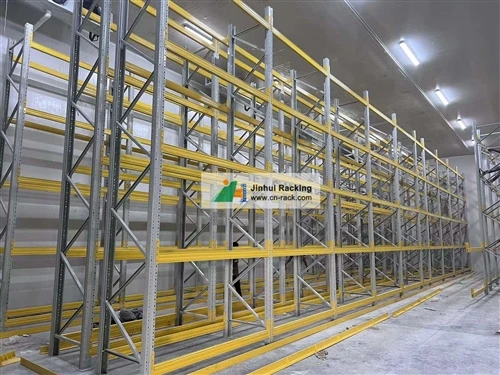
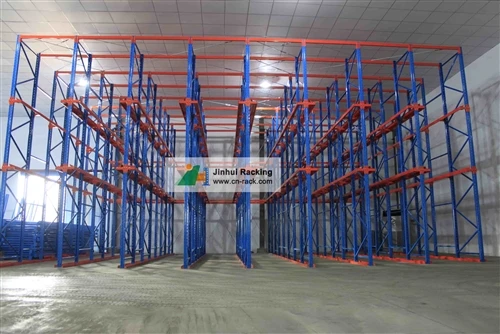
Next, matching the rack type to your cold storage's operational needs isn't just about efficiency-it's about safety. Cold storage facilities often handle large volumes of the same SKUs, which makes drive-in or drive-through racking a popular choice. These systems maximize storage density by eliminating aisles between racks, letting forklifts drive directly into the rack structure to place and retrieve pallets. But not all drive-in racking is built for cold storage. Early versions had issues with cold air circulating unevenly, leading to condensation that corroded metal joints over time. That's why our team engineered specialized cold-optimized drive-in systems. To learn more about how these systems are tailored for frozen environments, you can explore our Drive-In / Drive-Through Racking page. We use sealed joint connections and powder-coat finishes that resist moisture and corrosion, even when cold air condenses on the rack surface. For clients with very cold facilities (below -10°F), we also add extra bracing to the uprights-vertical support beams that keep the entire structure stable. It's a balance: too much bracing clogs access for forklifts, too little leaves the rack vulnerable to collapse. We work with each client to calculate the exact bracing needed based on their facility's temperature, load capacity, and forklift type.
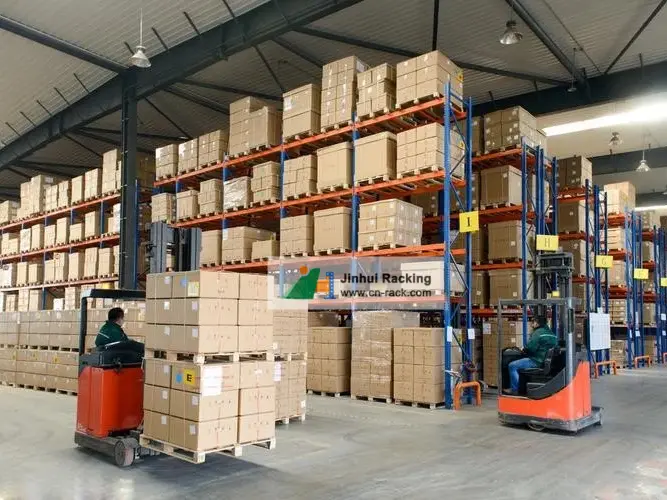
Installation is another area where cold storage racking safety lives or dies. Many forklift operators in cold storage facilities face additional challenges: cold makes rubber tires less grippy, visibility can be reduced by frost on windows, and the thick layers of cold-weather gear limit movement. That means even a minor installation error-like misaligning a rack upright by half an inch-can turn into a collision later. We require all our installation teams to complete specialized cold storage training, which includes working shifts in actual cold facilities to understand the conditions operators face. During installation, we also use temperature-calibrated tools: when tightening bolts, for example, we adjust torque values for cold temperatures, because steel contracts when it's cold, and a bolt that feels tight at room temperature could loosen as the rack cools down. I've seen clients try to save money by hiring standard installation teams, only to have their racking shift within three months of operation. That's not a cost-saving move-it's a safety risk.
Regular maintenance is non-negotiable for cold storage racking. A dry warehouse might only need a rack inspection once a year, but cold storage facilities need quarterly checks-even monthly, for high-traffic areas. The cold environment accelerates wear: forks scrape beams, condensation forms on joints, and even minor rust (which is slower in cold, but still happens) can weaken metal over time. Our maintenance checklist for cold storage racking starts with visual inspections: checking for cracks in beams or uprights, loose bolts, or signs of warping. We also use ultrasonic testing to measure the thickness of steel, which reveals hidden corrosion that's not visible to the naked eye. Another key step is checking the rack's load capacity. Every six months, we recommend reviewing inventory turnover and adjusting load limits if a client starts storing heavier pallets. I recently worked with a frozen food distributor that moved a bulk load of 2,500-pound pallets into a section of their racking that was rated for 2,000 pounds. They didn't realize the cold had reduced the rack's effective capacity, and a few months later, a beam cracked under the weight-luckily, no one was hurt, but it cost them 500 pallets of inventory and three days of downtime. Regular load reviews would have prevented that.
One often-overlooked factor in cold storage racking safety is temperature uniformity. If your cold storage has hot spots-areas where the temperature is 5°F to 10°F warmer than the rest of the facility-that creates stress points in the racking. Steel in a warmer section expands, while steel in a colder section contracts, putting uneven pressure on joints. Over time, this leads to warping and structural stress. We help clients analyze their facility's temperature mapping, using thermal cameras to identify hot spots, and adjust racking placement to distribute loads evenly. For example, we never place the heaviest pallets in areas near loading docks, where doors opening and closing cause temperature fluctuations. That's why our Warehouse Drive in Pallet Racking System for Cold Room and Processing Industrial is designed with modular sections that can be easily adjusted if a client's layout or temperature needs change. Modularity might add a small upfront cost, but it saves thousands in repairs when you don't have to move entire racks to fix a hot spot issue.
Worker training is the final piece of the safety puzzle, and it's one that many companies skip. Even the best racking will fail if operators don't use it correctly. In cold storage, forklift operators often rush through tasks to stay warm, leading to careless moves-like driving too fast into a rack or misaligning pallets. We offer free training modules for all clients' cold storage staff, covering proper loading technique, how to inspect their equipment before a shift, and emergency protocols if a rack is damaged. We also host quarterly refreshers, because muscle memory fades, and new operators come in regularly. A few years ago, a client of ours had an operator who hit a rack upright, but didn't report it because he thought it was a minor scratch. By the time our team did the quarterly inspection, the crack had spread to the beam, and the rack was at 70% of its rated capacity. That operator's training would have taught him to report the damage immediately, and a simple repair would have been enough to prevent a collapse.
Now, I know that for small cold storage operators, investing in specialized racking, installation, and maintenance might feel like a big expense. But the alternative-downtime, inventory loss, safety claims, and OSHA fines-costs far more. The cold storage industry is growing, with demand for frozen food and pharmaceuticals rising every year. As that demand grows, so does the need for reliable, safe racking that can handle the harsh environment. At our company, we don't just sell racking-we design custom solutions, install with precision, and support clients for the entire life of their system. We've worked with facilities ranging from 10,000 square feet to 500,000 square feet, all with the same goal: keeping inventory safe, workers safe, and operations running smoothly.
If you're operating a cold storage facility and concerned about racking safety, the first step is a free facility assessment. Our team will walk your space, check your current racking, map temperatures, and give you a clear plan to address gaps. Whether you need to upgrade your current racking, install a new drive-in system, or set up a maintenance schedule, we're here to help. Don't wait for a small issue to turn into a disaster-safety in cold storage racking starts with proactive planning, the right materials, and ongoing care.
References
- American Society of Mechanical Engineers (ASME). (2020). Safety Standard for Industrial Truck Racking, Section 15: Cold Storage Facilities.
- Steel Manufacturers Association. (2019). Cold Embrittlement of Steel for Industrial Storage Structures.
- Occupational Safety and Health Administration (OSHA). (2021). Guidelines for Warehouse Safety in Low-Temperature Environments.
- Cold Chain Storage Association. (2022). Racking System Performance in Sub-Zero Conditions: A Field Study of 200 North American Facilities.
- International Organization for Standardization (ISO). (2020). ISO 14661: Storage Equipment-Static Racking-Specification for Cold Storage Applications.