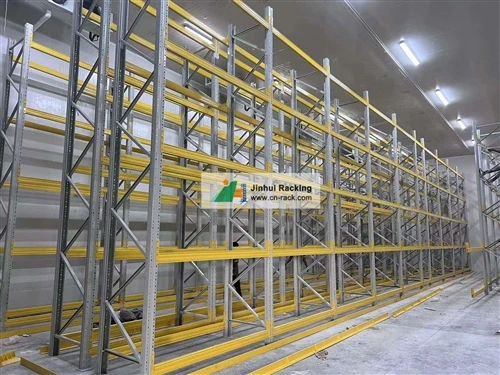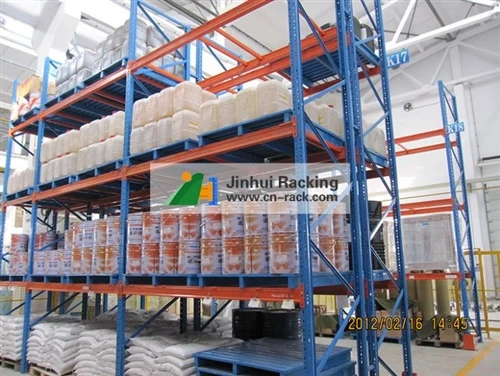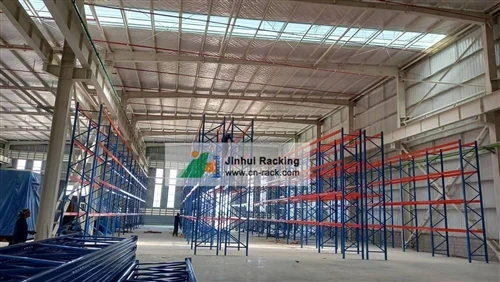

If you've ever walked into a warehouse and seen rows of pallets nested into deep, single aisles instead of wide, redundant lanes, you've probably caught a glimpse of push back racking. As a supplier who's installed these systems for businesses across retail, e-commerce, and manufacturing over the last 12 years, one question still pops up more often than any other: Is it easy to operate Push Back Racking? The short answer is yes-but the long answer matters, because "easy" isn't just about pushing a button or sliding a pallet. It's about understanding how the design works, training your team, and avoiding small mistakes that can turn a efficient system into a frustrating bottleneck. Let's break down what makes push back racking straightforward, and where even experienced teams can stumble.
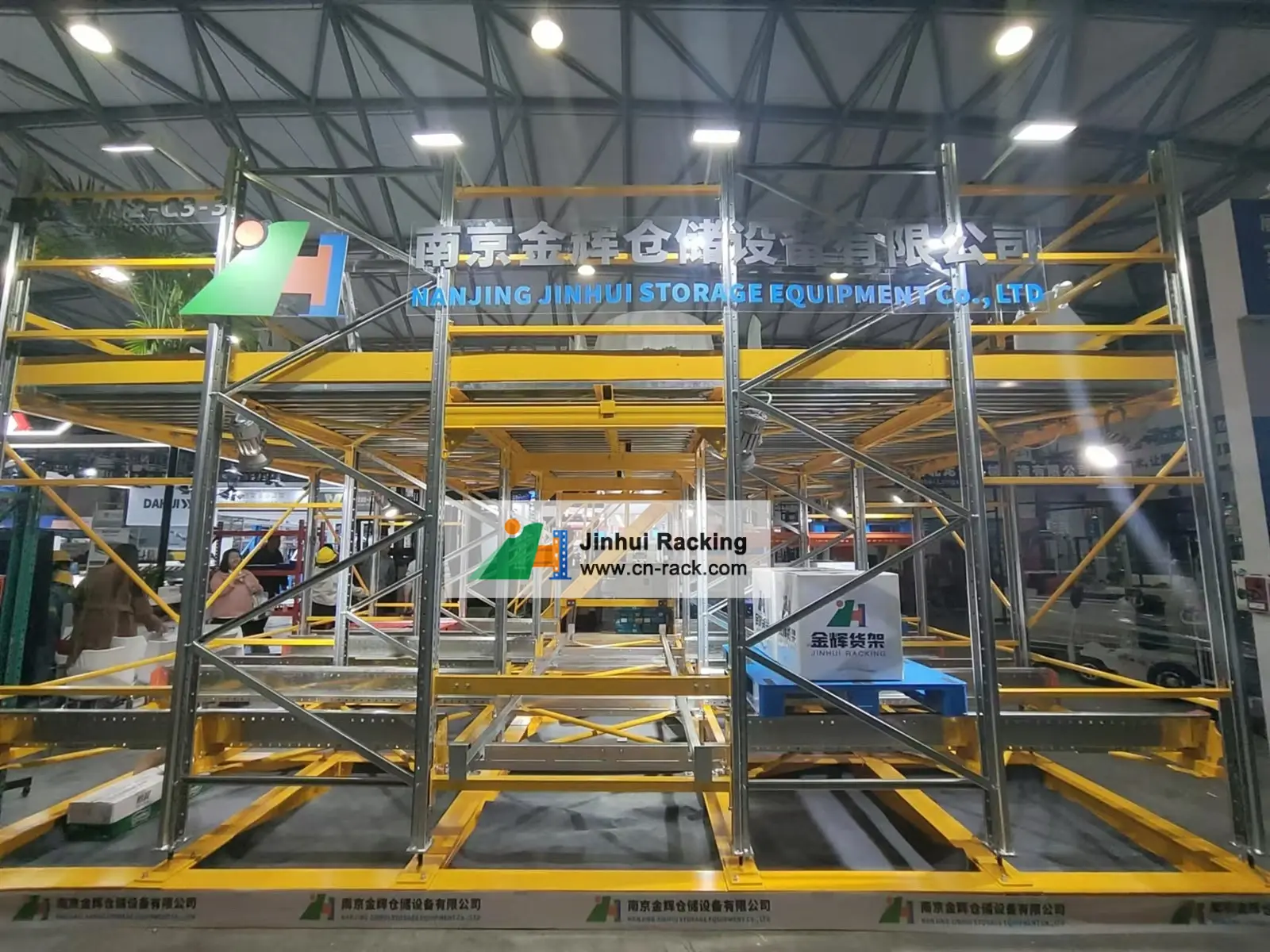
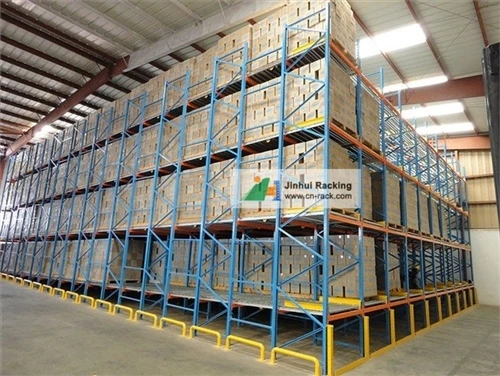
First, let's start with the basics of how push back racking works, because operation is tied directly to its unique design. Unlike selective pallet racking, where every pallet is accessible from an aisle, push back racking uses a set of wheeled carts that sit on inclined beams inside each rack bay. When you load a pallet onto the front cart, it rolls back along the incline, and the next cart moves forward just enough to make space for the new load. When you unload, you pull the front cart forward, and all the pallets behind it slide forward to fill the gap. That's the core "push back" motion that gives the system its name-and it's designed to be intuitive, not complicated. For teams used to standard pallet racking, the biggest initial adjustment is flipping their mindset from "load from aisle, pick from aisle" (selective's FIFO-friendly model) to a last-in, first-out (LIFO) flow. But even that shift only takes a few hours of hands-on practice, not days of training.
Let's talk about the tools and daily operation first, because that's where ease of use becomes most visible. When our team installs a Push Back Pallet Rack System for a client, we don't hand them a 50-page manual and leave. The standard equipment for operation is just a forklift-no specialized machinery, no proprietary software (unless the client wants to add inventory tracking later). Forklift operators who already know how to drive a reach truck or counterbalance forklift can learn to load and unload push back carts in a single shift. The key is a small, often overlooked detail: the cart's load wheels are sized to fit standard forklift forks, so operators don't have to adjust their fork spread or reach distance. We've had a 20-person e-commerce warehouse team switch from selective racking to push back racking in a weekend, and the only downtime was from moving pallets-not learning how to use the new racks. For example, a client in Chicago switched last year: before, they had 12 aisles for SKUs of canned goods, each holding 50 pallets. After installing a Push Back Racking System, they cut their aisle count to 4, freed up 10,000 square feet, and their forklift operators reported no extra training needed to run the new setup. That's not an anomaly-most of our small to mid-sized clients (those with 50–200 pallets in rotation) say operation feels second nature within a week.
But wait-ease of operation also depends on picking the right type of push back racking for your inventory, and that's where some suppliers miss the mark. Not all push back systems are the same, and using a mismatched setup can make operation harder than it needs to be. For SKUs that are light (less than 2,000 pounds per pallet) and consistent in size, standard push back carts work perfectly. But for heavy pallets (over 3,000 pounds) or irregularly shaped loads, you need reinforced carts, and that adjustment is simple to communicate to your team. We also offer Push Back Shelving for smaller, non-palletized inventory-think of it as the smaller sibling of pallet push back racks, designed for boxes instead of pallets. The operation here is even simpler: instead of forklifts, you use manual pallet jacks or electric lifts, and the shelving's shallow depth means operators don't have to extend forks far back, reducing strain and errors. The only time operation gets tricky here is if a client tries to use a standard pallet push back system for small boxes-something we never recommend, because it leads to misaligned loads that jam the carts. Matching the system to your goods is a small, upfront step that eliminates 90% of operation headaches before they start.
Now, the part that's less talked about but critical to ease of use: regular maintenance. A push back racking system only works as smoothly as its carts, wheels, and beams-and a little routine check-in goes a long way. Most clients think maintenance means hiring a team to come in once a year, but it's actually as simple as a 10-minute weekly walkthrough. Our team trains clients to look for three things: wheels that roll freely (no dirt or debris stuck in the grooves), beams that are straight (no bending from overloaded pallets), and pallets that fit snugly on the carts (no gaps that let them shift). A client in Atlanta once had a small issue where a paper pallet (instead of a standard wooden pallet) was used, and it got wedged between two carts-they noticed it in their weekly check, removed it, and fixed the gap in 15 minutes. Had they skipped the check, the jam would have taken hours to resolve, and they'd have blamed the "difficult" system instead of their own small oversight. The good news is that maintenance doesn't require specialized skills-any warehouse supervisor with basic problem-solving can do it. We even give clients a free checklist when they buy our Push Back Racking System, so they never have to guess what to check.


Of course, no system is completely easy for every team, and there are two common pain points that even the best setups can have. The first is oversized or variable pallets. If you have pallets that are a few inches too long or too wide for the carts, they won't slide smoothly, and operators will have to adjust each load-something that takes extra time. That's why we always ask clients to share pallet dimensions before designing a system, and we customize cart sizes to fit. The second is overloading carts. Each cart has a weight limit, and if a forklift operator loads more than that, the cart can bend or stop rolling. This isn't a flaw in the system-it's a training point, and we make sure every operator sees a clear weight limit sticker on each cart. Even with that, we remind clients that push back racking's efficiency comes from its density, not from cramming every pallet into a bay-so a little discipline goes a long way.
Let's put this in perspective: for a company that's already invested in warehouse equipment and trained staff, adding push back racking is far easier than, say, switching to automated storage and retrieval systems (AS/RS) or narrow-aisle racking, which require specialized tech and certification. Push back works with the tools you already have, and its operation relies on basic forklift skills, not coding or advanced machinery. That's why it's one of the most popular high-density storage solutions for businesses that want to save space without a huge operational learning curve. If you're weighing whether to make the switch, the first step is to talk through your inventory and current workflow-our team helps you design a system that fits your specific needs, so you don't end up with a setup that's harder to run than it's worth.
If you're ready to explore how a push back racking system could work for your warehouse, reach out to our team to discuss your storage needs and get a customized assessment.
References
- Material Handling Industry Association. (2022). Push Back Racking: Operation and Best Practices for Warehouse Efficiency.
- Modern Materials Handling. (2023). High-Density Storage Systems: Ease of Operation for Small to Mid-Sized Warehouses.
- Warehouse Education and Research Council. (2021). Training Guidelines for Forklift Operators Using Push Back Racking.
- Push Back Racking Design Standards, International Material Equipment Manufacturers Association. (2022).