
Hey everyone, it's Jake here from the warehouse storage side of things. I've spent the last 8 years helping businesses solve their storage headaches, and today we're talking about push back racking-one of the most underrated workhorses in warehouses I've ever seen. If you're looking to maximize floor space while still keeping order picking and restocking smooth, this system's probably on your radar. But let's be real: not setting it up right, or using it wrong, can turn a game-changer into a total bottleneck. So I'm breaking down the best practices I've picked up working with dozens of warehouses, plus the hard lessons we've learned supplying our own stuff (links to our gear are below when it makes sense-no spam, promise).


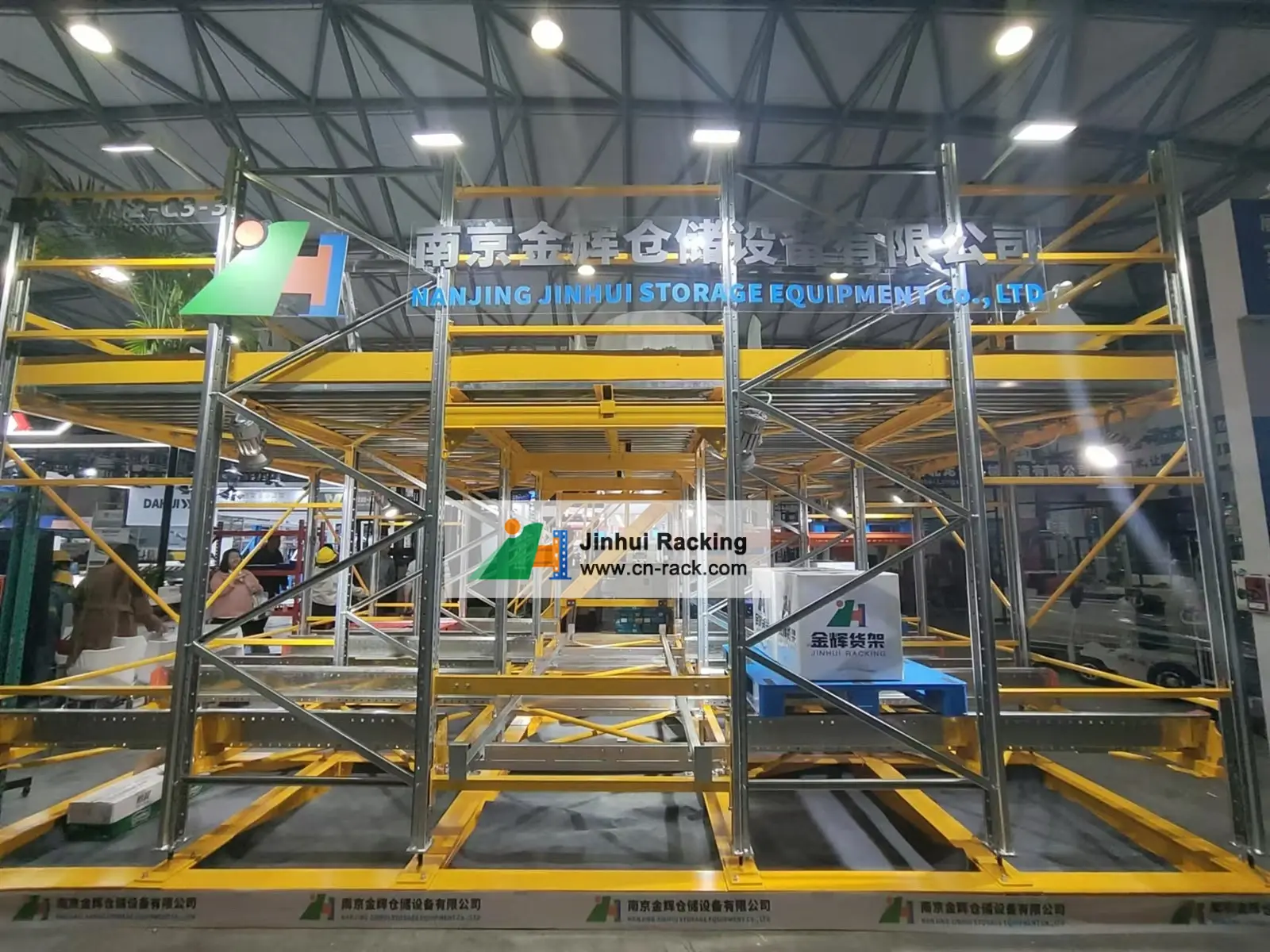
First, let's get the basics out of the way for anyone new to this. Push back racking works on a simple gravity principle: pallets sit on wheeled carts that roll down sloped rails inside the rack. When you pull a pallet out, the ones behind it slide forward automatically. It's "last in, first out" (wait, no-wait, actually, it's last in, last out? Wait no, hold up-restock from the back, pick from the front, so the last pallet you put in is the first one you pick? Wait no, no-let's get that straight. No, actually, it's LIFO (last in, first out) only if you restock the front? No, wait, no-if you load from the back, each new pallet pushes the previous ones forward, so the pallet at the front is the next to be picked. That means it's LIFO for the entire load sequence. That's key. This system is perfect for SKUs with high inventory turnover, or when you need to fit a ton of pallets in a small footprint-like 50% more storage than standard selective racking, no joke. But let's cut the hype and get to the practices that actually make this work, because I've seen too many warehouses install push back racking and then struggle with damaged pallets, stuck carts, or even safety issues.
First big one: Get your pallet specs dead right before you buy anything. I can't stress this enough. I've had a customer come to us last year who measured their pallets wrong-they used a generic 48x40 measurement, but their actual pallets had extra edge boards that stuck out 2 inches. They ordered push back racking without checking, and every single pallet got stuck because the carts couldn't slide. That's a $10k mistake right there. So here's the drill: measure every dimension of your pallets-length, width, height (including the pallet itself and the load), and even the load's weight-down to the quarter inch. And don't forget the weight per lane! Push back carts have weight limits, usually between 2,500 and 5,500 pounds. If you put a 6,000-pound load on a cart that's rated for 5k, that cart will warp, the rails will bend, and you'll be repairing the whole system in 6 months, not 6 years. We've got different weight-rated systems for different needs, by the way-check out our Push Back Pallet Rack System if you've got heavier loads or variable pallet sizes. That thing's adjustable, so you don't have to tear the whole rack down if your pallets change later.
Next up: Lane configuration is non-negotiable. This isn't "one size fits all" like some cheap storage stuff. The width of each lane depends on two things: your pallet's width and how much clearance you need for the cart to slide smoothly. Too narrow, and pallets get jammed; too wide, and you're wasting floor space. The rule of thumb I teach is: add 2 inches to the pallet's width for standard loads, but if you're using half-pallets or mixed loads, you might want a tiny bit more. Also, how many pallets per lane? I've seen lanes with 6 pallets work great, and others with 2 be way too shallow. It depends on your turnover. If you're using fast-moving SKUs, shorter lanes mean you don't have to reach way back to grab a pallet. But if you have slow-moving SKUs, longer lanes mean fewer rack uprights, more space for inventory. Wait, but here's a pro tip: never mix different pallet sizes in the same lane. We had a customer try that with two different pallets-one was 48x40, the other 42x42, and the carts kept getting misaligned. The smaller pallet would slide past the rails, and the whole lane was useless. Another thing: don't make lanes longer than 6 pallets, especially for heavy loads. The more pallets stacked, the more friction on the carts, and that increases wear and tear. If you need more capacity, add more lanes, not longer ones. That's a mistake a lot of new users make-they cram too many pallets into one lane and end up with more maintenance.
Then there's the big one: Loading and unloading protocol. This is where most go wrong, and it's not about the rack itself-it's about how you use it. Push back racking's whole vibe is restock from the back, pick from the front, right? If you try to load from the front, you'll mess up the sequence. Let's say you have a lane with 3 pallets: you load the back first, then push the middle one forward, then the front one is ready to pick. If you load the front first, then when you go to pick, the back pallet will slide forward and push all the others into a mess. I've seen a forklift operator do that once and end up with 5 pallets stacked crookedly, all needing to be unloaded and reorganized. That's a safety hazard too-if a pallet falls off the rack, that's OSHA trouble, plus a damaged product. Also, when you load a pallet, make sure it's centered on the cart. Off-center loads will make the cart slide lopsided, get stuck, or even tip over. And never stack loads higher than the rack's maximum height. Even if the cart can handle the weight, a load that's too tall can stick up above the rack and get hit by forklifts, or block the next lane. We actually put load height stickers on all our Push Back Shelving (wait, that's for lighter loads, by the way-for heavy pallets, it's the pallet rack system) to help customers remember, so they don't overstack.
Now, regular maintenance-this is the part that gets overlooked. Push back racking isn't a set-it-and-forget-it thing. The carts roll on wheels, so those wheels need to stay clean and lubricated. I recommend a monthly check: wipe down the rails and wheels to get rid of pallet dust, dirt, or any broken pallet chunks. Those small pieces get stuck in the wheels, and before you know it, a whole lane is down. Then, every 3 months, use a dry lubricant (not oil-oil attracts more dirt) on the wheels and rails. Oil makes the area slippery, which is a fall hazard for forklift operators, and it gunked up our first customer's system so bad they had to replace half the carts after a year. Also, check the rack uprights and beams for bends. If a forklift clips a rack upright, that throws the whole lane off. We use heavy-duty steel for our Push Back Racking System, so it's less likely to bend, but accidents happen. Do a quick visual check every week-no need for fancy tools, just walk the aisles and look for any crooked parts.
Wait, let's talk about safety, because that's non-negotiable. Push back racking has higher storage density, but that doesn't mean it's less safe. First, train your operators-really train them. A lot of companies hire temp workers who don't know the difference between push back racking and selective racking. They'll load pallets the wrong way, or drive too fast in the aisles, and that's a recipe for disaster. Mandate hands-on training before anyone touches the forklift near the rack, and do refreshers every quarter. Also, add safety barriers at the front of the rack lanes. We see a lot of warehouses skip this, but forklifts bump the fronts of the racks all the time. Those barriers absorb impact, so the racks don't get damaged. Another safety tip: don't allow any extra equipment in the aisles between the rack lanes. If you have a pallet jack sitting there, or a stack of empty pallets, you can't maneuver the forklift to load or unload. That leads to rushed, unsafe moves. And never, ever, use push back racking for loads that aren't palletized. Loose boxes or drums will fall through the cart gaps, and they're impossible to slide. If you need non-palletized storage, this isn't the system for you-stick to something else.
Another point: Inventory management alignment. Push back racking works best when you group similar SKUs, especially for the same product family with the same pallet size and turnover. Don't put a fast-moving SKU way in the back of a long lane. That means your operators have to reach all the way back every time they need a pallet, which slows them down and increases the chance of mistakes. I had a customer who did that once-they put a top-selling cleaning supply SKU 5 pallets back in a lane, and their order pickers were taking 2x longer than they should. They rearranged it to be 1 or 2 pallets back, and productivity jumped 30% overnight. Also, track how much stock you have in each lane. If a lane is always full, you might need to split it into two shorter lanes. If a lane is rarely touched, maybe use it for a slower-moving SKU instead of a fast one. Our team actually helps customers map out their SKUs when they order our Push Back Racking System, so they get that part right from the start, not after they've been using it for a month and realizing it's not working.
Wait, let's address a common myth: push back racking is only for big warehouses. No, that's not true. We've got small businesses with 10,000 square feet of warehouse space that use our Push Back Shelving for their smaller, lighter pallets, and they've cut their storage footprint by 40% without buying a bigger space. You just need to adjust the lane lengths and cart sizes to fit your space. If you have a smaller operation, you don't need a heavy-duty industrial system-our shelving line is perfect. And if you're dealing with larger pallets, the pallet rack system works for smaller spaces too, as long as you measure right.
Now, let's talk about mistakes I've seen time and time again that you can avoid. Number one: not checking the weight limit per lane and per cart. A customer put a 5,800-pound load on a cart rated for 5,000, and the cart buckled. They had to replace 3 carts and repair the rail, which cost them $2k and a day of downtime. Number two: mixing pallet sizes in a lane. As I mentioned earlier, that's a disaster. Number three: skipping maintenance. We had a warehouse that went 6 months without cleaning the wheels, and they had a lane where all 5 carts were stuck-they had to unload every pallet by hand, which took 2 days. Number four: not training operators. That same forklift operator I mentioned earlier who loaded the front of a lane? They were a temp who didn't get any training, and it cost that customer $1,500 in damaged pallets and lost product.
If you're thinking about adding push back racking to your warehouse, don't just shop on price. Go for a system that's adjustable, has clear load guidelines, and has good customer support. Our team works with you from measuring your pallets to designing the lane configuration, so you don't have to guess. We've got resources on our site, like the push back shelving page for lighter loads and the high-density system for heavy pallets, that walk you through all the specs. And if you're not sure what you need, just reach out-we'll help you figure it out, no pressure.
Wait, last best practice: Test a small section first. Don't install the whole rack at once. Put in one lane, test loading and unloading for a week, see how the carts slide, check if there's any clearance issues, and make sure your operators are comfortable with the process. That way, you can adjust before you invest in the whole system. We've had customers do that, and they saved thousands of dollars in mistakes-they realized their lane width was 1 inch too narrow, so they adjusted it before putting in 10 more lanes. That's smart.
At the end of the day, push back racking is a game-changer when you use it right. It's all about getting the specs right, setting up the lanes correctly, training your team, doing regular maintenance, and aligning it with your inventory. I've seen warehouses go from cluttered floors, slow picking, and constant overflow to smooth, efficient operations with more space than they knew they had.
If you're ready to upgrade your storage or just have questions about what system is right for your business, feel free to reach out. We can walk you through your options, answer any questions about lane configuration or load limits, and help you pick the right solution. Whether you need lighter shelving for smaller loads or a heavy-duty pallet system for big pallets, we've got you covered.
REFERENCES
- Material Handling Industry of America (MHIA). "Best Practices for High-Density Storage Systems." 2022.
- Warehouse Education and Research Council (WERC). "Push Back Racking Operational Guidelines." 2021.
- OSHA. "Warehouse Storage and Handling Safety Standards." 2023.
- ABC Storage Solutions Internal Case Studies: Push Back Racking Deployments, 2019–2024.