
Hey there,
If you've ever shopped around for cold storage warehouse racking, you've probably noticed a big price gap between domestic options and imported ones. As someone who's been in the cold storage racking game for years-helping warehouses (from small local food producers to big national distributors) set up efficient, temperature-controlled storage-I get it. Price is huge, but so is making sure your racking actually works for frozen foods, pharmaceuticals, or whatever you're storing. Let's break down the real differences, why they happen, and what that means for your next purchase.
First off, let's stop with the broad "domestic vs. imported" takes-this isn't just "made here = cheap, made there = expensive." A lot of factors tie into this, especially when it comes to cold storage, which has way more specific needs than regular warehouse space. Cold rooms are harsh: constant low temps (often -18°C or colder), high humidity that can cause corrosion, and heavy pallets stacked day in and day out. Racking for this isn't just metal frames and shelves-it's built to hold up to that.
Let's Talk Raw Materials & Manufacturing Costs
Raw materials are the biggest price driver here. Domestic suppliers (here, that's local to where you're buying, right?) source steel from nearby mills. Right now, in North America or Europe, that steel is more expensive than steel from many Asian or Latin American mills that cater to global export markets. Wait, but before you think "imported = cheaper steel," not all steel is created equal. For cold storage, you need steel that's rated for low temps-some imported steel doesn't have that same low-temperature impact resistance, which is a big safety red flag. If your rack cracks in a freezer, that's not just a cost to replace it-you could lose thousands in spoiled product, which is way worse than a few bucks saved on racking.
Domestic manufacturers also control their production processes in-house, usually. They don't have to deal with long shipping delays or language barriers, so they can adjust quickly if a client needs custom modifications-like extra reinforcement for ultra-heavy pallets, or specialized coating to prevent rust in a 24/7 cold room. Importers, on the other hand, often work with overseas factories that have minimum order quantities (MOQs). If you only need 100 rack positions, an overseas factory might make you buy 500, which drives up your per-unit cost even if the base steel is cheaper.
Shipping & Logistics: The Hidden Price Bump for Imports
Okay, so you found a cheap imported racking quote. Wait-does that include shipping to your warehouse? Most importers quote FOB (Free On Board) their port, not delivered to your door. That means you're on the hook for ocean freight, customs duties, tariffs, and last-mile delivery. For cold storage racking, which is big, bulky, and sometimes heavy, shipping costs add up fast. Ocean freight rates can swing wildly too-last year, rates were double what they are now, so that imported rack that seemed like a steal suddenly becomes more expensive once all the fees are added.
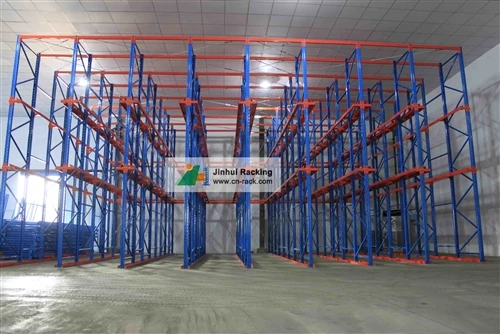
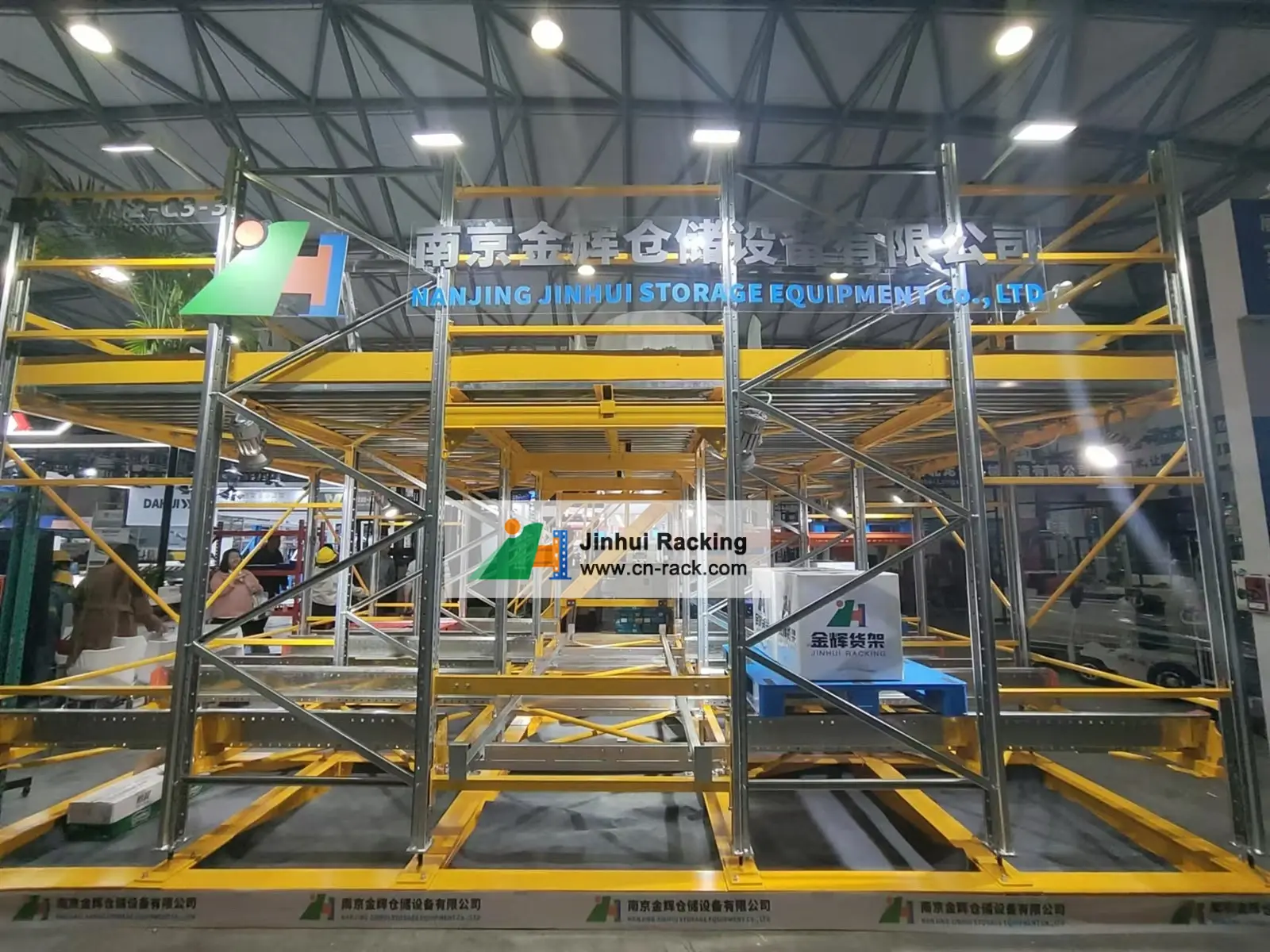
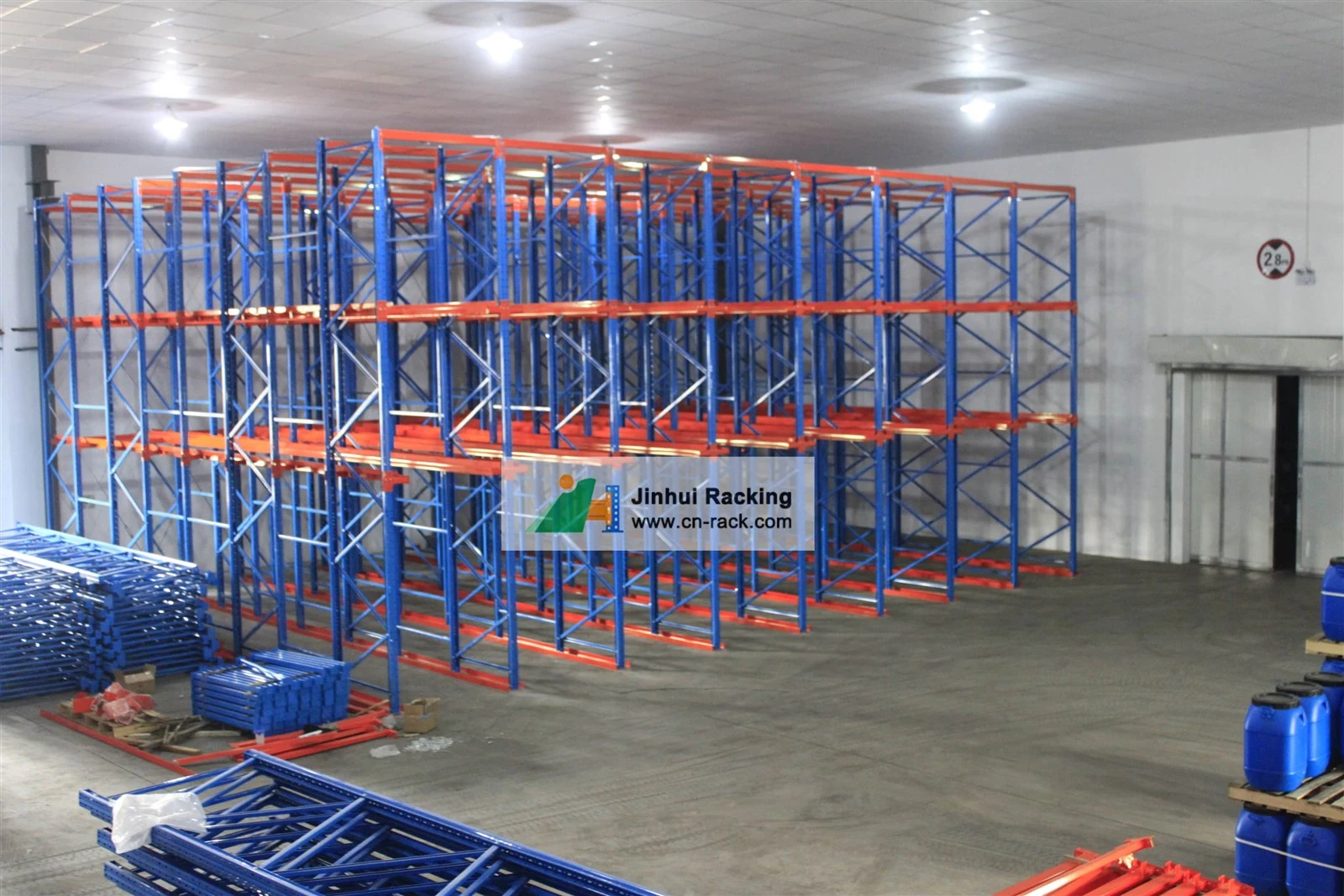
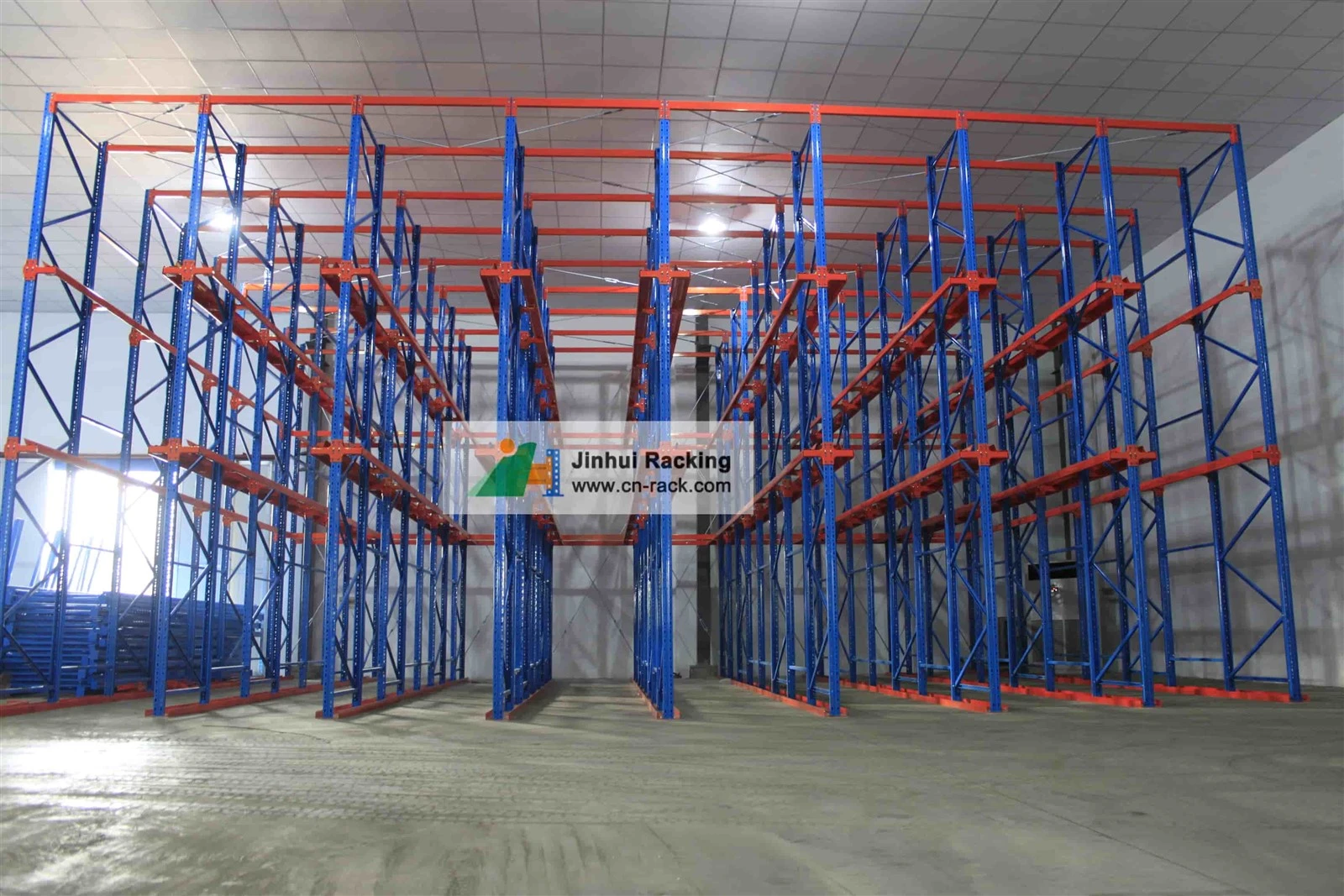
Domestic suppliers don't have this problem. If I (as a local racking pro) sell you drive-in racking for your cold room, I'm pricing it delivered to your loading dock. No surprise tariffs, no waiting months for a container to clear customs, no dealing with a third-party shipping company that drops your frames off damaged (I've seen that more times than I'd like-imported rack that shows up with bent beams because of rough ocean shipping). There's a reason a lot of cold storage operators go with domestic drive-in racking like the ones we offer at our company. Check out our Drive-In / Drive-Through Racking if you want to see how we design them for cold use-we build every frame with extra bracing so it doesn't warp in sub-zero temps, no shortcuts.
Compliance & Safety Standards: You Can't Skip This for Cold Storage
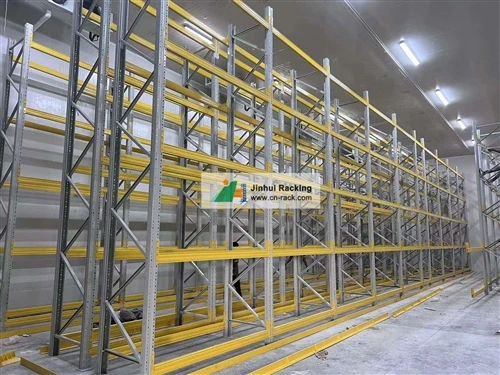
Here's a part most people miss: cold storage racking has to meet specific safety standards, especially if you're storing food or pharmaceuticals. Domestic suppliers have to follow local regulations-like OSHA in the U.S., EN standards in the EU-that are strict when it comes to low-temperature performance. We test every single one of our pallet rack systems for cold rooms to make sure they won't snap when a fork truck hits a frozen pallet.
Importers? Not all of them do this testing. Some will ship standard racking and say "it works in cold rooms," but it hasn't been tested. If an inspector shows up and your rack isn't compliant, you're facing fines, plus the cost to replace it. I had a client a couple years ago who bought cheap imported rack for their frozen food warehouse, and OSHA shut them down for non-compliance. They had to rip it all out and start over with domestic racking-costing them way more than if they'd just bought the right stuff first.
Customization & Lead Times: Speed Matters for Warehouses
If you're expanding your cold storage last minute, you can't wait 12 weeks for a container of imported racking to show up. Domestic suppliers can usually deliver in 2–4 weeks, depending on the order. We work with clients to tweak designs-like adjusting the height of rack beams to fit their specific pallet sizes (which is huge, because if your rack is too short, you're wasting space, too tall and you can't get pallets in or out safely). Our Warehouse Drive in Pallet Racking System for Cold Room and Processing Industrial is customizable, so we can adapt it to your space, no hoops to jump through.
Importers, on the other hand, often have fixed designs. If your warehouse's cold room is a weird shape, or you need to add a special access point for narrow aisles, you'll have to pay extra for custom tooling, and that adds to the cost. Plus, lead times are way longer-we're talking 2–3 months, sometimes more, because of shipping. For a warehouse that's losing money every day its cold space is half-empty, that delay is a bigger hit than a $500 difference in per-unit racking.
Long-Term Costs: It's Not Just the Upfront Price
Let's do the math here. Say you have two quotes: domestic racking at $15,000, imported at $12,000. But the imported rack only has a 1-year warranty, while ours has a 5-year warranty and we offer annual maintenance checks (small, regular checks to make sure bolts are tight, frames aren't corroded-super important in cold rooms). The imported rack is also more likely to corrode faster because it doesn't have the right coating for your local climate, so you'll have to replace parts in 3–4 years, not 10. That $3,000 upfront savings turns into $10,000 in replacement costs over 10 years.
I've seen this play out a hundred times. A small produce distributor tried imported racking to save money, and after 3 years, half the beams were rusted through. They had to pull it all out and go domestic, saying they'd rather pay more upfront than deal with the downtime and headaches.
Wait, So Are Imported Racks Ever Worth It?
I'm not gonna say never. If you have a super large order (like 1,000+ pallet positions) and you're okay with longer lead times and doing all the compliance testing yourself, imported can work. But for most small to mid-sized cold storage operations-places where downtime costs them money, where they need safety they can count on-domestic is the way to go. Especially when you work with a supplier that knows cold storage, like our team. We don't just sell racking-we help you figure out exactly what you need, so you don't pay for stuff you don't want, and you get racking that lasts.
The Bottom Line for You
When comparing domestic vs. imported cold storage racking, don't just look at the sticker price. Add in shipping, duties, compliance testing, lead times, warranty, and long-term maintenance. For most people, domestic racking ends up being cheaper in the long run-no surprises, no delays, no safety risks.
If you're ready to stop guessing and talk about what your cold storage space actually needs, hit us up. We can send you a custom quote, answer all your questions about drive-in racking, and even help you design the perfect system for your frozen goods, pharmaceuticals, or whatever you're storing. No salesy jargon, just straight talk about what works for your warehouse.
References:
- OSHA. (2023). Safety Standards for Warehouse Racking Systems in Temperature-Controlled Facilities. U.S. Department of Labor.
- Global Steel Market Report. (2024). Raw Material Cost Variations for Global Export Racking Production. International Iron and Steel Institute.
- Cold Storage Association. (2023). Long-Term Cost Analysis of Domestic vs. Imported Warehouse Racking. National Association of Cold Storage Operators.
- Freightos. (2024). 2024 Container Shipping Rate Trends for Bulk Warehouse Equipment. Global Logistics Data Report.