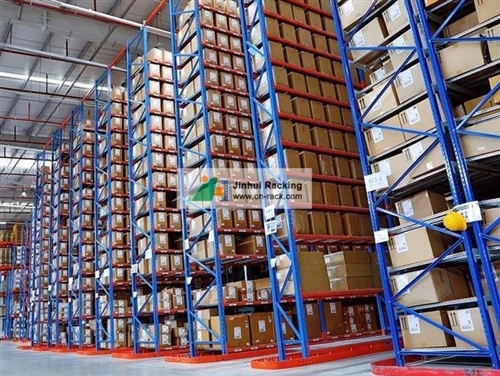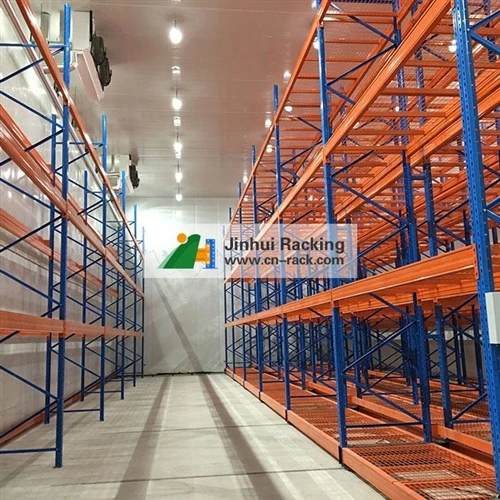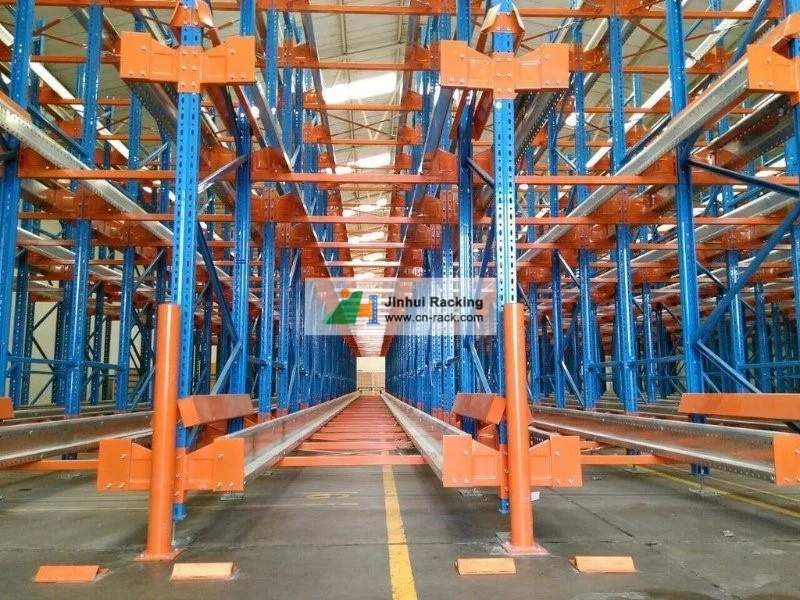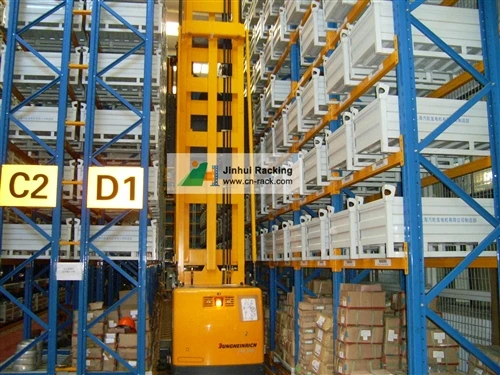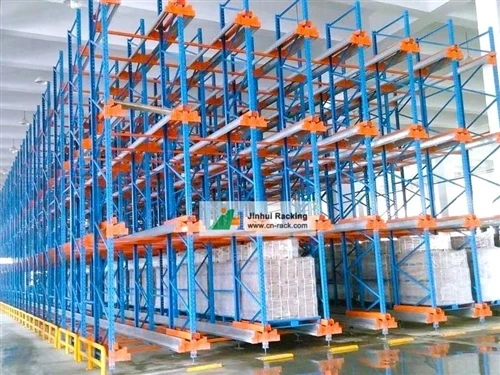

If you've ever walked through a busy warehouse-pallets stacked high, forklifts weaving between aisles, inventory moving in and out at breakneck speed-you've likely relied on pallet racking without even realizing it. As a pallet racking supplier, I've spent years helping businesses across the world optimize their storage systems, but one lesson has stuck with me more than any other: regulatory compliance isn't just a box to check-it's the backbone of safe, legal, and efficient warehouse operations. Skipping the right regulations can lead to accidents, costly fines, or even full warehouse shutdowns, which is why understanding how rules vary from country to country is non-negotiable. Over the years, I've worked with clients in North America, Europe, Asia, and beyond, and each region has its own set of standards, inspection protocols, and best practices. In this post, I'll break down the key regulatory requirements for pallet racking in major markets, share lessons I've learned from helping businesses stay compliant, and show how partnering with a supplier that prioritizes these rules can make all the difference.
Let's start with North America, a region with two major sets of rules that often overlap: those from the Occupational Safety and Health Administration (OSHA) in the U.S. and the Canadian Standards Association (CSA) in Canada. In the U.S., OSHA's primary standard for pallet racking comes under 29 CFR 1910.176, which covers "Material handling and storage" and requires that storage structures be "safe, structurally sound, and capable of supporting the loads imposed." But OSHA doesn't stop there-specific rules for inspection, maintenance, and training are equally critical. For example, OSHA mandates that warehouses conduct regular rack inspections: initial inspections right after installation, then routine checks at least annually, plus more frequent inspections after any event that could damage the rack, like a forklift collision. I once worked with a small e-commerce client in Ohio that skipped routine inspections; a forklift knocked a beam out of place, and a stack of pallets collapsed, injuring a worker. The company paid $120,000 in fines and lost two days of operations-all because they overlooked a simple check. In Canada, CSA Z245.2, the standard for industrial pallet racking, is a bit more prescriptive: it requires that all rack systems be designed for specific load capacities, that labels with load ratings are clearly visible on every upright frame, and that modified racking (like adding extra beams without engineering approval) is strictly prohibited. I've seen many clients try to "repurpose" standard racking for heavier loads, only to learn that non-compliant modifications can void warranties and put workers at risk.
Moving to Europe, the landscape is led by EN standards, the European Committee for Standardization's rules that apply across all EU member states (and many non-EU European countries like Norway and Switzerland). The key standard here is EN 15512, which sets design, manufacturing, and testing requirements for steel pallet racking. What sets EN standards apart is their focus on "limit states"-meaning rack systems must be designed to avoid both structural collapse and excessive deformation, even under maximum load. EN 15512 also requires that every rack component is labeled with a unique identification number, making it easy to trace parts back to their original manufacturer. Another important European rule is the Machinery Directive (2006/42/EC), which classifies pallet racking as a "safety component" for warehouse machinery, so it must meet strict CE marking requirements to be sold or used in the EU. I recently helped a client in Germany switch to a Teardrop Pallet Rack that was fully EN 15512-compliant; the teardrop design's adjustable beams fit perfectly with European forklift protocols, and the clear load labels made training new warehouse staff much simpler. One thing to note across Europe: some countries have additional national rules. The UK, for example, follows EN standards but also requires warehouses to conduct rack inspections under the Health and Safety Executive (HSE) guidelines, with more frequent checks for high-rack storage (over 12 meters tall).
Across the Atlantic, in Asia, regulatory requirements vary widely by country, but two major markets-China and Japan-have formalized standards that are worth noting. In China, the primary standard is GB/T 28577, which covers design, manufacturing, and installation of steel pallet racking. A key requirement here is that all rack systems must be tested for seismic resistance, as many parts of China are in earthquake zones. I worked with a manufacturer in Shanghai a few years back that wanted to install a new storage system; they initially chose a rack that wasn't tested for seismic activity, and our engineering team had to adjust it to meet GB/T 28577's load requirements during earthquakes. That's where a supplier like ours comes in: we don't just sell standard racking-we can provide custom solutions that meet local seismic and safety rules, like our Custom Pallet Racking line, which is tailored to specific regional requirements. In Japan, the Industrial Safety and Health Act (ISHA) governs pallet racking, with requirements for structural strength, regular inspections, and worker training. A unique Japanese rule is that rack systems must have anti-slip beams to prevent pallets from sliding off, a rule I haven't seen as strictly enforced in other markets. I once exported a batch of heavy-duty racks to a client in Tokyo, and we had to add extra anti-slip features to meet ISHA standards-something that made their warehouse much safer for their forklift operators.
Beyond these major markets, there are smaller but growing markets where regulatory compliance is just as important. In Australia, for example, the Australian Standard AS 4084 sets rules for steel storage racking, with a focus on weight capacity testing and inspection. Australia's strict rules mean that all racking sold there must be tested to AS 4084, and any modifications must be approved by a qualified engineer. A few years ago, I had a client in Melbourne that tried to import a cheap rack from overseas that didn't meet AS 4084; Australian customs turned it away, and the company had to wait three months for a compliant system, costing them thousands in lost storage space. In South America, countries like Brazil have their own standards, NBR 14992, which covers pallet racking, with requirements for load testing and structural integrity. Many businesses in South America overlook these standards, opting for cheaper, non-compliant racking, but the risk of accidents and fines makes investing in compliant systems a smart choice.
Now, you might be thinking: "With all these different rules, how do I keep my warehouse compliant?" From my experience working with hundreds of clients, the key is three-fold: choose the right supplier, follow regular inspection protocols, and invest in ongoing training. First, partner with a supplier that understands local regulations. For example, our company's range of products includes systems designed for different regions: the Powerful Capacity Use forklift Warehouse Storage Heavy Duty Pallet Racking System is engineered to meet North American OSHA and Canadian CSA requirements, while our New Design Motorized Mobile Racks System is fully compliant with EU EN 15512 standards, making it a great fit for European warehouses. We also offer the Heavy Duty Storage Drawer Racking Industrial Mold Rack System, which is ideal for heavy, specialized inventory and meets the strict load requirements of many industrial markets.
Second, implement a rigorous inspection schedule. I always recommend that warehouses have a professional inspector check their racking at least once a year, with monthly visual checks by in-house staff for obvious damage (like bent beams, loose uprights, or cracked components). Even if you have a compliant system installed, wear and tear from forklifts or heavy loads can lead to non-compliance over time. Third, train your staff on rack safety. Too many accidents happen because forklift operators don't understand load limits, or warehouse staff try to stack pallets too high. Regular training on load rating labels, proper pallet placement, and how to report rack damage can prevent most common incidents.
I've seen too many businesses cut corners on compliance, and the results are never worth it. A compliant racking system doesn't just keep workers safe-it reduces downtime, avoids fines, and improves efficiency. Whether you're a small e-commerce warehouse in Ohio, a manufacturing plant in Berlin, or a distribution center in Shanghai, there's a regulatory framework that applies to your pallet racking.


If you're not sure if your current racking is compliant, or if you're planning a new warehouse and need a system that meets local regulations, I'm here to help. Our team has years of experience working with businesses across the globe, and we can design, manufacture, and install a pallet racking system that fits your needs and meets all local safety standards. We can provide custom solutions tailored to your specific industry, location, and inventory needs, so you never have to worry about non-compliance again. Reach out to our team today to discuss your requirements, and let's build a safe, efficient storage system that works for you.
References
OSHA. (n.d.). 29 CFR 1910.176: Material handling and storage. U.S. Department of Labor.
Canadian Standards Association. (2020). CSA Z245.2-20: Steel pallet racking - Safety requirements.
European Committee for Standardization. (2019). EN 15512: Steel fixed storage pallets racks - Principles for structural design.
Standards Australia. (2021). AS 4084-21: Steel storage racking.
General Administration of Quality Supervision, Inspection and Quarantine of the People's Republic of China. (2012). GB/T 28577-2012: Steel pallet racking.
Ministry of Health, Labour and Welfare of Japan. (2018). Industrial Safety and Health Act: Pallet racking safety requirements.